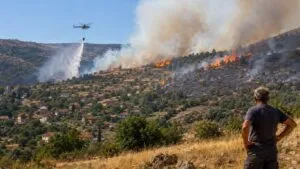
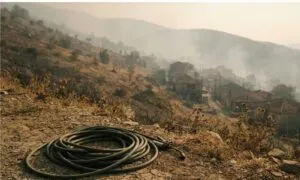
Three planes over Studeničani, crews staying all night: „No danger" is an assessment, not the end of the fire
20.08.2026


20.08.2026
20.08.2026
20.08.2026
20.08.2026

20.08.2026

20.08.2026

20.08.2026

19.08.2026
18.08.2026

20.08.2026

20.08.2026
19.08.2026

20.08.2026
20.08.2026
20.08.2026

20.08.2026

19.08.2026

18.08.2026

20.08.2026

20.08.2026

20.08.2026

20.08.2026

20.08.2026
19.08.2026

09.03.2026

27.02.2026

19.02.2026
20.08.2026
19.08.2026
18.08.2026

23.04.2026

23.04.2026

12.04.2026
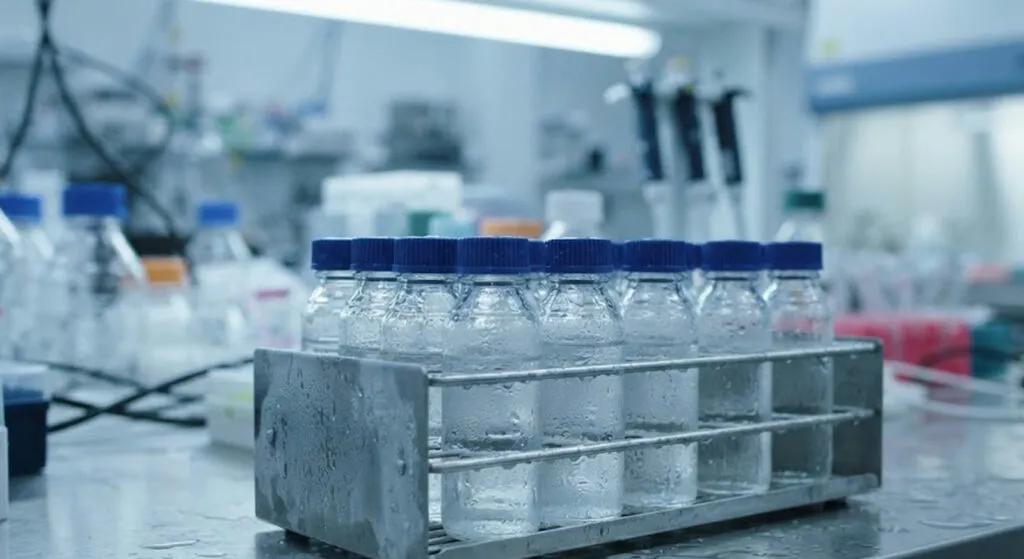
Moderna's shares doubled in a single day. The reason is neither a takeover nor a new product on the market - it is clinical trial results showing that an experimental vaccine-based therapy reduced the recurrence of melanoma and prevented it spreading to other parts of the body.
The therapy, called intismeran, combines an immunotherapy drug developed by the American pharmaceutical company Merck with an mRNA vaccine - the same type of technology the world got to know en masse through covid. The difference is that this vaccine is made individually, based on the mutations found in the tumour of the specific patient.
The numbers that tore up the markets
At the Nasdaq open, the company's shares jumped by over 84 percent, to 115.91 dollars, before reaching 126.81 - more than double the previous close of 62.96 dollars. Merck's shares rose by over eight percent. Analysts estimate that the therapy could bring in around three billion dollars in revenue from melanoma treatment alone by 2035.
The trial covered 1,137 high-risk melanoma patients who had previously had the tumour surgically removed. One group received around nine doses of the immunotherapy drug combined with a personalised vaccine over the course of a year, the other only the immunotherapy drug.
Before we celebrate
A market strategist warned that small investors should keep their expectations in check: the complete trial data has not yet been published, the overall survival results are still awaited, and producing personalised vaccines in large quantities may turn out to be expensive and complicated.
That last point is the key. A vaccine made separately for each tumour is not a pill packaged a million times. It is a product requiring a sample, an analysis and a production cycle per patient - which means the question „what does it cost\" will be at least as hard as the question „does it work\".
Where we sit in all this
Therapies of this order reach the systems that can pay for them first. When the price per patient is measured in tens of thousands, the queue is set not by the diagnosis but by the health fund's budget. If intismeran really does reach approval, the question for our region will not be whether the drug exists - everyone will know that. The question will be how many years later.
The latest 10 news from this category

NABU and the prosecutors entered the Office of the President of Ukraine. At the same time there is talk that...
All money and all goods halted indefinitely, with no explanation longer than a single statement. Around a quarter of the...

An indictment against 17 people for 31.5 terabytes of research papers and dissertations. The heaviest figure is not how much...
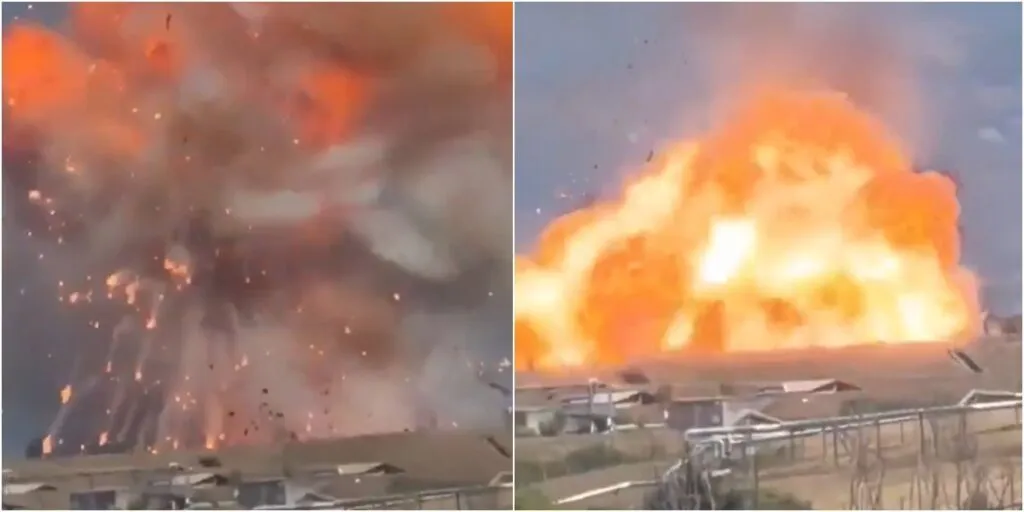
The plant detonated while firefighters were already on site. The defence minister insists it is an internal problem, but prosecutors...
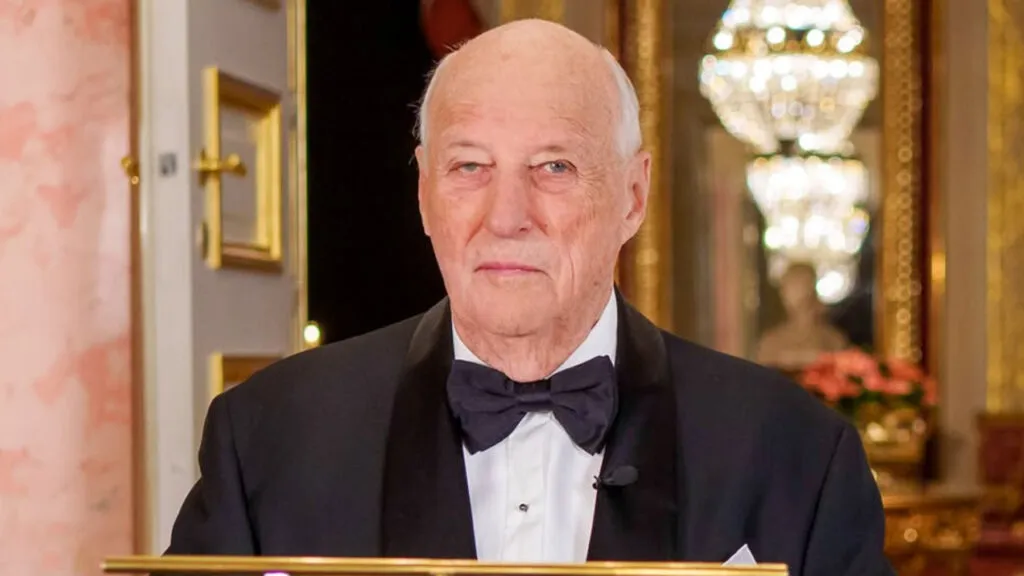
Eighty-nine years old, a blood disease and cortisone that retains fluid. The Norwegian monarchy currently has more people in hospital...
The lowest rating of his career, but the damning detail is elsewhere: 71 percent of Republicans expect the war to...
Vance said goal number one is cheap fuel. Trump contradicted him the same day. When the goal shifts mid-stride, it...
American weapons for Kyiv via Turkish territory, a moratorium on attacks in the Black Sea, and almost a million tonnes...
A frigate carrying Kalibr and Zircon missiles appeared off the German island of Fehmarn, and Moscow is silent about its...

Marjorie Taylor Greene wrote that Washington is discussing nuclear weapons against Iran. She attached no document and no source, and...
This site uses cookies - is that okay? Learn more
Be the first to know when Metla launches something new
Leave your email and we will write when there is a new guide or something new on Metla.