
Sixteen Arrests in Twenty-Four Hours, All for Drugs: The Police Are Working - But Where Are All These People Coming From?
20.09.2026


20.09.2026

20.09.2026
20.09.2026
20.09.2026
20.09.2026

20.09.2026

20.09.2026
19.09.2026

18.09.2026

20.09.2026

20.09.2026

19.09.2026

20.09.2026

20.09.2026

20.09.2026

20.09.2026

19.09.2026
18.09.2026
20.09.2026

20.09.2026

20.09.2026
20.09.2026

20.09.2026

20.09.2026

09.03.2026

27.02.2026

19.02.2026
20.09.2026

19.09.2026

18.09.2026

23.04.2026

23.04.2026

12.04.2026

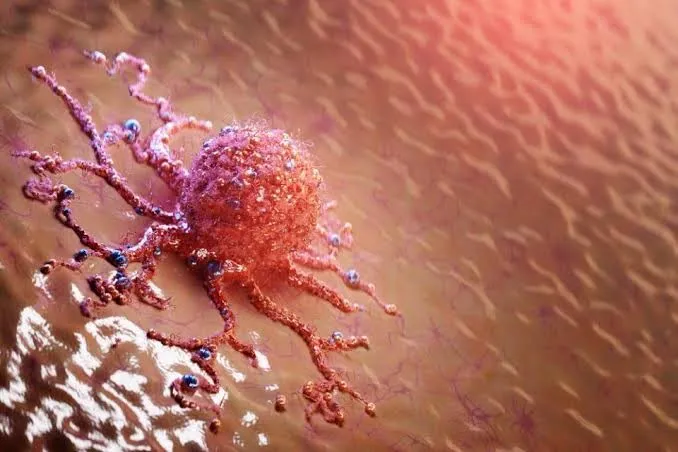
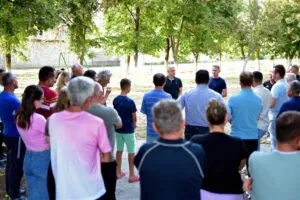
In Drachevo, in the Park of Defenders, an educational forum was held under the motto "Together for early detection, together for life". The organisers are the Municipality of Kisela Voda and the Hema-onko association, and the event opened the Pink October campaign in that municipality.
The speakers were doctors with names, which matters for a subject like this: specialist Dr Albina Chreslovnik Pupakoski, nurse Jasmina Jovcheska from the University Clinic for Radiotherapy and Oncology, and Dr Slavica Chalchevska, radiologist and internist at the 8 September general hospital. A woman in her fifth year of facing breast cancer - a member of Hema-onko - shared her own experience.
The distinction that most often gets blurred
Out of the whole campaign, one distinction deserves repeating more loudly than any slogan. Early detection and screening are not the same thing.
Early detection means a person notices a change themselves and gets to a doctor in time. Organised screening means the health system itself calls in people from a given age group for an examination, by protocol, without them asking for anything.
The first depends on how well informed the individual is. The second depends entirely on the state. And the second is exactly where the campaign ends and the obligation of institutions begins.
So the real question Pink October opens is not whether women know they should get checked - most of them do. The question is how many women received an invitation for mammographic screening last year, what share of the target group that covers, and how much time passes from suspicion to diagnosis and from diagnosis to the start of therapy. Those numbers exist inside the system. They do not get published alongside the pink ribbon.
The campaign in Kisela Voda continues with another forum on 26 September and will close with a "Pink picnic" at the Shell in the City Park. Events of this kind have clear value: they pull the subject out of the space of fear and silence, and the testimony of people who have been through the illness reduces stigma better than any leaflet.
But one month of awareness is not a health policy. The measure of October's success will not be how many pink ribbons are seen, but whether in November the examination is faster, more available and closer to the person hesitating over whether to go. The time lost in hesitation is the most expensive thing in this whole story - and part of that time is created by the system itself, through waiting lists.
The latest 10 news from this category
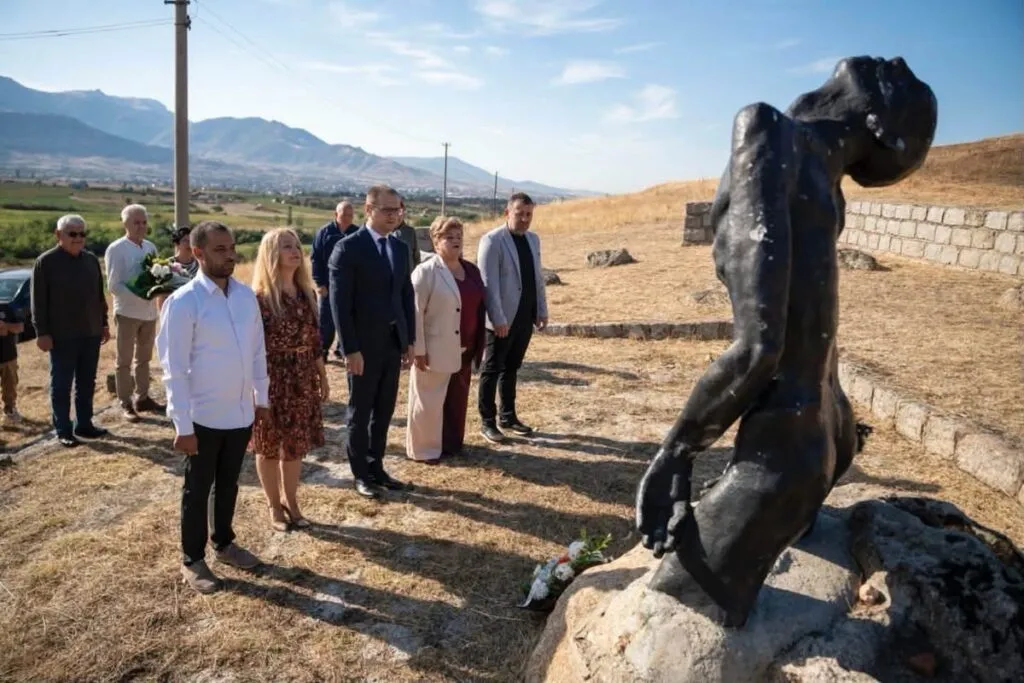
Eighteen people from Prilep killed at Dabnica in 1942. Dejan Prodanoski called for greater care of the memorial - which...
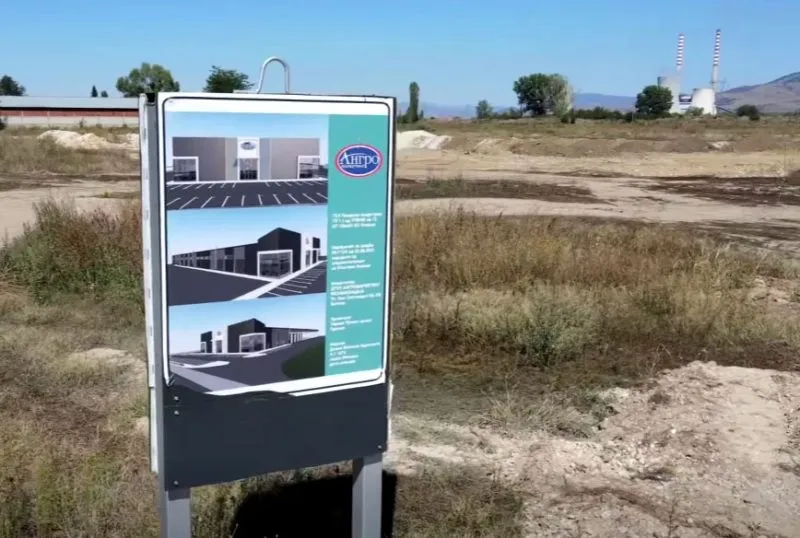
The press release counts 77.5 million denars invested, the mayor announces up to 120 million in total. The number missing...
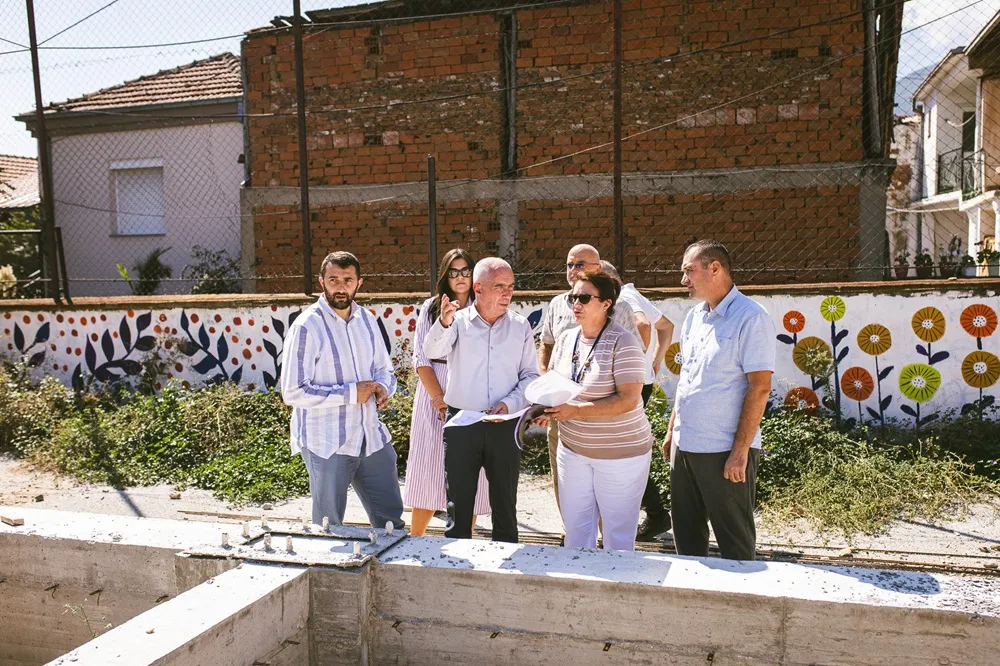
Three schools are getting standard-design halls, a fourth is going up in Bistrica. But the HVAC section had to be...
Darko Vasilevski says he was rejected because of his age. But the problem he describes himself is wider - a...

Anima Mundi wants a moratorium and an investigation. The ministry and the inspectorate still have not published how many foreigners...

Gjorgjievski promised a permanent solution to illegal dumping. The best part of the project is the irrigation system running on...
The procurement is 3.12 billion denars for 150 buses, delivered in three tranches over 18 months. The mayor says they...
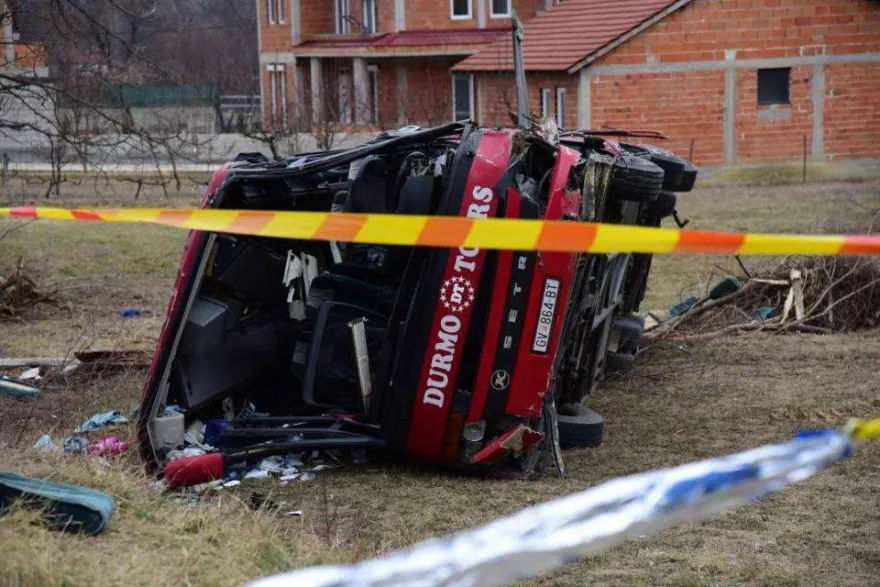
Sixteen dead, 53 years of prison handed down on appeal - and a highest court saying the chain of causation...
The council adopted Konjanovski's initiative. The result: a pupil in Bitola leaves the phone behind, a pupil in the next...
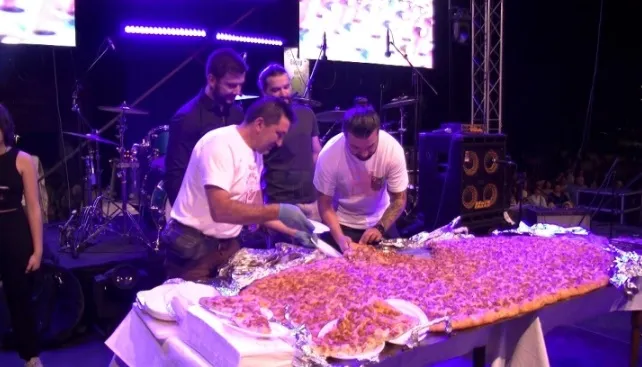
Eighteenth edition, 250 denars a portion, concerts at the stadium. The mayor said the part nobody usually says out loud...
This site uses cookies - is that okay? Learn more
Be the first to know when Metla launches something new
Leave your email and we will write when there is a new guide or something new on Metla.