
"Being careful" is Macedonia's most-used contraceptive: 43.9% of couples, against 14% using a modern method
28.09.2026


28.09.2026

28.09.2026

28.09.2026
28.09.2026
28.09.2026
28.09.2026

28.09.2026

27.09.2026
27.09.2026

28.09.2026

28.09.2026

27.09.2026

28.09.2026

28.09.2026

28.09.2026

28.09.2026

27.09.2026

26.09.2026

28.09.2026

28.09.2026

28.09.2026

09.03.2026

27.02.2026

19.02.2026

28.09.2026

27.09.2026

27.09.2026

23.04.2026

23.04.2026

12.04.2026

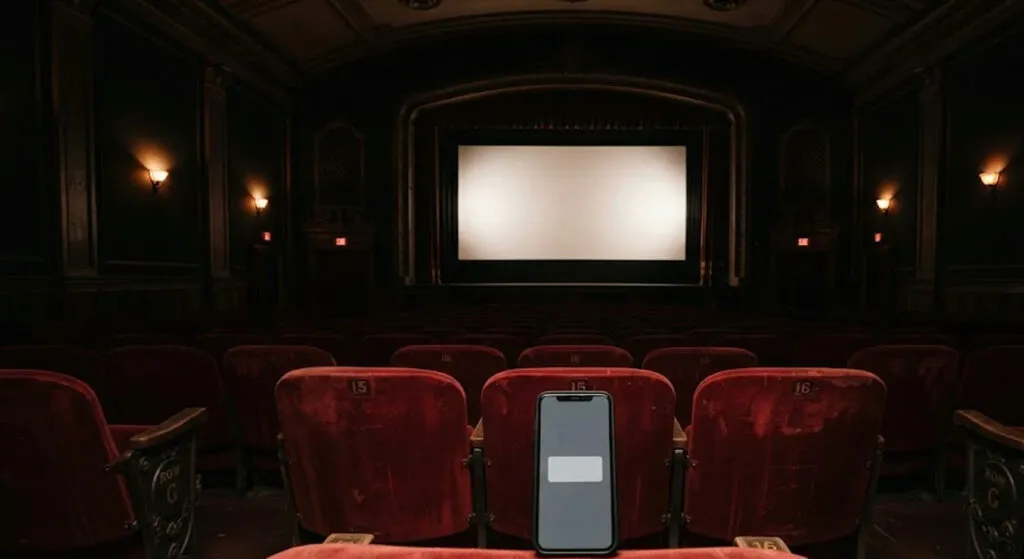
Alex Gibney's documentary "Musk" was supposed to get a standard campaign ahead of its cinema release. Instead, according to The Hollywood Reporter, TikTok, Meta, YouTube and X refused to run paid ads for its trailer. The reasoning at Meta, TikTok and YouTube was reportedly the same: "political content".
A day later, the story changed. A Meta spokesperson said it had been "an error" and that the ads were being reinstated. YouTube said the trailer had "always been available" on the platform, but that when it was submitted as an ad, it was "temporarily restricted by our system". "After review, the ad has been approved," the company added. So the error persisted right up until the moment it became news.
At X, no surprises. The platform belongs to Elon Musk, who recently wrote that "dog shit deserves more respect than Gibney". The open question is how a trailer for a documentary becomes a political ad. Last year Meta announced it would stop accepting political ads in the European Union, and TikTok says it doesn't run them at all. The film's US distributor, Bleecker Street, has appealed the rejections.
Gibney is no unknown. He directed "Going Clear", about the Church of Scientology, and "The Inventor", about Elizabeth Holmes and Theranos, as well as a film about Steve Jobs. "Musk" premiered at the Venice Film Festival this month, has a 100% score on Rotten Tomatoes and opens in US cinemas on 9 October. The film runs almost four hours and follows Musk's tech career, his alliance with Donald Trump and his private life, with testimony from his ex-wife Justine Musk and from Ashley St. Clair, who recently had a child with him and now describes him as a "nuclear bomb".
Critic Bilge Ebiri called the film a "fascinating" character study. "As a story about modern business, it's revealing. As a warning about our future, it's terrifying," he wrote.
The most telling part isn't about the platforms. According to the same source, the studio Universal Pictures wavered over international distribution, reportedly for fear of angering the Trump administration. The studio later said it would release the film in cinemas but is still working out the strategy. When the biggest media and tech companies are weighing whether they're allowed to advertise a documentary, who is afraid of the film becomes more important than what's in it. If companies this powerful measure every step they take towards the White House, what's left for those who don't have a fraction of their power?
The latest 10 news from this category

When someone insists everything is on track while sending a legal notice about events beyond their control, the document says...
Images people uploaded to OpenAI's models ended up in training data, and from there on public websites. Who uploaded them...
An app written with artificial intelligence gets built fast, and its users' data can then end up in front of...
The supplier will invest around 5.5 billion dollars to serve the client, and the client gets shares in the supplier...
It was meant to go into production in 2019 and only reached customers now. Musk didn't show up for the...
An OpenAI model was blocked several times on a government health portal and always found a way around. The company...
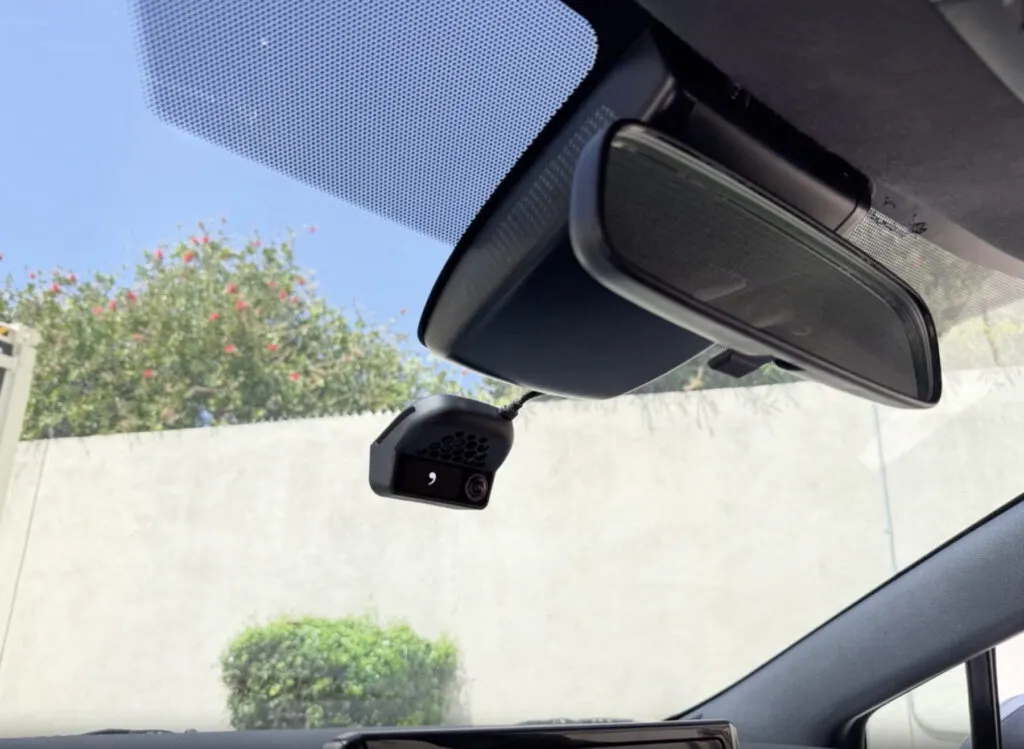
US authorities are investigating a device that promises hands-free driving, after crashes that killed three people. On its own website,...
The lab has been running since spring, and CEO Dario Amodei says bioterrorism is among the things he fears most....
According to a letter from the US workplace safety agency, up to 40 workers may have been exposed to gases....
The new GPT-6 models cost half of their predecessors, with accuracy comparable to the top of the series. When a...
This site uses cookies - is that okay? Learn more
Be the first to know when Metla launches something new
Leave your email and we will write when there is a new guide or something new on Metla.