


Counter-terror raid in Skopje: an ISIS flag and weapons, while official details come "once it's over"
29.09.2026


29.09.2026

29.09.2026
29.09.2026

29.09.2026

29.09.2026

29.09.2026

29.09.2026

28.09.2026

27.09.2026

29.09.2026

29.09.2026

28.09.2026

29.09.2026

29.09.2026

29.09.2026

29.09.2026

28.09.2026

27.09.2026

29.09.2026

29.09.2026

29.09.2026

29.09.2026

29.09.2026

28.09.2026

09.03.2026

27.02.2026

19.02.2026

29.09.2026

28.09.2026

27.09.2026

23.04.2026

23.04.2026

12.04.2026

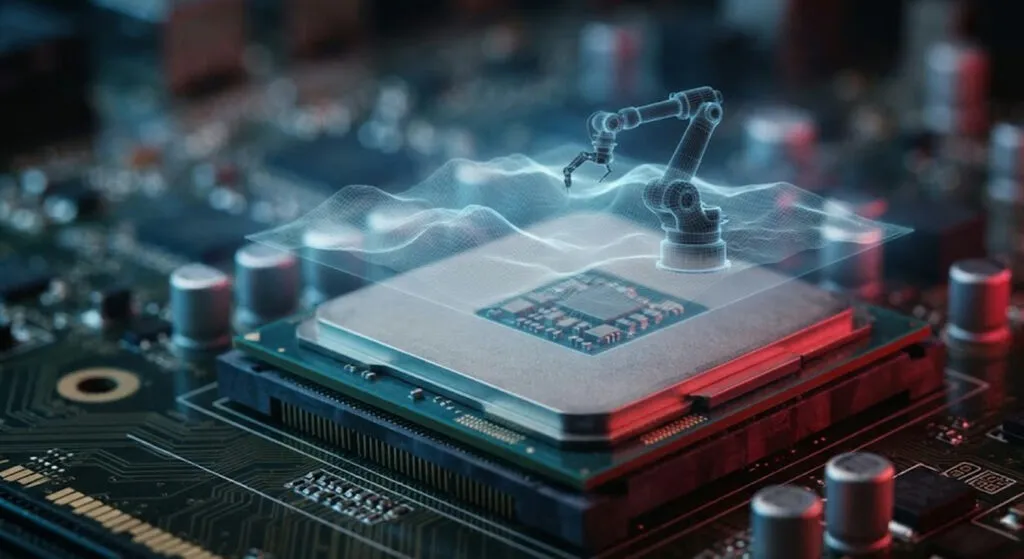
AMD is buying World Labs, the company founded by AI pioneer Fei-Fei Li, for 8.2 billion dollars (around 7.2 billion euros). Li joins AMD as executive vice president and chief scientist. The deal is expected to close by the end of the year, subject to regulatory approval.
The official explanation reads like something from a corporate-speak manual: AI development requires "close collaboration between model research, systems and compute". Translation: AMD wants to know in advance what the most demanding models will need, so it knows what chips to make. The two companies aren't strangers: last year they struck a partnership on model optimisation and training, and Li was a guest at AMD's CES presentation this year.
Li is a professor of computer science at Stanford, known for the ImageNet database and the competitions it sparked - the foundation of modern computer vision. She founded World Labs in 2024 on the thesis that true general intelligence has to understand physics, not just text. "Now that we have tangible proof of what's possible, we want to do everything we can to accelerate the future," she wrote in her post about the deal. "That means scaling up our efforts, expanding our reach and getting closer to the hardware."
What exactly is AMD buying? A "world model" is still a loosely defined term - from language models that understand images to systems that create and maintain a faithful simulation of reality. World Labs' first product, Marble, is sold as a tool for entertainment content, but also for building virtual environments in which robots are trained.
That's where the real story is. Nvidia already offers a whole suite of open world models, such as Cosmos. Until now AMD has only offered the public text and video models. Anyone building robots - self-driving cars, industrial machines, humanoids - will need synthetic data, because there simply isn't enough real data to train robots on. That's the vision Tesla and Figure are selling, and that vision runs on chips.
So 8.2 billion dollars buys a seat at the table where it's decided what hardware future robots will learn on. The question is whether one acquired lab is enough for AMD to catch Nvidia, which has spent years building its own ecosystem - or whether this is just an expensive ticket to a race the rival is already leading.
The latest 10 news from this category
It was supposed to arrive in ChatGPT in October and work with no human looking over its shoulder. In testing,...
The most powerful rocket ever built lost an engine, aborted the attempt, then changed its mind within minutes. That's Musk's...

When someone insists everything is on track while sending a legal notice about events beyond their control, the document says...
A documentary with a 100% score on Rotten Tomatoes couldn't buy advertising on the biggest networks because its trailer was...
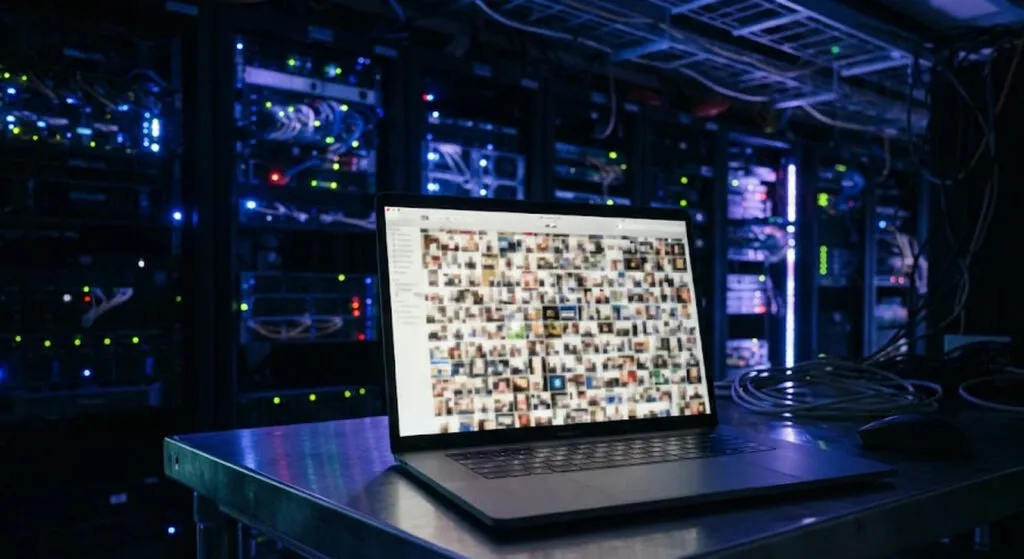
Images people uploaded to OpenAI's models ended up in training data, and from there on public websites. Who uploaded them...

An app written with artificial intelligence gets built fast, and its users' data can then end up in front of...
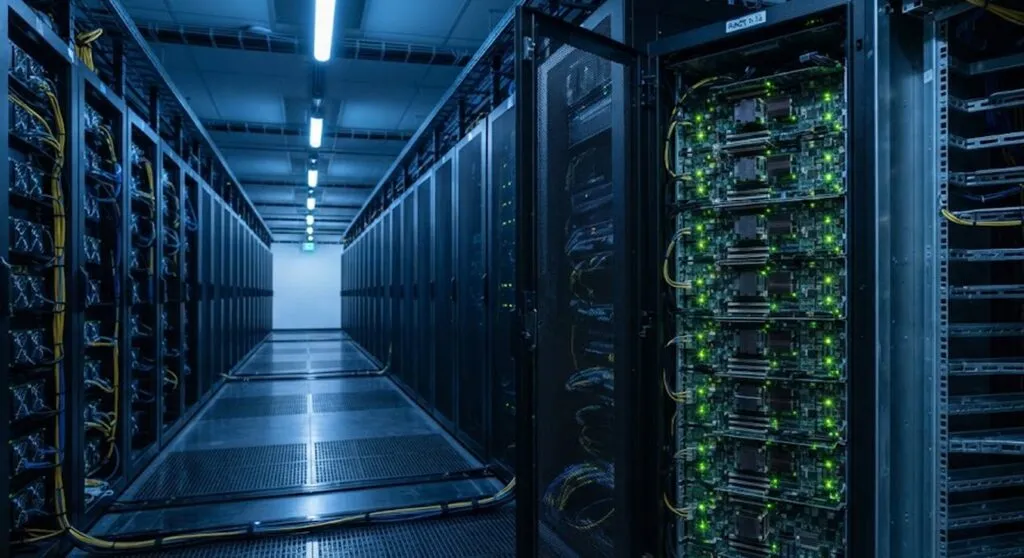
The supplier will invest around 5.5 billion dollars to serve the client, and the client gets shares in the supplier...

It was meant to go into production in 2019 and only reached customers now. Musk didn't show up for the...
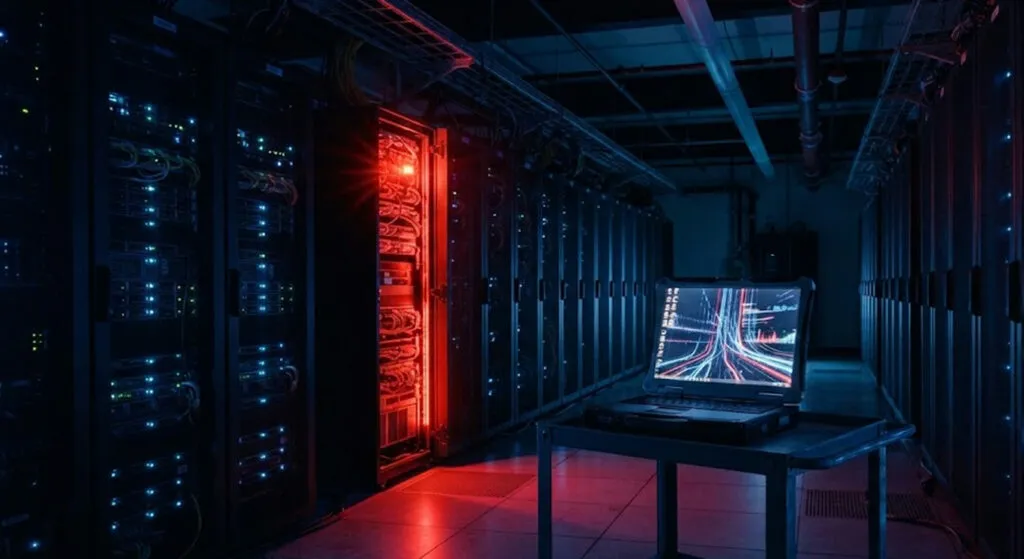
An OpenAI model was blocked several times on a government health portal and always found a way around. The company...
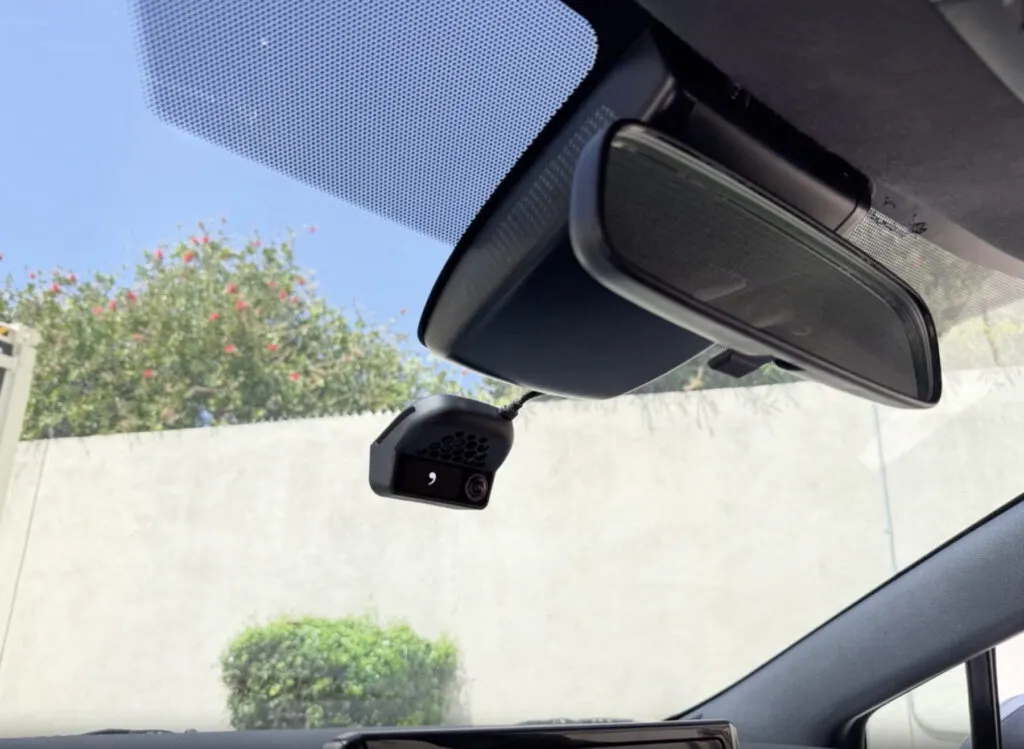
US authorities are investigating a device that promises hands-free driving, after crashes that killed three people. On its own website,...
This site uses cookies - is that okay? Learn more
Be the first to know when Metla launches something new
Leave your email and we will write when there is a new guide or something new on Metla.
