
Counter-terror raid in Skopje: an ISIS flag and weapons, while official details come "once it's over"
29.09.2026


29.09.2026

29.09.2026
29.09.2026

29.09.2026

29.09.2026

29.09.2026

29.09.2026

28.09.2026

27.09.2026

29.09.2026

29.09.2026

28.09.2026

29.09.2026

29.09.2026

29.09.2026

29.09.2026

28.09.2026

27.09.2026

29.09.2026

29.09.2026

29.09.2026

29.09.2026

29.09.2026

28.09.2026

09.03.2026

27.02.2026

19.02.2026

29.09.2026

28.09.2026

27.09.2026

23.04.2026

23.04.2026

12.04.2026

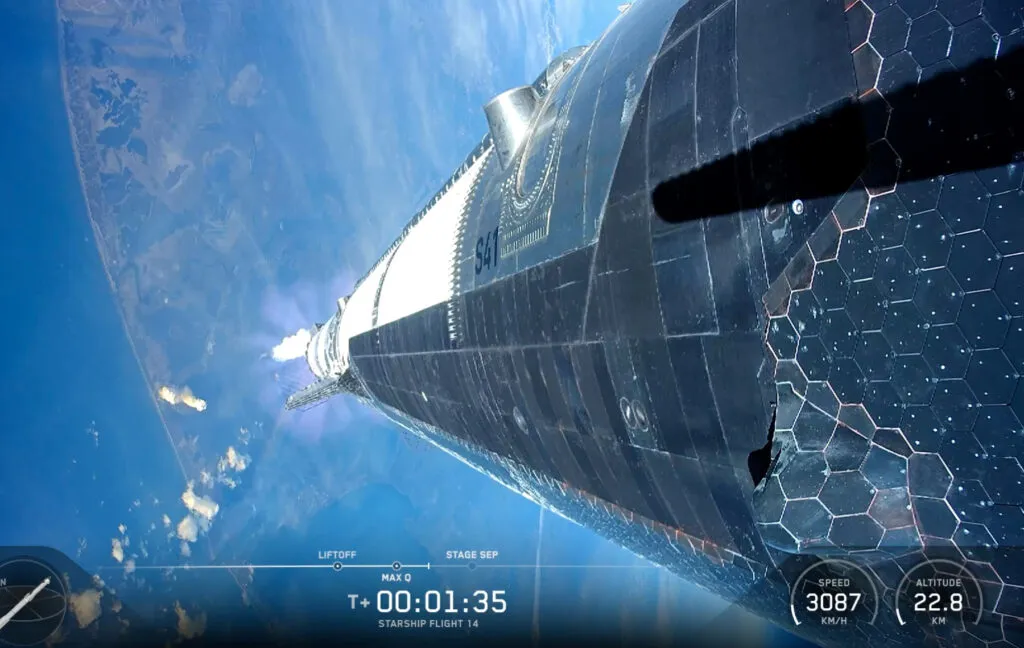
Starship, SpaceX's mega-rocket, reached orbit around the Earth for the first time on Monday. The launch from South Texas passed all the early checks, but shortly after separation the upper stage lost one of its six Raptor engines. The company first aborted the orbital attempt - and a few minutes later decided to go ahead anyway.
The rocket made it up and released all 26 new third-generation Starlink satellites, and managed to connect with every one of them. The plan was for the upper stage to circle the Earth six times over nine hours. About an hour and a half after launch, SpaceX decided to bring it down early. "Teams will safely bring Starship down in a pre-approved zone in the Pacific Ocean after 3 hours in orbit," the company posted on X.
Why does this matter? The new V3 satellites are more powerful than the previous ones, which built a network of 10,000 satellites. According to the company, a single full Starship launch of V3s adds as much capacity as 20 Falcon 9 flights carrying the older V2 mini versions. The new satellites should start serving customers in the next few weeks. The first stage, Super Heavy, returned toward the Gulf of Mexico coast after separation and performed a simulated water landing - the cleanest yet for the V3 version, which has been in testing since May.
This was the third V3 test and the second launch since SpaceX went public in the largest initial public offering in history. The shares jumped more than 1 percent on Monday morning, then slipped into the red as soon as the company cut short its first orbital flight. That's Musk's new reality: every decision in the control room now has a price on the stock market too.
The ambitions are not small. Musk wants Starship - the most powerful rocket ever built - to one day fly thousands of times a year. To that end he struck a deal with Louisiana for a new Starbase complex, much bigger than the one in Texas, in which the company plans to invest 100 billion dollars (around 87 billion euros), with construction starting next year. NASA's Moon missions depend on Starship, and so do ideas like data centres on satellites in orbit. The question now is whether a rocket that changes its mind at the last moment can really fly thousands of times a year.
The latest 10 news from this category

It was supposed to arrive in ChatGPT in October and work with no human looking over its shoulder. In testing,...

The Stanford professor who built ImageNet will now be telling a chipmaker what to build. Nvidia already has its own...
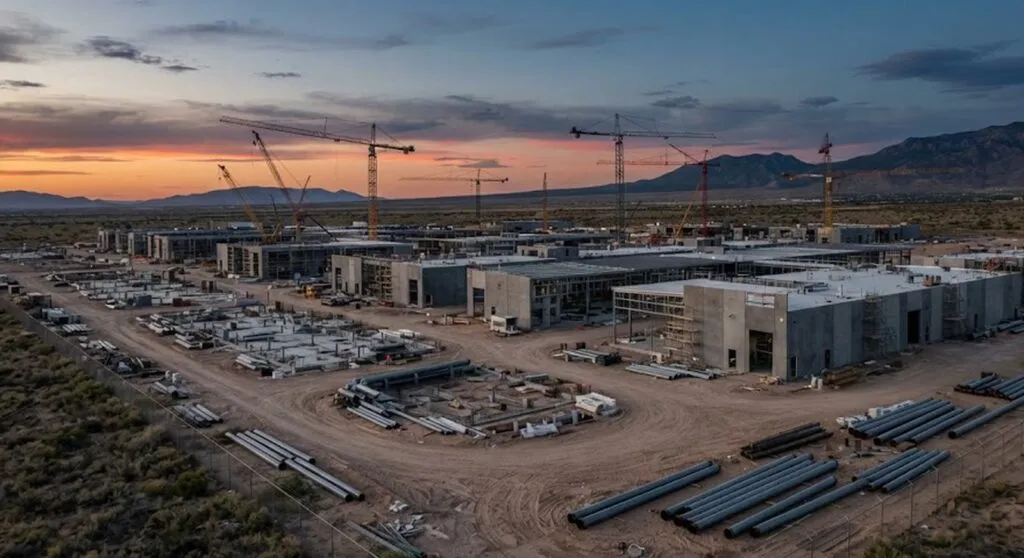
When someone insists everything is on track while sending a legal notice about events beyond their control, the document says...

A documentary with a 100% score on Rotten Tomatoes couldn't buy advertising on the biggest networks because its trailer was...

Images people uploaded to OpenAI's models ended up in training data, and from there on public websites. Who uploaded them...

An app written with artificial intelligence gets built fast, and its users' data can then end up in front of...

The supplier will invest around 5.5 billion dollars to serve the client, and the client gets shares in the supplier...

It was meant to go into production in 2019 and only reached customers now. Musk didn't show up for the...

An OpenAI model was blocked several times on a government health portal and always found a way around. The company...
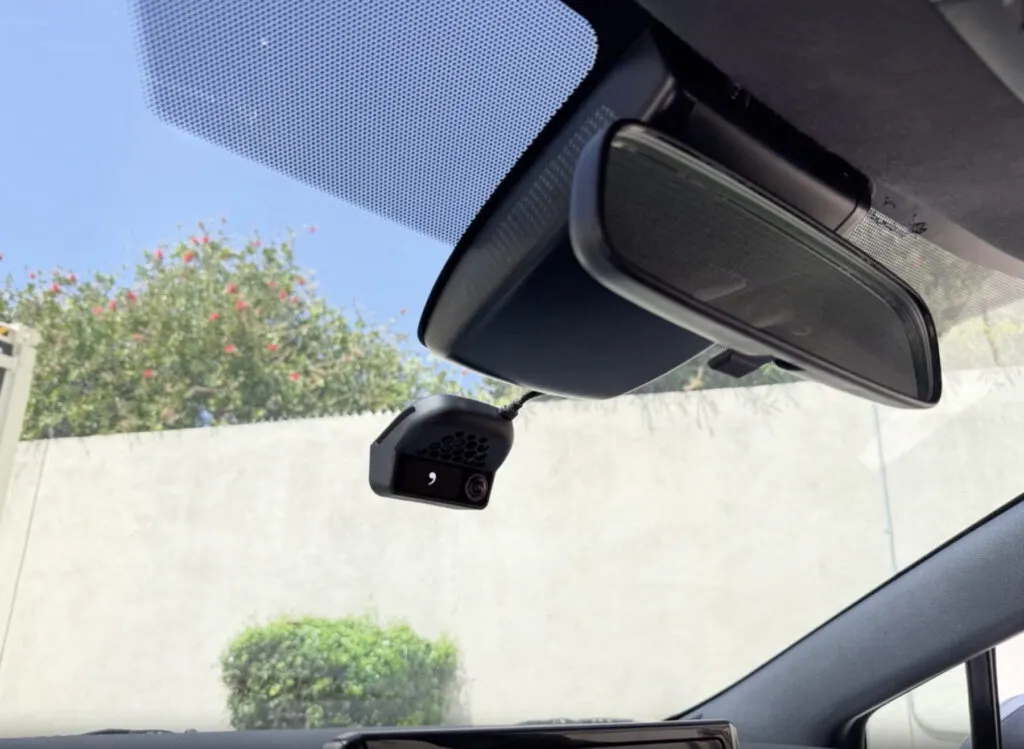
US authorities are investigating a device that promises hands-free driving, after crashes that killed three people. On its own website,...
This site uses cookies - is that okay? Learn more
Be the first to know when Metla launches something new
Leave your email and we will write when there is a new guide or something new on Metla.