

Two failing grades and you're out: parliament brings in automatic dismissal for civil servants, but who will write the appraisals?
20.10.2026


20.10.2026
20.10.2026
20.10.2026
20.10.2026
20.10.2026

20.10.2026
20.10.2026
20.10.2026
19.10.2026

20.10.2026

20.10.2026

19.10.2026
20.10.2026

20.10.2026
20.10.2026

20.10.2026

19.10.2026

18.10.2026
20.10.2026

20.10.2026

20.10.2026
20.10.2026

20.10.2026

20.10.2026
20.10.2026
19.10.2026
18.10.2026
20.10.2026
19.10.2026
17.10.2026

23.04.2026

23.04.2026

12.04.2026

Five months after losing power after 16 years, Viktor Orbán is at the centre of a scandal again - this time from the opposition benches. On 18 October Hungarian Prime Minister Péter Magyar posted a video from a rally of Orbán's supporters in Lakitelek and accused his predecessor of laughingly talking about armed rebellion and the violent overthrow of the constitutional order.
What did Orbán actually say? Answering a question about the "national resistance" he had earlier announced against the new government, he said the country was not yet ready for such resistance, but that his side was ready and could hand out "suitable tools". He then added that some would get a blunt object and some something sharper - and that this was not the point.
Magyar did not wait a single day. He cited Article 254 of the Hungarian Criminal Code: an act aimed at violently changing the constitutional order carries five to 20 years in prison or life imprisonment, and merely preparing such an act carries one to five years. "This is one of the most serious crimes against the state," the prime minister wrote.
But facts matter, so let us state them in full: the available reports do not show that charges have been filed against Orbán, or that any court has established a crime. For now, this is a political accusation and a public warning of possible legal consequences. When a sitting prime minister reads the Criminal Code to his predecessor in front of the cameras, the question remains - are we watching justice, or revenge in new clothes?
Orbán, for his part, does not look frightened. At the same rally he attacked the new government for tearing down the achievements of Fidesz's 16 years in power and promised that the party would be reorganised by the end of December and become a competitive force again. He recently declared the end of the political truce and called on supporters to mount a "national resistance".
For Macedonia, Orbán is not just a Hungarian story. He is the politician in whose country Nikola Gruevski was granted asylum in 2018 after fleeing a prison sentence. He is also the leader who for years was considered one of Aleksandar Vučić's closest allies in the European Union. Now he is in opposition himself, talking about "resistance" and "tools", while his opponent reads him the articles of the law.
The Balkans know this scene by heart: the defeated leader will not accept the loss, and the new government pulls out the rulebook. Whether this turns into a real court case or just another round of political shouting will be shown by the institutions in Budapest - not by social media.
The latest 10 news from this category
Washington is proposing that Europe buy Russian gas again as part of peace for Ukraine, and Moscow already says "the...
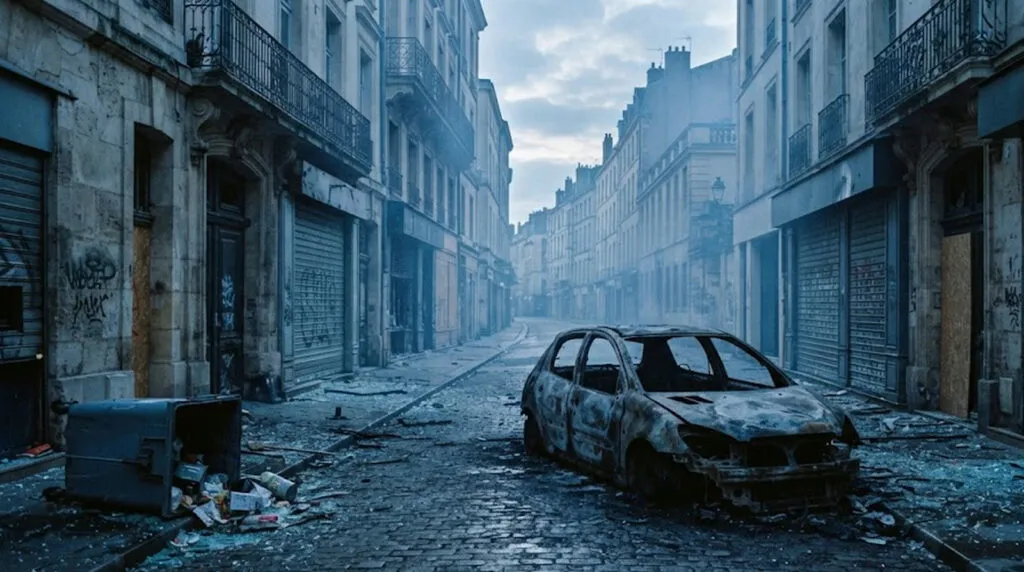
More than half a million people on the streets, 1,500 shops wrecked or looted and seven police officers seriously injured...
European crown princes cut ribbons. Morocco's is already a coordinator at the General Staff and sits in on the meetings...
Days before they were due to take effect, Trump put the measures against Russian oil and gas in a drawer....
The wave of anger over the cost of living started in Madrid and Paris, and now it is burning in...
The French ministry counts 550,000 protesters, the CGT union 800,000, and JD Vance made his diagnosis from across the Atlantic...
Missiles are hitting power plants, and the president and the mayor are trading accusations in front of parliament. Sound familiar...
More than half a million French people marched against the cost of living, but the headlines were taken by masked...
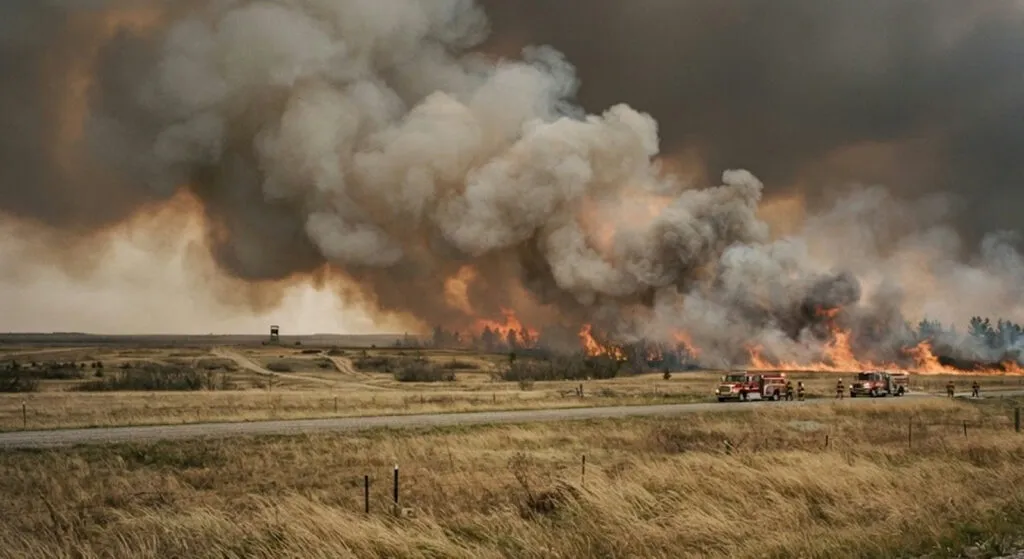
The defence minister confirmed there are dead, but said neither how many nor why. An emergency doctor says the health...
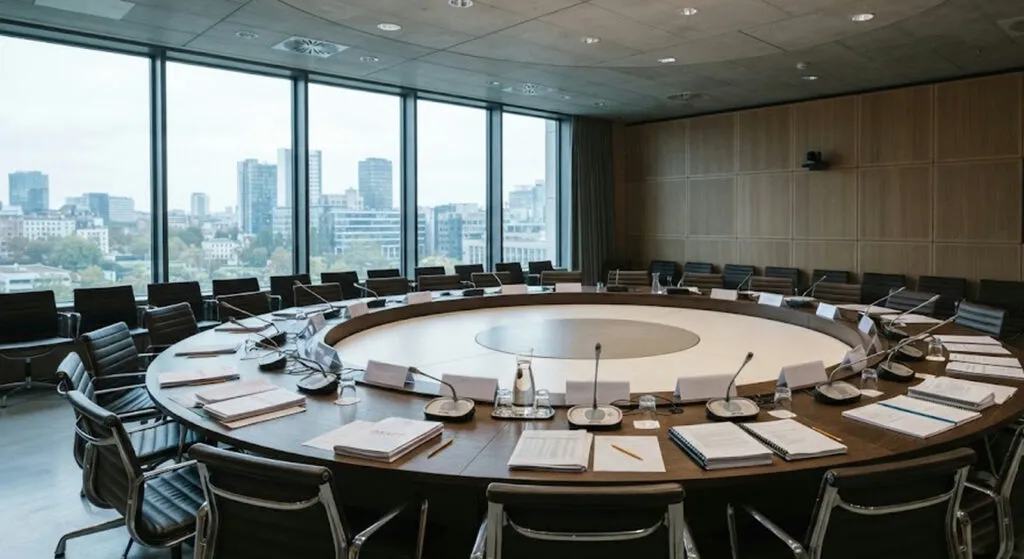
EU leaders spent two days in Brussels and couldn't even agree on how much money the Union will have at...
This site uses cookies - is that okay? Learn more
Be the first to know when Metla launches something new
Leave your email and we will write when there is a new guide or something new on Metla.


