
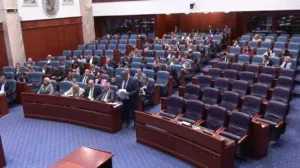
Two failing grades and you're out: parliament brings in automatic dismissal for civil servants, but who will write the appraisals?
20.10.2026


20.10.2026
20.10.2026
20.10.2026
20.10.2026
20.10.2026

20.10.2026

20.10.2026
20.10.2026

19.10.2026

20.10.2026

20.10.2026

19.10.2026

20.10.2026

20.10.2026

20.10.2026

20.10.2026

19.10.2026

18.10.2026

20.10.2026

20.10.2026

20.10.2026
20.10.2026

20.10.2026

20.10.2026
20.10.2026
19.10.2026

18.10.2026
20.10.2026
19.10.2026

17.10.2026

23.04.2026

23.04.2026

12.04.2026

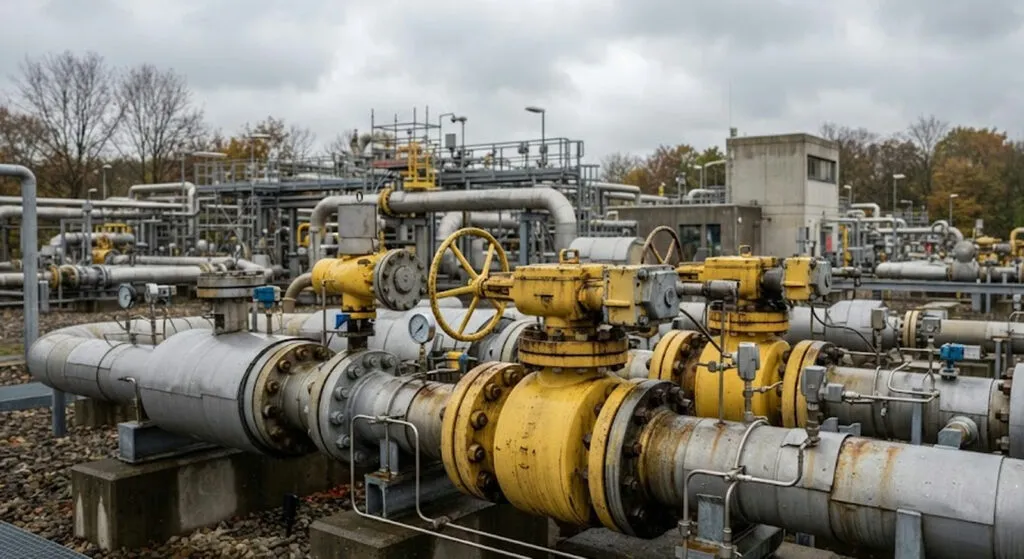
For years Europe painfully weaned itself off Russian gas. Now Washington is suggesting it go back to exactly where it started. According to the New York Times, Donald Trump's administration wants Europe, as part of a peace deal for Ukraine, to start buying Russian gas in bulk again.
The proposal is not an idea on paper. Trump's chief negotiators, Jared Kushner and Steve Witkoff, have already put it to European and Ukrainian officials - including Volodymyr Zelensky, at a meeting in Kyiv last month. The message: Ukraine should reopen the pipelines through which Russian gas flowed to Europe for years, so that Moscow will agree to end the war.
European officials were taken aback. One move would undo the years the European Union spent freeing itself from dependence on Russian fossil fuels. Trump's team, however, sees it as an ideal part of the peace package: Ukraine would earn transit money again, and European voters squeezed by costs would accept cheaper energy. Critics see the fatal flaw - instead of pressure on Vladimir Putin or help for Kyiv, Washington has spent weeks dreaming up economic perks for Russia, even though Moscow has not given an inch on its war aims.
The White House officially says the war "drives up energy prices across Europe" and that the goal is "not only to stop the fighting, but to create the conditions for a lasting peace". Actions speak louder than the statement. Trump refused to sign the new package of sanctions against Russia passed by Congress - just a week after lifting the ban on imports of Russian diesel. On Truth Social he wrote that he does not want to "stupidly push Russia away from the negotiating table", and accused Zelensky of not wanting the war to end and of his country having lost its "oceans and seas". Ukraine, by the way, has no oceans.
In Moscow they are not hiding their delight
Putin's economic envoy Kirill Dmitriev told an energy forum in Moscow that the diesel deal is just the start of what is being agreed with Kushner and Witkoff. "We will soon announce important initiatives, the ice has finally been broken," he said, also mentioning data centres that would run on Russian nuclear power. Also in play is the sale of oil giant Lukoil's international assets to an investment group in which the US government has a stake.
Some European and Ukrainian officials are convinced Washington is also after its own cut - a share of the earnings from transporting the gas. The damaged Nord Stream 2 pipeline is being mentioned again too. The White House says it was not a topic at the latest meetings, but sources familiar with the matter say the administration sees restarting it after peace as "low-hanging fruit". The Kremlin agrees: spokesman Dmitry Peskov said renewed energy cooperation is in Russia's interest, "but at the moment perhaps even more in the interest of the Europeans themselves".
Zelensky, who sharply attacked Trump for caving to Moscow, predicted the scenario out loud. "The only question is when the new deal will arrive. Maybe it will be gas. It will most certainly be gas," he told the Financial Times. Ukraine halted the transit of Russian gas in January 2025, knowingly giving up around a billion dollars a year in transit fees, and the European Union committed to cutting out imports from Russia entirely. Trump, facing high fuel prices ahead of the congressional elections, is increasingly openly looking for ways to make it easier for Russia to sell oil and gas.
Berlin says no - but under pressure
The toughest resistance comes from Berlin. Until the 2022 invasion, Germany was the biggest buyer of Russian gas. When Witkoff and Kushner raised the pipeline idea again in Florida last week, Günter Sautter, Chancellor Friedrich Merz's chief security adviser, pushed back hard. The German government's position, according to European officials, is clear: Russian gas, even if resold through American intermediaries, is still Russian gas.
"Europe, and Germany in particular, must never again depend on Russian gas, because we have seen how unreliable Russia is," warns former German economy minister Robert Habeck. But German leaders are under enormous pressure at home, where the pro-Russian Alternative for Germany leads the polls with almost 30 percent and openly calls for sanctions to be lifted. Its leader Alice Weidel has already demanded imports of Russian gas and oil in the Bundestag. Trump's proposal would put wind in her sails - while also reducing demand for American liquefied gas in Europe.
Habeck said out loud what many in Europe are thinking: "In the past I would have been happy for an American company to co-own our energy grid. Today that frightens me, because we can see that Trump clearly has far more sympathy for Vladimir Putin than for the Ukrainians."
In the Balkans we know this scene well: the big players sit down at the table and divide up what is not theirs, and the party being bargained over is only called in to sign. Europe is now in that position. The question is whether it will sign - and whether in a few years a single pipeline will once again decide how warm its winter is.
The latest 10 news from this category
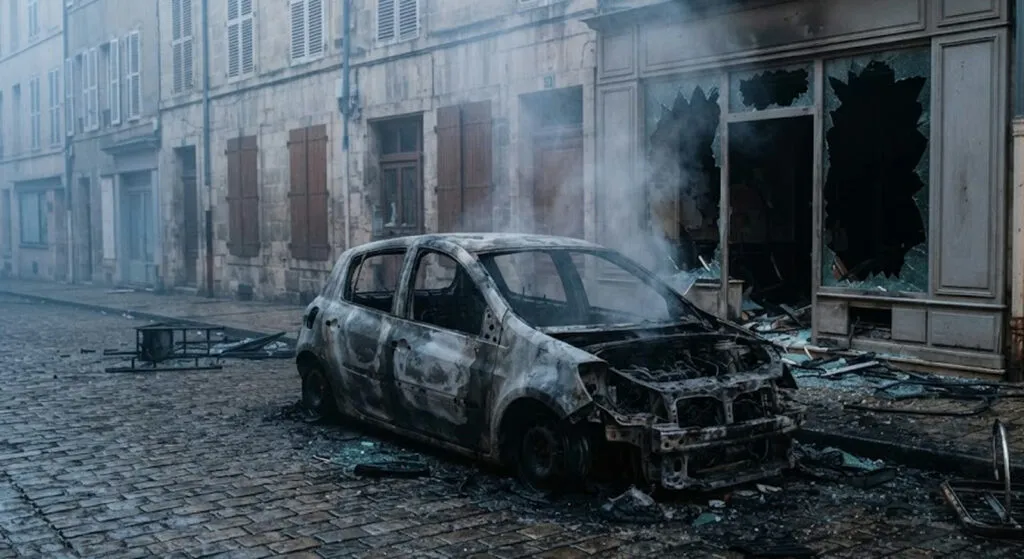
More than half a million people on the streets, 1,500 shops wrecked or looted and seven police officers seriously injured...
The man whose country gave Gruevski asylum is now in opposition and talking about "resistance", while Hungary's new prime minister...
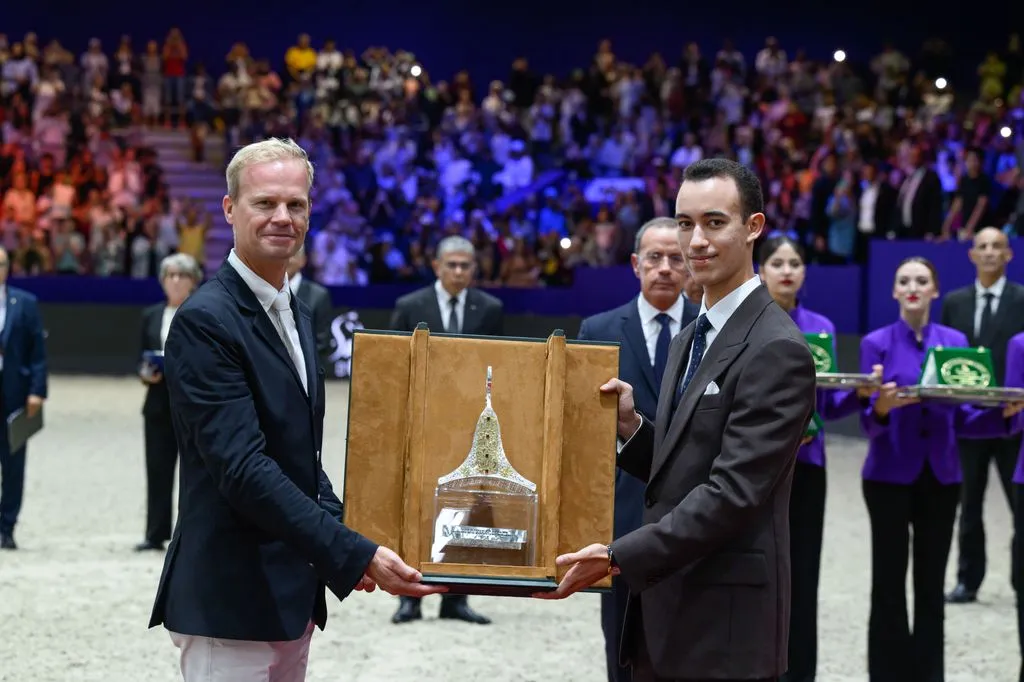
European crown princes cut ribbons. Morocco's is already a coordinator at the General Staff and sits in on the meetings...
Days before they were due to take effect, Trump put the measures against Russian oil and gas in a drawer....
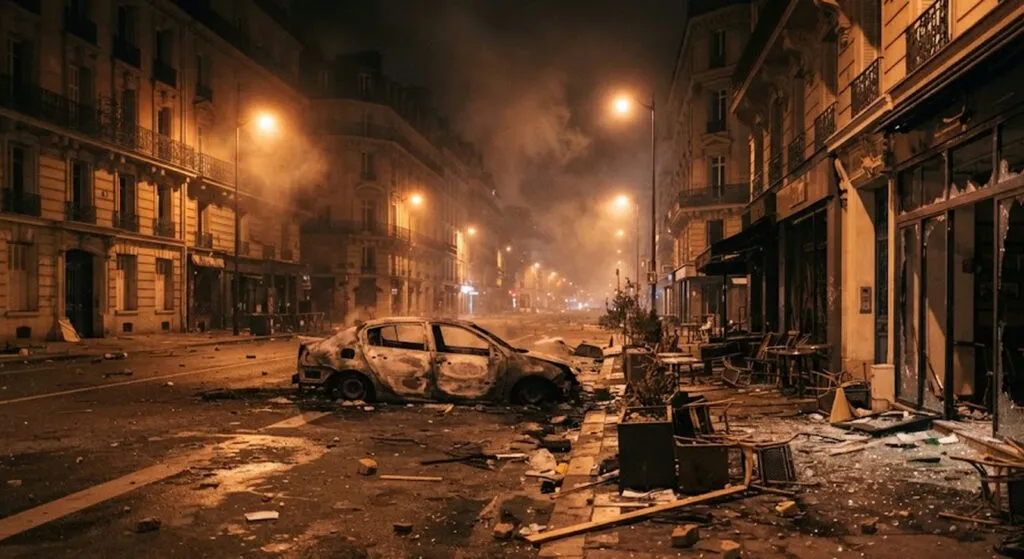
The wave of anger over the cost of living started in Madrid and Paris, and now it is burning in...
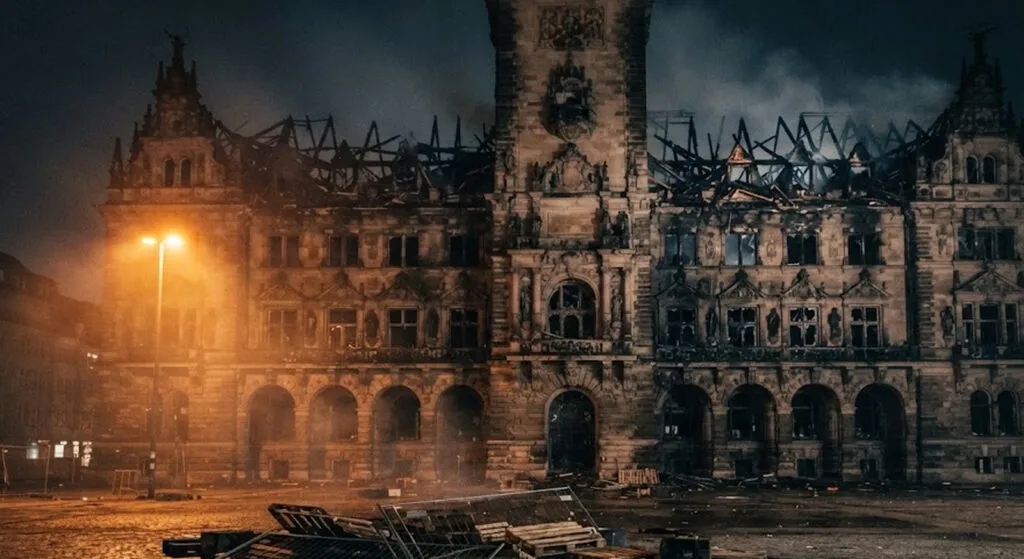
The French ministry counts 550,000 protesters, the CGT union 800,000, and JD Vance made his diagnosis from across the Atlantic...
Missiles are hitting power plants, and the president and the mayor are trading accusations in front of parliament. Sound familiar...
More than half a million French people marched against the cost of living, but the headlines were taken by masked...
The defence minister confirmed there are dead, but said neither how many nor why. An emergency doctor says the health...
EU leaders spent two days in Brussels and couldn't even agree on how much money the Union will have at...
This site uses cookies - is that okay? Learn more
Be the first to know when Metla launches something new
Leave your email and we will write when there is a new guide or something new on Metla.


