
Two failing grades and you're out: parliament brings in automatic dismissal for civil servants, but who will write the appraisals?
20.10.2026


20.10.2026
20.10.2026
20.10.2026
20.10.2026
20.10.2026

20.10.2026
20.10.2026
20.10.2026

19.10.2026

20.10.2026

20.10.2026

19.10.2026

20.10.2026

20.10.2026

20.10.2026

20.10.2026

19.10.2026

18.10.2026

20.10.2026

20.10.2026

20.10.2026
20.10.2026

20.10.2026

20.10.2026
20.10.2026
19.10.2026

18.10.2026
20.10.2026
19.10.2026
17.10.2026

23.04.2026

23.04.2026

12.04.2026

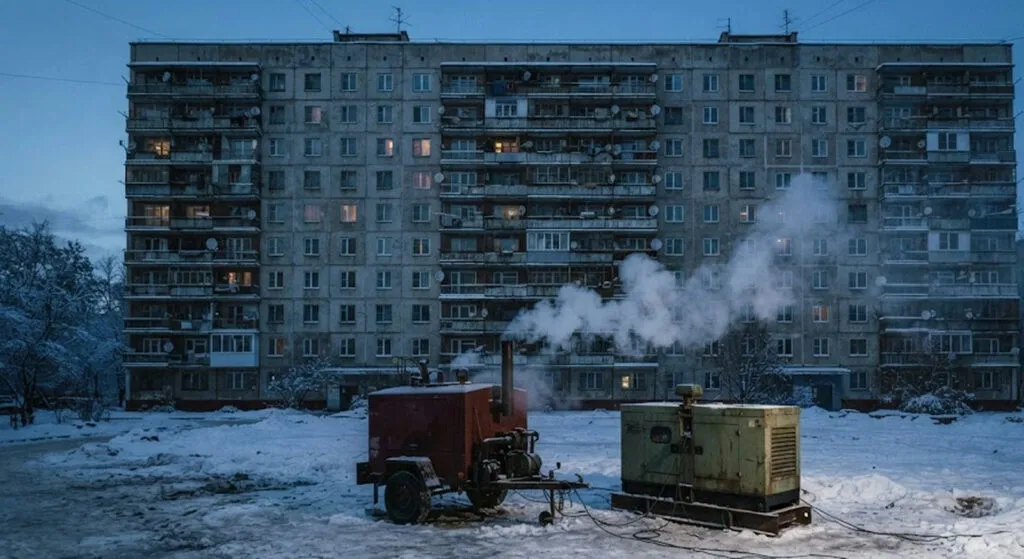
Kyiv's heating season started on October 16 - first for hospitals, schools and kindergartens. Residents of the Dniprovskyi and Darnytskyi districts did not get heating right away, because one energy facility was badly damaged. Russian missile and drone strikes on the energy infrastructure have once again left parts of the city without power and water. And instead of a united front against the cold, Kyiv got yet another political war - between the president and the mayor.
Zelensky opened it on October 13, when he publicly criticised the capital. "Practically across the whole country, even in the border areas and in the regions close to the front, the implementation of resilience plans is at a higher level than in Kyiv," he said. As proof he pointed out that parts of the city are left without power and water even after limited strikes on the energy system, which in his view shows that the city authorities did not prepare.
Vitali Klitschko did not stay quiet. "Baseless accusations are being made about an alleged failure of the heating season, spread by media linked to the central government," the mayor shot back. According to him, the presidential administration is using the problems caused by Russian attacks to weaken local self-government and to replace the mayors who are not under its political control. "We have an enemy, and they are waging war against local self-government," Klitschko said.
On October 14 Klitschko was summoned to report to the Verkhovna Rada. In front of the MPs he ran through the numbers: the city has provided 700 generators for the water and district heating systems, 70 mobile boiler units, three diesel power plants and backup water supply. Then he passed the ball back - the central government, he claims, blocked the money needed for some of the energy projects, so the work was delayed. He also raised the question of who is responsible for the capital's air defence and for protecting power facilities, since the city is being asked to answer for things it does not fully control.
Now the assessment of Ukrainian political analyst Ruslan Bortnyk enters the quarrel. He claims Zelensky could start the process of removing Klitschko within the coming weeks, and that the presidential administration is already preparing a replacement over dissatisfaction with the energy situation and winter preparations. That is the claim of one analyst, not an official decision. But when the president publicly declares the capital the worst-prepared place in the country, the scenario does not look the least bit far-fetched.
Klitschko was elected by the votes of Kyiv's residents, as he himself reminded the Rada. Zelensky is the president of a country at war. Sound familiar - a central government and a city from rival camps shifting the blame onto each other while people wait for hot water? In Kyiv, at least, nobody can doubt that the problem is real, because the missiles really are falling. The only question is whether the two of them will spend the winter quarrelling instead of repairing.
The latest 10 news from this category
Washington is proposing that Europe buy Russian gas again as part of peace for Ukraine, and Moscow already says "the...
More than half a million people on the streets, 1,500 shops wrecked or looted and seven police officers seriously injured...
The man whose country gave Gruevski asylum is now in opposition and talking about "resistance", while Hungary's new prime minister...
European crown princes cut ribbons. Morocco's is already a coordinator at the General Staff and sits in on the meetings...
Days before they were due to take effect, Trump put the measures against Russian oil and gas in a drawer....
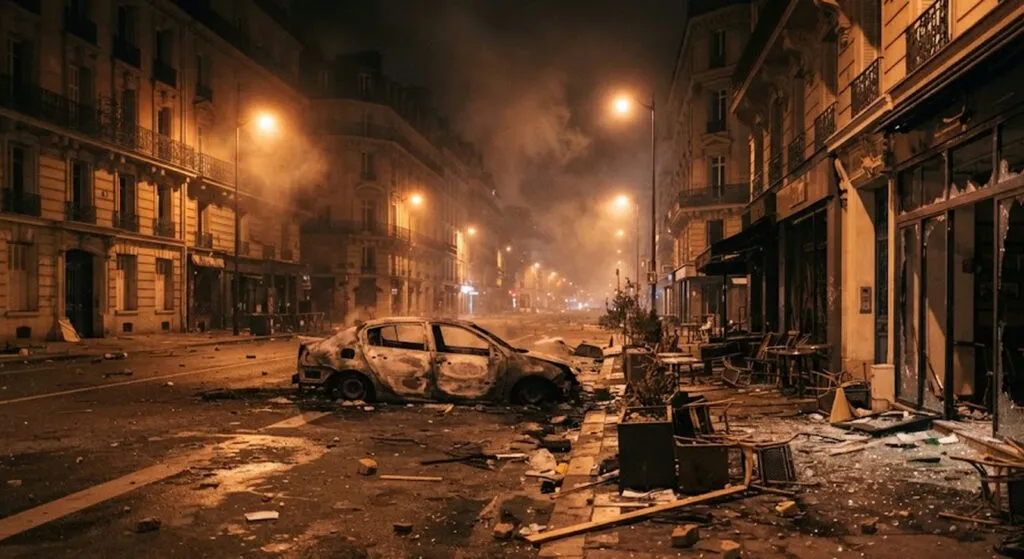
The wave of anger over the cost of living started in Madrid and Paris, and now it is burning in...
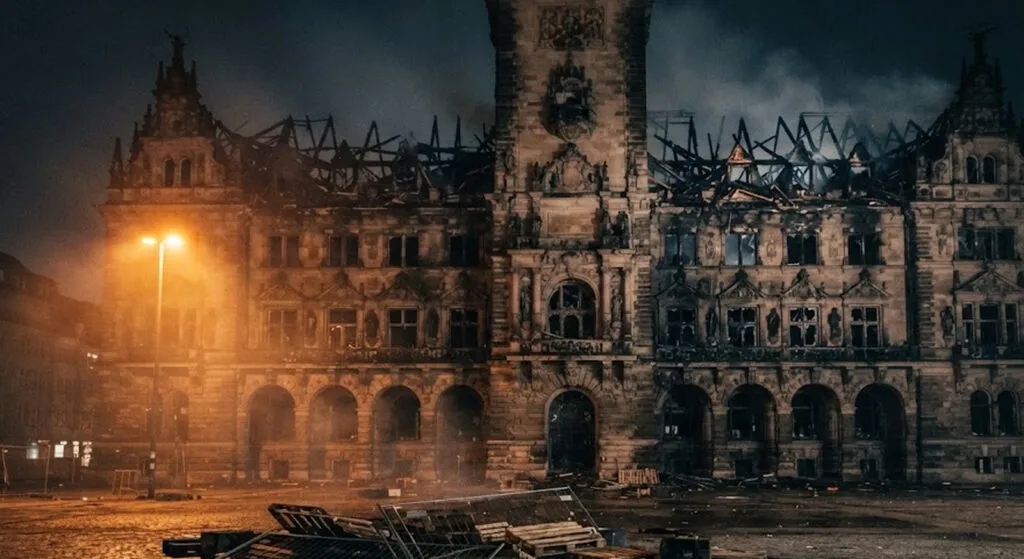
The French ministry counts 550,000 protesters, the CGT union 800,000, and JD Vance made his diagnosis from across the Atlantic...
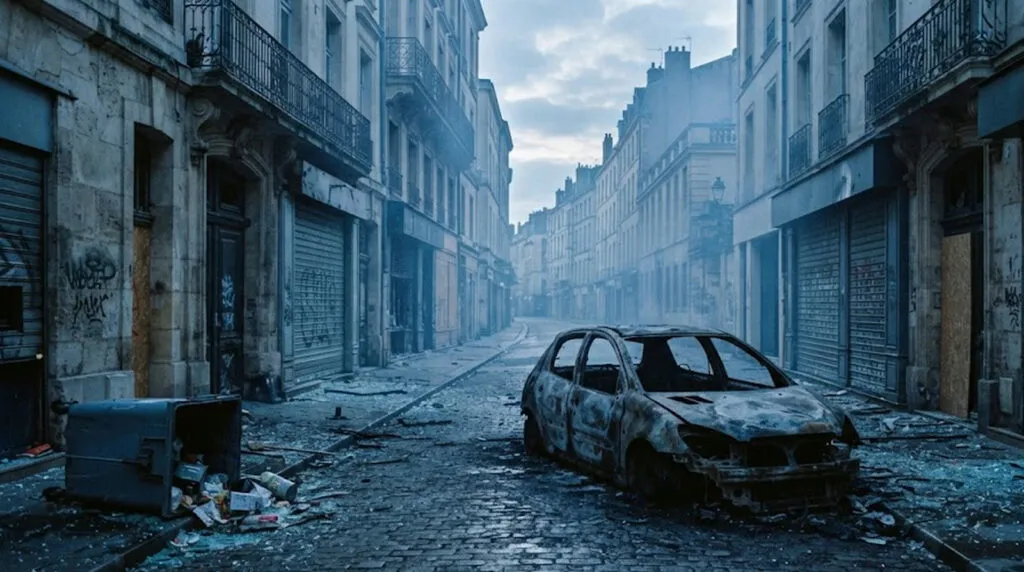
More than half a million French people marched against the cost of living, but the headlines were taken by masked...
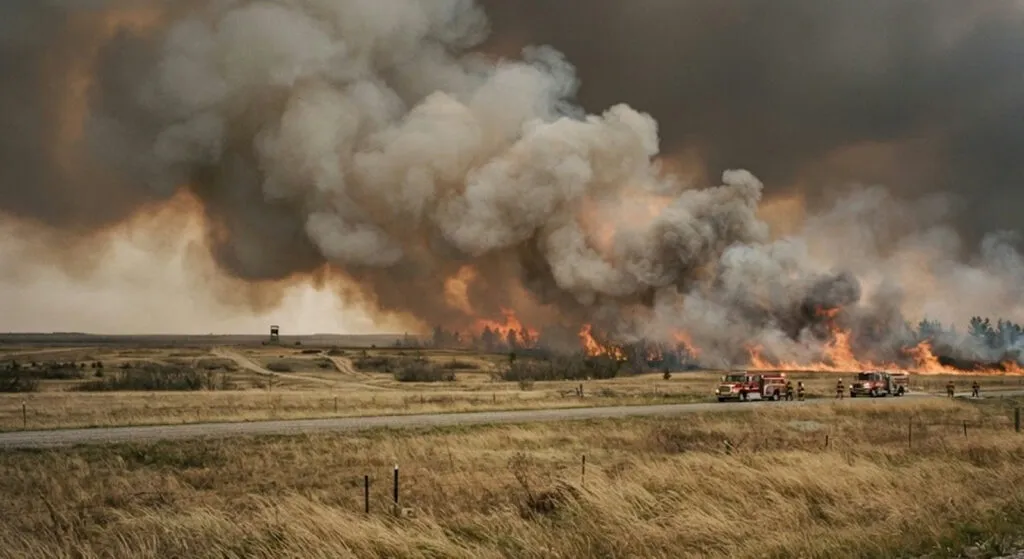
The defence minister confirmed there are dead, but said neither how many nor why. An emergency doctor says the health...
EU leaders spent two days in Brussels and couldn't even agree on how much money the Union will have at...
This site uses cookies - is that okay? Learn more
Be the first to know when Metla launches something new
Leave your email and we will write when there is a new guide or something new on Metla.


