


Police officer from Drachevo drove without ever passing a driving test: Who checks the people who check everyone else?
18.10.2026


18.10.2026
18.10.2026
18.10.2026
18.10.2026
18.10.2026
18.10.2026
18.10.2026

18.10.2026
18.10.2026

18.10.2026
18.10.2026

17.10.2026
18.10.2026
18.10.2026

18.10.2026

18.10.2026

17.10.2026

16.10.2026
18.10.2026

18.10.2026
18.10.2026

18.10.2026
18.10.2026

18.10.2026
18.10.2026
18.10.2026

17.10.2026
17.10.2026

15.10.2026

13.10.2026

23.04.2026

23.04.2026

12.04.2026

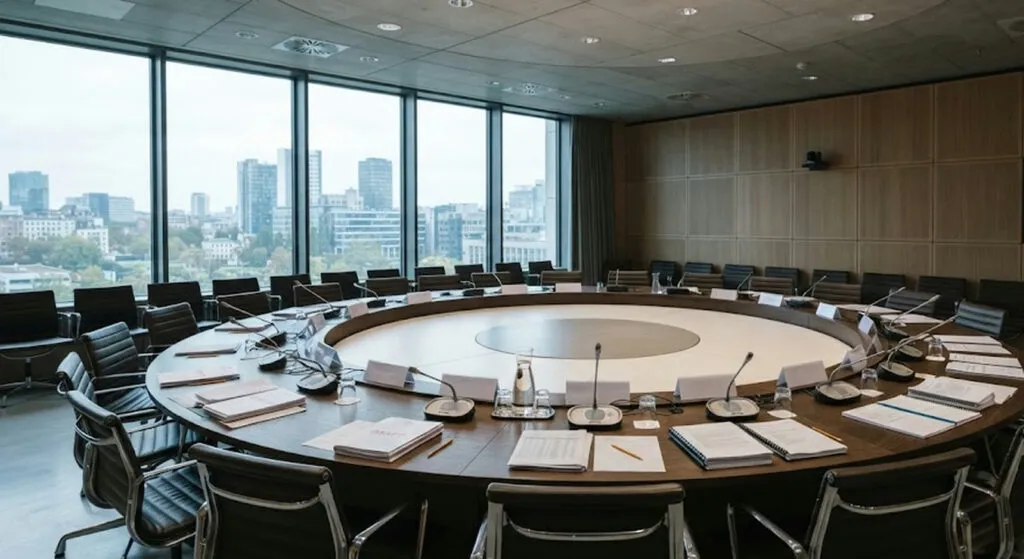
Two days of negotiations in Brussels, and European Union leaders couldn't even agree on the basic question: how much money the Union will have at all from 2028 to 2034. The summit on 15 and 16 October ended with no deal on the seven-year budget, stuck between spending, energy and migration.
Swedish Prime Minister Ulf Kristersson didn't even try to fake optimism: "I don't think we'll reach a deal this month. Or next month. I don't even know if it's possible to agree by the end of the year." When the prime minister of a member state says this out loud, it's no longer a negotiating tactic - it's a diagnosis.
The Irish cut that satisfied nobody
The Irish presidency of the EU Council recently proposed cutting the budget by 141 billion euros, or about eight percent compared with the European Commission's original proposal. That would bring the total seven-year budget down to roughly 1,620 billion euros. The proposal didn't fly with anyone. For the countries demanding austerity, such as Germany, Sweden and the Netherlands, it's still too much. For the members that won't allow cuts to agriculture and to the development of poorer regions - too little. One side thinks spending is too high, the other refuses to see European funds cut to find money for the new priorities, including defence and industrial competitiveness.
Now the ball is with European Council President António Costa. He has to prepare a new compromise before the extraordinary summit scheduled for 26 November, just days before the elections in Spain. His plan has to reduce national contributions to the common budget, take another look at new EU-level taxes and restore the flexible emergency funds that the Irish proposal had cut significantly. An added problem is that some members no longer think a deal has to be reached by the end of the year. If the talks slip into 2027, they'll collide with elections in several European countries - and before an election nobody wants to sign off on paying more or getting less.
Zelensky asks for another 70 billion
In that atmosphere, Ukrainian President Volodymyr Zelensky arrived with a new number. "The war will cost 155 billion euros next year. We need at least another 70 billion from you, for defence, weapons and our resilience. That is a realistic amount," he said. The request opened a new row, because last year the Union already approved a 90-billion-euro loan that was supposed to cover Ukraine's financial needs for 2026 and 2027.
European Commission President Ursula von der Leyen admitted that the costs of the war have risen significantly and backed Zelensky's estimate, but stressed that the EU alone won't provide the whole additional amount. The Commission was tasked with offering solutions. On the table are new joint borrowing, use of frozen Russian assets and direct payments from member states. Every option has its opponents: joint loans have become more expensive, using Russian assets remains contested, and direct financing means the burden falls once again on the strongest economies.
Migration, electricity and China
The summit was also marked by sharp arguments over migration. Danish Prime Minister Mette Frederiksen sharply criticised Spanish Prime Minister Pedro Sánchez's plan to regularise the residence of around 600,000 migrants and asked the Commission to examine the consequences. Italy, Denmark and Poland tried to get tougher wording into the conclusions against measures that could encourage illegal migration, but failed. Italy and the Visegrád countries called for measures against sudden spikes in electricity prices and a review of the EU emissions trading system, while Finland, Denmark and Sweden opposed it. After several hours of debate - not a single concrete measure for cheaper energy.
The only topic with broader agreement was protection from Chinese competition. Leaders asked the Commission for new trade instruments, including import quotas and tariffs, for European makers of chemicals, machinery and other industrial products. The EU's trade deficit with China has reached around 360 billion euros. German Chancellor Friedrich Merz said competition must be fair and announced a broader package of measures against overcapacity, heavy subsidies and undervalued currencies.
It's easiest to agree against someone who isn't sitting at the table. It's harder when you have to decide who pays how much. And for the countries that have been waiting at the Union's door for years, Macedonia among them, this is the budget in which room has to be found somewhere for enlargement too. If 27 members can't even agree on their own money, how much attention will be left for those standing in line like at a counter in a municipal office?
The latest 10 news from this category
More than half a million French people marched against the cost of living, but the headlines were taken by masked...
The defence minister confirmed there are dead, but said neither how many nor why. An emergency doctor says the health...
In front of around 700 soldiers, General Roly Walker announced an "open conversation" with the nation about the sacrifices defence...
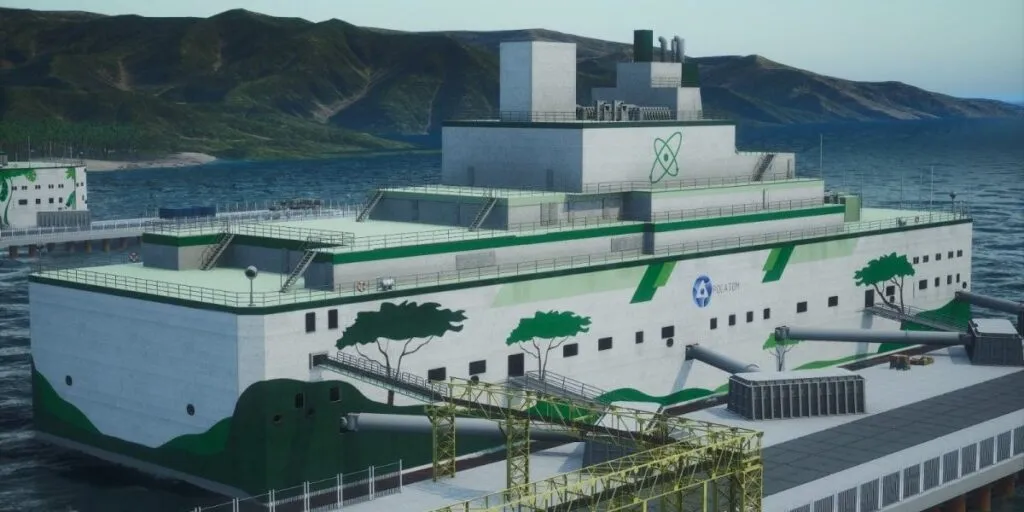
Moscow is selling it as the "deal of the century", but the power will flow at the earliest five years...
Zaluzhnyi is trusted by 64 percent of respondents, Zelensky by 53 percent - but in a hypothetical first round Zelensky...
Najmeh Amini was arrested at the January protests and has now been sentenced to death over a single post. More...
The law is signed, the deadline is October 18, and nobody in Washington is preparing the sanctions. It seems that...
A routine check-up, 90 minutes on the operating table and the word "adenocarcinoma" said out loud. How many Balkan governments...
More than 1,600 new names on Europe's blacklist, against 4.8 million tonnes of Russian diesel that Trump is letting onto...
One person killed next to the European Parliament building, a police officer shot in the head in the suburb of...
This site uses cookies - is that okay? Learn more
Be the first to know when Metla launches something new
Leave your email and we will write when there is a new guide or something new on Metla.


