

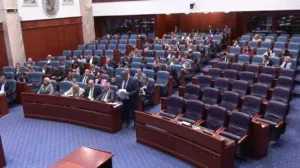
Two failing grades and you're out: parliament brings in automatic dismissal for civil servants, but who will write the appraisals?
20.10.2026


20.10.2026
20.10.2026
20.10.2026
20.10.2026
20.10.2026
20.10.2026
20.10.2026
20.10.2026

19.10.2026

20.10.2026
20.10.2026

19.10.2026
20.10.2026

20.10.2026

20.10.2026

20.10.2026

19.10.2026

18.10.2026

20.10.2026

20.10.2026

20.10.2026
20.10.2026

20.10.2026

20.10.2026
20.10.2026
19.10.2026

18.10.2026
20.10.2026
19.10.2026

17.10.2026

23.04.2026

23.04.2026

12.04.2026

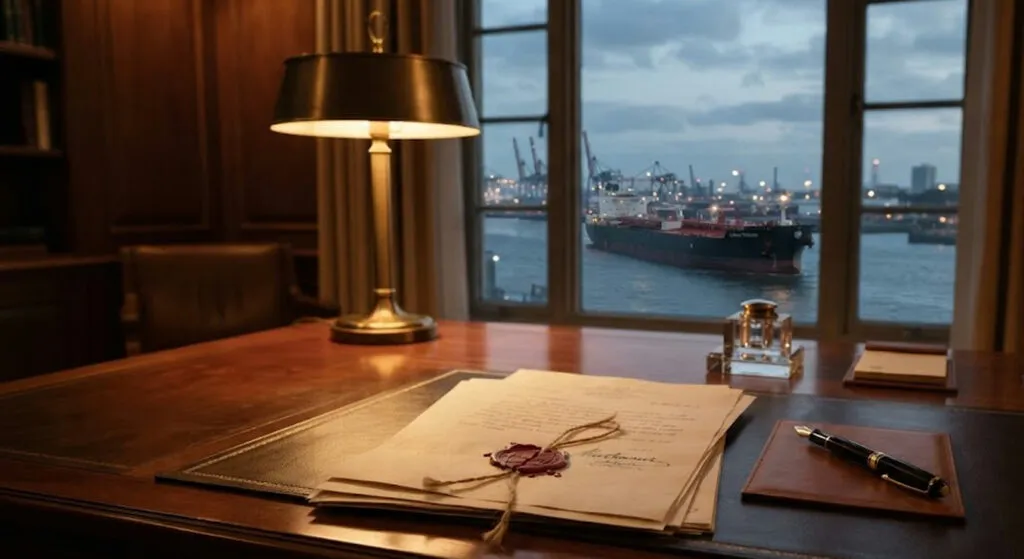
US President Donald Trump announced on Friday that he is lifting a large part of the sanctions, restrictions and tariffs linked to Russia. The timing is almost theatrical: the measures were due to take effect within days, under a law Trump himself signed last month.
The same man who put his signature on it a month ago is now suspending it by executive order. The document published by the White House says the waiver is "in the national interest of the United States of America." Why it is in the national interest, the order does not explain. The waiver will remain in force until the administration judges that "further steps are needed."
What actually ended up in the drawer
The law, known as the Graham law after former senator Lindsey Graham, who pushed for a hard line on Moscow and died in July, provided for tariffs of up to 100 percent on goods from the five biggest importers of Russian crude oil and gas. That is exactly the money the Kremlin uses to finance the war. Oil and gas are Russia's wallet - and Washington has just left it wide open.
In Moscow they are not hiding their satisfaction. Kirill Dmitriev, head of Russia's sovereign investment fund, called the move "an important and truly historic moment" and added that "economic cooperation between Russia and the US serves the interests of both nations." When the Kremlin celebrates, you don't have to look far to see who won.
In Washington, meanwhile, a storm. Democratic Senator Elizabeth Warren called the move "a sad and predictable failure of leadership" and said Trump is thereby allowing Vladimir Putin to continue his aggression. Congressman Don Beyer wrote that "the latest capitulation to Putin" is yet another betrayal of Ukrainian partners. Senator Richard Blumenthal, one of the law's authors, was even sharper: the waivers "have nothing to do with our national security and everything to do with currying favour with Vladimir Putin."
A week in which Kyiv was left alone
The decision came at the end of a turbulent week in US-Ukraine relations. Earlier, Trump surprised European leaders with a deal allowing exports of Russian diesel - after which Zelensky said he felt betrayed. According to sources, the White House pressed Kyiv hard to stop attacking Russian oil facilities, in order to bring oil prices down before the congressional elections. Ukraine first agreed, but then resumed the attacks, while Russia spent the whole week striking Ukrainian energy infrastructure.
Zelensky claims his government received "no early warning from partners" before the devastating ballistic missile strike on a large power plant in Kyiv and on a residential building. Trump says the US has not stopped sharing intelligence. Ukrainian authorities, for their part, say they were caught off guard by restrictions on the military version of Elon Musk's Starlink, which disrupted drone operations and early warning systems. According to US media, Kyiv has also run out of missiles for the Patriot air defence system - one of the few weapons that can shoot down a ballistic missile.
Trump himself left no room for interpretation in a TV interview: "I find Zelensky harder to work with than Putin." At the same time he blames the war in Ukraine for rising fuel prices - steering attention away from his own war in Iran, which remains deeply unpopular with American voters.
Europe, meanwhile, is heading in the opposite direction. EU leaders announced work on a 22nd sanctions package against Russia and said pressure on Moscow will grow if Putin does not stop the war. At the summit in Belgium, Zelensky praised the continent's "real leaders" - a message that is hard to read as anything other than a jab at Washington.
The Balkans have seen up close what deals made over the heads of the people they concern look like. So the question is not whether Trump and Putin will strike a deal. The question is who will be sitting at the table when they do?
The latest 10 news from this category
Washington is proposing that Europe buy Russian gas again as part of peace for Ukraine, and Moscow already says "the...
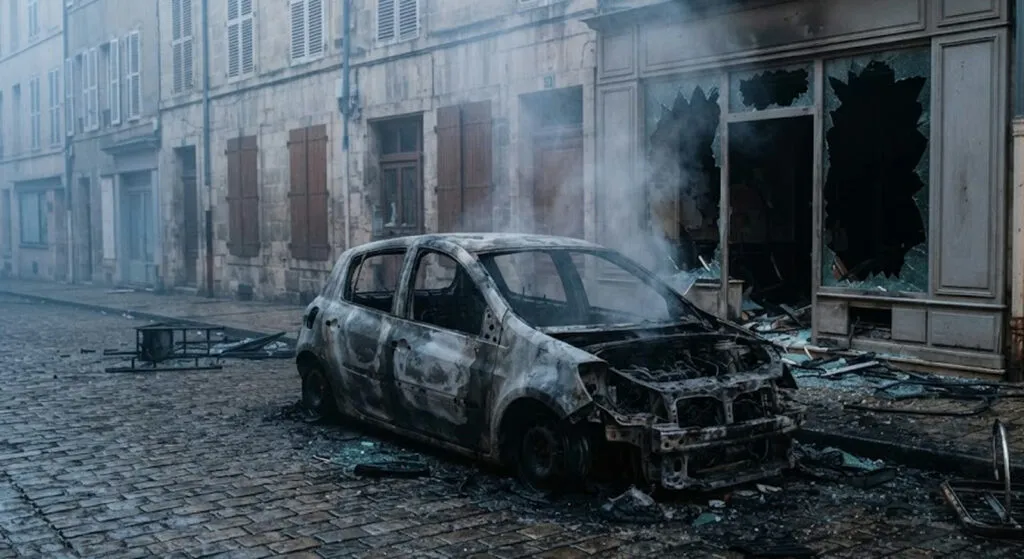
More than half a million people on the streets, 1,500 shops wrecked or looted and seven police officers seriously injured...
The man whose country gave Gruevski asylum is now in opposition and talking about "resistance", while Hungary's new prime minister...
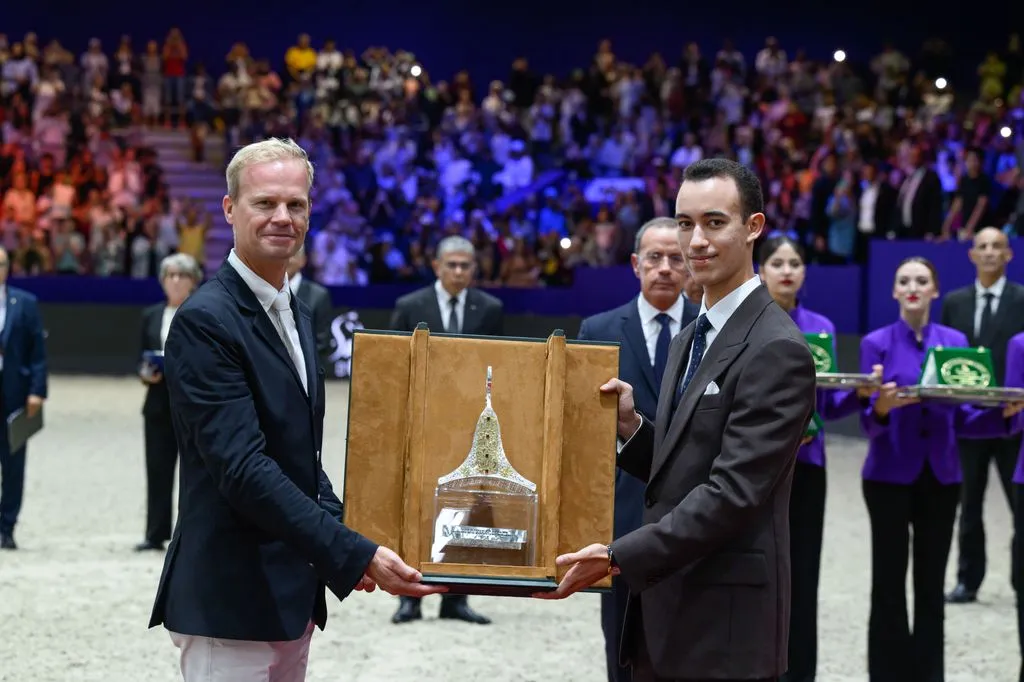
European crown princes cut ribbons. Morocco's is already a coordinator at the General Staff and sits in on the meetings...
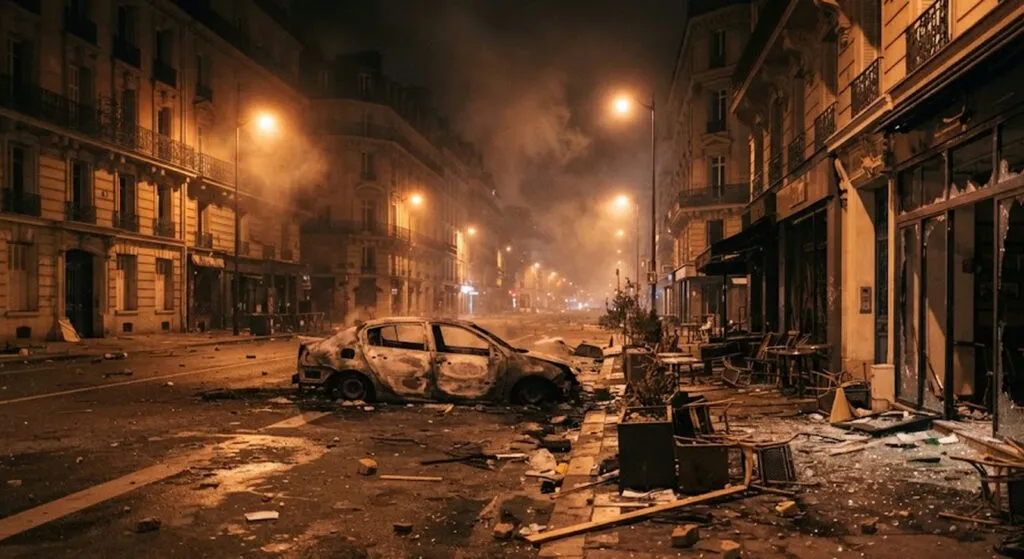
The wave of anger over the cost of living started in Madrid and Paris, and now it is burning in...
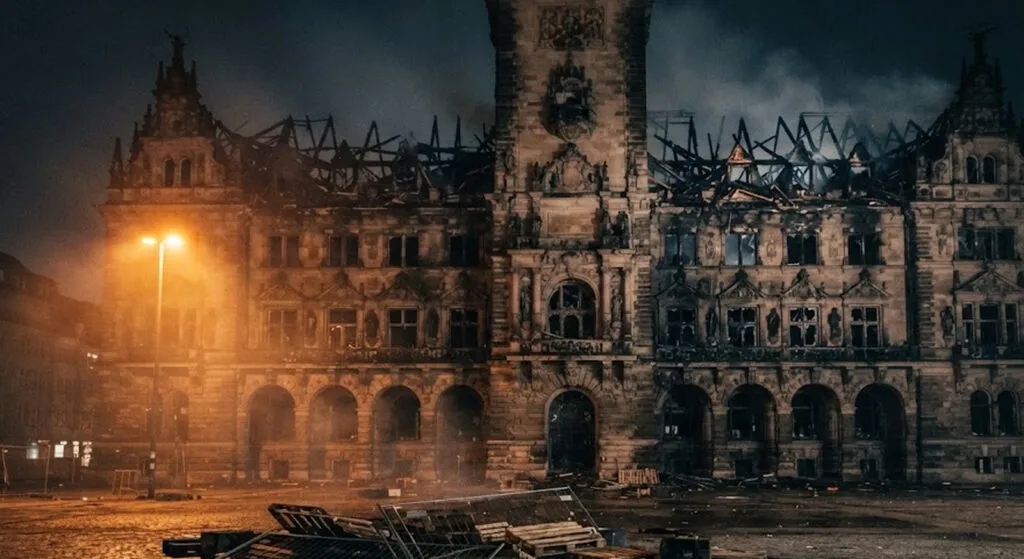
The French ministry counts 550,000 protesters, the CGT union 800,000, and JD Vance made his diagnosis from across the Atlantic...
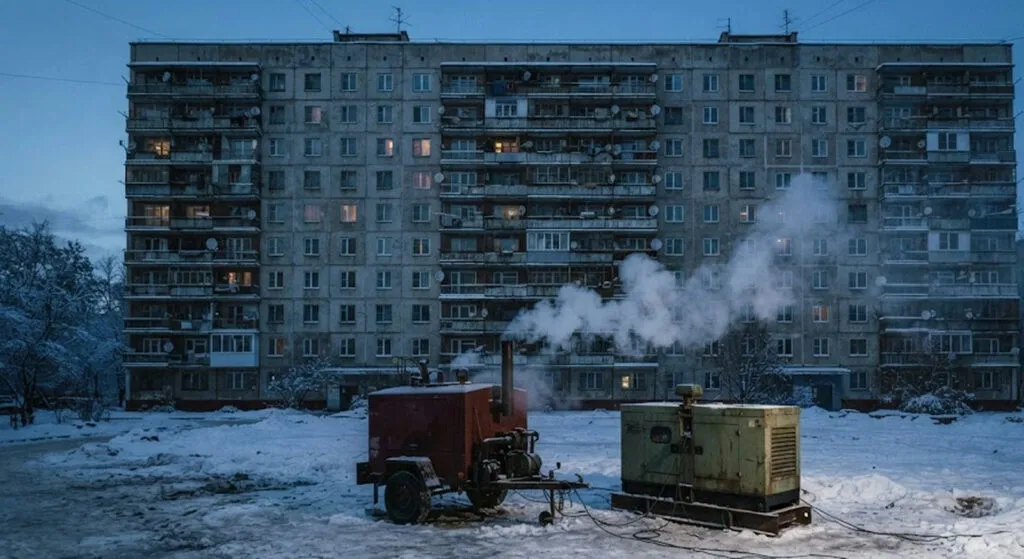
Missiles are hitting power plants, and the president and the mayor are trading accusations in front of parliament. Sound familiar...
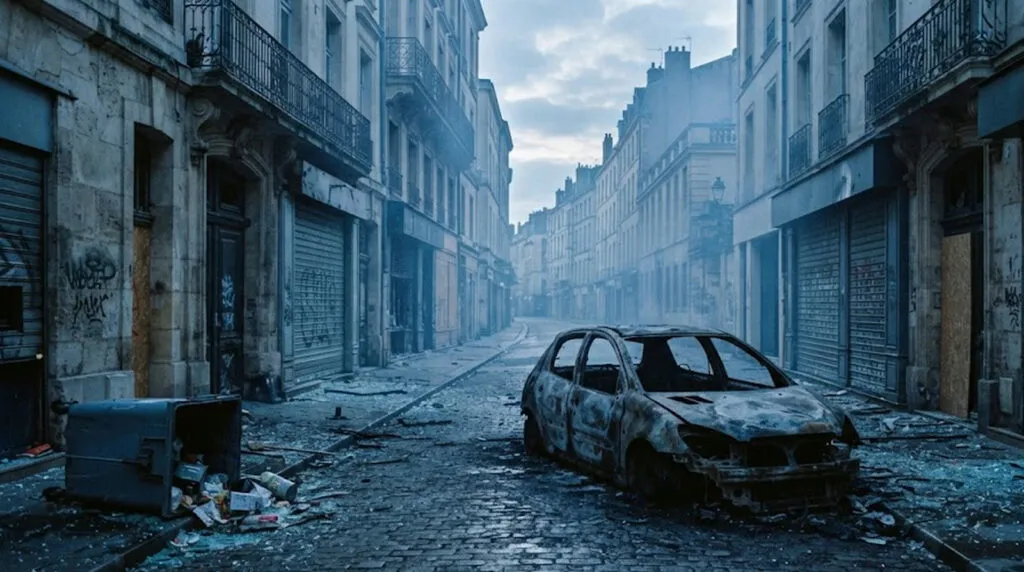
More than half a million French people marched against the cost of living, but the headlines were taken by masked...
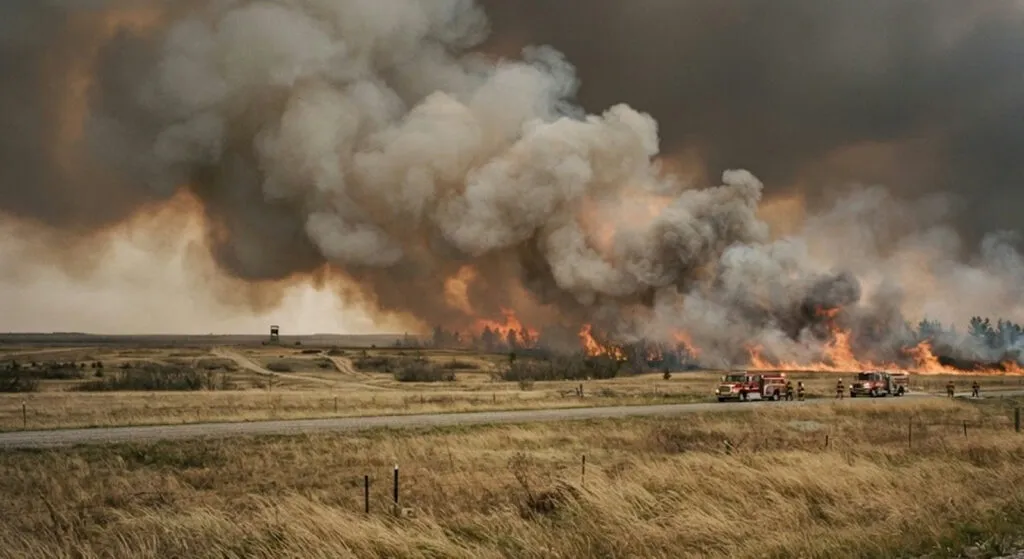
The defence minister confirmed there are dead, but said neither how many nor why. An emergency doctor says the health...
EU leaders spent two days in Brussels and couldn't even agree on how much money the Union will have at...
This site uses cookies - is that okay? Learn more
Be the first to know when Metla launches something new
Leave your email and we will write when there is a new guide or something new on Metla.


