

Two failing grades and you're out: parliament brings in automatic dismissal for civil servants, but who will write the appraisals?
20.10.2026


20.10.2026
20.10.2026
20.10.2026
20.10.2026
20.10.2026

20.10.2026
20.10.2026
20.10.2026

19.10.2026

20.10.2026

20.10.2026

19.10.2026

20.10.2026

20.10.2026

20.10.2026

20.10.2026

19.10.2026

18.10.2026

20.10.2026

20.10.2026

20.10.2026
20.10.2026

20.10.2026

20.10.2026
20.10.2026
19.10.2026

18.10.2026
20.10.2026
19.10.2026
17.10.2026

23.04.2026

23.04.2026

12.04.2026

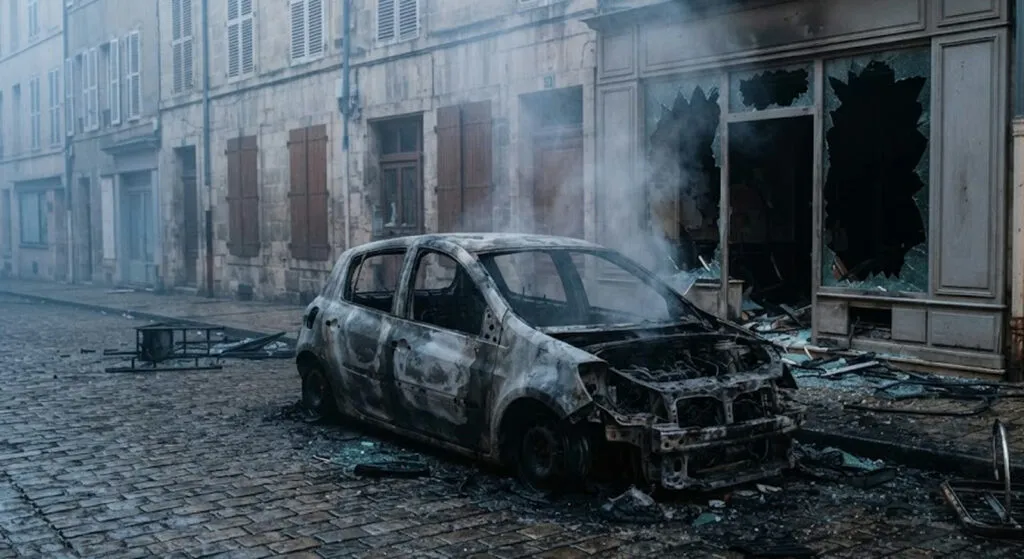
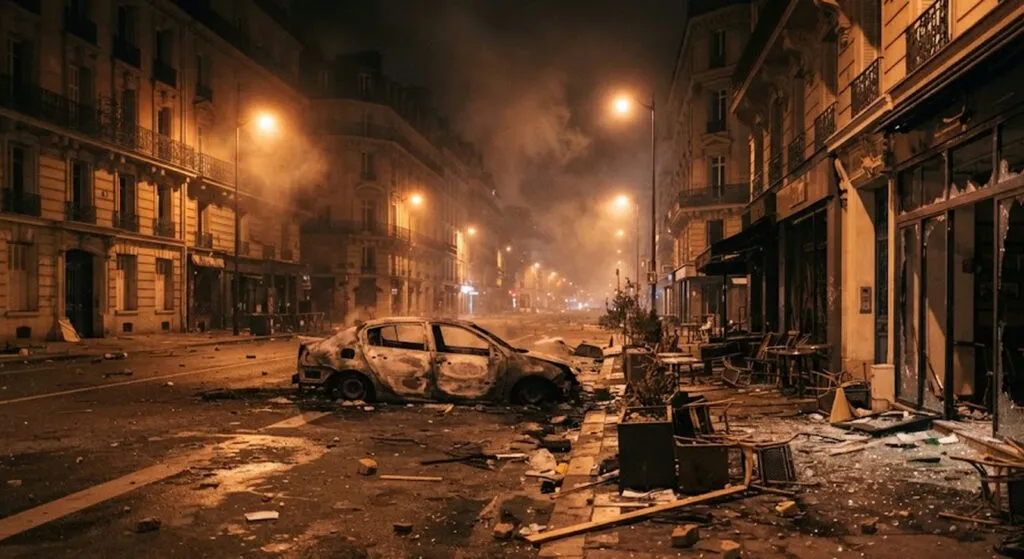
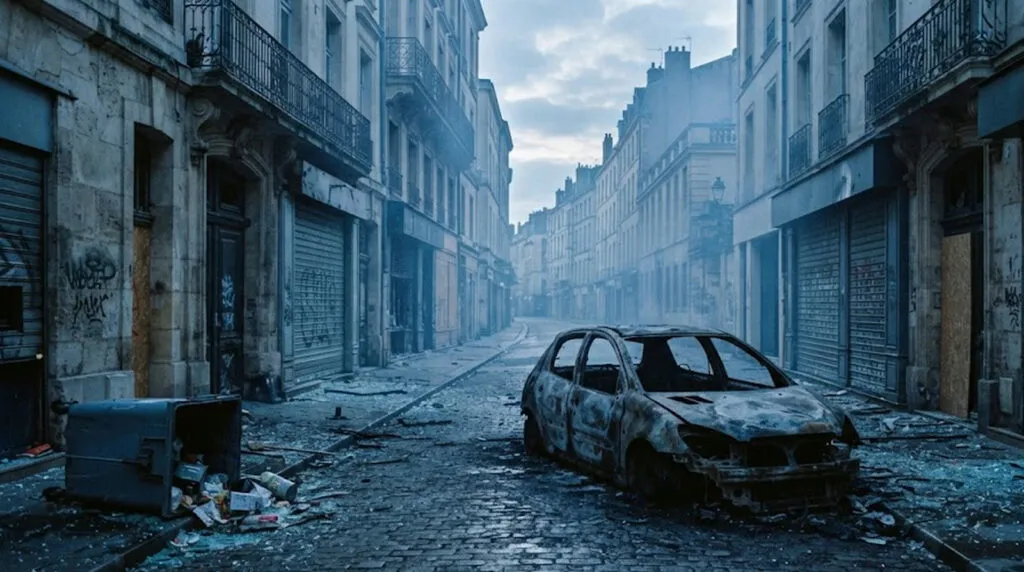
France is waking up among smashed shop windows and the charred shells of cars, after the most serious and violent unrest in several years. Mass anti-government protests turned into street clashes, arson and looting across the country, and politicians immediately launched a war of accusations.
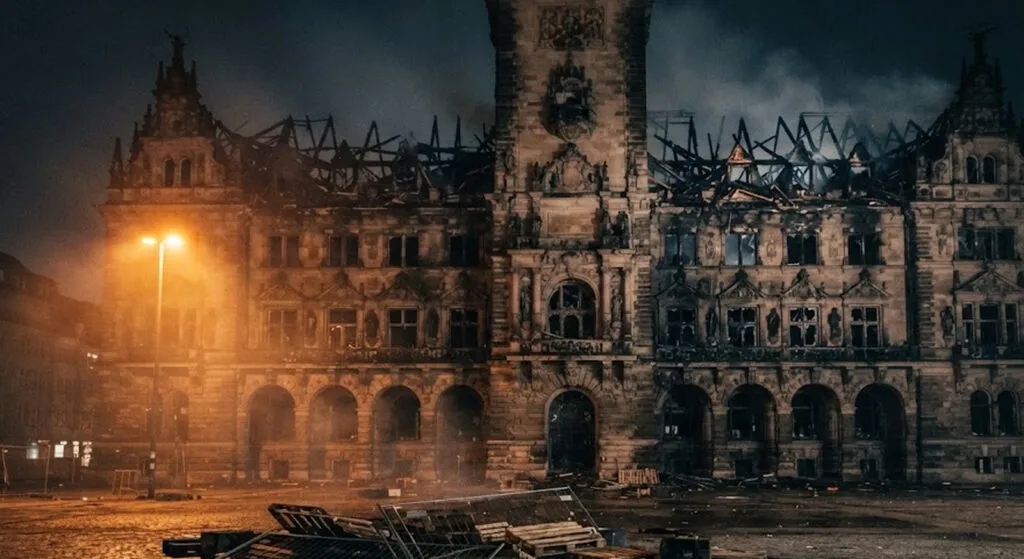
According to the French Interior Ministry, more than half a million people took to the streets in 110 cities on Saturday. The CGT union claims there were as many as 800,000. Most gatherings passed off peacefully, but rioters completely wrecked or looted around 1,500 shops and business premises. In Limoges an arson attack almost destroyed the 143-year-old town hall, a building that survived the Second World War. In Marseille masked demonstrators stormed the local government building and smashed the bust of Marianne, the national symbol of the Republic.
The toll: one demonstrator in Paris died of a heart attack, around two thousand people were arrested, and more than 600 police officers were injured, seven of them seriously. Scenes in central Paris resembled a war zone, and guests and tourists were evacuated from hotels around Place de la République.
It started in the classrooms
None of this began with barricades. It began with classrooms. Last month secondary school students walked out over the disastrous state of French schools: crumbling buildings, overcrowded classes, overloaded timetables, a chronic shortage of teachers and staff, and systematic underfunding. They are also demanding the immediate scrapping of the state university admissions platforms, which they see as unfair and overly selective. The protests radicalised quickly - teenagers blockaded hundreds of secondary schools, at least 24 schools were set on fire or badly damaged, and thousands of young people have been detained since early September.
The anger exploded over the brutal police response. Prosecutors and the police watchdog are investigating at least 34 cases of serious abuse of police powers. Among the worst are a fifteen-year-old whose left hand was blown apart by a police stun grenade and a fourteen-year-old badly maimed after an officer hit him at close range with a tear-gas canister. When a state answers children asking for teachers with stun grenades, who has really lost control?
In October the students were joined by trade unions, environmental groups and civic initiatives. The French are angry about the rising cost of living and soaring fuel prices, pushed even higher by the war in Iran. Farmers squeezed by rising production costs also took to the roads. On social media, groups linked to the former "Yellow Vests" have become active again.
Macron threatens, Le Pen waits
President Emmanuel Macron rejected the resignation of Interior Minister Laurent Nuñez to preserve the chain of command and, in an address to the nation, warned that the state would ban protests outright if necessary. Prime Minister Sébastien Lecornu accused the radical left, above all the France Unbowed party, of deliberately turning students against the police. Its leader Jean-Luc Mélenchon shot back that Lecornu is personally to blame for the chaos - either through incompetence or through a deliberate strategy of unrest designed to justify a firm hand and distract from the collapse of the public finances.
The unrest is pushing France, the European Union's second-largest economy, into a deep social and fiscal crisis. The government is trying to force an unpopular budget with sharp cuts through parliament, and the main beneficiary is far-right leader Marine Le Pen, the favourite in every poll for next spring's presidential election. A government that answers anger on the streets with a threatened ban instead of an answer - will Paris pay for that lesson at the ballot box?
The latest 10 news from this category
Washington is proposing that Europe buy Russian gas again as part of peace for Ukraine, and Moscow already says "the...
The man whose country gave Gruevski asylum is now in opposition and talking about "resistance", while Hungary's new prime minister...
European crown princes cut ribbons. Morocco's is already a coordinator at the General Staff and sits in on the meetings...
Days before they were due to take effect, Trump put the measures against Russian oil and gas in a drawer....
The wave of anger over the cost of living started in Madrid and Paris, and now it is burning in...
The French ministry counts 550,000 protesters, the CGT union 800,000, and JD Vance made his diagnosis from across the Atlantic...
Missiles are hitting power plants, and the president and the mayor are trading accusations in front of parliament. Sound familiar...
More than half a million French people marched against the cost of living, but the headlines were taken by masked...
The defence minister confirmed there are dead, but said neither how many nor why. An emergency doctor says the health...
EU leaders spent two days in Brussels and couldn't even agree on how much money the Union will have at...
This site uses cookies - is that okay? Learn more
Be the first to know when Metla launches something new
Leave your email and we will write when there is a new guide or something new on Metla.


