


The Two Survivors of Staro Nagoricane Testified: "He Beat Me for a Full Hour" - and the Experts Wrote That the Risk of Repetition Is High
01.09.2026


01.09.2026

01.09.2026

01.09.2026

01.09.2026

01.09.2026

01.09.2026

01.09.2026

31.08.2026

30.08.2026

01.09.2026

01.09.2026

31.08.2026

01.09.2026

01.09.2026

01.09.2026

01.09.2026

31.08.2026

30.08.2026

01.09.2026

01.09.2026

01.09.2026

01.09.2026
31.08.2026

30.08.2026

09.03.2026

27.02.2026

19.02.2026

31.08.2026

30.08.2026

29.08.2026

23.04.2026

23.04.2026

12.04.2026

At the start of 2022, Bolt was worth 11 billion dollars. Today it is worth 300 million - a 97 percent drop. The online payment processing company is now raising bridge financing of at most 27 million dollars, which is less than half a percent of its old valuation.
Ryan Breslow, who founded the firm in 2014 aged 19 after dropping out of Stanford, returned as chief executive last year following a series of legal battles with investors. He is not giving up. "I believe in Bolt more than anyone can imagine. I believe Bolt is worth saving," he said.
He backed that statement with his own money - 5 million dollars going into the round personally. The rest is supposed to come from existing investors, and that is where the more serious part of the story begins.
The round carries a "pay to play" clause. Any of the roughly one hundred existing investors who does not take part now loses a large share of their stake. That is not an invitation, it is an ultimatum - and it usually gets written when a founder is not confident the money will arrive on its own. Breslow estimates at least 15 million will be raised, but admits not everyone is expected to join.
Bridge financing is short-term money to reach the next big round, and it is taken for two reasons: either the company is doing well and needs six to twelve months to hit its next target, or it is running out of cash. Breslow declined to say how much money Bolt has left. He claims it is approaching profitability and returning to growth after years of declining revenue.
The announcement says the money will also serve to "clean up legacy obligations". Asked what exactly that means, Breslow did not answer. When a company describes its own debts as inherited - inherited from whom, if the founder is the same man?
This comes two years after an attempted 450-million-dollar round at a 14-billion valuation. That deal collapsed after existing investors, including BlackRock and Hedosophia, filed suit to block it - once it emerged that one investor listed as a lead backer denied taking part at all, and another offered 250 million dollars in "marketing credits" instead of cash. The lawsuit was later withdrawn by all sides. This time, Breslow says, the board and a majority of preferred shareholders approved the round.
The number that says the most is not one of the billions: in 2021 Bolt had 900 employees, today it has around 60. Breslow presents that not as a problem but as an advantage - artificial intelligence, he says, makes the company more efficient: "We are doing probably ten times more, shipping ten times faster because of AI." Anyone who has laid off 93 percent of their people would want that sentence to be true.
His ambition remains large: "I think we can be the Lyft to Stripe's Uber." Note the modesty in the comparison - Lyft is second, not first. He has friends, he says, who offered him 10 million dollars each to start something new and leave this nightmare behind. He does not want to.
The latest 10 news from this category

A startup with 65 people opens a factory to compete with Chinese electric vehicles. The co-founder says the idea of...
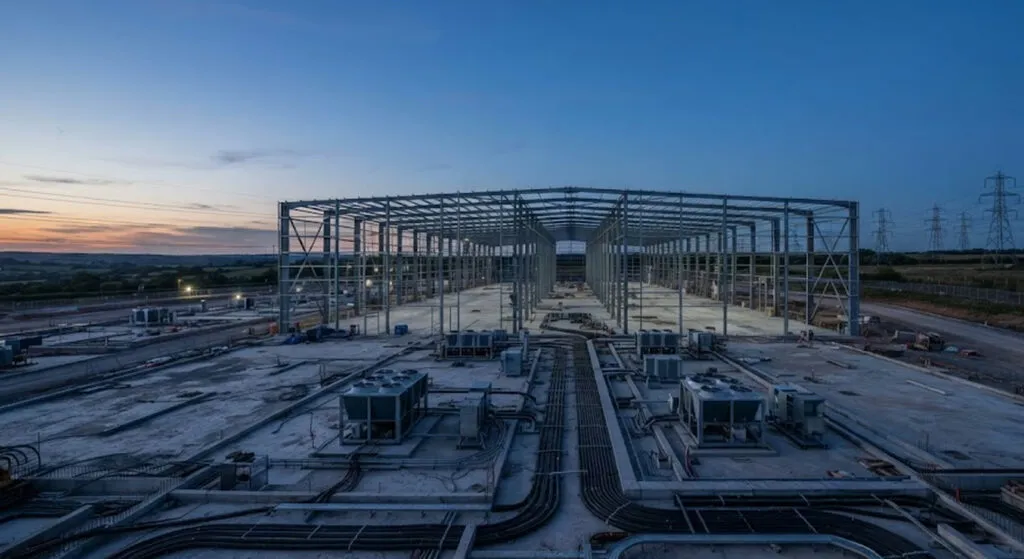
The fund that spent years making money on code is now investing in cooling, electricity and land. When a private...

Ten million people, and the companies keep coming one after another. A Stockholm investor explains it with something no ministry...
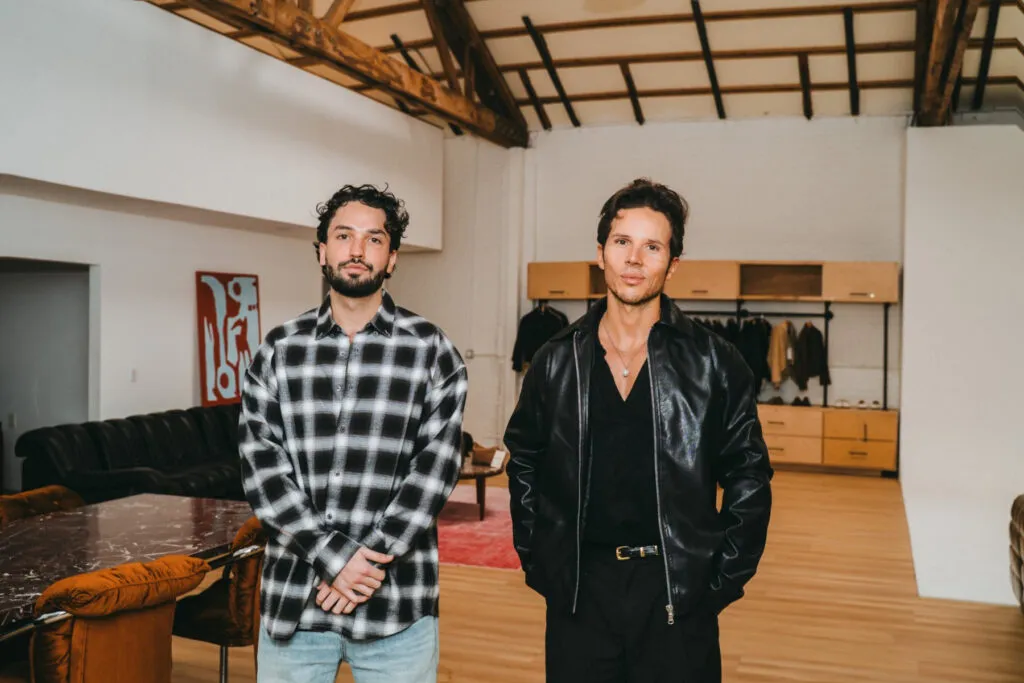
An Italian leather bag for a few hundred dollars instead of a few thousand. The difference is not the quality,...

African startups raised 930 million this year against 1.16 billion last year - and across half as many deals. The...
When your potential litigants come in as your investors, the copyright dispute gets settled in the boardroom rather than the...

Oura is heading to the stock market at a valuation five billion higher than last year. The same week, a...

Fifty million dollars in seed capital, twelve employees and a 27-billion-parameter model that beat the frontier systems. And the founder...

A startup that grew out of a university lab in 2020 now has orders from private companies and from the...
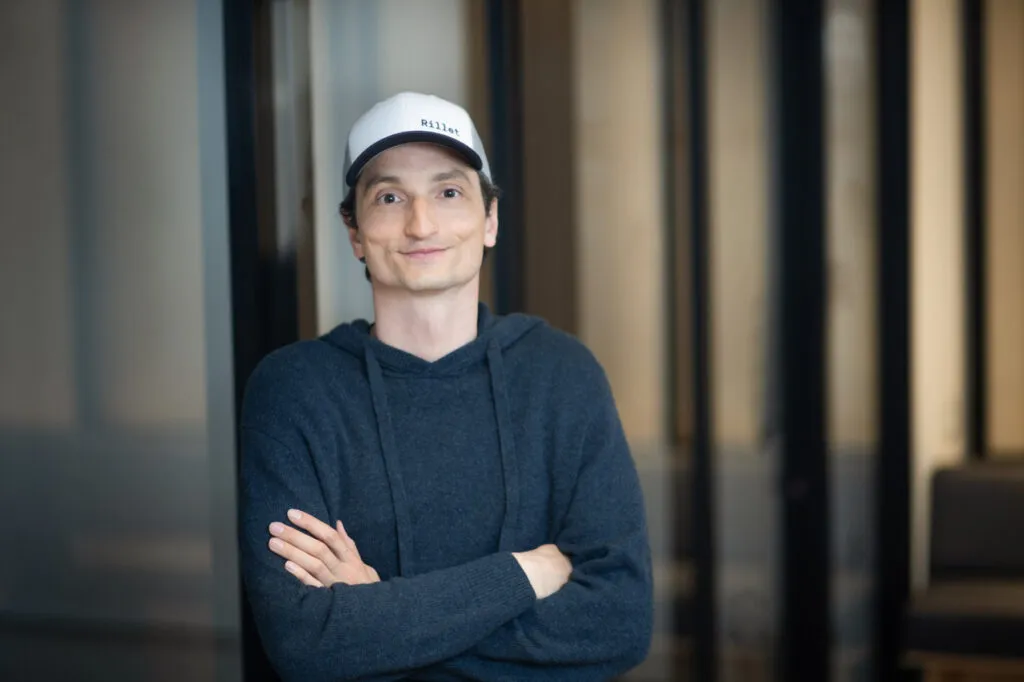
The company was not seeking investment - the board met, messages started flying and two days later it was worth...
This site uses cookies - is that okay? Learn more
Be the first to know when Metla launches something new
Leave your email and we will write when there is a new guide or something new on Metla.
