


Inmate Electrocuted Inside Idrizovo Prison: Who Ran a Live Wire Anyone Could Touch?
31.08.2026


31.08.2026

31.08.2026

31.08.2026

31.08.2026

31.08.2026
31.08.2026

31.08.2026

30.08.2026

29.08.2026

31.08.2026

31.08.2026

30.08.2026

31.08.2026

31.08.2026

31.08.2026

31.08.2026

30.08.2026

29.08.2026

31.08.2026

31.08.2026

31.08.2026

31.08.2026

30.08.2026
30.08.2026

09.03.2026

27.02.2026

19.02.2026

31.08.2026

30.08.2026

29.08.2026

23.04.2026

23.04.2026

12.04.2026
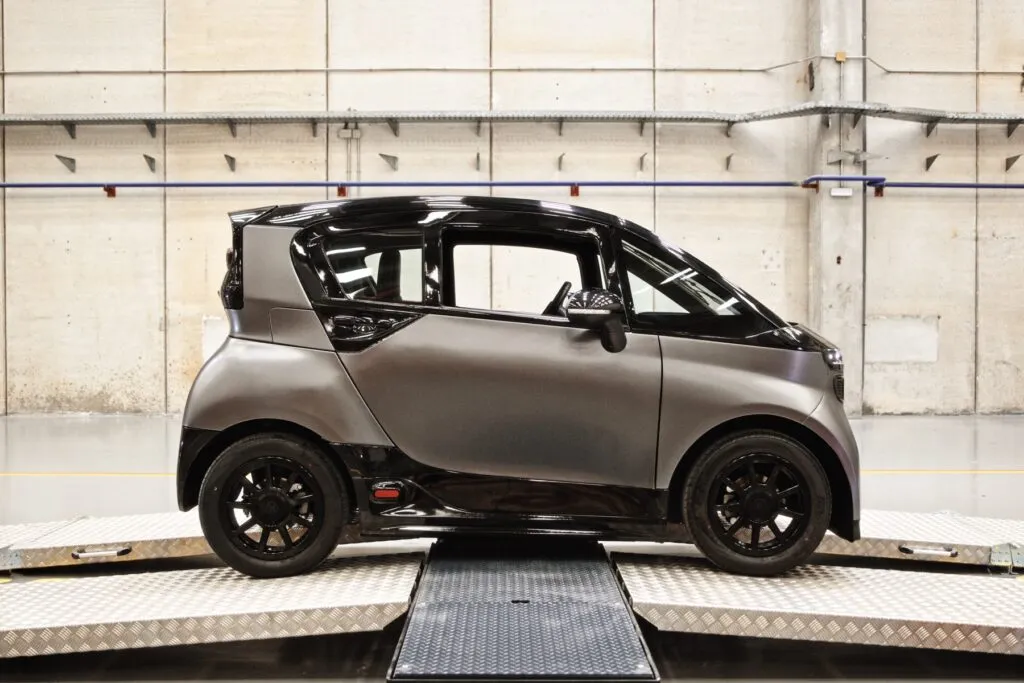
In Azuqueca de Henares, not far from Madrid, Spain's first new car factory in more than 30 years has opened. Not by Volkswagen, and not by Stellantis. It is opened by Liux - a startup with 65 employees and a total of 16 million euros raised, some of it European money.
The product is called Liux Big and it is not a car in the classic sense. It is homologated as an L7e - a light four-wheeler category, somewhere between a quadricycle and a real city car. A 260-litre boot, a battery of 15 or 20 kilowatt-hours, a price under 18,000 euros before state subsidies. Sales should start in the first half of 2027, and the waiting list already holds over 7,500 people.
The most interesting part is not the price but the body. It is made from a biocomposite based on flax instead of standard glass-fibre-reinforced plastics. Flax was not chosen for sustainability marketing - it was chosen because the material can be separated and used again.
"When you build something, you have to try to preserve the integrity of the material and the components so that a second life is possible," says co-founder Antonio Espinosa de los Monteros. He and co-founder David Sancho frame the whole company around that - recycling, as Espinosa puts it, is not a concept from a laboratory.
But his sharpest line is the other one: "The idea of a European car does not exist." That comes from a man opening a factory in Europe right now to compete with Chinese electric vehicles entering the same cities at prices European manufacturers struggle to match. It is either a sober diagnosis or the best possible marketing for a company that wants to fill that gap. Probably both.
Who this is for
Not car enthusiasts. The average person on the waiting list is 55 to 60 years old and lives in a city. This is a vehicle for someone who drives to the market, to the clinic and back, and for whom four doors and three hundred horsepower are an unnecessary expense. Two more versions are planned - an off-road and a cargo model.
Projected capacity is 20,000 vehicles a year by 2030. For comparison, that is a quantity the larger Chinese manufacturers ship in a few weeks. So Liux is not trying to beat them - it is trying to find the slice of the market that is too small to interest them.
The question left open for every driver in this region: when will a car like this reach our streets at a price that makes sense, and will it arrive at all before the Chinese competition already spreading across Europe? So far, the small urban electric car here is more theory than showroom offer.
The latest 10 news from this category
The fund that spent years making money on code is now investing in cooling, electricity and land. When a private...

Ten million people, and the companies keep coming one after another. A Stockholm investor explains it with something no ministry...

An Italian leather bag for a few hundred dollars instead of a few thousand. The difference is not the quality,...

African startups raised 930 million this year against 1.16 billion last year - and across half as many deals. The...

When your potential litigants come in as your investors, the copyright dispute gets settled in the boardroom rather than the...
Oura is heading to the stock market at a valuation five billion higher than last year. The same week, a...

Fifty million dollars in seed capital, twelve employees and a 27-billion-parameter model that beat the frontier systems. And the founder...
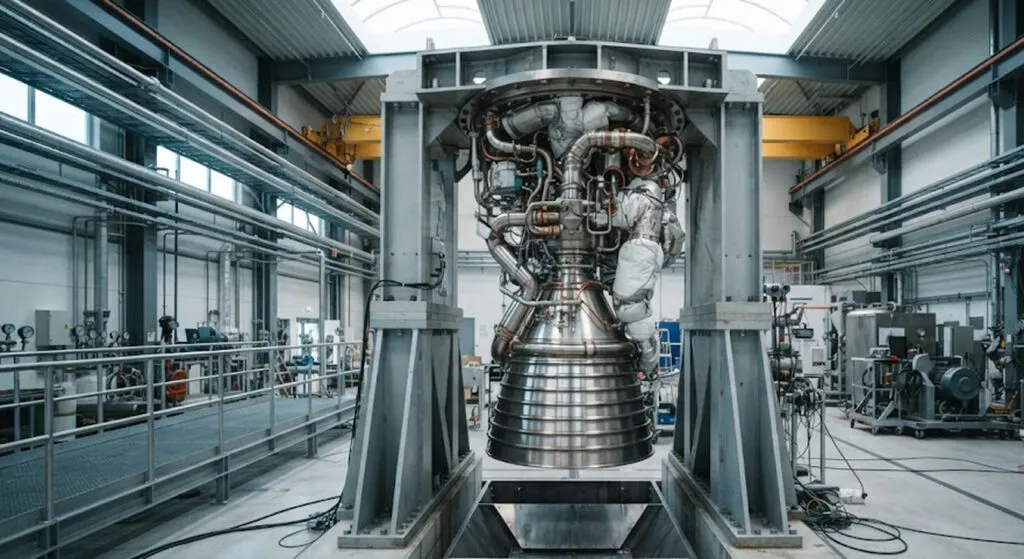
A startup that grew out of a university lab in 2020 now has orders from private companies and from the...

The company was not seeking investment - the board met, messages started flying and two days later it was worth...
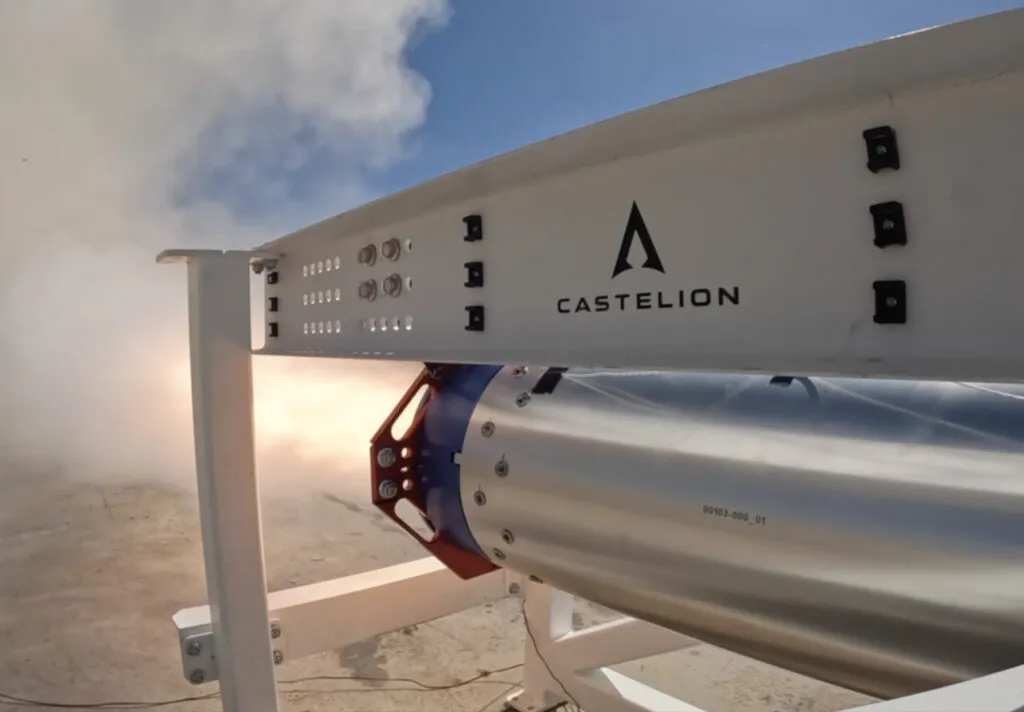
Founded by people who came from SpaceX, the company builds hypersonic weapons faster and cheaper than the traditional defence contractors....
This site uses cookies - is that okay? Learn more
Be the first to know when Metla launches something new
Leave your email and we will write when there is a new guide or something new on Metla.
