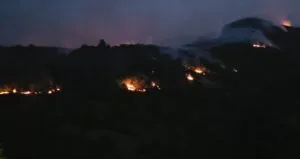
Twenty-one fires in a single day: the record nobody wanted to break
13.08.2026



13.08.2026

13.08.2026

13.08.2026

13.08.2026
12.08.2026

12.08.2026

13.08.2026

13.08.2026

12.08.2026

13.08.2026

13.08.2026

13.08.2026

13.08.2026

12.08.2026

11.08.2026

13.08.2026

13.08.2026

13.08.2026

13.08.2026

13.08.2026

12.08.2026

09.03.2026

27.02.2026

19.02.2026

13.08.2026

12.08.2026

11.08.2026

23.04.2026

23.04.2026

12.04.2026
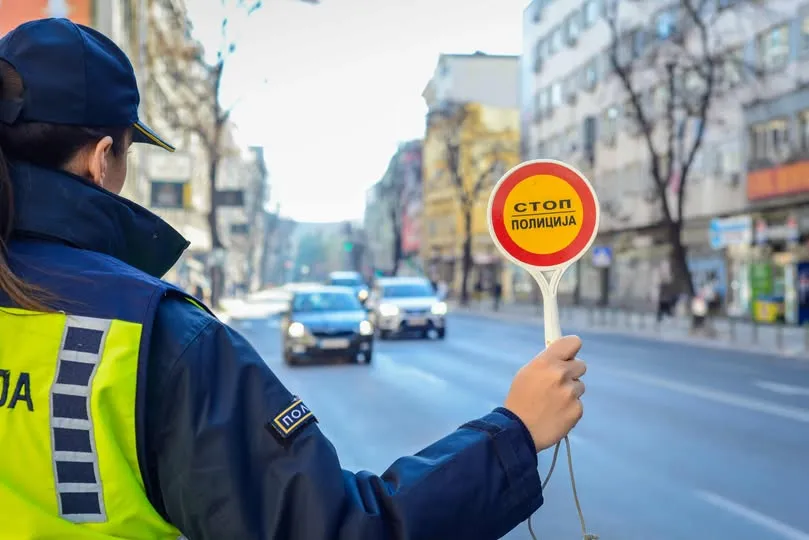
Five hours of enforcement, from 4pm to 9pm, across the entire country. Result: 115 drivers sanctioned for illegal overtaking. Plus another 224 traffic violations recorded in that same five-hour window. That is three hundred and thirty-nine offences in a single afternoon.
The regional breakdown is the part worth reading closely. The most sanctions - 35 - fell in the Tetovo police region. Right behind it is Ohrid with 34, and Bitola with 19. So nearly two thirds of all overtaking fines in the whole country were collected in three areas.
The wider picture from the previous two days is even more telling. On 10 and 11 August police issued 1,322 payment orders. Of those, 400 were for inappropriate speed. Thirty-two people were detained for reckless driving: three for driving under the influence of alcohol, 15 for driving without a licence, one because of a previously imposed driving ban. Thirteen vehicles were seized under article 300-b of the criminal code.
The list goes on: 302 violations for illegal parking, 16 sanctions for drink-driving, 106 motorcyclists without a helmet, 67 road users without a seatbelt. Eight vehicles were pulled off the road for being unregistered, two for being technically unfit, five drivers fined for tinted windows.
What the numbers we do not have are saying
The interior ministry announces the catch - and fair enough. What is missing is the other column: how many of these 1,322 orders will be collected, and how many will expire in a drawer somewhere. Because the driver pulled over in Tetovo yesterday knows the answer better than any road-safety campaign does. If a fine has a realistic chance of never being collected, it is not a penalty - it is paperwork.
One hundred and six motorcyclists without helmets in two days is not a statistic about road safety. It is a statistic about how seriously enforcement is taken when there is none in sight. The checks, the ministry says, continue in the coming days. The question is what happens to those same roads on the days they do not.
The latest 10 news from this category
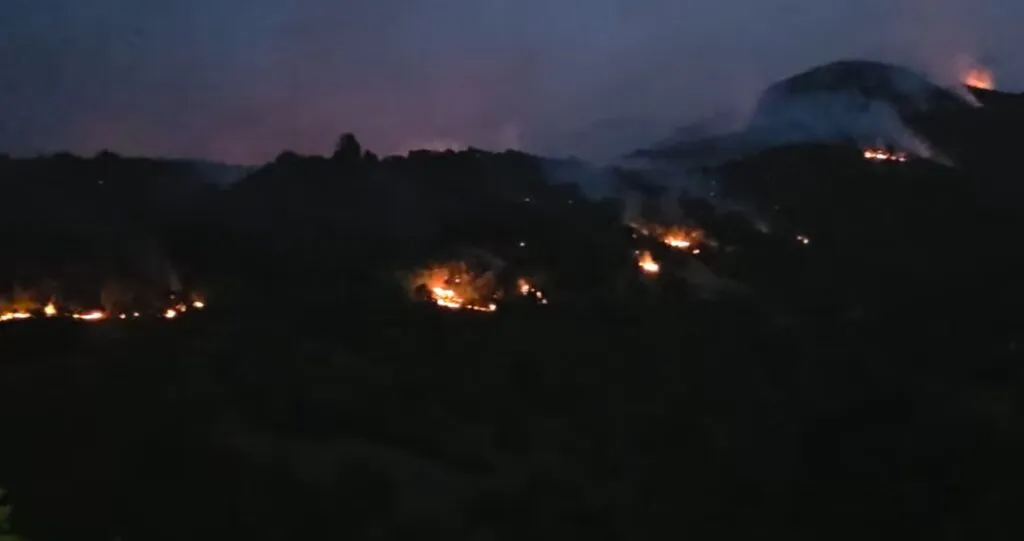
The crisis management centre logged 21 active fires in one day - the highest figure this season. At Ramni Gaber...
Sentenced to around 28 and a half years, already extradited from Kosovo once - and let out again. The court...
The president cut 18 months off the sentence of a 71-year-old woman from Zajas. Pardons are a constitutional power -...

Labs showed zero bacteria, and the mayor drank a glass on camera. But the landfill near Rašče has been sitting...
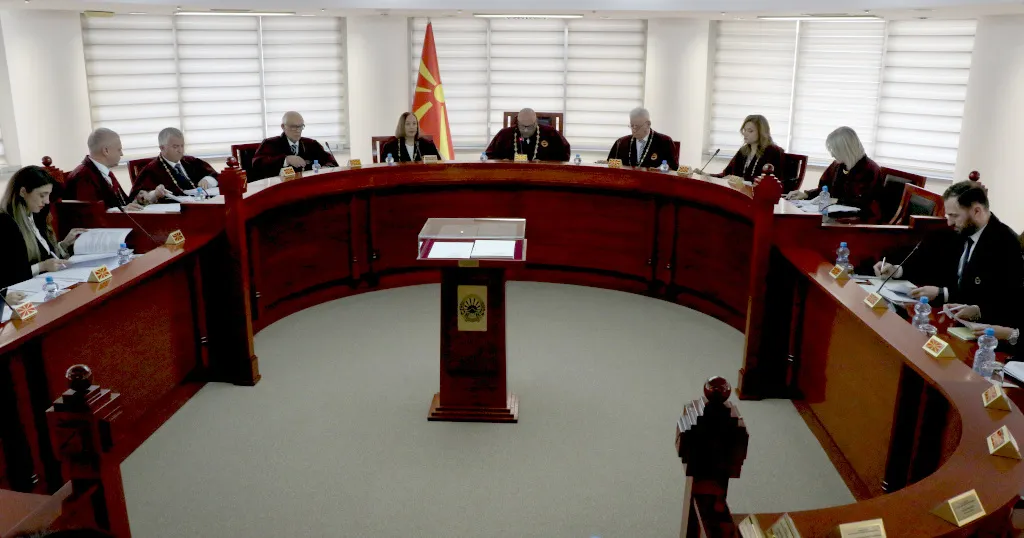
A 2025 ruling simply was not enforced. When the country's top judicial bodies trade press releases, the citizen who won...
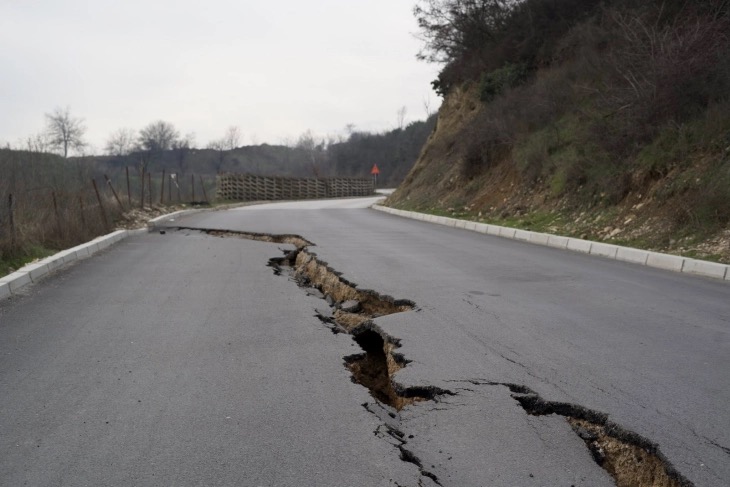
The transport ministry is taking over the landslide after a tender closing on 20 August. The work did not stall...
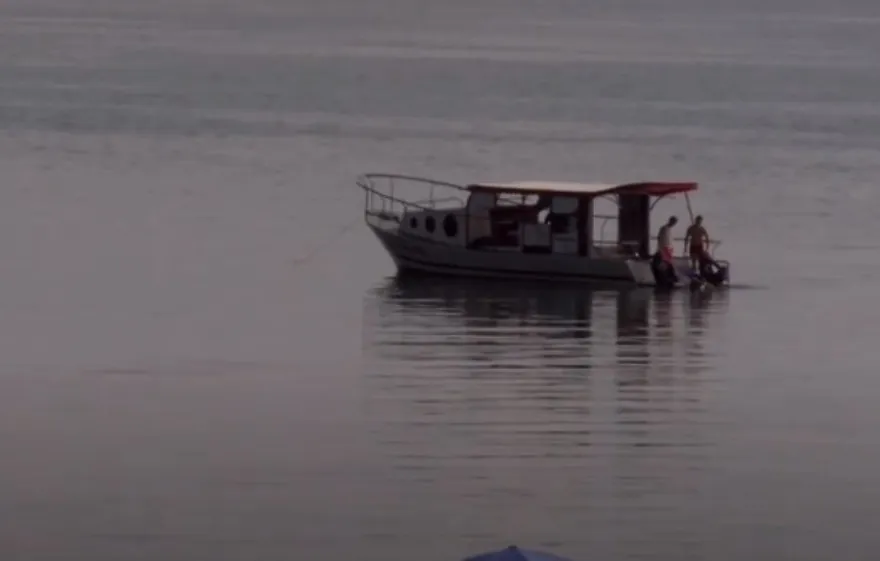
He jumped from a boat near Slivnica after his oars fell into the water. The Tiger unit's diving teams cover...
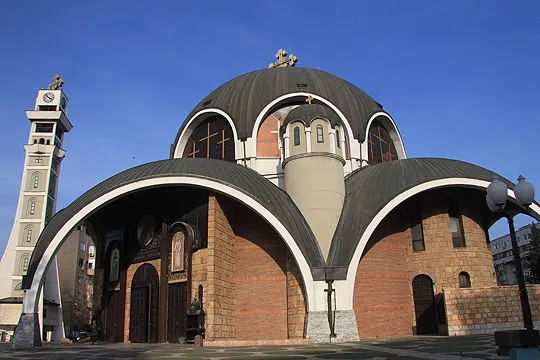
Six thousand places under the domes, a five-tonne chandelier and a facade that took first place in Budapest this year....

Bulgaria wants a minority written into the constitution, Macedonia wants the Strasbourg judgments respected. The question left unanswered is what...
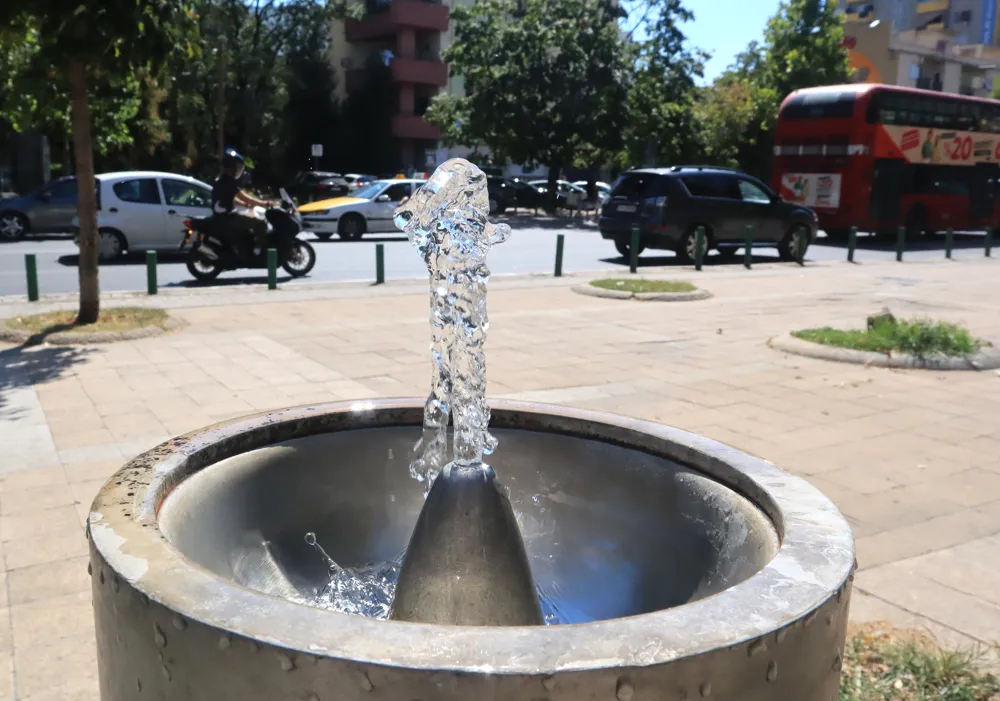
Intestinal infections are rising across the country because of the heat and travel. Yesterday the whole country was talking about...
This site uses cookies - is that okay? Learn more
Be the first to know when Metla launches something new
Leave your email and we will write when there is a new guide or something new on Metla.