

Thirteen hours between the report and the bodies: two Taiwanese nationals found dead in a Skopje flat
03.09.2026


03.09.2026
03.09.2026
03.09.2026
03.09.2026
03.09.2026
03.09.2026
03.09.2026
02.09.2026
01.09.2026

03.09.2026

03.09.2026

02.09.2026

03.09.2026
03.09.2026
03.09.2026

03.09.2026

02.09.2026
01.09.2026
03.09.2026

03.09.2026

03.09.2026

03.09.2026
02.09.2026
01.09.2026

09.03.2026

27.02.2026

19.02.2026
03.09.2026
02.09.2026
01.09.2026

23.04.2026

23.04.2026

12.04.2026
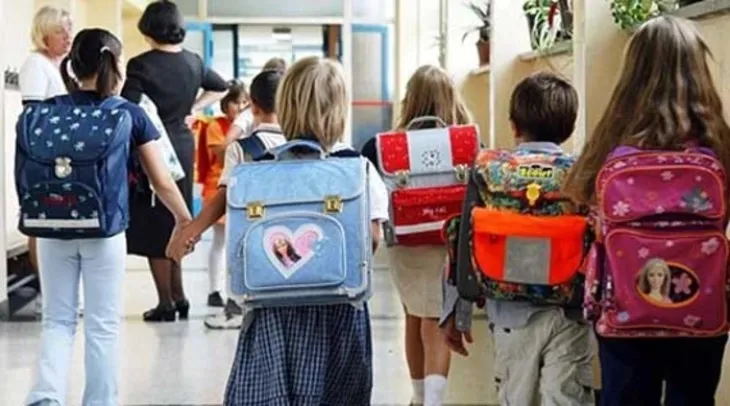
The municipality of Prilep will for the first time pay 3,000 denars for every child enrolled in the first grade at primary schools on its territory. The public call is open from 2 to 18 September 2026, with the conditions, the paperwork and the form published on the municipality's official website.
Three thousand denars. Around 49 euros. For one first-grader, once.
The sum is small, but it is a decision
It is easy to sneer at the figure, and that would be a mistake. School supplies, a backpack, shoes and equipment for the first grade cost many times more, and this payment will not cover even a third of it. But that is not what makes this kind of measure useful or useless.
The difference is that the municipality decided to set money aside on a specific ground, with a published public call, a deadline and a form. Which means there is a document by which anyone can check how many children applied, how many received it and how much was paid out in total. When aid is handed out without a call, no such check exists.
Where this fits
Prilep is not alone. Municipalities across Macedonia handed out more than 4 million euros in financial aid last year on 92 different grounds, according to research by the Centre for Civil Communications. Support for a first-grader is one of the few items that most municipalities have - but the amount is not the same anywhere, ranging from 2,000 to 8,000 denars.
So a first-grader in one municipality gets four times more than a first-grader in another, for the same item, in the same country, in the same school year. Prilep, at 3,000 denars, sits in the lower part of that range.
The question this call opens up
If support for a first-grader is a good idea - and it is hard to argue that it is not - why does the amount depend entirely on which municipality the child happens to live in?
Measures of this type are adopted by local government using its own funds, which is precisely why they differ. But that is also why they are not demographic policy but a local judgement call - dependent on the municipal budget and on the will of whichever administration currently sits in it. The Centre for Civil Communications openly raises the prior question too: do municipalities even have the authority for such payments when each applies its own rules, amounts and categories.
Prilep did what a municipality can do. The question is why, after so many years of talking about the birth rate, support for the first morning of school still depends on who the mayor is rather than on how old the child is.
The latest 10 news from this category
Nearly the entire firefighting capacity of the country was pointed at one place for three days. The park says the...
In Struga the bell did not ring in four villages. In Bitola two schools are running with one pupil each....
From 3,000 to 30,000 denars for a newborn, depending on the municipality. Skopje, Čair and Saraj will not say how...
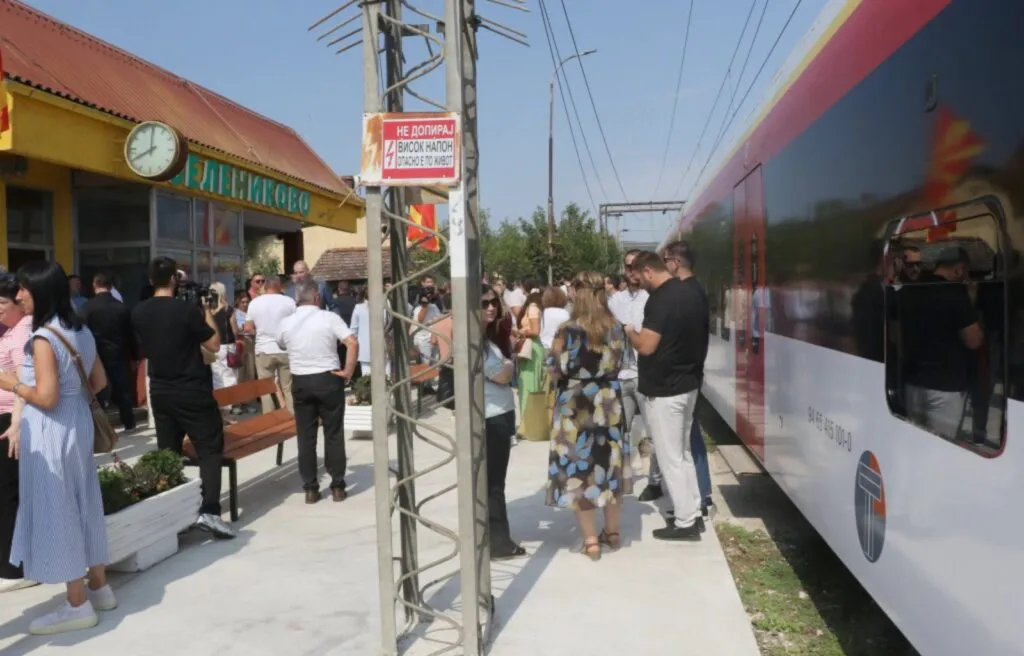
Passengers stood for half an hour on a stretch of track where they could not even get off. The other...
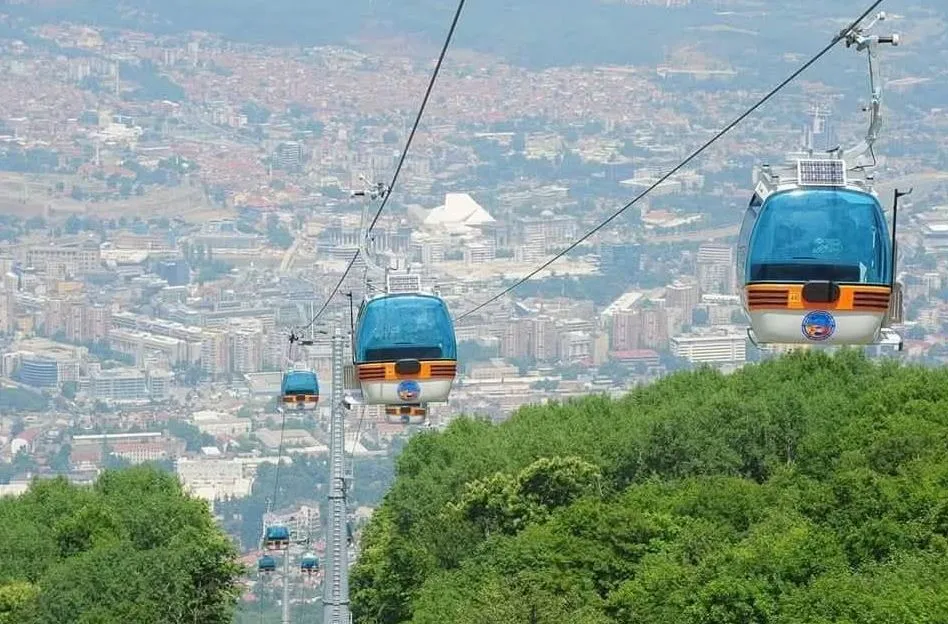
The Austrian firm found a full service had never been carried out. The City of Skopje calls that years of...
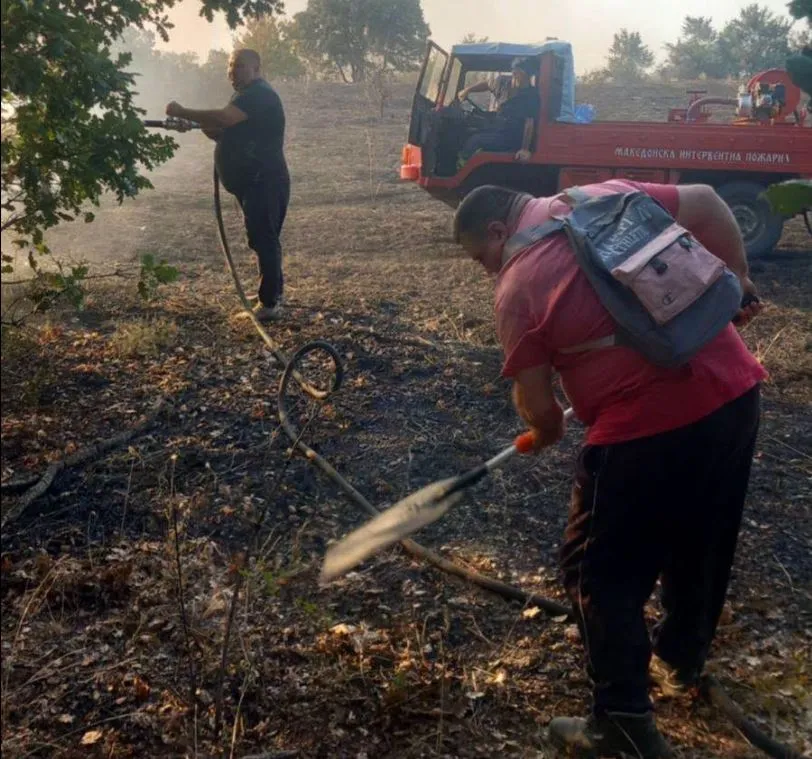
While hundreds of people from half of eastern Macedonia fight the flames, wood is being stolen on the other side...

Во март 2026 година редакцијата на Метла побара од Државниот завод за ревизија да го испита работењето на ЕВН Македонија...
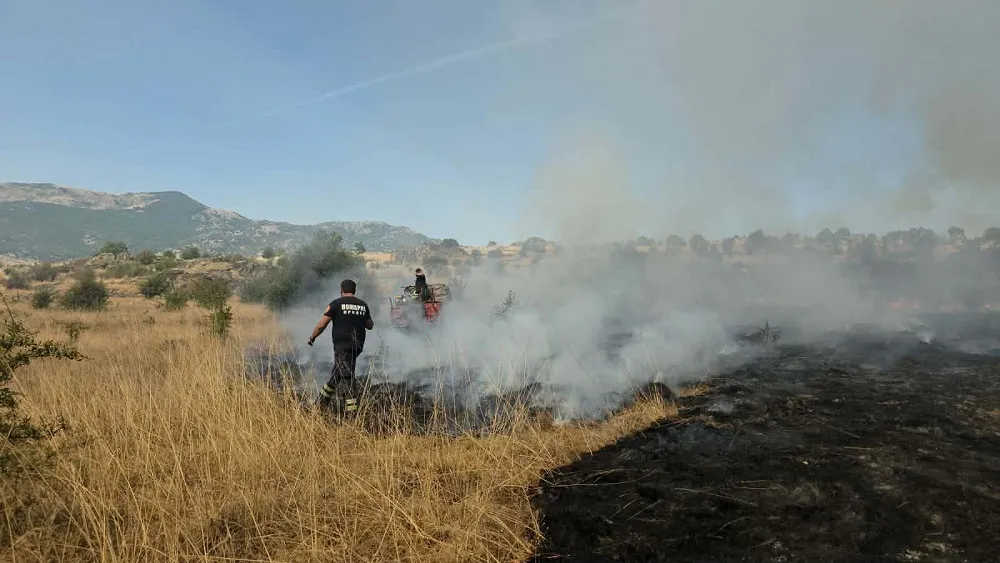
The Crisis Management Centre released the figure for June, July and August. The ratio between forest fires and the rest...
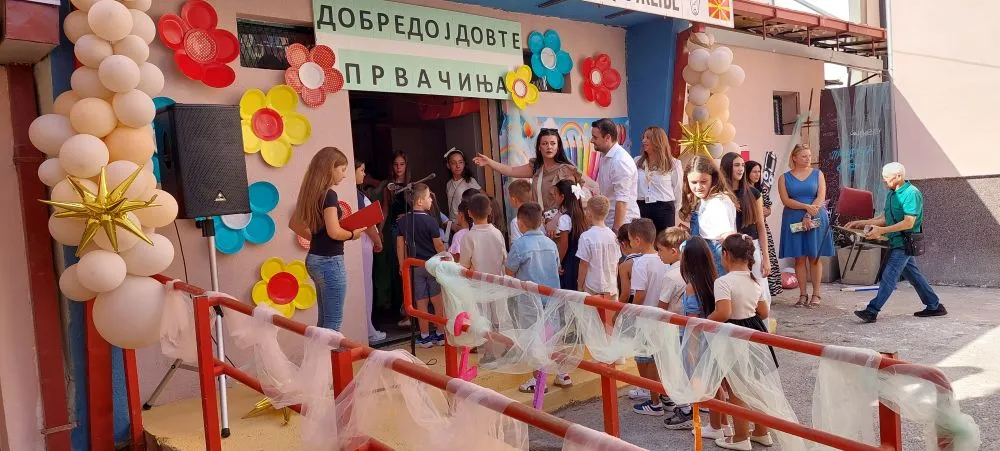
The most precise measure of emigration is not a survey. It is the gap between how many children were born...
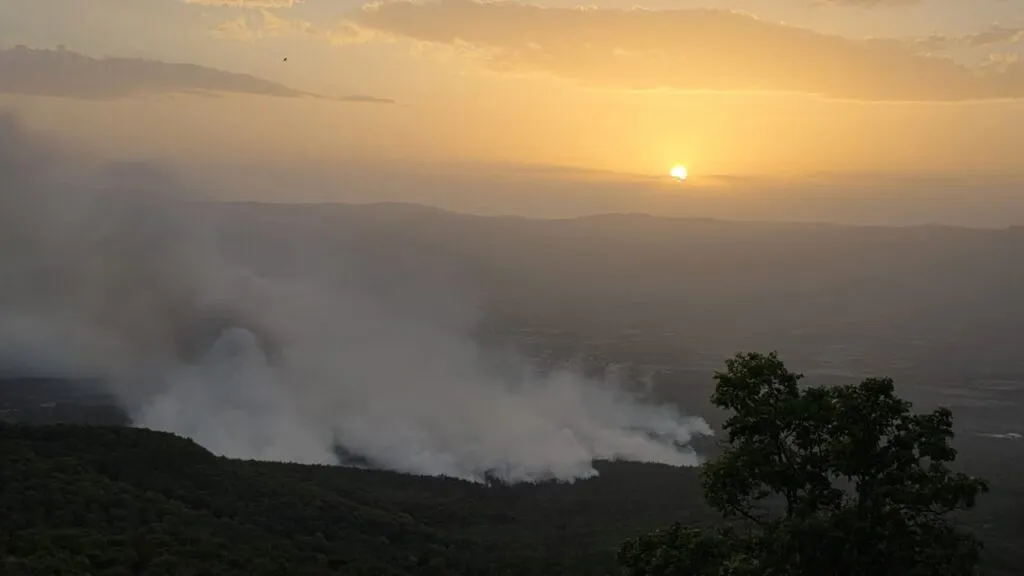
Helicopters, air tractors, two fire brigades and volunteers awake for over 48 hours. When success depends on exhausted people, that...
This site uses cookies - is that okay? Learn more
Be the first to know when Metla launches something new
Leave your email and we will write when there is a new guide or something new on Metla.
