


Thirteen hours between the report and the bodies: two Taiwanese nationals found dead in a Skopje flat
03.09.2026


03.09.2026

03.09.2026
03.09.2026
03.09.2026

03.09.2026

03.09.2026

03.09.2026
02.09.2026
01.09.2026

03.09.2026

03.09.2026

02.09.2026

03.09.2026

03.09.2026

03.09.2026

03.09.2026

02.09.2026

01.09.2026

03.09.2026

03.09.2026

03.09.2026

03.09.2026
02.09.2026
01.09.2026

09.03.2026

27.02.2026

19.02.2026

03.09.2026

02.09.2026

01.09.2026

23.04.2026

23.04.2026

12.04.2026
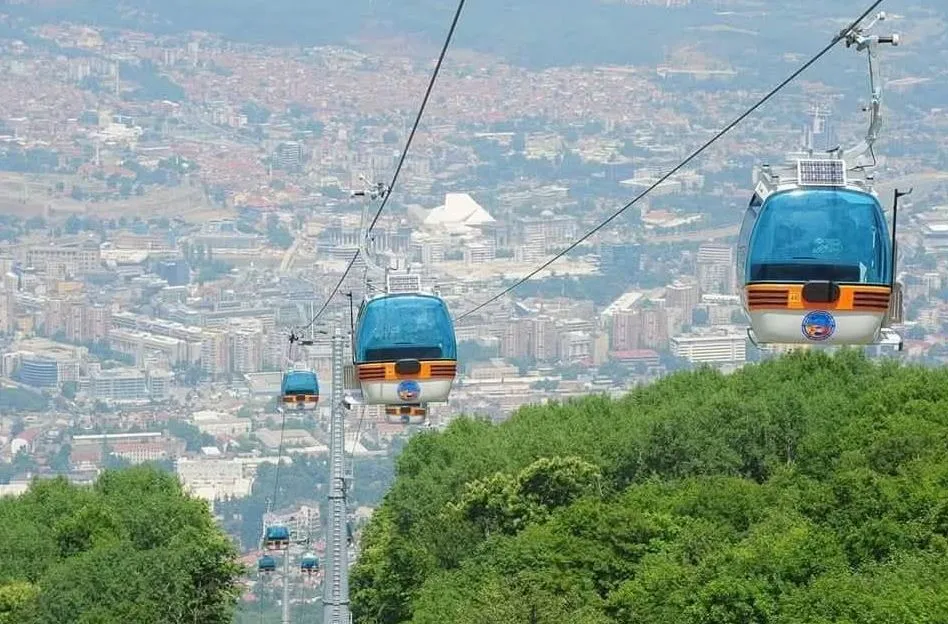
The Vodno cable car has been shut for four months. The summer has gone. The cost of the repair has meanwhile risen from 20 to 45 million denars. The repair contract has still not been signed.
Those are four sentences, each of them true, and together they describe how Skopje goes about fixing something that had been broken long before it broke.
The figure doubled before the work started
At its last session, the Skopje city council approved an increase in the subsidy to the public transport company for repairing the fault - 45 million denars, or around 730 thousand euros. The original provision was 20 million. The additional 25 million denars was secured through the 2026 budget revision and changes to the city's transport programme.
The City of Skopje explains that the additional funding is directed at reconstruction, improving the technical and functional condition, and raising the level of safety in operation.
Note the order. First the sum is secured, then a contractor is expected to be selected. The procedure for selecting an economic operator under the public procurement law is under way through the transport company, which runs the cable car, and the city says it is expected to be finalised in the coming period.
In other words: the budget was doubled before there is a bid that would justify the doubling.
What the Austrian firm found
The Austrian company Doppelmayr established that a full service of the cable car had never been carried out, and that there was a risk of a gondola detaching. That is the sentence the whole case turns on.
This is not a fault that happened in April. This is a fault that was discovered in April, after the system had run for years without a full service - carrying people above Skopje, in gondolas that were at times closed for wind and for routine technical servicing, which means some technician was looking at them regularly.
The City of Skopje admits as much itself: "This is a serious intervention, the result of years of neglect, and it requires a thorough and responsible approach."
And who exactly did the neglecting
"Years of neglect" is a phrase without a subject. No name, no post, no period. The cable car is a city asset run by the transport company, and the transport company answers to the City of Skopje - so the "neglect" has an exact address and an exact list of people who over those years did or did not sign a service contract.
Nobody has asked for that list. The question of how many years went by without a full service, and who was responsible for it in those years, has not once been put publicly.
Back at the end of April it was said that Doppelmayr would carry out the repair. To this day there is no contract. There is only a bigger figure and a procedure that is "expected to be finalised".
The latest 10 news from this category
Nearly the entire firefighting capacity of the country was pointed at one place for three days. The park says the...
In Struga the bell did not ring in four villages. In Bitola two schools are running with one pupil each....
From 3,000 to 30,000 denars for a newborn, depending on the municipality. Skopje, Čair and Saraj will not say how...
Passengers stood for half an hour on a stretch of track where they could not even get off. The other...
While hundreds of people from half of eastern Macedonia fight the flames, wood is being stolen on the other side...
The call is open until 18 September. Across Macedonia the amount per first-grader ranges from 2,000 to 8,000 denars -...
Во март 2026 година редакцијата на Метла побара од Државниот завод за ревизија да го испита работењето на ЕВН Македонија...
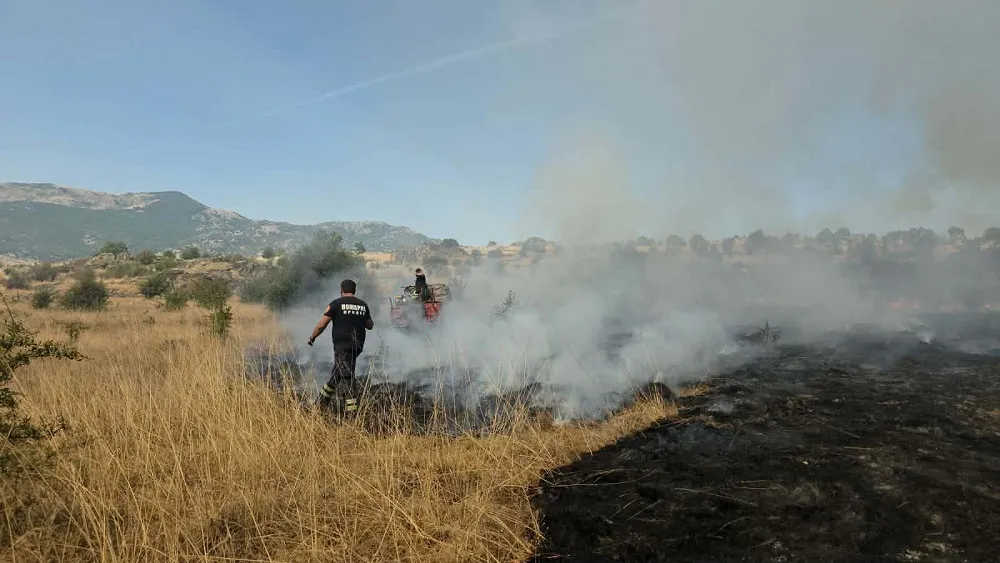
The Crisis Management Centre released the figure for June, July and August. The ratio between forest fires and the rest...

The most precise measure of emigration is not a survey. It is the gap between how many children were born...
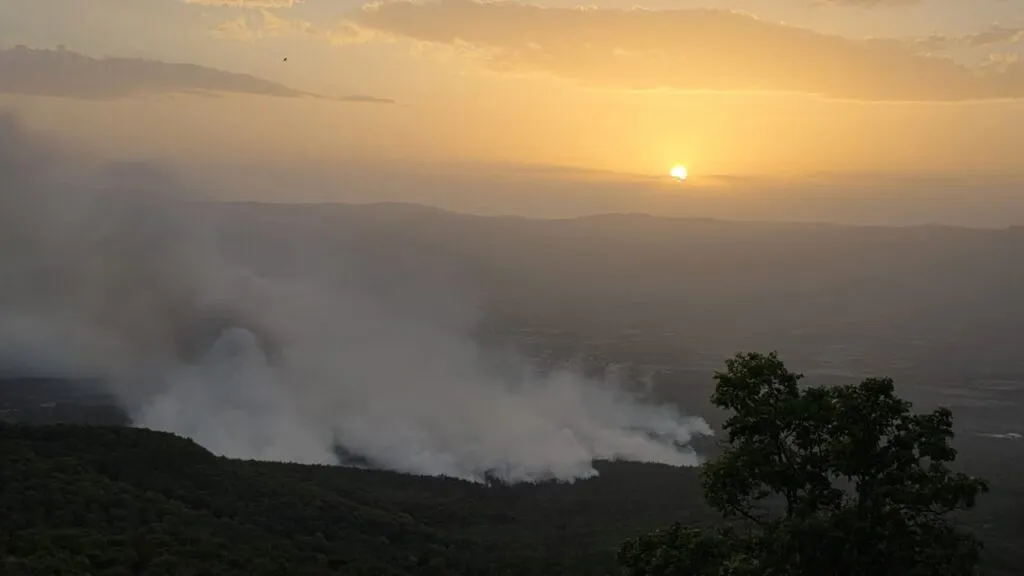
Helicopters, air tractors, two fire brigades and volunteers awake for over 48 hours. When success depends on exhausted people, that...
This site uses cookies - is that okay? Learn more
Be the first to know when Metla launches something new
Leave your email and we will write when there is a new guide or something new on Metla.
