Cancer Drug in a First Aid Kit at Bogorodica: Why Was the Driver Also Carrying 30 Labels?
22.10.2026


22.10.2026
22.10.2026
22.10.2026
22.10.2026
22.10.2026

22.10.2026
22.10.2026

22.10.2026

21.10.2026

22.10.2026

22.10.2026

21.10.2026

22.10.2026

22.10.2026

22.10.2026
22.10.2026

21.10.2026

20.10.2026

22.10.2026

22.10.2026
21.10.2026

22.10.2026
22.10.2026
21.10.2026
22.10.2026
20.10.2026
19.10.2026

23.04.2026

23.04.2026

12.04.2026

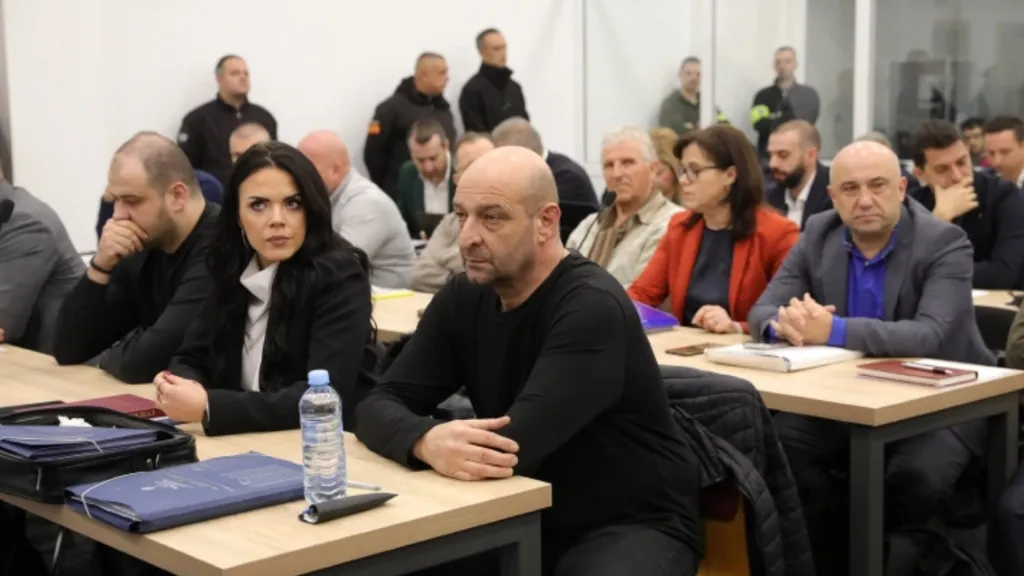
Eighteen months after that night in Kočani, a sentence was spoken in the Idrizovo courtroom that reduces the whole tragedy to a single question. Expert witness and professor Goran Markovski, answering questions from the defendants, said that under the Construction Law the inspector "could have and had to act to have the premises closed until the irregularities were cleared up".
Could have. Had to. Did not.
The paperwork said one thing, the building did another
Markovski explained to the court that the change of use, the reorganisation of the space, the alterations to the electrical, water and sewage installations and the unsuitable materials installed all directly affected the safety of the club. In his view, the competent bodies had to react to the unlawful works - and no such reaction came until 16 and 18 March 2025, when inspection records were drawn up for the first time. Which means: the first official document about the state of the building was written after the building had already burned.
Both records, compiled by authorised construction inspectors Nikolčo Bocev and Ljupčo Stamenkov, contain the same finding - the building permit issued for the premises was for a commercial light-industry facility. An initial check at the urban planning department of the Kočani municipality found no record that any decision on change of use and adaptation had ever been issued. In other words, the building where concerts were held was officially a factory.
The material that released cyanide
The expert team laid out for the court the chemistry of what happened. Markovski pointed out that the foam installed in the building released carbon monoxide and cyanide as it burned. That is not a technical detail for the case file - it is the reason people who were a few metres from the exit never reached it.
The defence team for the club's owner, Dejan Jovanović, cross-examined the experts about the materials. Expert Marjana Lazarevska replied that they were reading the regulations selectively, and that from the findings they could see the colour of the foam but not the composition of the polyurethane the team had established.
The parents asked the question the court has to answer
During a break in the hearing, Mita Taseva, a mother, said the defendants' own questions showed they knew the irregularities and the risks in the building in detail. "You cannot list every failure, danger and irregularity today and at the same time claim that for years you had no reason to react," she said, adding that the court must establish who knew, what they knew, since when, and why they said nothing.
If it is proven that the dangers were known and the authorities deliberately took no measures, then, according to Taseva, this is no longer an institutional failure but deliberate inaction with possible criminal implications. Dragi Stojanov, a father, put it more directly: had the inspector done his job, his child would be alive.
The proceedings are running, so is the clock
The case is being heard by judge Dijana Gruevska-Ilievska, with the prosecution represented by a team of 15 public prosecutors. Among the defendants are the building's owner Grozdan Milkovski and the municipal construction inspectors. The trial is in the evidentiary phase, with the construction experts under cross-examination.
Eighteen months on, the prosecution's claim sounds equally simple and equally heavy: there was a law, there was an inspector, there was an obligation, and nothing happened. Whether the court calls that a failure or a decision is the difference between an accident and accountability.
The latest 10 news from this category
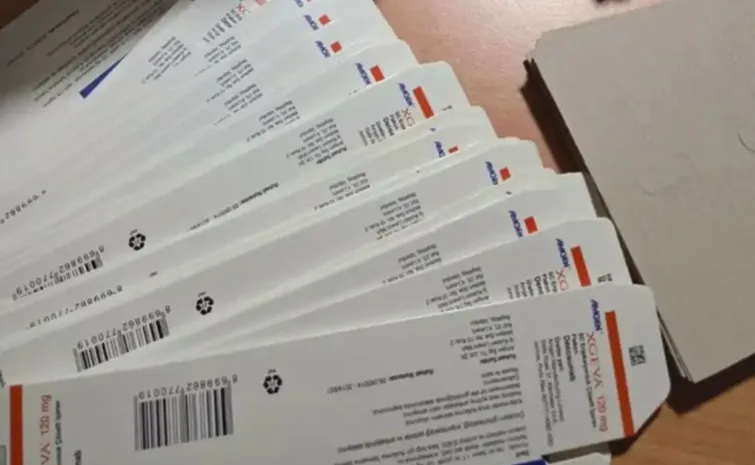
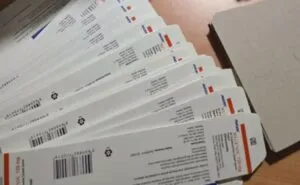
29 vials of a drug for malignant diseases, 29 little boxes and 30 self-adhesive labels - hidden in a bus....
Two drivers doing 154 and 151 km/h on a 100 stretch paid 45 euros in total instead of 600. The...
Five 15-year-olds questioned over the beating in Vlae, and the list isn't closed. Meanwhile - a 17-year-old arrested in Skopje...

Part of the roof of the "St. Kliment Ohridski" school in Bitola was renovated with money from the Embassy of...
Mayor Dimitrievski showed off video surveillance and announced gates and lighting. The measures came after months of fires and a...
The initiative was dismissed over a "procedural obstacle," not on the merits. For the second time this year, the Court...
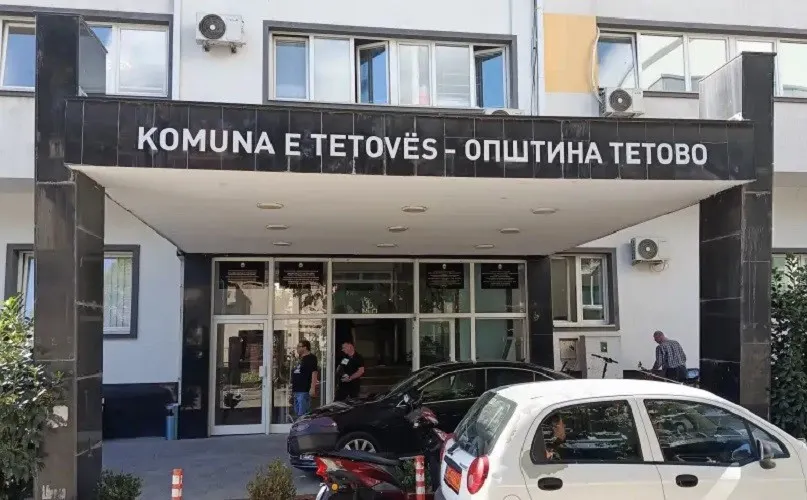
Citizens owe the municipality around 5 million euros, and half of it is already with enforcement agents. At the counter,...
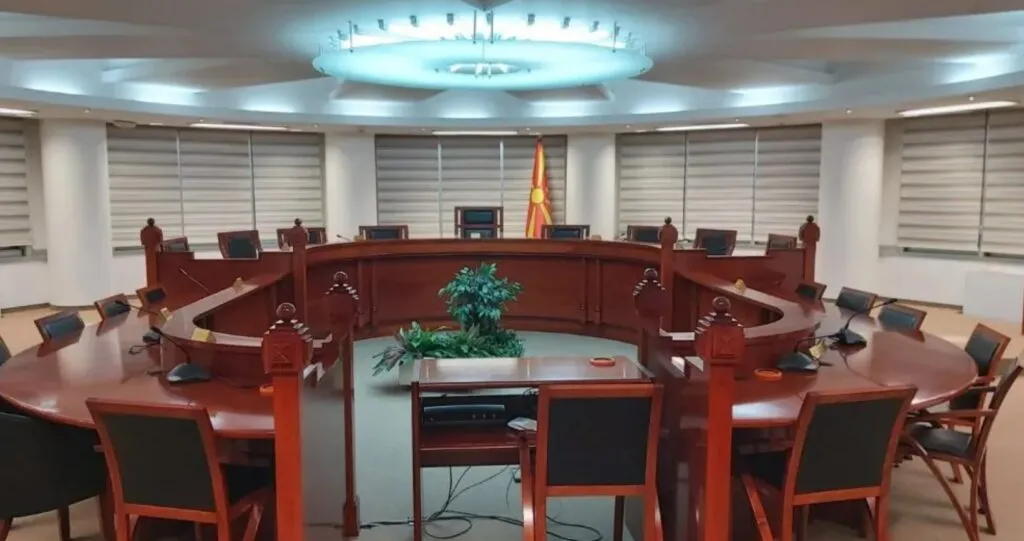
SDSM's initiative was rejected unanimously, and the opposition cries political orders without proof. The bigger irony: the government that condemned...
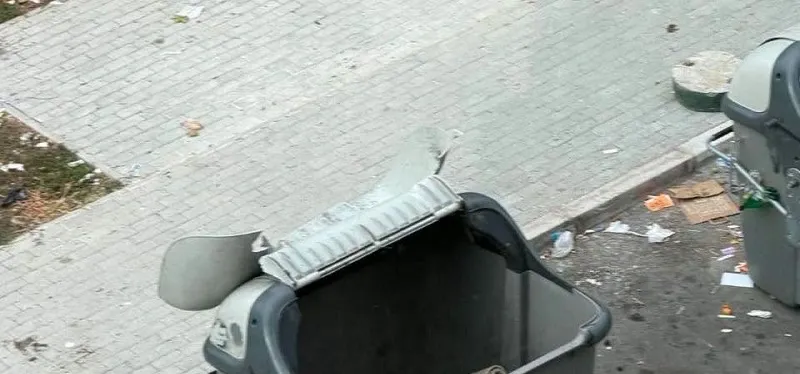
The mayor of Aerodrom put her photo on Facebook and called her irresponsible. She says the bulky waste was reported...
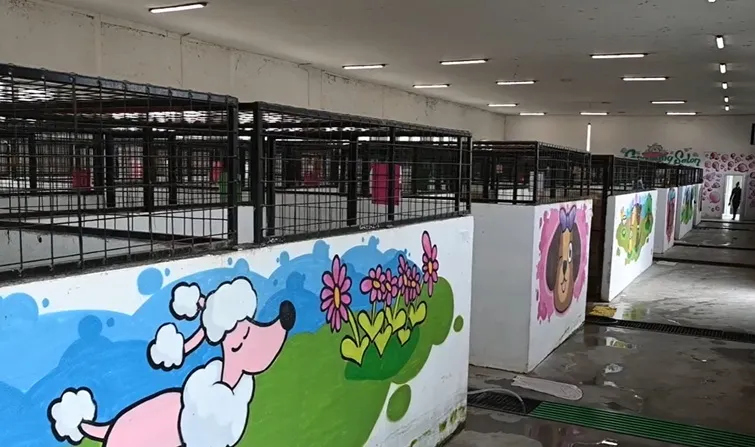
The money for more capacity for stray dogs is secured, but the city company's existing facility isn't in any urban...
This site uses cookies - is that okay? Learn more
Be the first to know when Metla launches something new
Leave your email and we will write when there is a new guide or something new on Metla.