


Studeničani: 35-year-old dies after being electrocuted while washing his car with a pressure washer
18.09.2026


18.09.2026

18.09.2026

18.09.2026
18.09.2026

18.09.2026
18.09.2026

18.09.2026

17.09.2026

16.09.2026

18.09.2026

18.09.2026

17.09.2026

18.09.2026

18.09.2026

18.09.2026

18.09.2026

17.09.2026

16.09.2026

18.09.2026

18.09.2026

18.09.2026

18.09.2026

17.09.2026

17.09.2026

09.03.2026

27.02.2026

19.02.2026

18.09.2026

17.09.2026

16.09.2026

23.04.2026

23.04.2026

12.04.2026


Two studies published in June reached a conclusion rarely said out loud in Silicon Valley: firms that take venture capital end up facing fraud charges more often than those that do not. Not because their founders are worse people, but because the system funding them pushes them in exactly that direction.
The first study comes from Britain's Imperial College and France's Emlyon Business School. The researchers assembled a database of tech founders and companies against which American regulators brought civil and criminal securities fraud proceedings between 2000 and 2023. The second, from the University of Toronto, examined 654 fraud cases in venture-backed American startups over the same period.
The most telling figure comes from the Toronto study: startups founded in overheated markets, with weak oversight and weak investor due diligence, are 19 percent more likely to later commit fraud. The measure, then, is not the founder's character - the measure is the climate at the moment the money came in.
Fraud has phases, and they have a name. Tim Weiss, one of the authors of the first study, describes it as „facading“ in three degrees. The surface facade is when a founder lies about how successful the firm is - typically at an early stage, when a vision is still what is being sold. The second phase is a reinforced facade: evidence is manufactured to back up the lie. The study cites the example of a testing app that invented client contracts and invoices, booked non-existent revenue and used those documents to convince investors to value it at a billion dollars.
The third phase is the deepest. The lie spreads to the technology itself - demonstrations that do not work, capabilities that do not exist. Weiss calls that building „parallel realities“.
The most uncomfortable part of both studies does not concern the founders. Investors, the authors say, sometimes „co-create the fraud“ - and not only through the unrealistic growth expectations they impose, but by continuing to fund the very people who already faced accusations. The Toronto study found little evidence that prior fraud stops anyone raising money for a new firm, even when the case was widely covered in the media. „New investors and the wider venture capital market do not punish past misconduct“, the report states - which, according to the authors, fits a culture that embraces failure without asking what caused it.
One further finding is worth remembering: startups where the board was controlled by the founders were twice as likely to commit fraud as those with an investor-controlled board or split control. Control without a counterweight, it turns out, is not an advantage - it is a risk.
Weiss proposes that the regulator automatically audit startups once they pass a certain threshold of raised investment, rather than waiting for a lawsuit or an employee complaint. And he asks for something harder: that investors be held accountable when they pushed for growth no company can deliver honestly. „Founders have no professional body that would set rules about what growth expectations are reasonable“, he says.
The current euphoria around artificial intelligence, the authors warn, is exactly the climate these cases are born from. The Balkans know the scene in different clothing - a firm growing on paper, an audit running late, everyone knowing and nobody asking. The question is not whether the numbers will be checked, but who carries the weight when they are.
The latest 10 news from this category
An eight-year-old firm that started out mining crypto has tripled its value in ten months. It did not discover anything...

The price of uranium has jumped 75 percent in five years, and the list of countries that mine it reads...
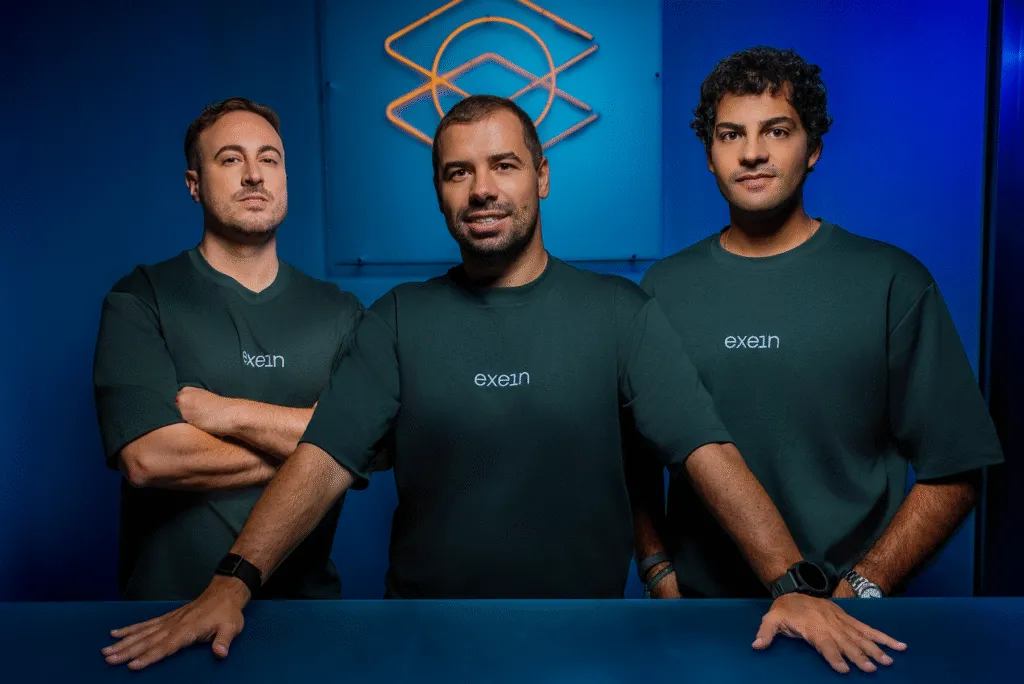
Exein raised 270 million dollars and its valuation jumped thirtyfold in two years. The European regulation coming into force in...

A startup valued at 94 million dollars changed hands, and both sides said openly what was being bought - not...
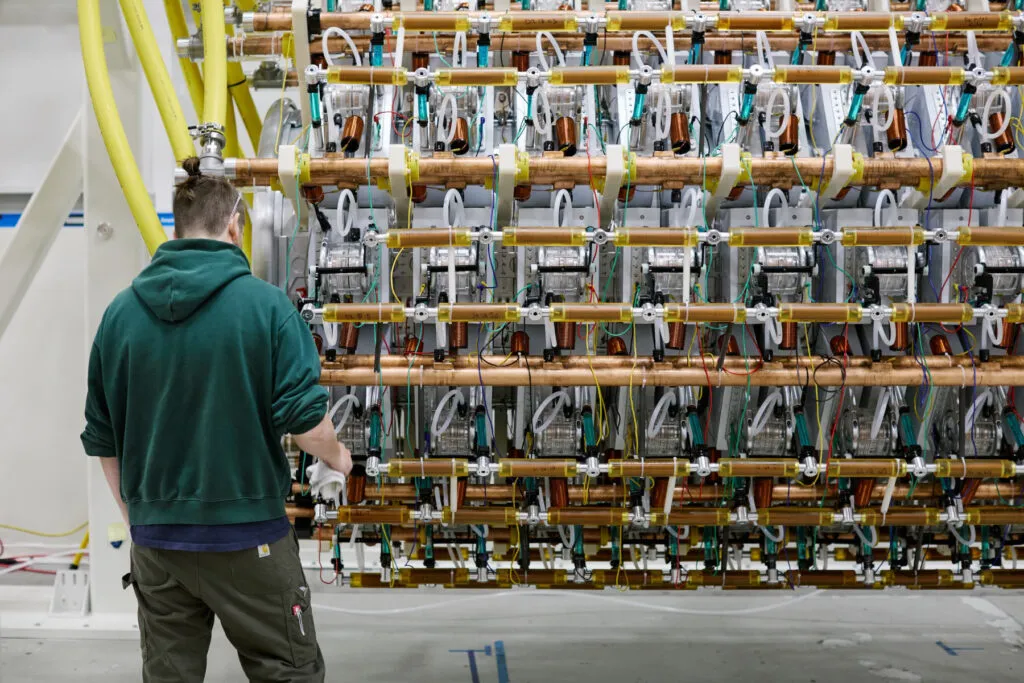
A technology sold for decades as the answer to the climate is now taking money from the defence industry. The...

The board voted, the founder kicked the administrators out of Slack and held out for three days. What does a...

Three months ago the company raised 60 million. Now it is worth almost ten times that, and its product is...

After Ohridska Banka, Sparkasse has gone after a second one. The approvals come from Podgorica, Belgrade and Frankfurt. The market...

They had offers and visas to stay in the US. They went back to Munich because the numbers worked better...

A signed term sheet in venture capital is treated as a word of honour. When the buyer offers sixty-seven years...
This site uses cookies - is that okay? Learn more
Be the first to know when Metla launches something new
Leave your email and we will write when there is a new guide or something new on Metla.
