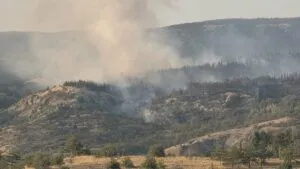
34 fires in 24 hours: three still burning, and the warnings put out nothing
09.09.2026


09.09.2026

09.09.2026

09.09.2026

09.09.2026

09.09.2026

09.09.2026

09.09.2026
08.09.2026

07.09.2026

09.09.2026

08.09.2026

08.09.2026

08.09.2026

08.09.2026

08.09.2026

08.09.2026

07.09.2026

06.09.2026

09.09.2026

09.09.2026

09.09.2026

09.09.2026

09.09.2026
08.09.2026

09.03.2026

27.02.2026

19.02.2026

23.04.2026

23.04.2026

12.04.2026


The government and the opposition are arguing about the public debt. That in itself is not news. What is news is that the two sides use different calculations for the same thing, and both are formally correct.
At the core of the dispute is the debt of the Public Enterprise for State Roads - 350 million euros in new borrowing. SDSM claims it is not included in the official figures and that the public is getting an incomplete picture. The government says that under the Public Debt Act it does not belong there.
Who is right
Technically - both. Finance minister Gordana Dimitrieska-Kočoska explained that the debt of public enterprises is covered in the Public Debt Management Strategy and the Fiscal Strategy, but is not part of central government debt, so it does not appear in the Budget the way direct state obligations do.
Prime minister Hristijan Mickoski explained the same thing further: the enterprise's loans are framework loans, the funds are drawn down gradually, depending on how work proceeds on the ground and when the invoices arrive.
All of that is true. And none of it answers the question the citizen is actually asking: who repays those 350 million in the end?
If the enterprise cannot repay from its own revenue, the budget repays it - meaning the taxpayer. Then the classification is an accounting category and the obligation is the same. The distinction between "central government" and "public enterprise" matters for statistics and international reporting. For the person paying, the address is identical.
The contested figures
SDSM claims that with these obligations included, public debt could exceed 11 billion euros. Party leader Venko Filipče warned that the government is preparing new borrowing of 1.3 billion euros, not foreseen in the budget revision, and that the debt is heading towards almost 12 billion euros, or around 65 percent of GDP.
Mickoski rejected the accusations of hiding those 1.3 billion - according to him this is preparation for future obligations, including repayment of debts created in previous years. Specifically, a eurobond taken out during the coronavirus crisis.
This is the part nobody disputes
The finance ministry confirmed that in 2027 the state must repay nearly 1.5 billion euros on securities and loans. Added to that are treasury bills with maturities of up to 12 months, worth around 1.1 billion euros, which also fall due in 2027. Plus the planned budget deficit of 3.5 percent.
So next year is difficult, no matter who is doing the counting. And the solution being prepared is new borrowing on the international market.
Growth as the answer
The government offers economic indicators as its counter-argument: GDP grew 4.3 percent in the second quarter, against 3.1 percent in the first. Investment in the second quarter grew 16.5 percent.
Those are good numbers and should not be dismissed. But GDP growth and the pace of borrowing are two separate indicators - one does not cancel the other. A country can grow and borrow faster than it grows at the same time.
The opposition warns that the new borrowing by year's end will carry a high interest rate. That is still a claim, not a figure - the rate will be known when the bond goes to market.
And that will be the best moment for a check. Not by who calculates the total which way, but by the percentage at which the world lends us money. The market does not read party press releases.
The latest 10 news from this category

The largest round ever by a European tech firm is led by Samsung, and Macron called it a third way...

The queue for putting cargo into orbit is growing faster than the capacity, and one supplier holds almost all of...

A consultant paying 200 dollars a month could not get an itemised bill for his own usage. When he asked...

The headline number is low. But year on year recreation went up 8.8 per cent and food 1 per cent...
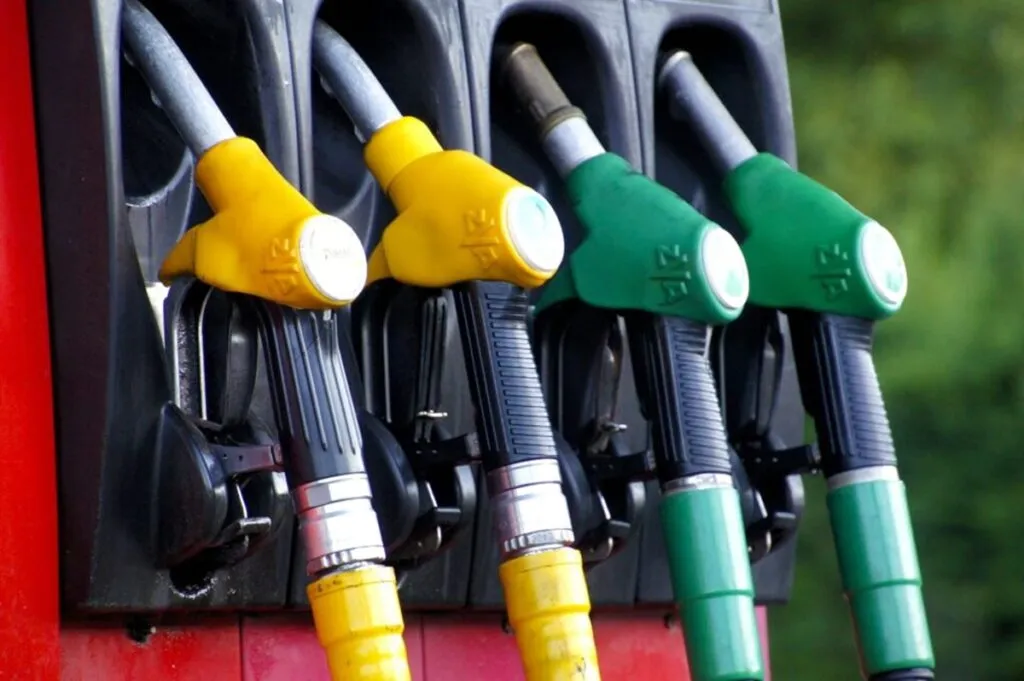
Extra-light heating oil went up by 8 denars and reached 105 denars a litre. That is the fuel some households...
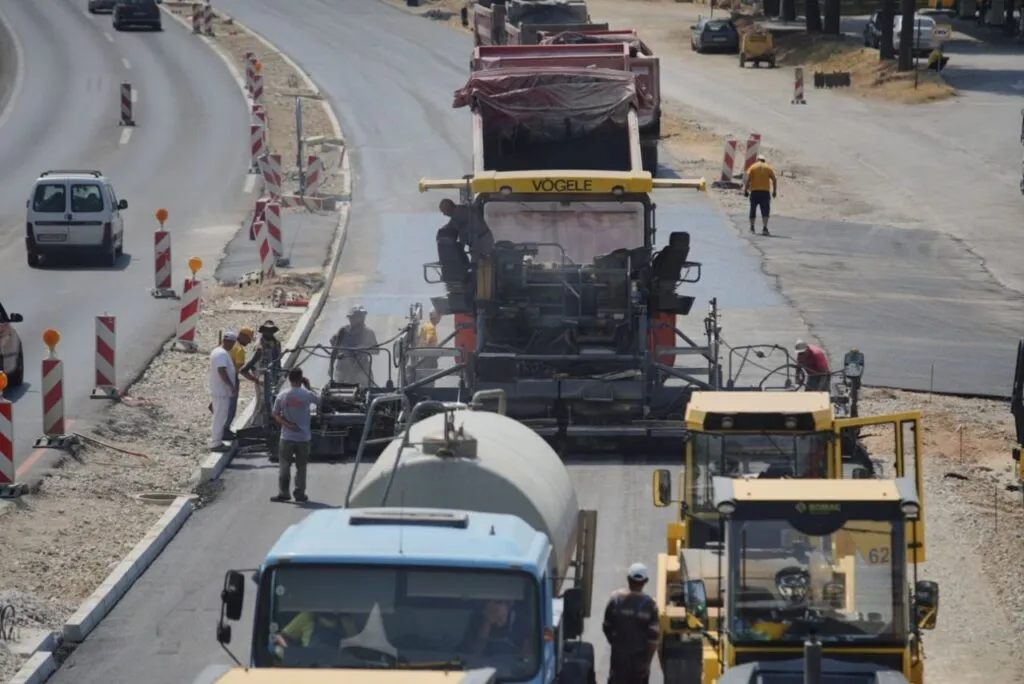
Nikoloski called it the highest quarter on record. The growth comes from projects set up in 2024 - which means...

Opendoor's founder raised 25 million dollars for an app that tells construction workers whether they installed something correctly. What the...

They set off at three in the morning, reached the summit at seven in the evening, spent the night in...

The head of Google Photos boasted about an agent for her 143,206 photos. The feature applies only to paying users...
22 million listings across 31 countries, a 30-year mortgage and one third of income as the threshold. The gap between...
This site uses cookies - is that okay? Learn more
Be the first to know when Metla launches something new
Leave your email and we will write when there is a new guide or something new on Metla.