НАУЧНИЦИТЕ ОТКРИЈА: ТАЈНАТА НА ПОБАВНОТО СТАРЕЕЊЕ МОЖЕ ДА СЕ КРИЕ ВО НАШИТЕ ЦРЕВА!
27.10.2026


27.10.2026

27.10.2026
27.10.2026
27.10.2026
27.10.2026
27.10.2026

27.10.2026

27.10.2026
26.10.2026

27.10.2026

27.10.2026
26.10.2026

27.10.2026
27.10.2026

27.10.2026
27.10.2026
26.10.2026
25.10.2026

27.10.2026

27.10.2026

27.10.2026

27.10.2026
26.10.2026
26.10.2026
27.10.2026
26.10.2026
24.10.2026

23.04.2026

23.04.2026

12.04.2026

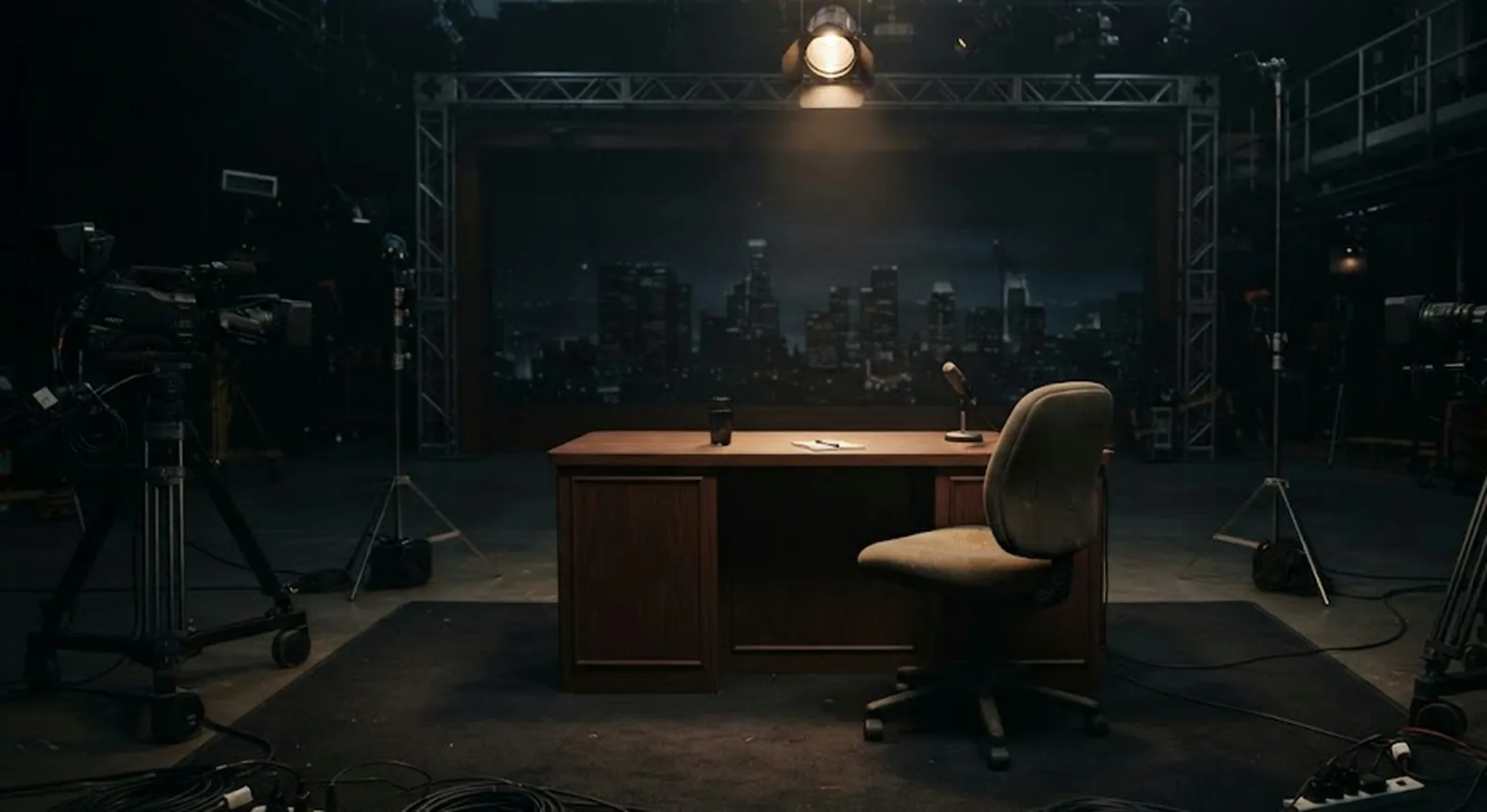
For thirteen years, one satirical show mocked those in power in Serbia. Now it is gone, and the explanation is an accounting one.
Thousands took to the streets of Belgrade over the cancellation of "24 minuta", Zoran Kesic's programme. The protest was organised by journalists' associations, among them NUNS and UNS, with support from outlets including N1 and Nova.rs. The march passed the parliament building and the Presidency - two addresses chosen so the message would need no further explanation.
The official reason: 500,000 euros
The new owner of Nova S television, the Portuguese investment fund Alpac Capital, cited financial reasons. According to them, the programme cost over 500,000 euros a year for fewer than 30 hours of content. The figure is as accurate as it is indisputable - but on its own it does not explain why, after thirteen years, somebody suddenly reaches for a calculator over this particular show and not another.
Kesic believes the decision is political, with an argument that is hard to dismiss: humour reaches an audience the news does not. The show is announced to continue on YouTube from 19 September.
What was said in the square
"We have suffered too many defeats as a profession and as a society. We cannot accept it any more," said NUNS president Zeljko Bodrozic. Olivera Kovacevic of the UNS executive board was blunter: "A society that raises obedient propagandists instead of journalists has no future."
Actress Ceca Bojkovic asked whether the authorities really believe that shutting down one show will silence public discontent, adding that the country has changed fundamentally over the past 14 years.
An owner in Lisbon, the effect in Belgrade
There is a detail here worth noticing. The decision was not made by a ministry, a regulator or a court - it was made by a fund headquartered outside the country, on the basis of a cost spreadsheet. That is the purest version of modern censorship: nobody banned anything, the line item simply stopped paying for itself.
The question this sends back towards the region is uncomfortable precisely because it applies everywhere. When media pass into the hands of funds that look only at cost per hour of programming, who will finance the content that bothers those in power? For now the answer is YouTube - and that is not a solution, it is a temporary shelter.
The latest 10 news from this category
The mother of Stefan Hrka, killed under the collapsed canopy in Novi Sad, came for an apology, while the editor...
Nikolić has lived in a state villa for nine years after his term ended, Brnabić in Jovanka Broz's former home....
Vučić conceded on election night itself, and his people are already writing the winner's agenda: Russia, NIS, devaluation. How many...
The winner of Serbia's election says the undiplomatic outbursts towards the region were born in Vučić's head. His first conversation...
Germany's far right mourns Vučić's defeat with the words "we've lost" - as if Serbia were its property. Moscow, meanwhile,...
Doctors, professors, actors and one engineer who warned before the canopy fell. A list without a leader has toppled the...
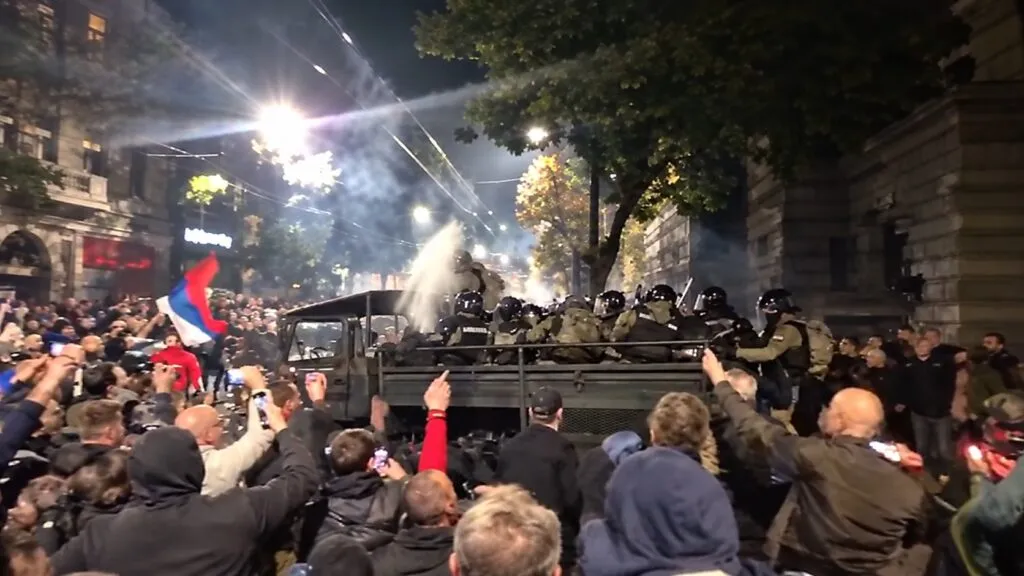
The police that spent two years breaking up protests left to whistles and jeers, and the park of Vučić's supporters...

The man who ran Serbia for more than a decade read out the numbers himself: around 1.72 million votes for...

He lost the election, and one of his first messages was about Moscow. Serbia has so far refused sanctions on...
In Bijeljina 1,543 to 335, in Lopare 533 to 47. And Vučić himself announced changes in relations with Republika Srpska...
This site uses cookies - is that okay? Learn more
Be the first to know when Metla launches something new
Leave your email and we will write when there is a new guide or something new on Metla.