

Two Schoolyard Assaults Reported in a Single Day: the Police Promised Measures, the Education System Said Nothing
19.09.2026


19.09.2026

19.09.2026

19.09.2026

19.09.2026
19.09.2026
19.09.2026
19.09.2026

18.09.2026

17.09.2026

19.09.2026

19.09.2026

18.09.2026

19.09.2026

19.09.2026

19.09.2026

19.09.2026

18.09.2026

17.09.2026

19.09.2026

19.09.2026

19.09.2026
19.09.2026

19.09.2026
18.09.2026

09.03.2026

27.02.2026

19.02.2026

19.09.2026

18.09.2026
17.09.2026

23.04.2026

23.04.2026

12.04.2026

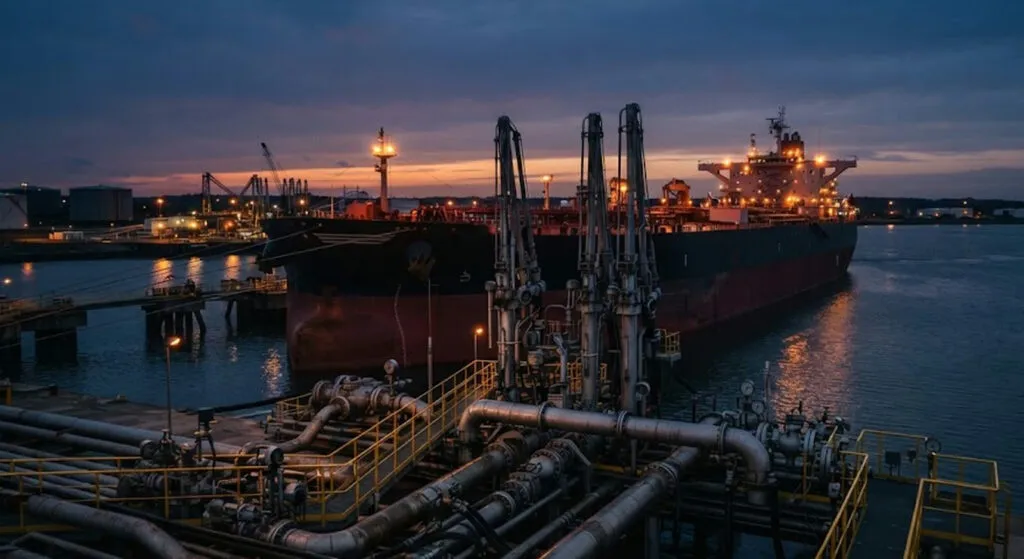
Saudi Arabia has cancelled September crude deliveries to European refineries after a drone attack damaged the key export pipeline to the Red Sea. The east-west pipeline, the one across the desert, was shut on Friday. That was precisely the valve that for six months kept Europe away from the consequences of the blockade in the Strait of Hormuz.
The market reacted immediately and without sentiment. Brent futures traded at around 108 dollars a barrel, while physical prices in Europe reached about 122 dollars a barrel, according to LSEG data. The gap between those two numbers says everything: Europe pays a premium simply for being Europe.
Loading at the Red Sea port of Yanbu has been temporarily halted, and Aramco has no comment. Silence from the world's largest oil company does not usually mean things are under control.
Poland racing for a replacement
Poland's Orlen moved fastest. The company is urgently buying North Sea cargoes to cover the missing Saudi share - grades like Grane, Johan Sverdrup and Johan Castberg. There are bids for distant grades too, American WTI Midland and Kazakh CPC Blend. Its new tender seeks North Sea or Algerian crude for October delivery, and Guyanese crude for November.
The irony is almost perfect. Since 2022 Aramco had become Orlen's main supplier, covering around 40 per cent of its needs, precisely so Poland could cut its dependence on Russian oil. One dependency was swapped for another, and now the second one has snapped too. How many times does the same thing have to happen before somebody works out that the problem is not the source, but that there is only ever one of them?
Gdansk had been receiving around 160,000 barrels of Saudi crude a day since the start of the year, and the Lithuanian port of Butinge around 63,000 barrels a day, according to Kpler analytics. Those numbers now have to be filled from somewhere.
The expectation is that Riyadh will try to increase exports through the Strait of Hormuz using concealed shipments, the way the United Arab Emirates and Iraq already do. With that method, Gulf producers keep exports between 7 and 9 million barrels a day, roughly 30 to 40 per cent of pre-conflict volumes.
So the main export route of the world's largest exporter can be closed by a few drones, and the fallback is to hide. That is the state of the global energy system in 2026. The Balkans has neither a port nor a pipeline in this story, but it has petrol stations. And they always learn the news last and tell it first.
The latest 10 news from this category

The State Statistical Office published the figure nobody wants to comment on: what the other 95 percent of companies in...
The 90/180 rule is being solved country by country. Meanwhile the European market offers wages to staff that we train...
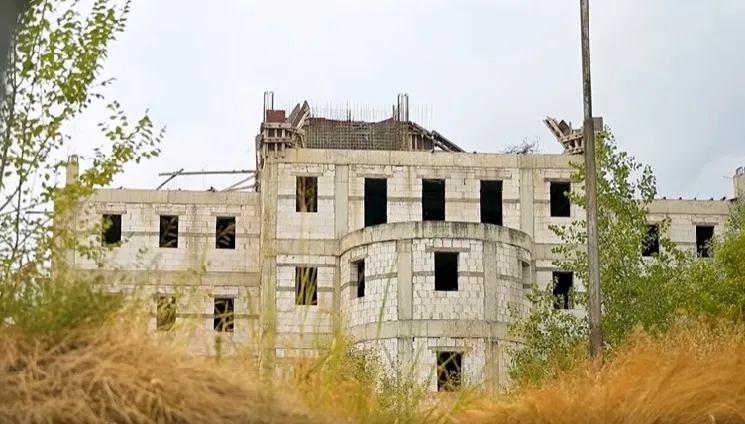
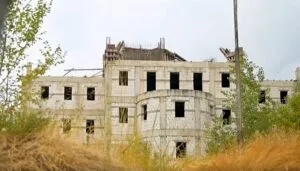
The concrete has stood unfinished since 2015. The Spanish grant pays for the preparation - the remaining 35 and a...

The ten free minutes stay, and so do repeat entries. The regulator asked for an explanation - and the measure...
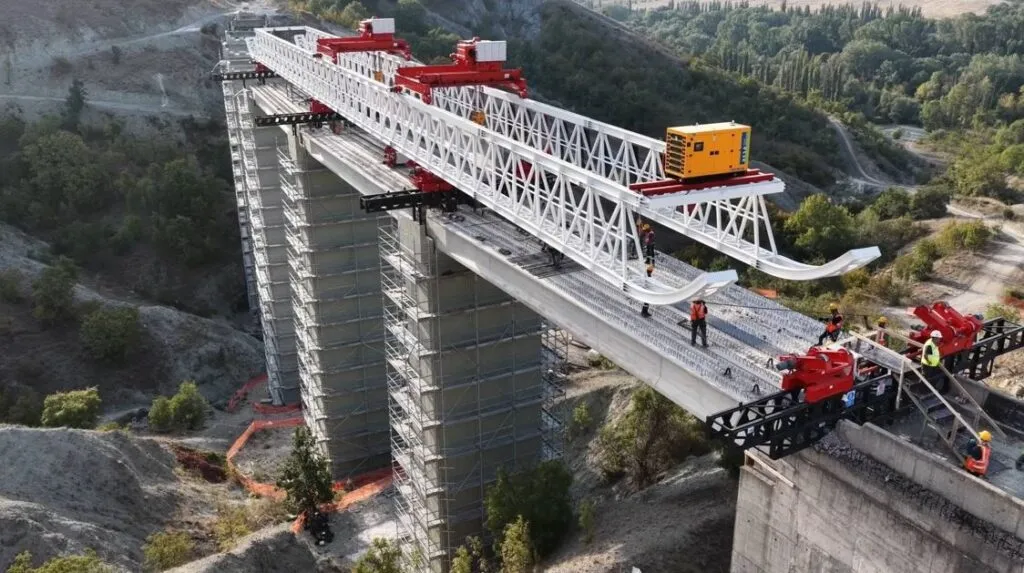
Skeletons from the nineties are being rehabilitated with concrete poured in 2026. When somebody says Corridor 8 is moving slowly...

Dario Amodei spent months arguing for independent evaluators inside AI labs. The choice landed on the world's largest consultancy rather...
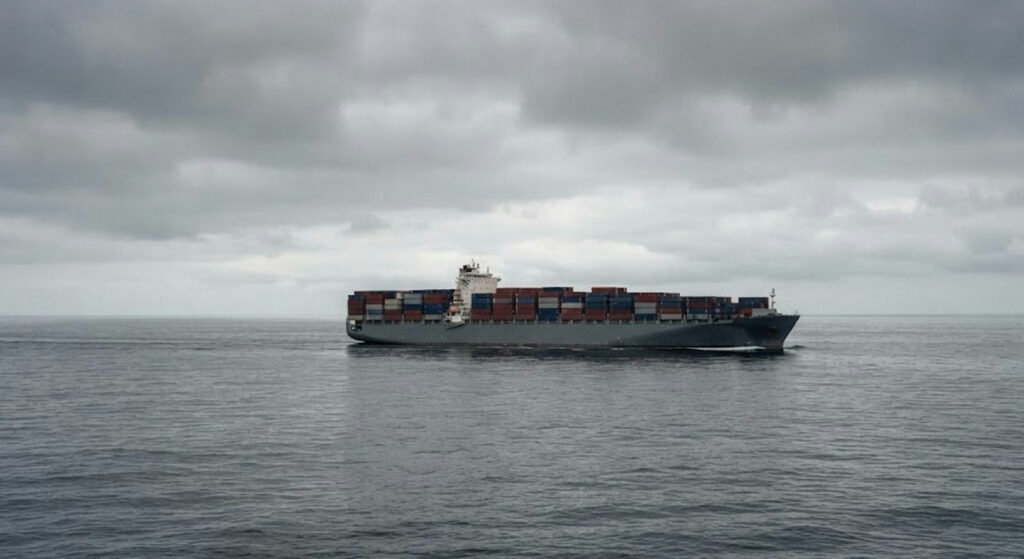
An analyst asked the tool to merge classified and open-source data - it mixed up the ship's cargo. Then the...

Sold for two billion, blocked by the state, bought back by its own investors - and now worth twice as...
State Audit Office review: 95.36 percent of the sum was collected by force, through bailiffs. Idrizovo prison spent about a...
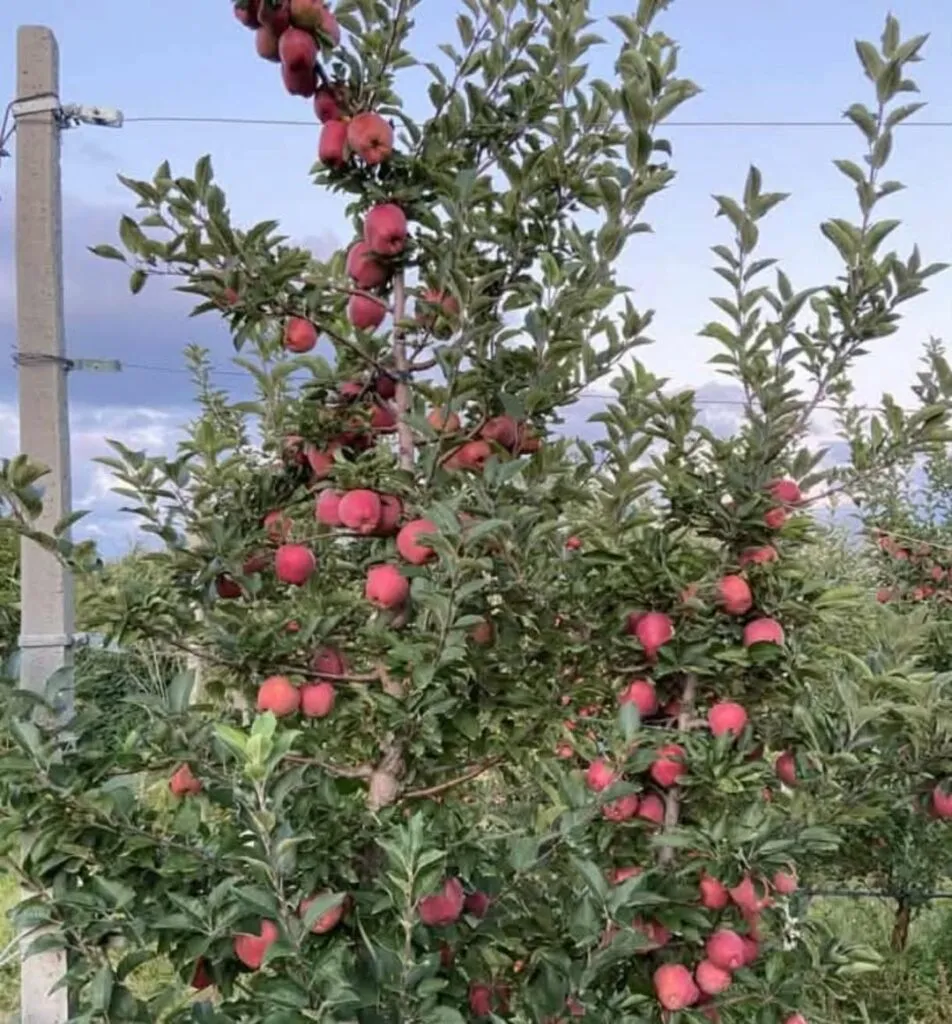
A smaller crop after frost, higher daily rates for pickers, two years of unpaid subsidies - and a price cut...
This site uses cookies - is that okay? Learn more
Be the first to know when Metla launches something new
Leave your email and we will write when there is a new guide or something new on Metla.
