


Prilep: 37 searches, a safe deposit box with over 50,000 euros and four police officers under suspicion - how did the "untouchables" last 15 years?
03.10.2026


03.10.2026

03.10.2026

03.10.2026

03.10.2026

03.10.2026

03.10.2026

03.10.2026

02.10.2026

02.10.2026

03.10.2026

03.10.2026

02.10.2026

03.10.2026

03.10.2026

03.10.2026

03.10.2026

02.10.2026

01.10.2026

03.10.2026

03.10.2026

03.10.2026

03.10.2026
02.10.2026

01.10.2026

09.03.2026

27.02.2026

19.02.2026

03.10.2026

02.10.2026

01.10.2026
02.10.2026
22.08.2026

20.08.2026

23.04.2026

23.04.2026

12.04.2026

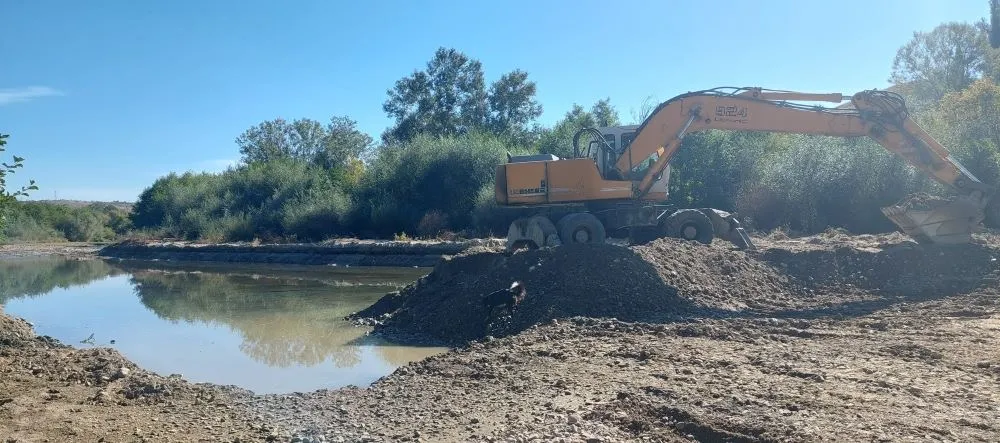
Residents of Šupli Kamen, a village near Kumanovo, have taken to the streets and announced blockades until sand extraction from the bed of the Pčinja river stops. The reason is a permit: it was issued by the Ministry of Environment and Physical Planning, the investor is the state water management company AD Vodostopanstvo, and the work on the ground is being done by a private firm, Logistik DOOEL from Kumanovo.
A sign by the river says the work involves extracting sand, gravel and stone from the bed and banks of the Pčinja along a 1,000-metre stretch, from Zubovce to Šupli Kamen - officially "to regulate the water regime". Residents say that in about ten days the company has already undercut the riverbed, leaving steep banks and dried-out trees.
"If they dig out one more metre below the level of the riverbed, the water will drain from the wells and from the village water supply reservoir," warns Goce Stankovski, head of the local community council. The village has around 200 households, and it has already lost its irrigation water, they say.
A film the village has seen before
This isn't the first time. According to residents, six or seven years ago another company extracted sand from the same river and left pits 6-7 metres deep in the riverbed. A 14-year-old child drowned in them, they say, and there were three other victims. After the protests back then, in 2019, the company received a permanent ban on operating. Locals claim the river hasn't since brought down enough sand to return to its original state - and the institutions, they say, have now issued a new decision without looking at the situation on the ground.
The residents also have a number that hurts more than the dust from the trucks. According to the information they have, the previous company paid Vodostopanstvo 60 denars per cubic metre of sand and sold it for 1,300 to 1,500 denars. What the deal with the new company looks like, they don't know. If a state resource is being extracted anyway, they are asking that at least it be paid for at market price, with the money going into the budget and not into private pockets.
The inspectors: the permit is in order
A state and a municipal environmental inspector went out to the site. The answer was a familiar one: the operator has a permit, no irregularities were found, and stopping the work is not within their remit - they only check whether the company is working according to the contract. "We are here to protect citizens, if there is any non-compliance," the inspectorate said.
And there's the knot. If everything is legal, while the village watches its river being undercut before its eyes, then the problem isn't the company working to contract - it's who signed that contract, and on what basis. Did anyone at the ministry read the history of this river before issuing a new permit?
The latest 10 news from this category
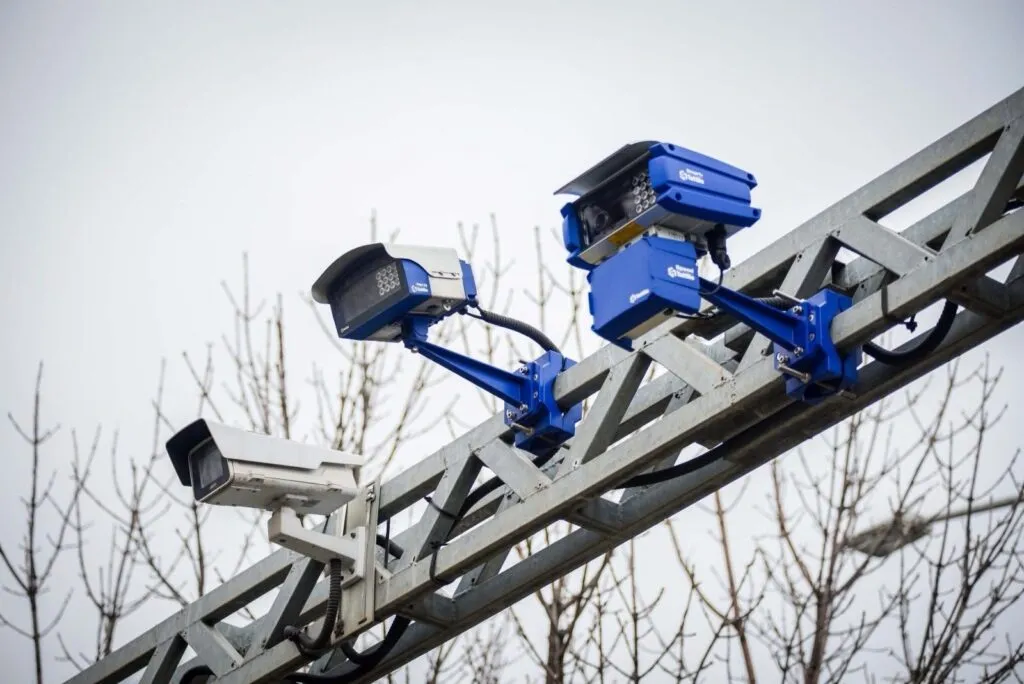
The cameras will count traffic violations, and the Interior Ministry also promises help fighting crime. The project documentation is still...

Every new place is welcome. But 12 users a month is a number that begs a question: how many families...
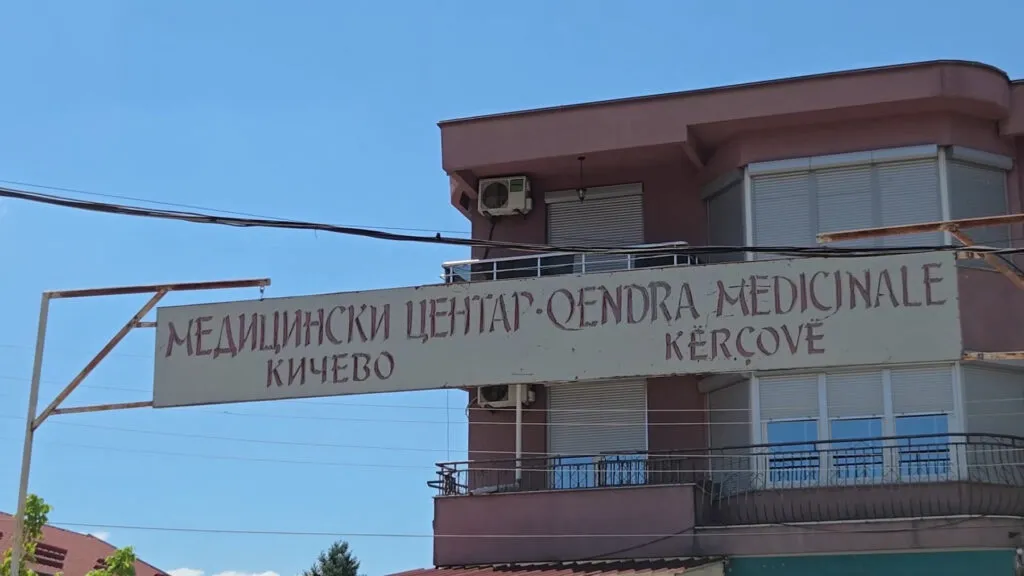
Sašo Klekovski says this time the money has been set aside. There is no start date, and studies are being...
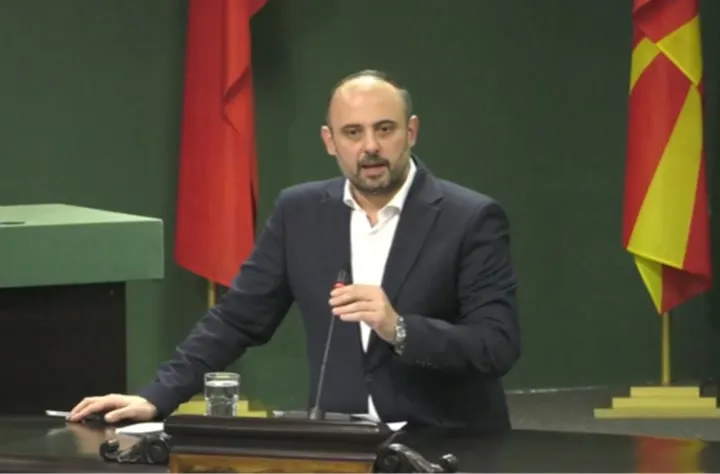
Behind it is a new rule: councillors ask their questions up front, the mayor answers afterwards, with no chance for...

The full marathon field has doubled in a single year. Drivers have eight hours to avoid ending up on the...
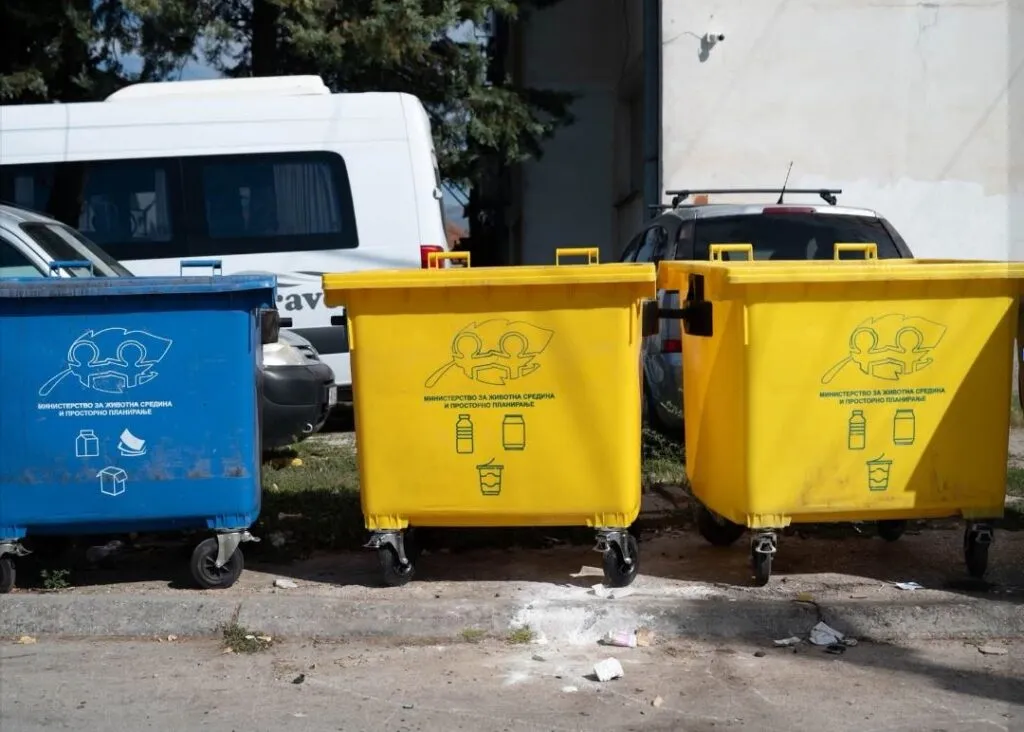
Mayor Darko Kostovski says they are changing the face of the municipality. The number that would prove it is nowhere...

The National Security Agency announced a search of a suspect's home and suspicion of three crimes - but published not...

Bus drivers and street cleaners get priority, admin jobs are cut to a minimum. Sounds good - but not one...
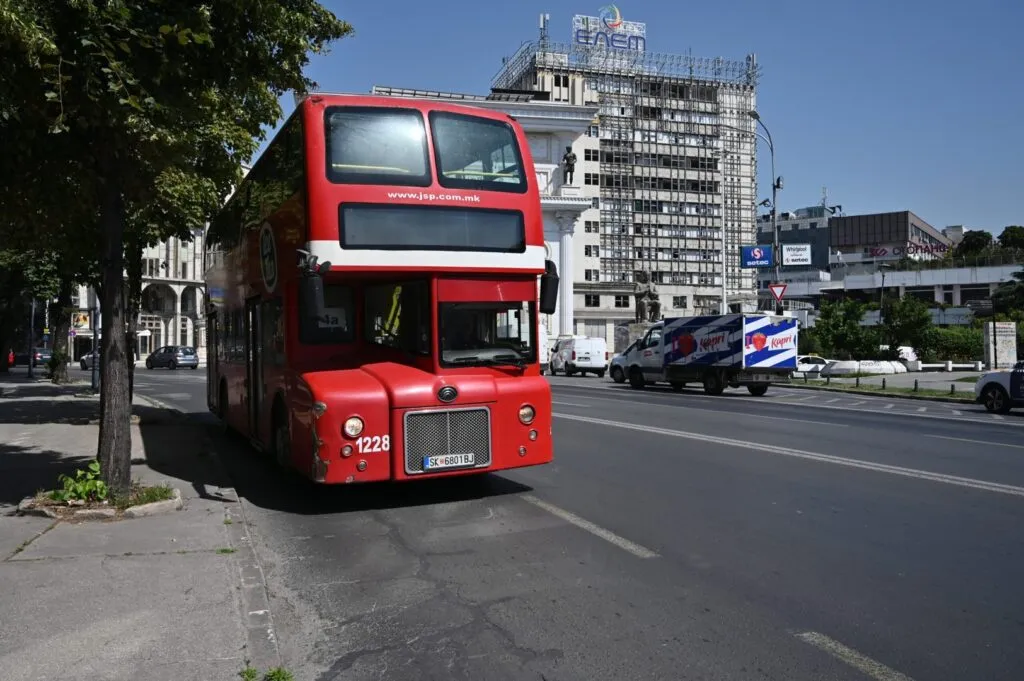
Skopje city council approved the digital pass only for first-year pupils, and the decision doesn't mention students at all. What...
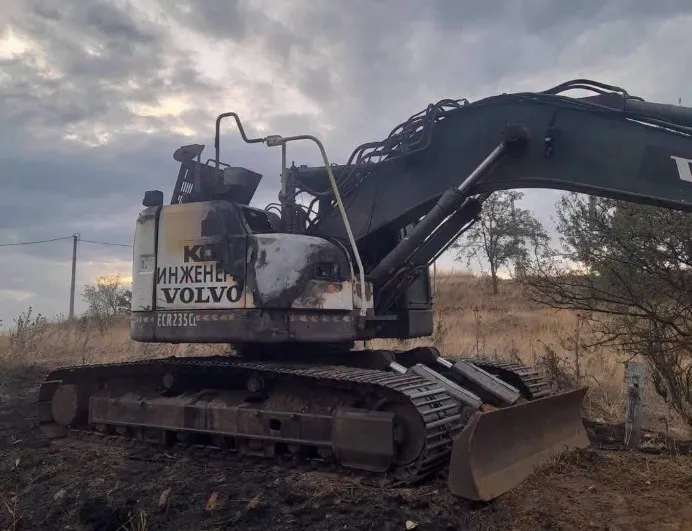
Days after the foundation stone was laid for a stadium worth around 550,000 euros, an excavator burned on the site....
This site uses cookies - is that okay? Learn more
Be the first to know when Metla launches something new
Leave your email and we will write when there is a new guide or something new on Metla.