
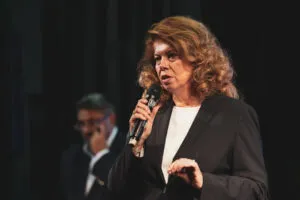
Jotova to Mickoski: Talks "Without Ultimatums" - but First Skopje Must Forget the Issue Is Bilateral
05.10.2026


05.10.2026

05.10.2026
05.10.2026
05.10.2026
05.10.2026
05.10.2026

05.10.2026

05.10.2026

04.10.2026

05.10.2026
05.10.2026

04.10.2026
05.10.2026

05.10.2026

05.10.2026

05.10.2026

04.10.2026

03.10.2026

05.10.2026

05.10.2026

05.10.2026
05.10.2026

05.10.2026

05.10.2026

09.03.2026

27.02.2026

19.02.2026

05.10.2026
04.10.2026

04.10.2026
05.10.2026
04.10.2026

02.10.2026

23.04.2026

23.04.2026

12.04.2026

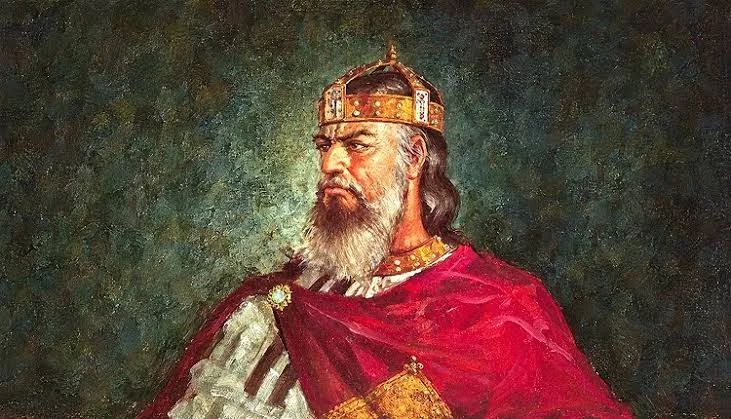
Tsar Samuel is an inseparable part of Macedonia's historical heritage. His state had key centres in Prespa and Ohrid, and Ohrid became one of the most important political and spiritual centres of his empire. That is why Samuel cannot be erased from Macedonian history, regardless of today's disputes over the national interpretation of his state.
However much today's politics try to adapt the Middle Ages to modern national interests, one thing cannot be changed: Tsar Samuel and his state are inseparably tied to the territory of Macedonia.
Neither Sofia nor Athens can simply stamp today's national categories onto a man who lived more than a thousand years ago. In Samuel's time, the modern Balkan nation states did not exist in the form we know them today. That is why any automatic transfer of today's national identities onto the 10th and 11th centuries must be viewed critically.
Prespa and Ohrid were among the key centres of Samuel's rule. It is precisely on the territory of today's Macedonia that significant material and historical traces of his time are found. Ohrid became an exceptionally important political and spiritual centre, and the region around Prespa is directly linked to Samuel and his family.
Greece today officially handed Bulgaria human remains that the two states present as the remains of Tsar Samuel. But the act of handing them over from one state to another is not scientific proof either of the identity of the bones or of the modern national affiliation of a man who lived more than a thousand years ago.
The remains were found in the basilica of St Achillius in Prespa in the 1960s and were attributed to Samuel. Today's diplomatic ceremony is not a new archaeological discovery, and in itself it does not replace scientific identification.
Athens can hand over the remains. Sofia can receive them. But with that act, neither Athens nor Sofia can erase Macedonia from Samuel's history.
Samuel holds a central place in Macedonia's historical heritage, regardless of the interpretations.
The latest 10 news from this category
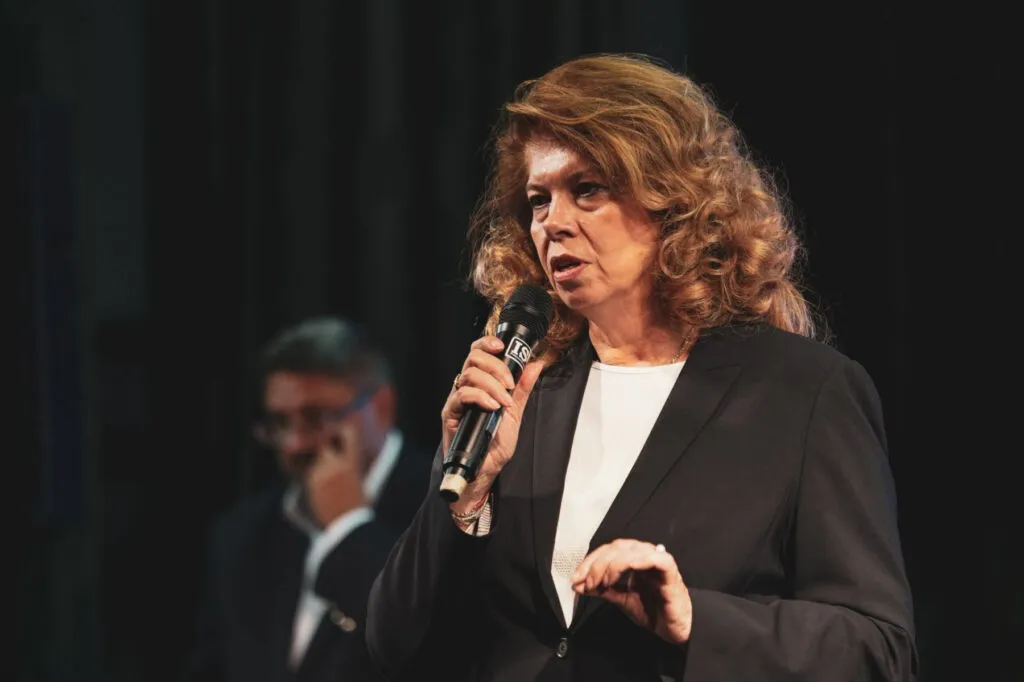
The Bulgarian president says Sofia is open to talks, then lists what Skopje has to accept before it sits down...
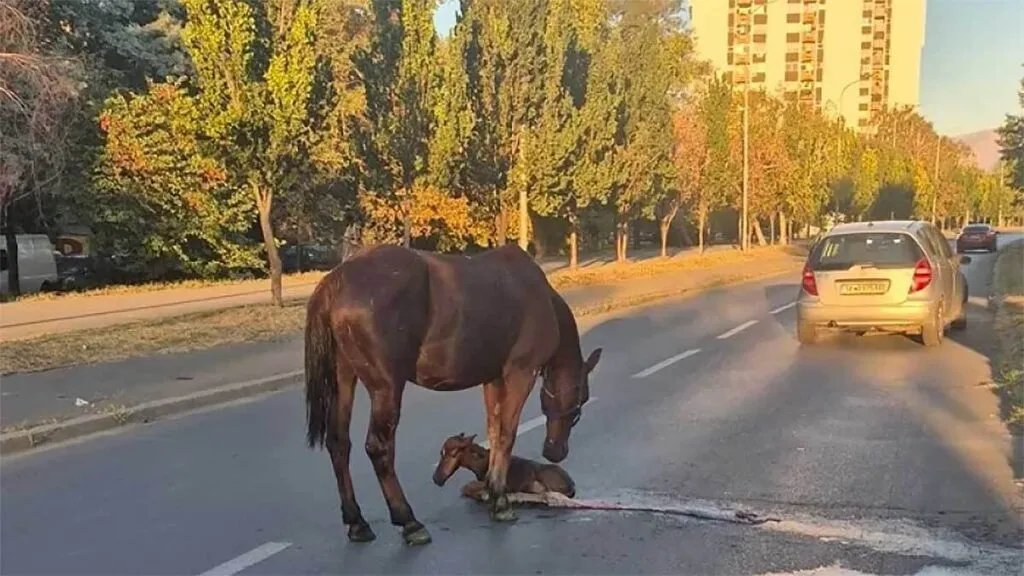
The newborn foal lay on the road while phones kept filming. An hour later the activist was still looking for...
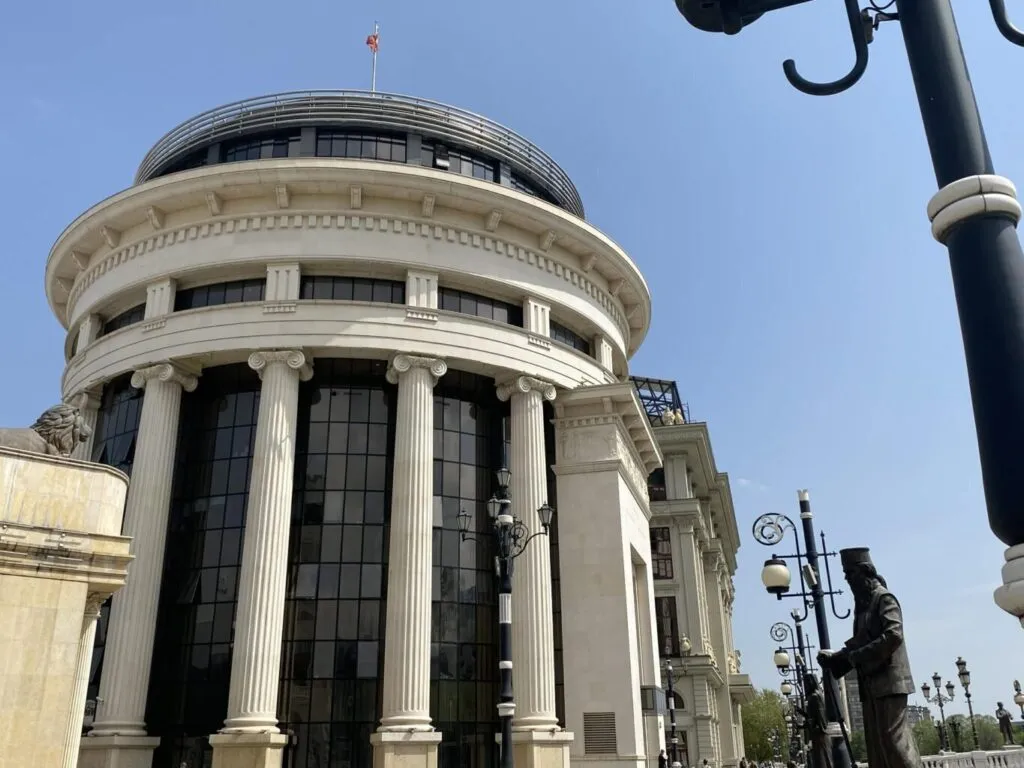
Prosecutors are seeking detention for the 33-year-old, citing a flight risk. The hardest question from the search isn't the weapons...
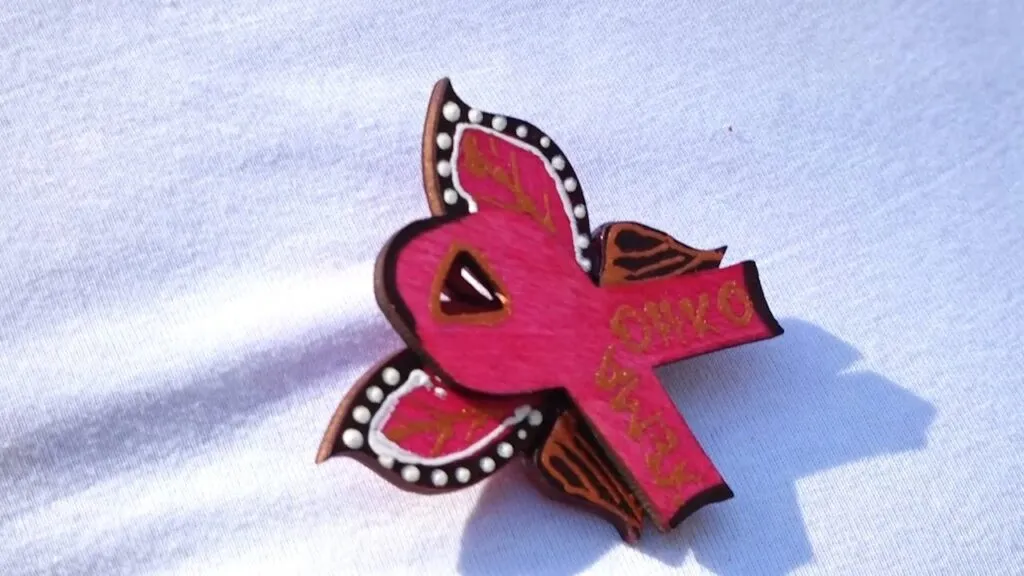
Around a thousand new cases a year, around 7,000 women in or through treatment, and a screening programme the State...
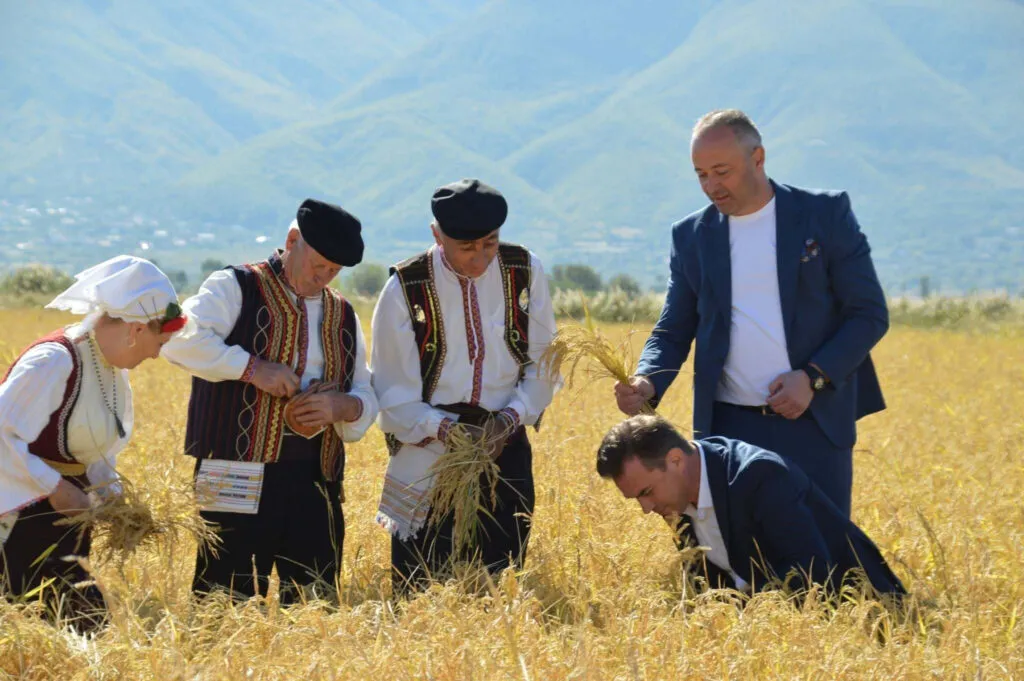
At the 35th Kočani Rice Days, Minister Serafimovski said the ministry is seriously concerned about the price of rice. The...
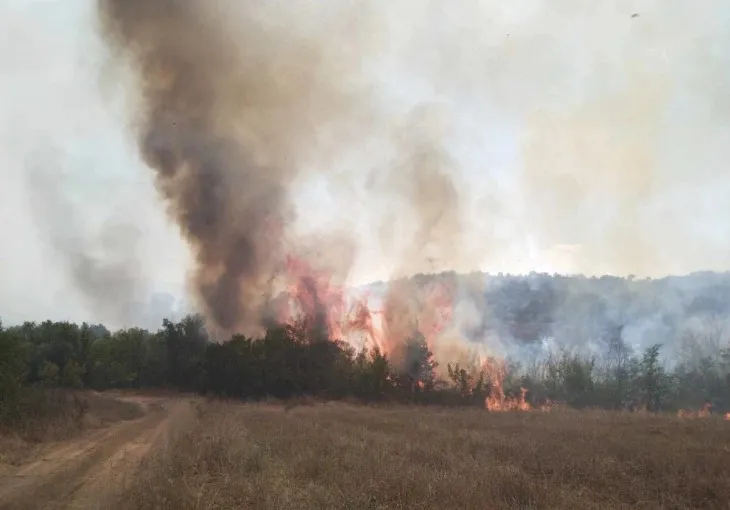
Summer is officially over, the fires are not. The Crisis Management Centre lists 16 active fires in 12 municipalities, and...
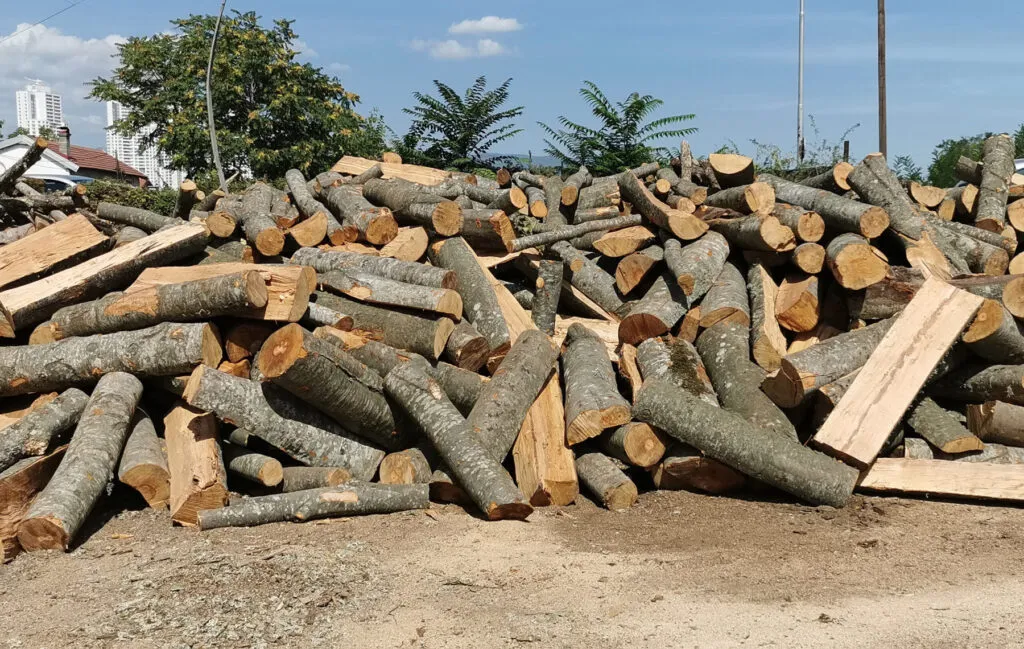
The appeal is aimed at citizens buying cheaper firewood. The admission is about the people who are supposed to guard...
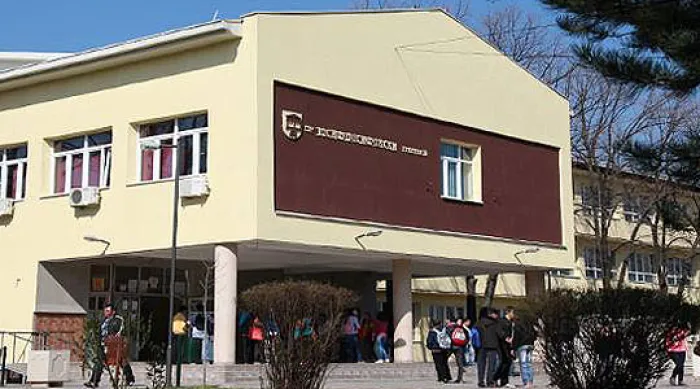
Four students signed up to train as cooks and waiters, six as car mechanics. The ministry allowed smaller grammar-school classes...
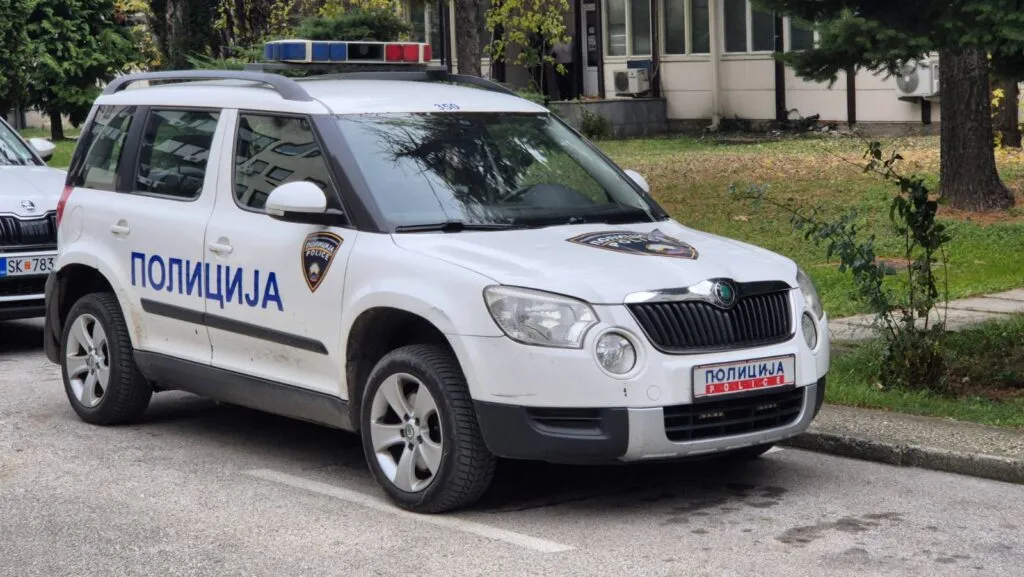
Six people injured, four of them teenagers. The two 14-year-old passengers were transferred to the university clinics in Skopje, and...
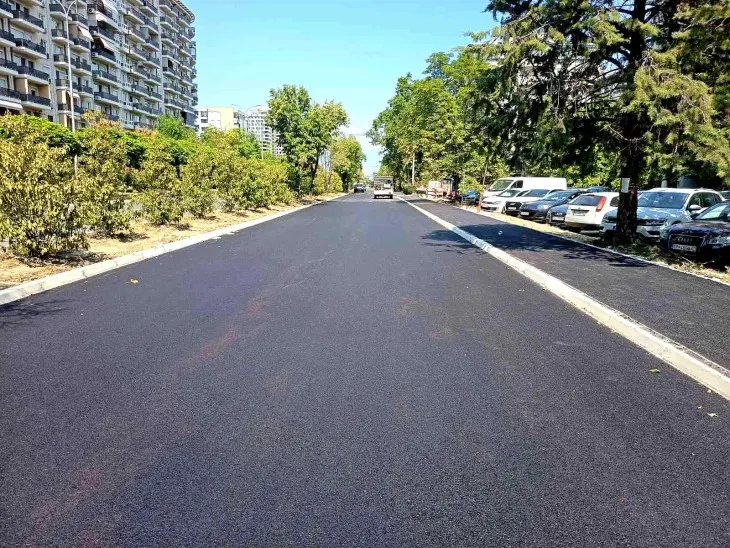
Over 3,500 cubic metres of debris cleared, more than 150 wrecked cars removed and a kindergarten for 130 children in...
This site uses cookies - is that okay? Learn more
Be the first to know when Metla launches something new
Leave your email and we will write when there is a new guide or something new on Metla.