


Head of Bitola's Higher Prosecution Office Loses His Passport: Suspected of Lobbying for Lighter Sentences in at Least Four Cases
08.10.2026


08.10.2026
08.10.2026

08.10.2026
08.10.2026

08.10.2026
08.10.2026

08.10.2026
08.10.2026

07.10.2026

08.10.2026

08.10.2026

07.10.2026

08.10.2026

08.10.2026

08.10.2026
08.10.2026

07.10.2026

06.10.2026

08.10.2026

08.10.2026

08.10.2026

08.10.2026

07.10.2026
07.10.2026

09.03.2026

27.02.2026

19.02.2026

08.10.2026

07.10.2026

06.10.2026
08.10.2026

06.10.2026

05.10.2026

23.04.2026

23.04.2026

12.04.2026

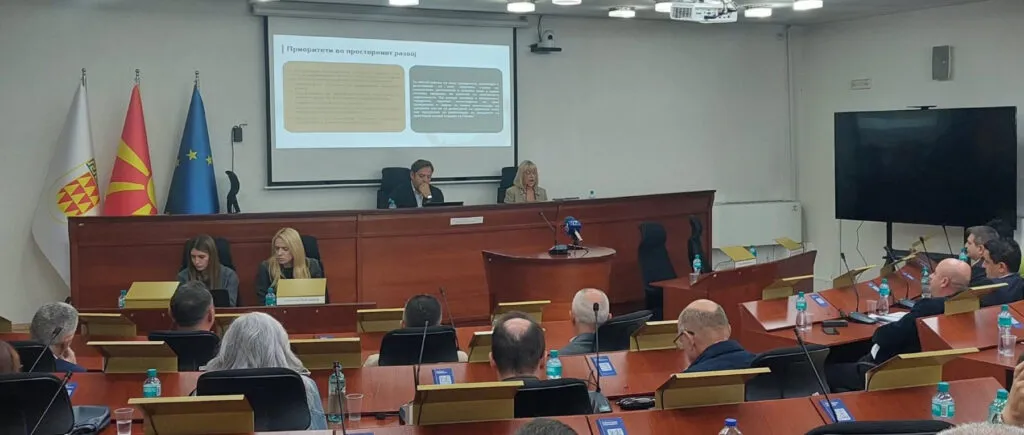
Macedonia will keep losing population. That isn't a line from the opposition or from a pessimistic columnist - it's the conclusion of the experts who presented the country's Draft Spatial Plan to 2040 in Bitola, at a regional expert hearing for the Prespa-Pelagonia region. The document is still a draft and has not been adopted.
The picture is familiar, only now it's written into a state document: negative natural growth in every planning region, ageing, intense migration and an ever-greater concentration of the population in the Skopje Region. The Skopje and Polog regions are the exception, but even they won't reverse the overall decline in population.
The bleakest figure concerns the villages. Settlements with 100 residents or fewer make up almost half of all settlements in the country, yet only about one percent of the population lives in them. They exist more on the map than in everyday life.
Flats without people
In housing, the paradox is even bigger. Intensive residential construction has created a large housing surplus: the number of flats exceeded the previous spatial plan's projections by about 114,000, and almost a third of flats are unoccupied. The housing market is left almost entirely to the private sector, with only a small number of state-owned flats.
And what do the experts name as the first measure against emigration? "Making it easier to solve the housing question, especially for younger generations," said Dušica Trpčevska-Angelković of the Agency for Spatial Planning. So the flats exist - they're just out of reach.
In agriculture the trend is the same. Young people are losing interest, farmland and villages are being abandoned, agricultural land is being rezoned for construction, and organic production is below one percent of the total, despite favourable conditions.
"You've let western Macedonia go to ruin"
The sharpest voice came from the floor. Ljupčo Stojanovski, an environmental expert with 40 years of experience, told the planners that the development axis on their map runs east and south, while there's nothing in the west. "It takes us 6 hours by train from Bitola to Skopje, an unheard-of horror," he said, reminding them that the Bitola-Prilep commuter train the minister promoted still doesn't exist.
The draft plan answers with ambition: Bitola, Strumica and Ohrid within 90 minutes of Skopje by train, via a high-speed line, a deviation from Gradsko towards Rosoman and Raec, and a tunnel under Pletvar to Prilep. It also mentions a Bitola-Ohrid expressway, a motorway link to the Medžitlija border crossing, 16 reservoirs on the region's rivers, a biomass power plant and the possibility of Nidže getting national park status.
From "six hours" to 90 minutes is a big leap for a document that, for now, contains planning solutions and development guidelines - not projects with fixed deadlines. The question is how many people will still be in Bitola by the time the train finally gets there.
The latest 10 news from this category
A stone wall is rising right on the shore in the protected zone, and the mayor is waiting for an...

Film, jazz, Shakespeare - and from October 9, tripe soup. Bitola has a festival for almost everything, and the municipality...
The ban on rebuilding polluting industry near populated areas is going, and the articles on contaminated sites are being deleted....
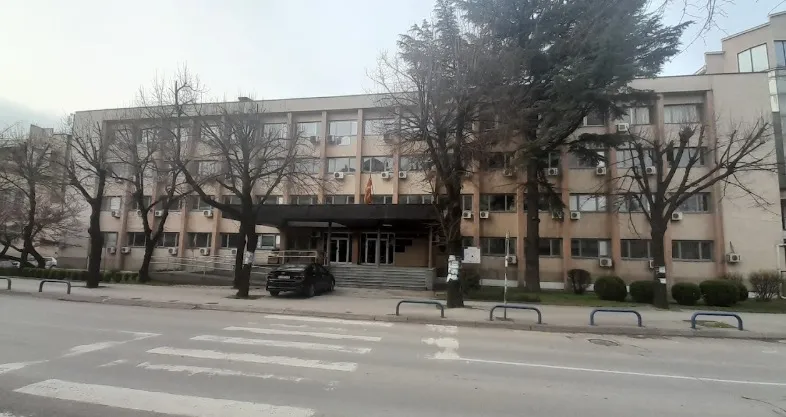
"MUST (in capital letters)," the court president told her staff. The Council voted 8 to 2 that she overstepped her...
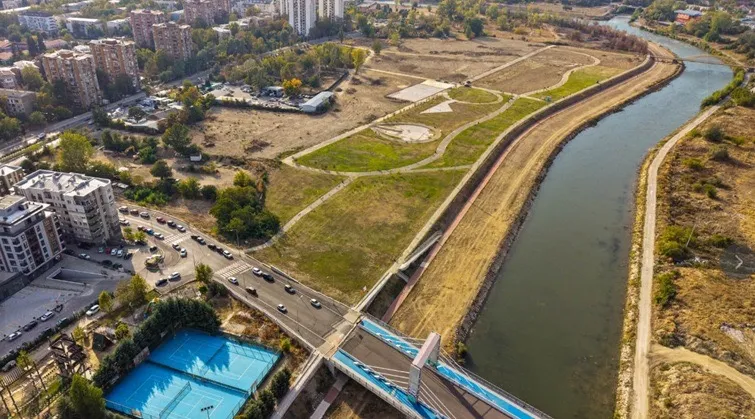
The mayor blamed his predecessors for the garbage and the smoke and promised greenery and playgrounds. By when and for...
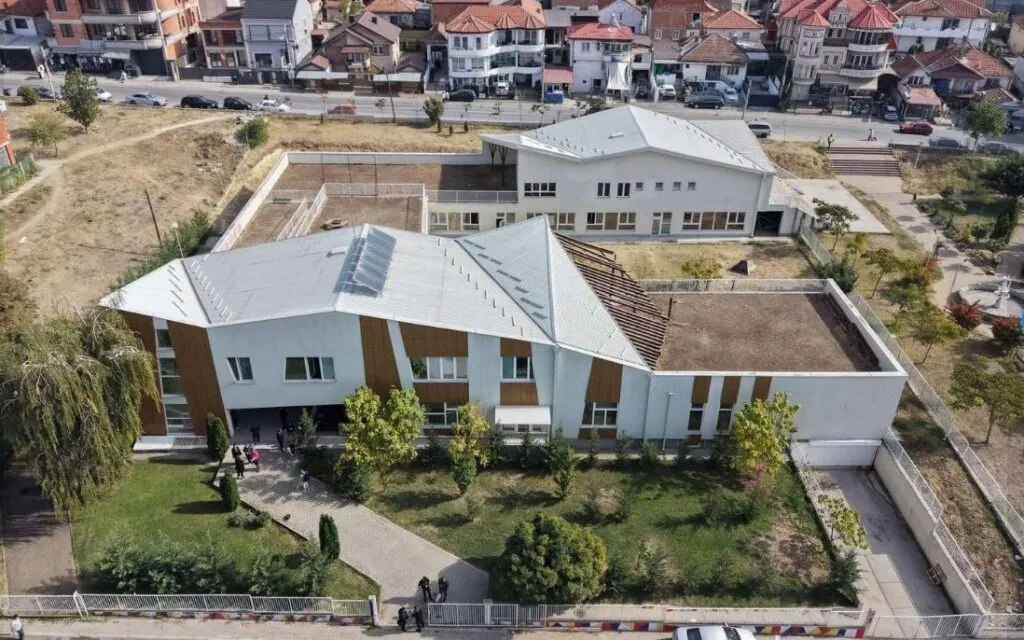
The kindergarten burned down in 2017 and only now has new classrooms, with help from Norway, Switzerland and UNDP. The...
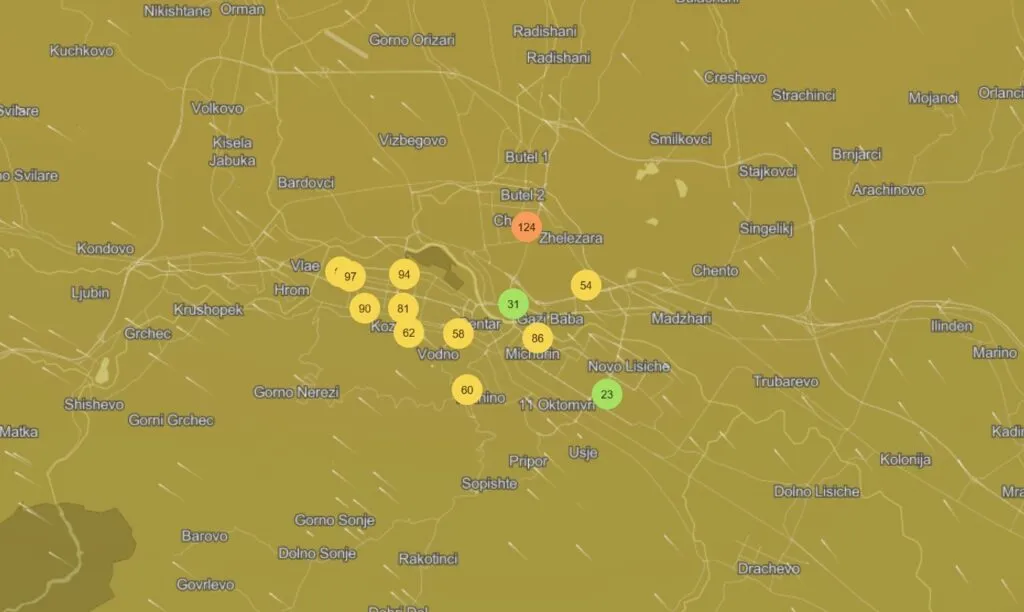
The Rektorat station measured 130 micrograms of PM10 in a single hour, and Železara hit an index of 124. October...
The investors demanded 59.9 million euros after the government cancelled the concession, and an international tribunal dismissed every one of...

Since 2020 the country has been planned according to an expired document. Now, in Bitola, they're promising a motorway to...
They were promised firefighting machinery would arrive by 2 October. It didn't. So now the trucks carrying Kumanovo's rubbish are...
This site uses cookies - is that okay? Learn more
Be the first to know when Metla launches something new
Leave your email and we will write when there is a new guide or something new on Metla.