
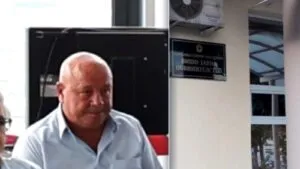
Head of Bitola's Higher Prosecution Office Loses His Passport: Suspected of Lobbying for Lighter Sentences in at Least Four Cases
08.10.2026


08.10.2026
08.10.2026
08.10.2026
08.10.2026

08.10.2026
08.10.2026

08.10.2026

08.10.2026

07.10.2026

08.10.2026

08.10.2026

07.10.2026

08.10.2026

08.10.2026

08.10.2026
08.10.2026

07.10.2026

06.10.2026

08.10.2026

08.10.2026

08.10.2026

08.10.2026

07.10.2026
07.10.2026

09.03.2026

27.02.2026

19.02.2026

08.10.2026

07.10.2026

06.10.2026
08.10.2026

06.10.2026

05.10.2026

23.04.2026

23.04.2026

12.04.2026

The ministry presents them as alignment with EU legislation. Environmental organisations, lawyers and part of the opposition see them as weakening protection against pollution. The proposed amendments to the Law on the Environment are now before MPs, after getting 8 votes in favour each in the Committee on European Affairs and the Legislative Committee, which judged the text "acceptable in terms of its compliance with EU law".
The five kilometres apply only to new factories
Amendments passed in 2022 introduced a ban on building or reconstructing heavy and polluting industrial installations less than five kilometres from a populated area or a protected natural area. The European Commission even noted the restriction in its 2023 report on Macedonia. The new proposal deletes the part about reconstruction.
The Green Humane City initiative warns what that means in practice: industrial installations that closed long ago, in Skopje for example, could start operating again, and existing ones could expand production. Instead of moving polluters away from people's homes, they say, this is a "catastrophic regressive step".
The articles that deal with the "hot spots"
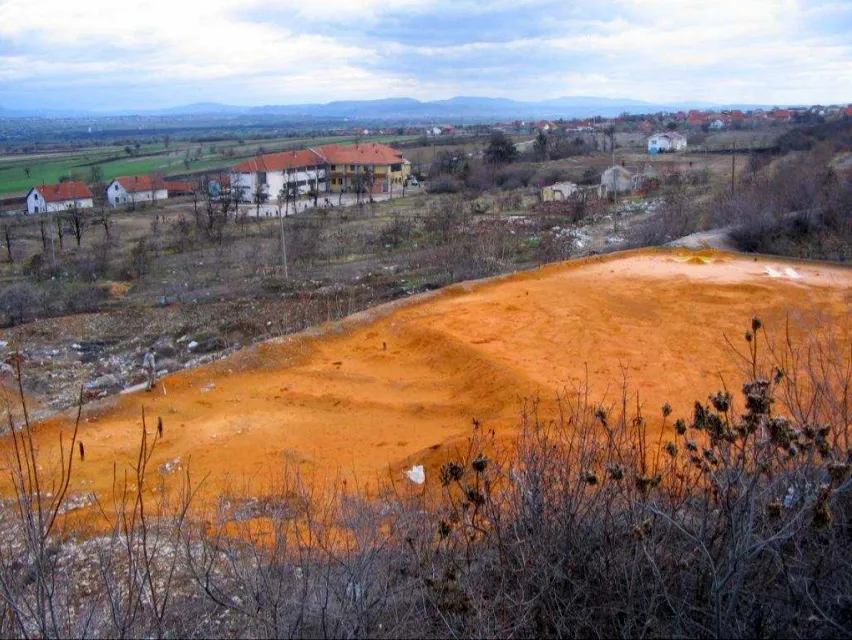
The second big objection concerns Articles 28-a, 28-b, 28-c and 28-d, which govern how contaminated sites are identified, managed and cleaned up. The proposal simply deletes them. According to Green Humane City, the plan under Article 28-b has for years prevented contaminated land from being sold or handed out as a concession. "Now it will be possible for someone to sell you polluted land without you having any idea," the initiative warns.
The Macedonian Young Lawyers Association points to where the legal vacuum will be felt: the lindane from the OHIS factory, the piles of carcinogenic arsenic from the former Lojane mine, and the hexavalent chromium from Jugohrom, which can threaten groundwater and Skopje's water supply from the Rašče spring. The 2021-2031 Waste Management Plan identifies seven such sites. The problem at most of them remains unsolved to this day.
The deletion also removes the obligation for future concessionaires to clean up contaminated sites through a dedicated remediation plan. That means a concessionaire could extract the economically profitable materials and leave the pollution to the state and its citizens. The scenario isn't theoretical: the government will be looking for a new concessionaire for Lojane, after the previous one walked away without cleaning up the poisons.
Less public, more minister
According to Green Humane City, the amendments also scrap mandatory recording of public hearings, weaken guarantees that documentation is available online, and replace mandatory institutional opinions on industrial safety with a commission chosen by the minister. The organisation Eko-svest warns of a legal vacuum and of the risk that the provisions won't match the new nature protection law, which is already in the pipeline.
Levica MP Jovana Mojsoska has asked for the amendments to be pulled from the agenda. If this is the European path, it's strange that the very ban Brussels noted in its own report is now being deleted in the name of Brussels. Who exactly needs a factory rebuilt less than five kilometres from someone's backyard?
The latest 10 news from this category
About 114,000 more flats have been built than projected, yet experts name easier access to housing as the cure for...
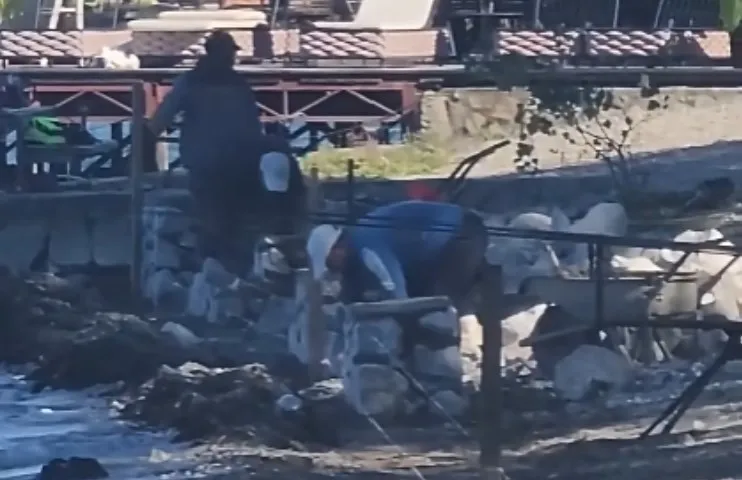
A stone wall is rising right on the shore in the protected zone, and the mayor is waiting for an...

Film, jazz, Shakespeare - and from October 9, tripe soup. Bitola has a festival for almost everything, and the municipality...
"MUST (in capital letters)," the court president told her staff. The Council voted 8 to 2 that she overstepped her...
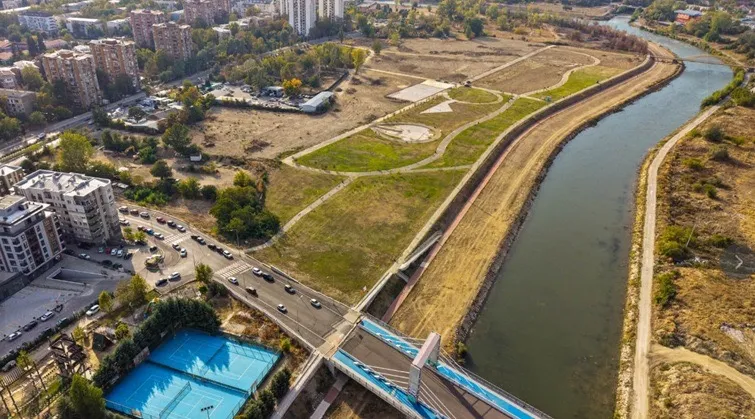
The mayor blamed his predecessors for the garbage and the smoke and promised greenery and playgrounds. By when and for...
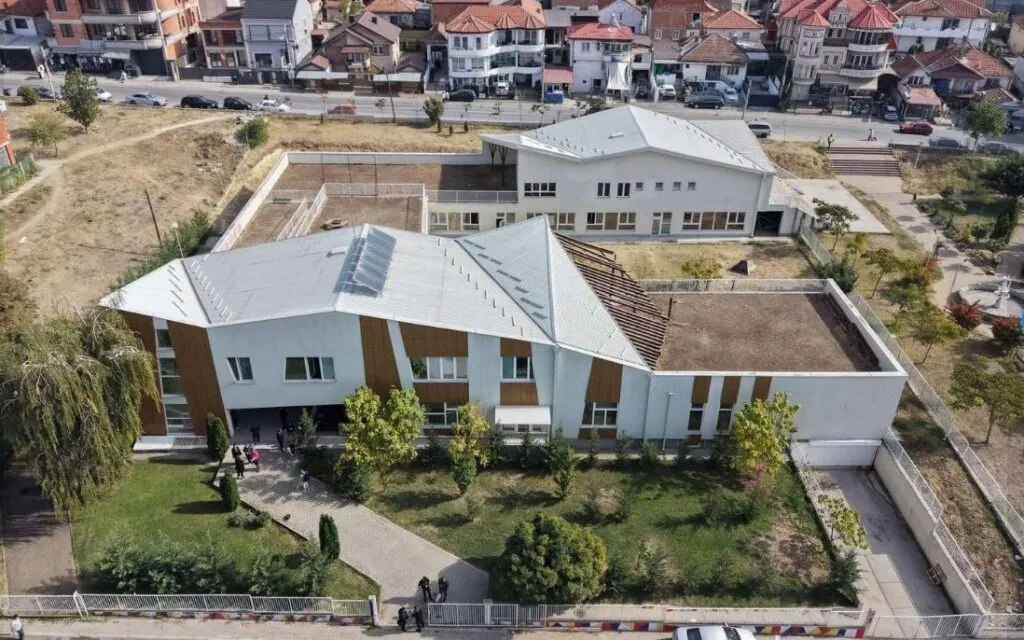
The kindergarten burned down in 2017 and only now has new classrooms, with help from Norway, Switzerland and UNDP. The...
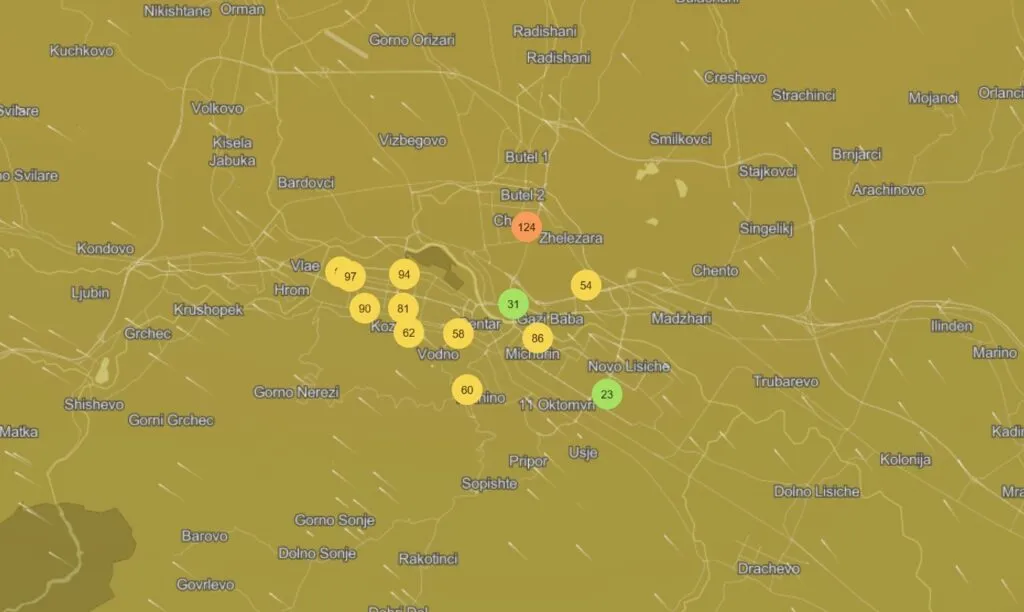
The Rektorat station measured 130 micrograms of PM10 in a single hour, and Železara hit an index of 124. October...

The investors demanded 59.9 million euros after the government cancelled the concession, and an international tribunal dismissed every one of...
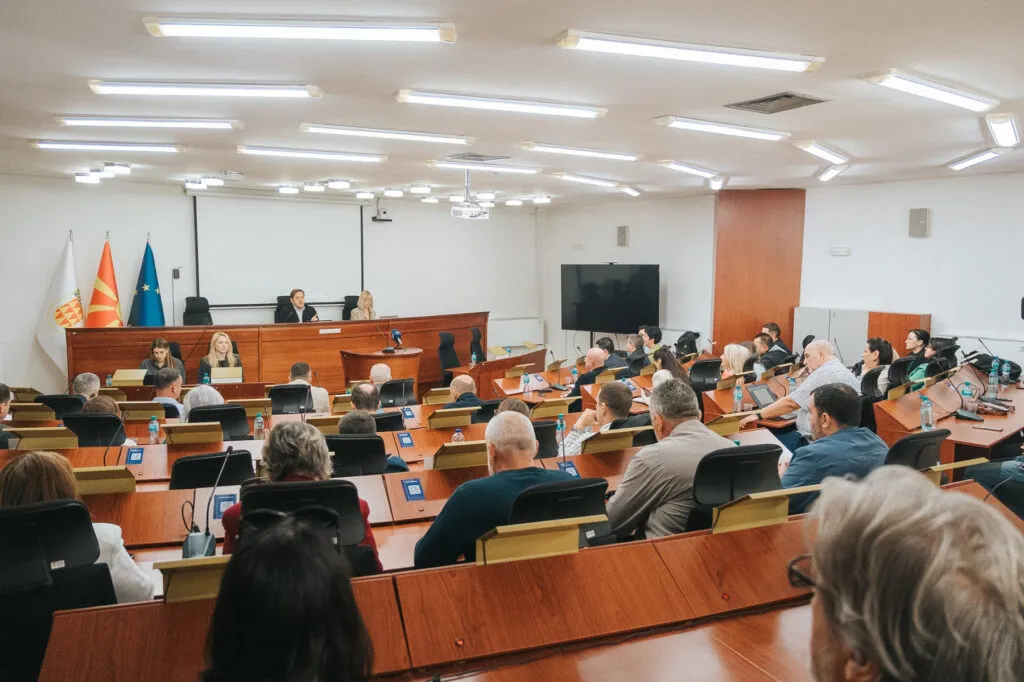
Since 2020 the country has been planned according to an expired document. Now, in Bitola, they're promising a motorway to...
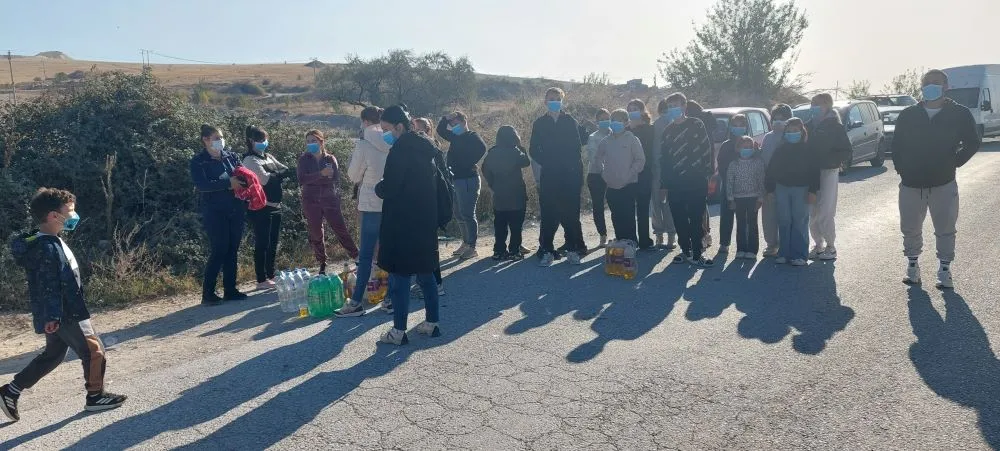
They were promised firefighting machinery would arrive by 2 October. It didn't. So now the trucks carrying Kumanovo's rubbish are...
This site uses cookies - is that okay? Learn more
Be the first to know when Metla launches something new
Leave your email and we will write when there is a new guide or something new on Metla.