
Sixteen Arrests in Twenty-Four Hours, All for Drugs: The Police Are Working - But Where Are All These People Coming From?
20.09.2026


20.09.2026

20.09.2026

20.09.2026

20.09.2026
20.09.2026

20.09.2026

20.09.2026
20.09.2026

20.09.2026

20.09.2026

20.09.2026

19.09.2026

20.09.2026

20.09.2026
20.09.2026

20.09.2026

19.09.2026
18.09.2026

20.09.2026

20.09.2026

20.09.2026
20.09.2026

20.09.2026

20.09.2026

09.03.2026

27.02.2026

19.02.2026

20.09.2026

19.09.2026

18.09.2026

23.04.2026

23.04.2026

12.04.2026

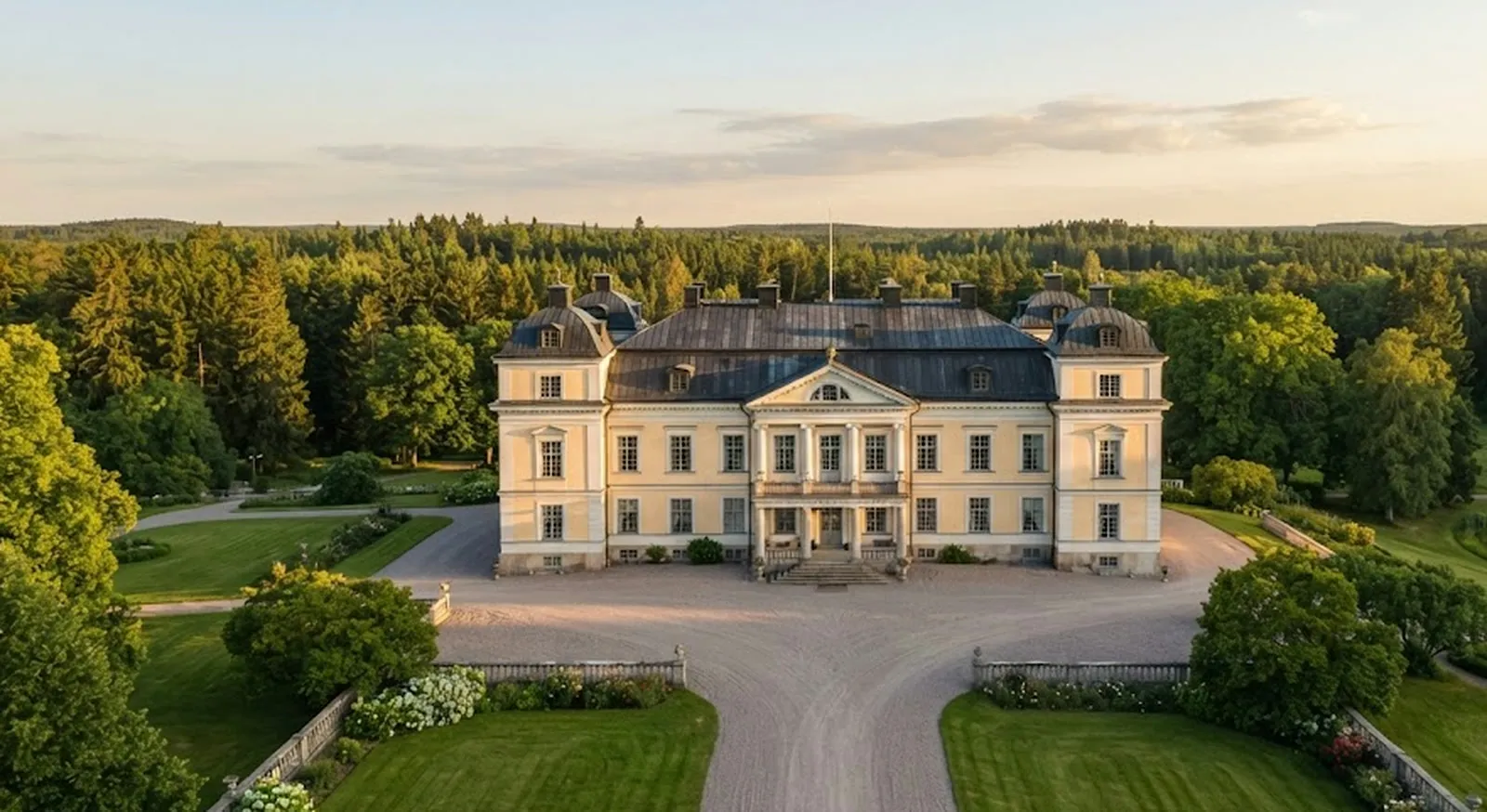
In royal families the rules of inheritance are usually known in advance. In Sweden, however, one ten-year-old boy turned them upside down - not because of politics, but because of a testament written more than a century ago. Prince Alexander, the eldest son of Prince Carl Philip and Princess Sofia, is fifth in line for the throne. But when it comes to one particular palace, he is first - ahead of his father, ahead of his aunt, Crown Princess Victoria, and ahead of all the rest.
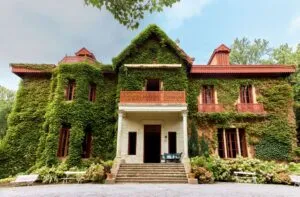
The palace is called Stenhammar and lies about 120 kilometres southwest of Stockholm, near Flen. The estate stretches over 2,000 hectares, of which 1,200 are forest - which is exactly why it is among the favourite residences of King Carl Gustaf and Queen Silvia. They withdrew here during the pandemic, and in August 2023 they welcomed Ukrainian President Volodymyr Zelensky and his wife Olena here. Less well known than the other palaces, Stenhammar has always had a more family than official character.
The key is that the palace is not the king's private property. Since 1903 it has belonged to the state - but not like the ordinary royal residences. The former owner, Robert von Kraemer, left the estate to the state under one very precise condition: it must be given for free exclusively to a „member of the royal family with a right to the throne”. And then he added one more condition that today decides everything - priority goes to whoever holds the title of Duke of Södermanland, the province in which the palace stands.
This is exactly where little Alexander comes in. According to Swedish royal expert Sara Eriksson, he is the only member of the family who fulfils the letter of the testament - Duke of Södermanland by birth, a title granted to him by his grandfather. King Carl Gustaf gave each of his grandchildren a dukedom, and to the firstborn son of his only son he gave one of the most historic titles - the one that coincides with the land on which Stenhammar stands. Coincidental or not, the result is clear.
There is a quiet irony in all of this too. It is known that in the first years of his reign Carl Gustaf would have preferred his heir to be a son, rather than the firstborn daughter. Sweden nevertheless did not give up the reform that equalised the rights of men and women even at the very top of the state - Victoria remained Crown Princess. But the old testament from 1903 remained untouched, and through it flowed exactly what history had closed off through the main door.
So a child of ten could one day become the keeper of Stenhammar - an estate built in 1603, with more than 150 buildings from barns to houses and cabins, and today devoted mainly to sustainable farming and livestock. Royal households change, the order of succession changes, but a sheet of paper written 120 years ago still decides to whom a king's favourite palace belongs. Sometimes the past knows how to be more stubborn than any new law.
The latest 10 news from this category
Two prime ministers in the same Union, the same month, completely opposite diagnoses of who is provoking whom. There is...

A broken aircraft in a field usually ends up in a police note. This one ended up with federal investigators,...

Beijing will easily find another supplier. The harder question is what Washington is actually testing: whether private Chinese companies will...

The law lets Washington hit the five biggest buyers of Russian oil with tariffs of up to 100 per cent....
Measures imposed over the war in Ukraine are now being offered as currency in an entirely different dispute. If the...

A smaller dose and more needles does not mean a safer vaccine, it means an ineffective one. Science has had...
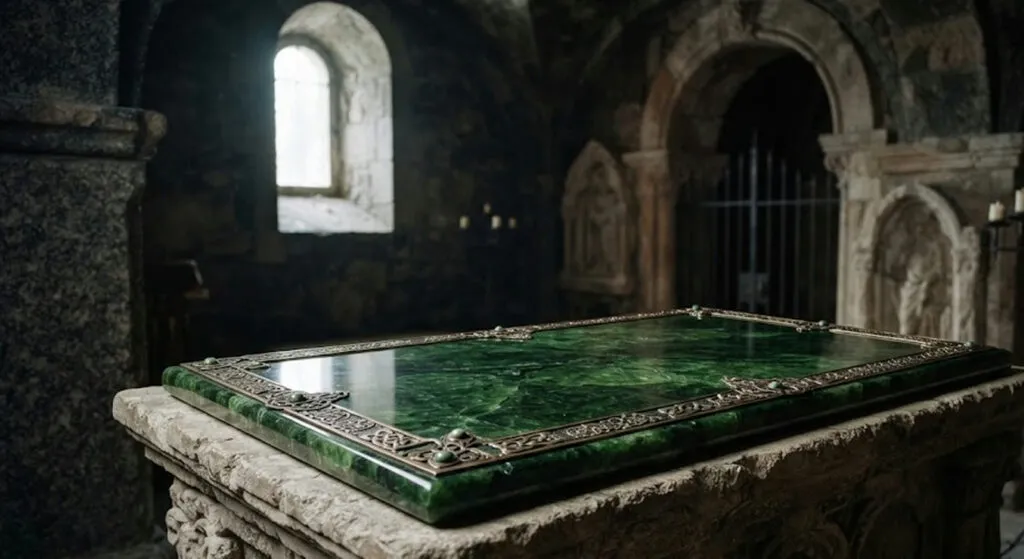
Harald designed the sarcophagus himself, and it is shaped like a ship. The stone is 400 million years old and...

Von der Leyen proposed a status that does not exist in European law, the Canadians distanced themselves, and Washington announced...

The French candidate called the war in Ukraine a slaughterhouse and pointed out it has already lasted longer than the...
Four decades in politics, but the headline the world wrote was about her brother and his sixteen wives. When the...
This site uses cookies - is that okay? Learn more
Be the first to know when Metla launches something new
Leave your email and we will write when there is a new guide or something new on Metla.