


Two Schoolyard Assaults Reported in a Single Day: the Police Promised Measures, the Education System Said Nothing
19.09.2026


19.09.2026

19.09.2026
19.09.2026

19.09.2026
19.09.2026
19.09.2026

19.09.2026
18.09.2026

17.09.2026
19.09.2026
19.09.2026

18.09.2026

19.09.2026

19.09.2026

19.09.2026

19.09.2026

18.09.2026

17.09.2026
19.09.2026

19.09.2026

19.09.2026
19.09.2026

19.09.2026
18.09.2026

09.03.2026

27.02.2026

19.02.2026

19.09.2026
18.09.2026
17.09.2026

23.04.2026

23.04.2026

12.04.2026

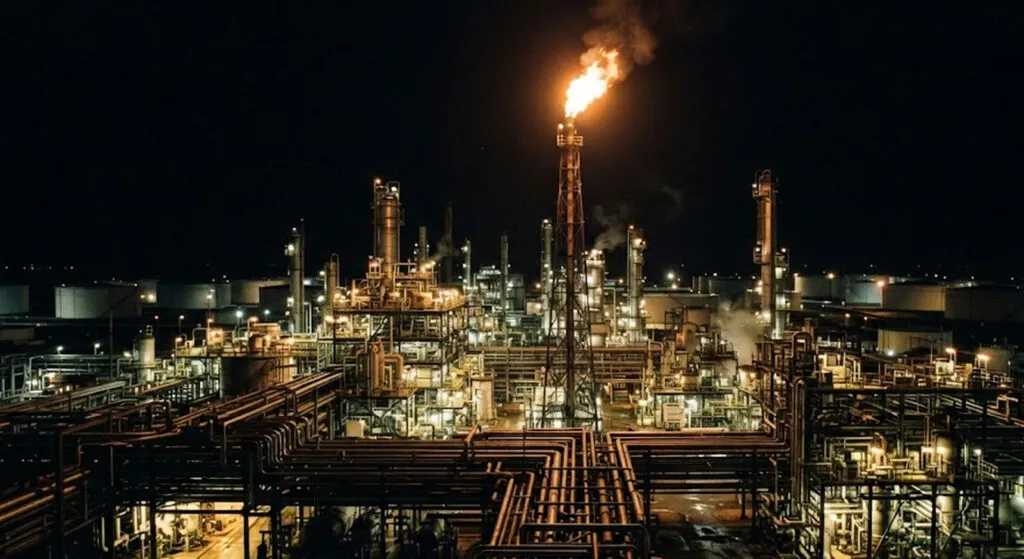
A law has been signed giving the US president the authority to impose tariffs of up to 100 per cent on the five largest buyers of Russian oil and gas. It is not hard to guess who they are. China and India top the list, and between them they have taken the bulk of Russia's export barrels over the past four years.
The numbers are plain. According to data from the research centre CREA, between December 2022 and August 2026 China took 50 per cent of Russian crude oil exports and India 37 per cent. Turkey and the European Union, 5 per cent each. So while Brussels was boasting about how far it had weaned itself off Russian oil, two countries were buying almost all of it.
The law runs to 48 pages and carries the name of Senator Lindsey Graham, who died on 11 July at the age of 71. Graham was among the loudest advocates of tougher measures against Moscow after the February 2022 invasion, and he died shortly after returning from Kyiv. The law also covers the Russian president, senior officials, financial institutions and the so-called shadow fleet of tankers Moscow uses to get around existing restrictions.
There is a way out, too. Countries that import less than 15 per cent of their natural gas from Russia and are actively cutting that dependency are exempt. In other words: the penalty is aimed at those still buying a lot, not at everyone.
The big words are already coming out of Washington. Democratic Senator Richard Blumenthal called the measures "devastating sanctions" that will choke Putin's war machine. Ukrainian President Volodymyr Zelensky welcomed the adoption, pointing to the symbolism of the date - the same week Russian missiles were again falling on Ukraine.
But this is where the real question starts. A 100 per cent tariff on China and India is not a sanction on Russia, it is a sanction on the global oil trade. If the buyers step back, the barrels do not disappear - they simply find a longer, more expensive and murkier route to market. And when the route to market gets more expensive, the bill is not paid only by whoever writes it.
In the Balkans we know this scene from the other side. Every time the big players fight over energy prices, small countries end up as part of somebody else's reckoning, without anyone asking them. How much of this law will actually be enforced, and how much stays paper for the negotiating table? That is exactly the part nobody says out loud.
The latest 10 news from this category
Measures imposed over the war in Ukraine are now being offered as currency in an entirely different dispute. If the...

A smaller dose and more needles does not mean a safer vaccine, it means an ineffective one. Science has had...
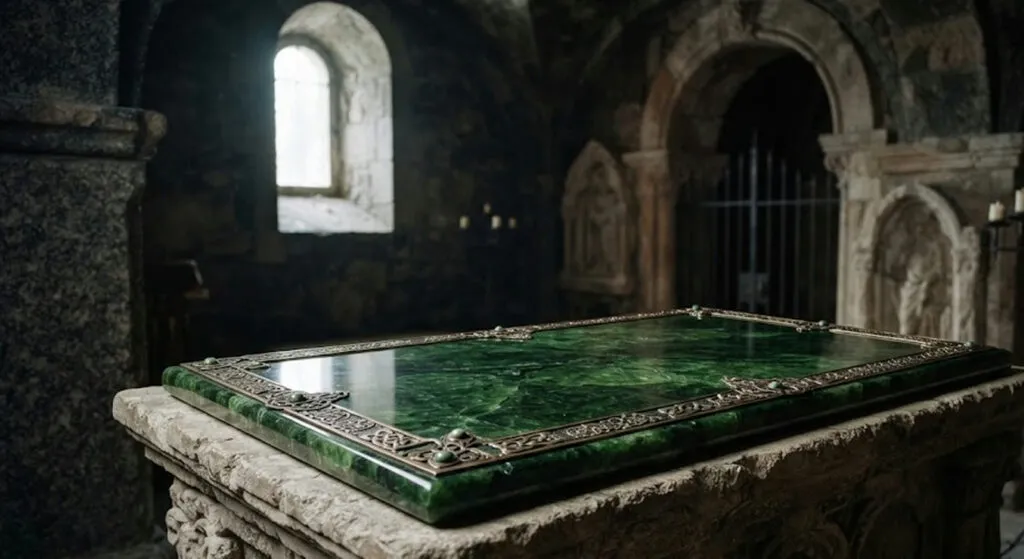
Harald designed the sarcophagus himself, and it is shaped like a ship. The stone is 400 million years old and...
Von der Leyen proposed a status that does not exist in European law, the Canadians distanced themselves, and Washington announced...

The French candidate called the war in Ukraine a slaughterhouse and pointed out it has already lasted longer than the...

Four decades in politics, but the headline the world wrote was about her brother and his sixteen wives. When the...
The status of "associate member" does not exist in EU law. Macedonia has been queuing for twenty years and hearing...

Sanctions imposed over one war are being offered as currency in an entirely different dispute. Most member states are against...
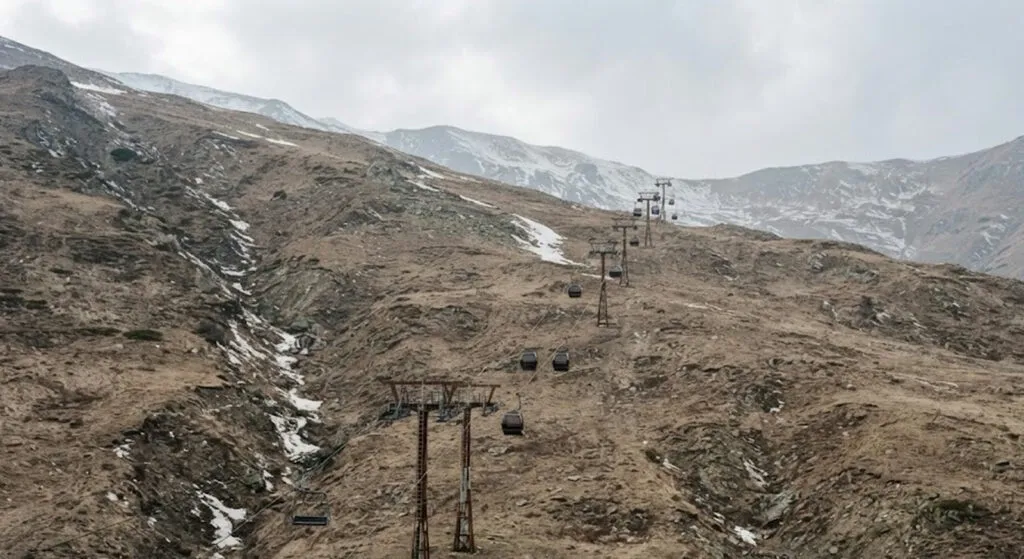
El Nino in the Pacific shifts the currents that decide where snow falls. An area that usually gets a metre...
The easiest way to dismiss an uncomfortable argument is to point at who is making it. But that does not...
This site uses cookies - is that okay? Learn more
Be the first to know when Metla launches something new
Leave your email and we will write when there is a new guide or something new on Metla.
