Counter-terror raid in Skopje: an ISIS flag and weapons, while official details come "once it's over"
29.09.2026


29.09.2026
29.09.2026
29.09.2026

29.09.2026

29.09.2026
29.09.2026
29.09.2026

28.09.2026

27.09.2026

29.09.2026

29.09.2026

28.09.2026

29.09.2026

29.09.2026

29.09.2026

29.09.2026
28.09.2026
27.09.2026

29.09.2026

29.09.2026

29.09.2026

29.09.2026

29.09.2026

28.09.2026

09.03.2026

27.02.2026

19.02.2026
29.09.2026

28.09.2026

27.09.2026

23.04.2026

23.04.2026

12.04.2026

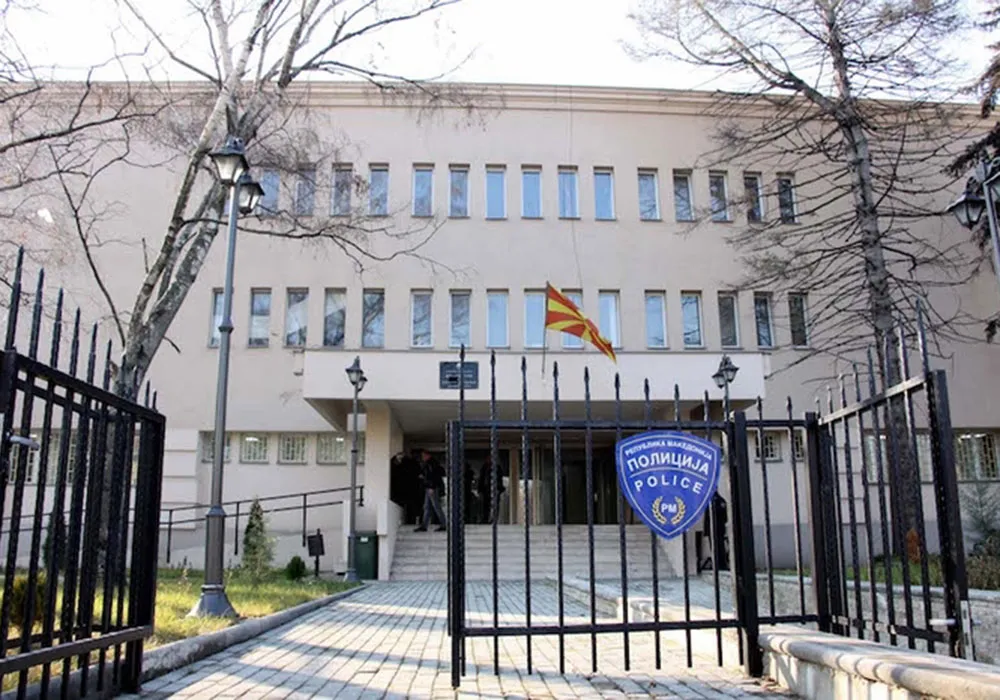
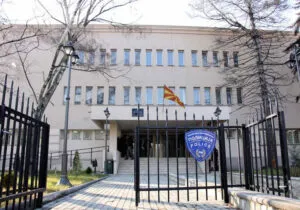
Skopje woke up yesterday morning to searches at several locations. The Interior Ministry and the National Security Agency (ANB), led by a prosecutor from the Public Prosecutor's Office for Organised Crime and Corruption (OJO GOKK), detained several people on suspicion of terrorism-related offences.
The official line is short and familiar: "The public will be informed once the operation is complete." The Interior Ministry added that the raid is being carried out by its Counter-Terrorism Sector within the Department for Combating Organised and Serious Crime, in coordination with the ANB. How many people were detained, who they are and what exactly they are accused of - not a word so far.
What is known comes from sources in the security and intelligence community involved in the operation. According to them, it is a group of around five people suspected of loan-sharking, but also of indoctrination and incitement to terrorism. During the searches, the same sources say, an ISIS flag, weapons and ammunition were found.
Loan-sharking and radicalisation in the same group? The combination sounds odd, but it is exactly the most interesting part of the story. If high-interest loans and indoctrination were moving through the same hands, the question is whether one was feeding the other - and how long the services have been watching this group.
It is not yet known whether those detained are Macedonian or foreign citizens, or whether any activities were aimed at Macedonia or at other countries. Nor is it clear whether these are already-registered extremists or new faces. Almost all of Macedonia's convicted ISIS returnees have already served their prison sentences and are in a resocialisation programme. Whether that programme works is exactly what OJO GOKK's statement will show once the operation is over.
In operations like this, secrecy is understandable while they are under way. But once it ends, the police and prosecutors owe the public clear numbers: how many people, what weapons, what evidence. Security isn't built on arrests alone - it is built on trust that institutions will say exactly what they found.
The latest 10 news from this category
He answered with "yes" and "no", so it was never clear which killing he was admitting and which he was...
A street fight in Bad Segeberg ended with emergency surgery for the young Macedonian. The man suspected of the knife...
Seven villages with more than 5,000 people are breathing smoke from the landfill. The municipality promises machinery within two days,...
The list is long - streets, car parks, scholarships, festivals. There are no figures in the report, and some of...
Housewives, wood stoves, red peppers and homemade cheese. A tradition Bosilovo has been building for five years running - and...

Bilateral meetings with Bulgaria are getting nowhere, the minister says, and the EU has to step in directly. A mediator...
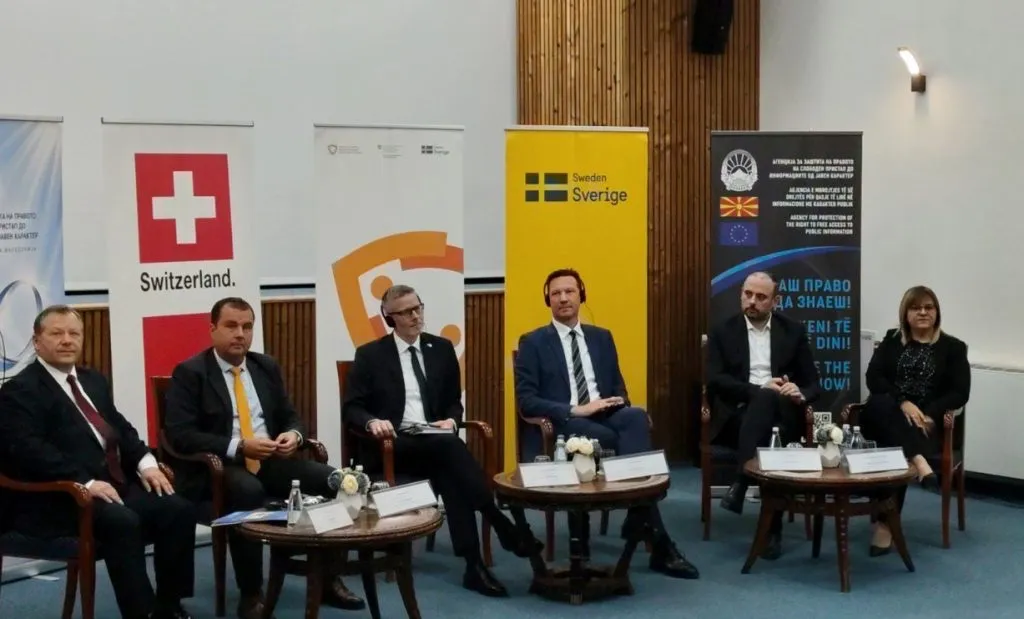
Only 50 of 81 municipalities replied within the legal deadline. Two decades into the law, information still often arrives only...
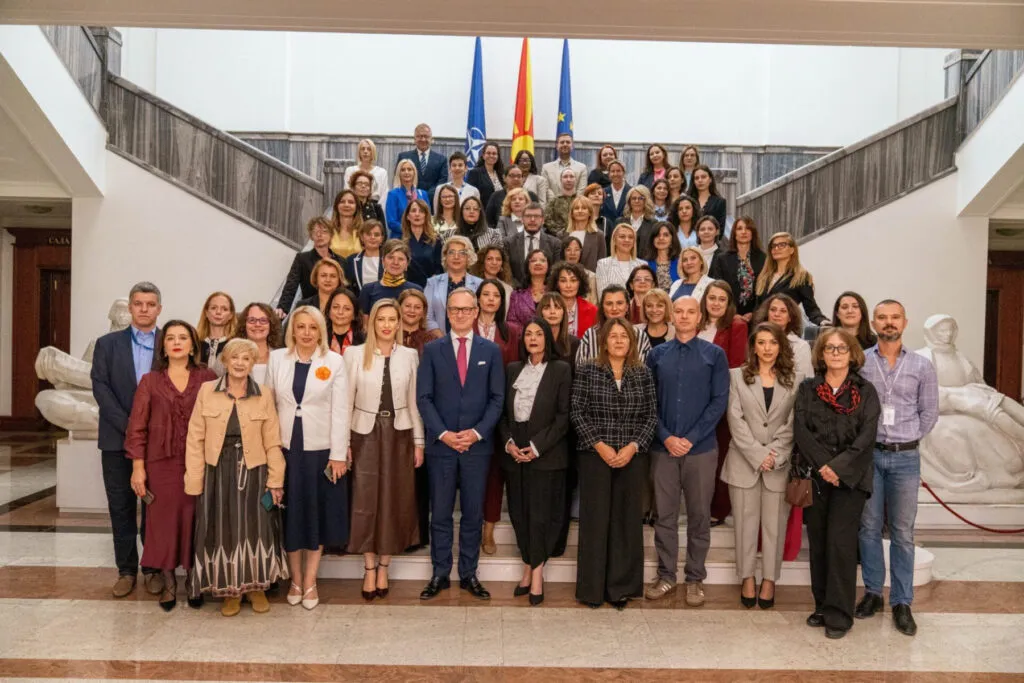
Every day, 137 women and girls around the world are killed by a partner or family member. The killing is...
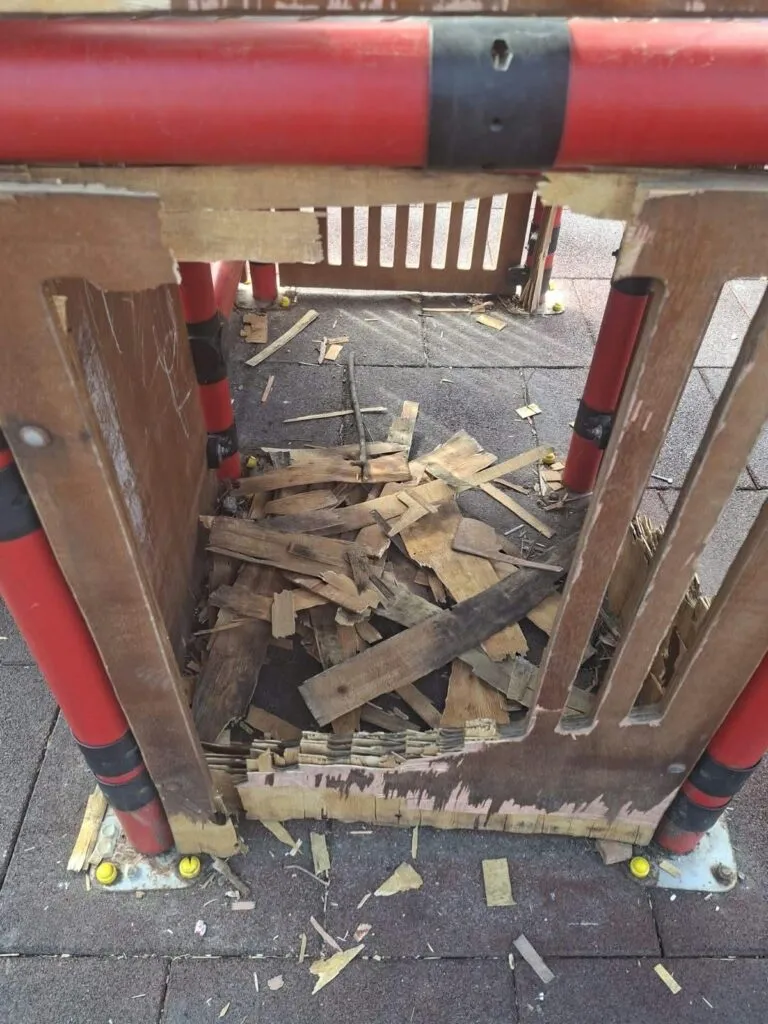
In Taftalidže the equipment is loose, in Karpoš 1 it's broken. Parents aren't asking which level of government is responsible...
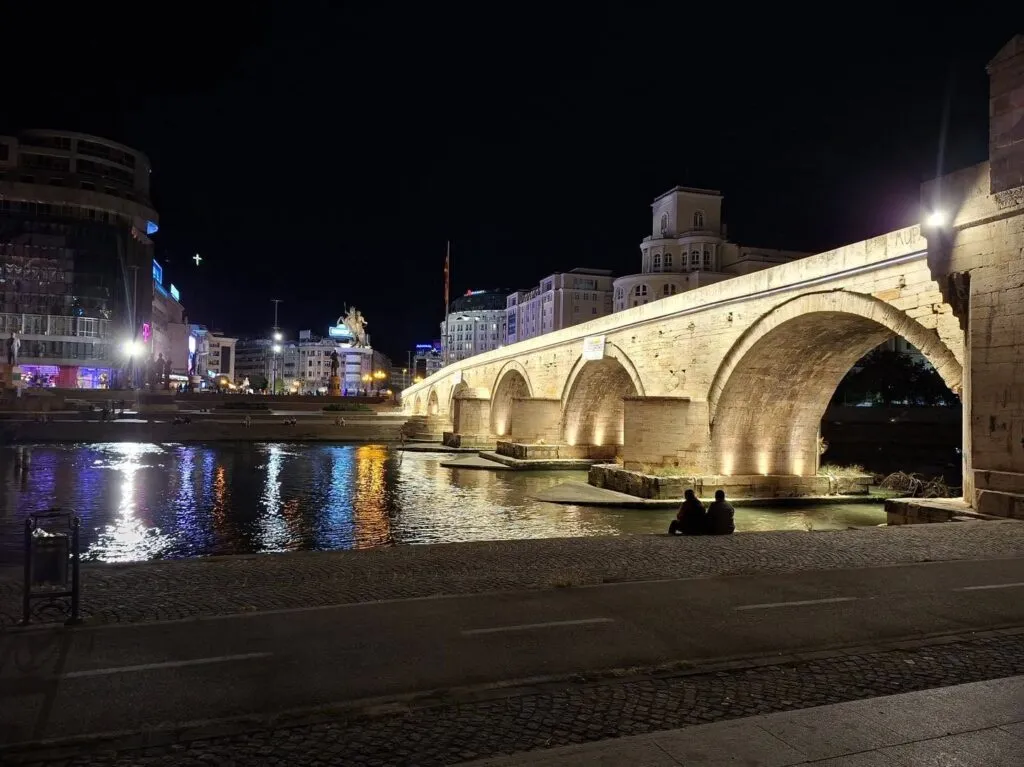
The old lamps were stolen or smashed, and the new ones were donated by Esenler. How much it cost and...
This site uses cookies - is that okay? Learn more
Be the first to know when Metla launches something new
Leave your email and we will write when there is a new guide or something new on Metla.