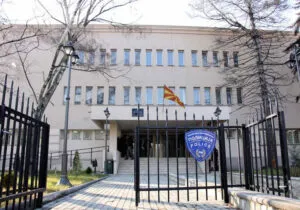
Counter-terror raid in Skopje: an ISIS flag and weapons, while official details come "once it's over"
29.09.2026


29.09.2026

29.09.2026
29.09.2026

29.09.2026

29.09.2026

29.09.2026

29.09.2026

28.09.2026

27.09.2026

29.09.2026

29.09.2026

28.09.2026

29.09.2026

29.09.2026

29.09.2026

29.09.2026

28.09.2026

27.09.2026

29.09.2026

29.09.2026

29.09.2026

29.09.2026

29.09.2026

28.09.2026

09.03.2026

27.02.2026

19.02.2026

29.09.2026

28.09.2026

27.09.2026

23.04.2026

23.04.2026

12.04.2026


In Macedonia, the Femicide Watch mechanism has so far examined 92 cases. Of these, 43 have been officially classified as femicide or attempted femicide. The figure was announced by the head of the OSCE Mission to Skopje, Ambassador Kilian Wahl, at the opening of the two-day Regional Conference on Femicide in South-Eastern Europe, which began in parliament yesterday.
The global picture is even darker. According to estimates by UN Women and the UN Office on Drugs and Crime (UNODC), around 83,000 women and girls were intentionally killed worldwide in 2024. Around 50,000 of them - almost 60 percent - were killed by an intimate partner or a family member. That is an average of 137 women and girls a day - one every ten minutes. By comparison, only about 11 percent of male homicide victims were killed by a partner or family member.
Murder is the last stop, not the first. The conference's main message is that femicide doesn't begin with the knife or the gun. Before it there are usually threats, jealousy, stalking, control, refusal to accept a breakup, or revenge after a report to the police. In other words - warnings that someone heard, wrote down, or should have written down.
And here comes the uncomfortable part. The analyses presented at the conference show that institutions in the country still have limited capacity for risk assessment, which leads to protective measures arriving too late, after the violence has already escalated. Deputy Speaker of Parliament Vesna Bendevska called the statistics devastating and pointed out that parliament doesn't just pass laws - through oversight and the budget, it is supposed to check whether they are enforced and whether institutions have enough resources.
That is exactly what Femicide Watch is for: to break down every case in a multidisciplinary way and establish exactly where the police, the courts, social work centres or the health system failed. In how many of those 43 cases was there a warning sign that ended up in a drawer? That is precisely the question the mechanism is supposed to answer.
The data has its own weakness. Some countries record femicide as a separate category, others only as murder, so the real number of victims may be even higher. The conference continues today, when conclusions, recommendations and next steps are expected. The measure of their success will be simple: whether institutions react to the first report, rather than after the tragedy.
The latest 10 news from this category
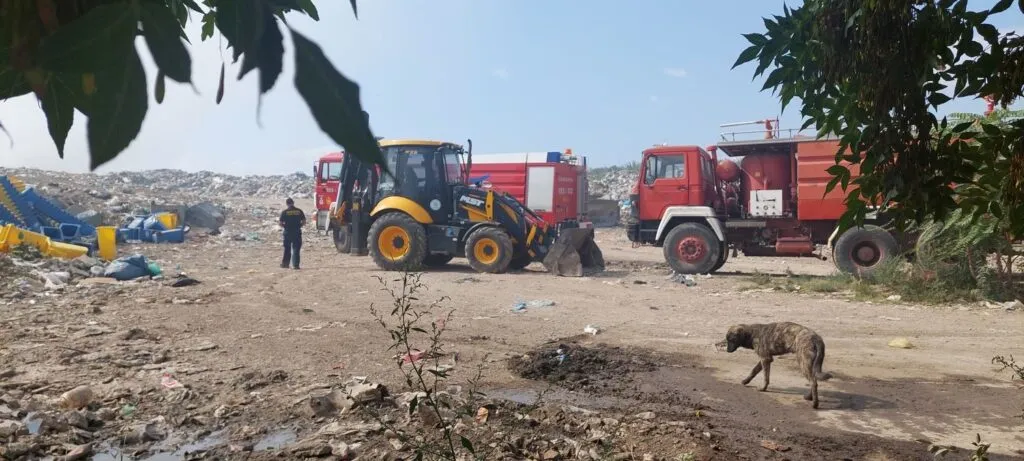
Seven villages with more than 5,000 people are breathing smoke from the landfill. The municipality promises machinery within two days,...

The list is long - streets, car parks, scholarships, festivals. There are no figures in the report, and some of...

Housewives, wood stoves, red peppers and homemade cheese. A tradition Bosilovo has been building for five years running - and...

Only 50 of 81 municipalities replied within the legal deadline. Two decades into the law, information still often arrives only...
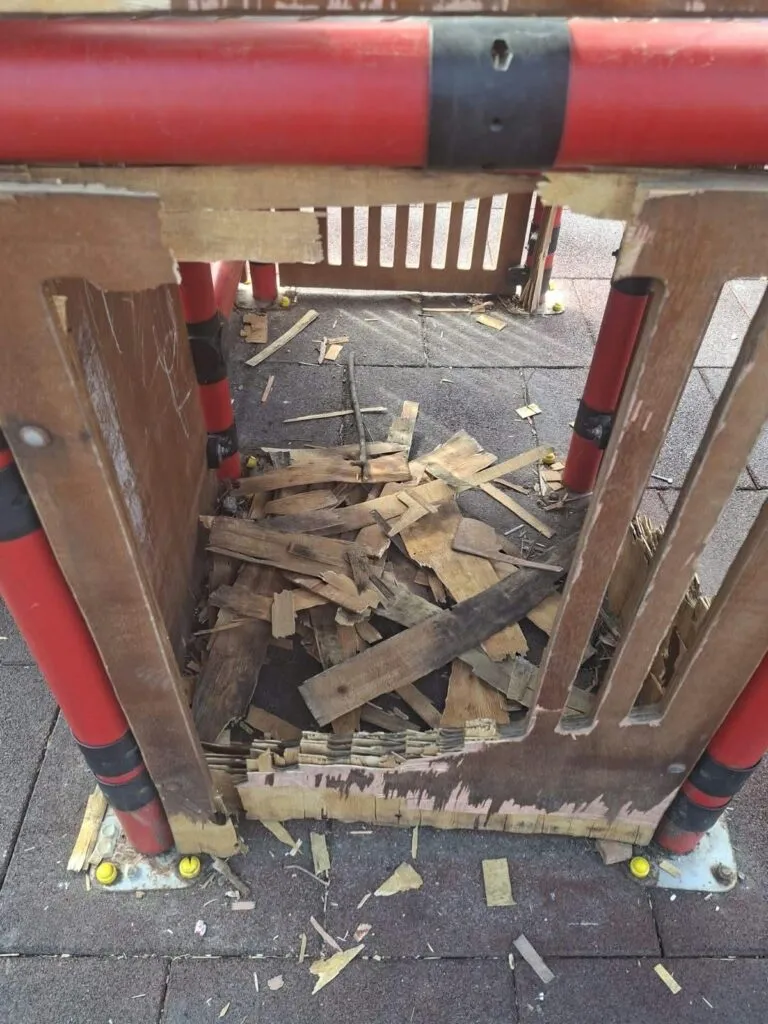
In Taftalidže the equipment is loose, in Karpoš 1 it's broken. Parents aren't asking which level of government is responsible...

The old lamps were stolen or smashed, and the new ones were donated by Esenler. How much it cost and...
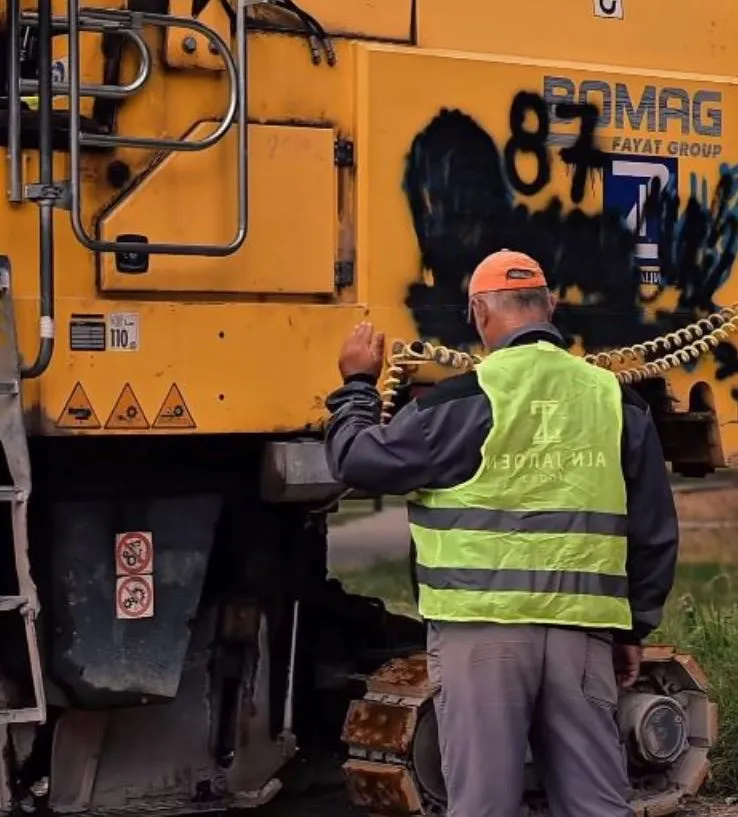
Butel is announcing "the biggest construction offensive" in the neighbourhood. Residents welcome it, but remind the mayor of the car...

The figures are from 2018-2019 - there's nothing newer. Contraceptives were added to the essential medicines list this year, but...

A progress report in front of a party banner reading "Macedonia accelerates", a long list of streets and projects -...
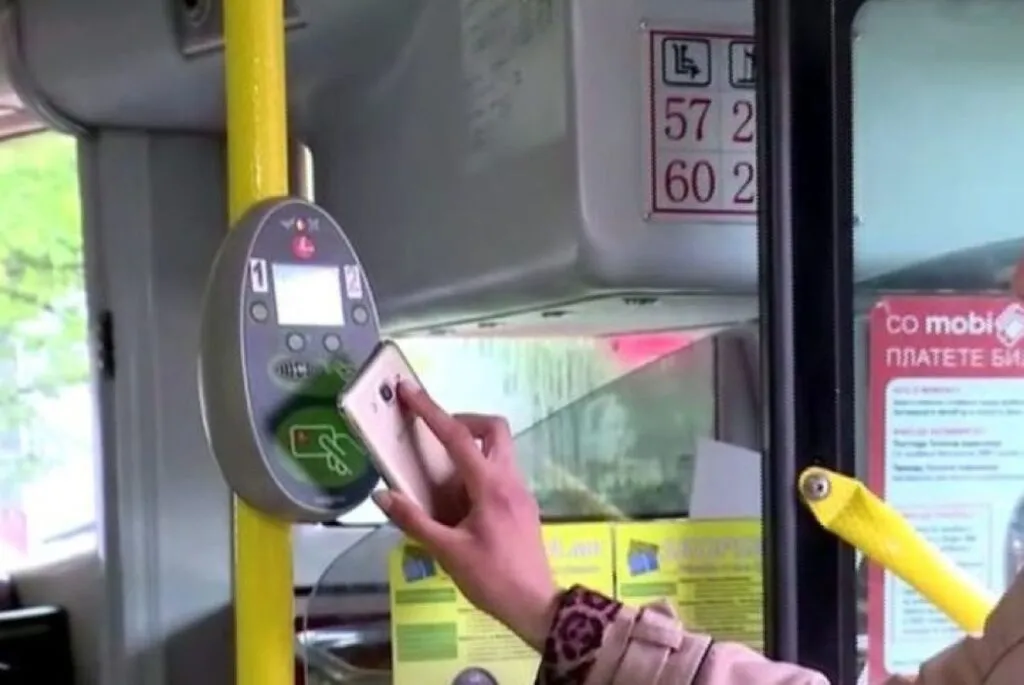
Student status will be checked automatically, and the pass will be a QR code in the SkopjeBus app. The news...
This site uses cookies - is that okay? Learn more
Be the first to know when Metla launches something new
Leave your email and we will write when there is a new guide or something new on Metla.