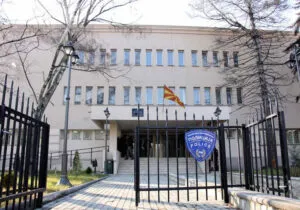
Counter-terror raid in Skopje: an ISIS flag and weapons, while official details come "once it's over"
29.09.2026


29.09.2026
29.09.2026
29.09.2026
29.09.2026
29.09.2026
29.09.2026
29.09.2026

28.09.2026

27.09.2026

29.09.2026

29.09.2026

28.09.2026
29.09.2026

29.09.2026

29.09.2026

29.09.2026
28.09.2026
27.09.2026

29.09.2026

29.09.2026

29.09.2026

29.09.2026

29.09.2026
28.09.2026

09.03.2026

27.02.2026

19.02.2026
29.09.2026
28.09.2026

27.09.2026

23.04.2026

23.04.2026

12.04.2026

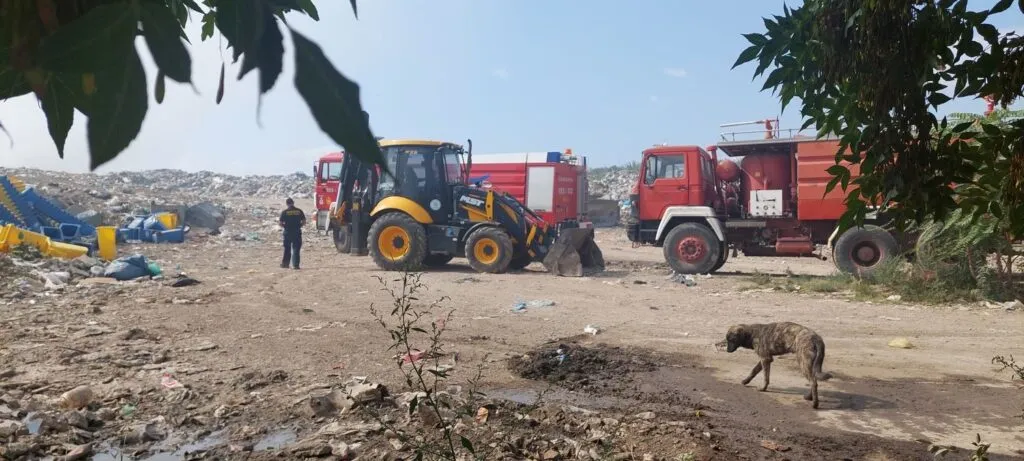
Where is the nearest recycling container, and which ones have been sitting full for days? It's all on one map, with data updated every day.
The Krasta landfill, where Kumanovo's rubbish ends up, is burning again - and once again there has been a meeting. Kumanovo mayor Maksim Dimitrievski, together with the council president and some councillors, MPs and the director of the public utility "Čistota i Zelenilo", met yesterday with residents of Pčinja, Vince and Studena Bara. The outcome: a promise of extra machinery and soil to cover the site.
"The Municipality of Kumanovo will bring in additional crews with heavy machinery to go out on the ground, and we will ask socially responsible companies in the city for help and for extra quantities of soil," Dimitrievski said. The problem, he admitted, is decades old, and this summer it was made worse by high temperatures and "insufficient intervention with machinery" at the landfill itself.
Six months in the smoke. What it looks like from the other side of the fence was described by Aleksandar Ilievski, head of the Pčinja local community. The valley has been wrapped in smoke for more than six months. Seven villages with more than 5,000 residents lie in it, and the smoke can be smelled 30 kilometres away, as far as Katlanovo. "We are farmers, we spend more than 10 hours a day in the fields, breathing toxic smoke," he says. Residents say more and more people are getting lung diseases and warn that if nothing changes, they will have to move away.
The same smoke reaches villages around Skopje. Rade Spasovski from Dolno Konjari says they have spent more than 50 days in smoke this year, collected 500 signatures and sent official letters to the government and the Ministry of Environment. They were promised the landfill would be cleaned up, but not when. The ministry went out to the site once and ordered the public utility to rehabilitate the landfill within 40 days. The fires carried on.
The utility says it is putting out the fire as best it can, but that a permanent solution and relocation of the landfill are for the municipality and the state to decide. The municipality, for its part, sees the permanent solution in a regional waste management system: a transfer station and a waste processing plant near Sveti Nikole, serving the Eastern and North-Eastern regions. The tender documentation has been sent to the EU Office, and they are waiting for an opinion.
"Right now, all we can do is buy time," Dimitrievski said. Residents put it differently. "We don't see a solution in two days of machines and soil," says Ilievski, who wants the problem solved at a higher level. When the utility waits for the municipality, the municipality waits for the EU, and the ministry sets deadlines nobody keeps - who exactly is carrying the burden, apart from the people doing the breathing?
Bought time has a price. Seven villages and their lungs are paying it, while the plant near Sveti Nikole is still a folder on somebody's desk.
The latest 10 news from this category
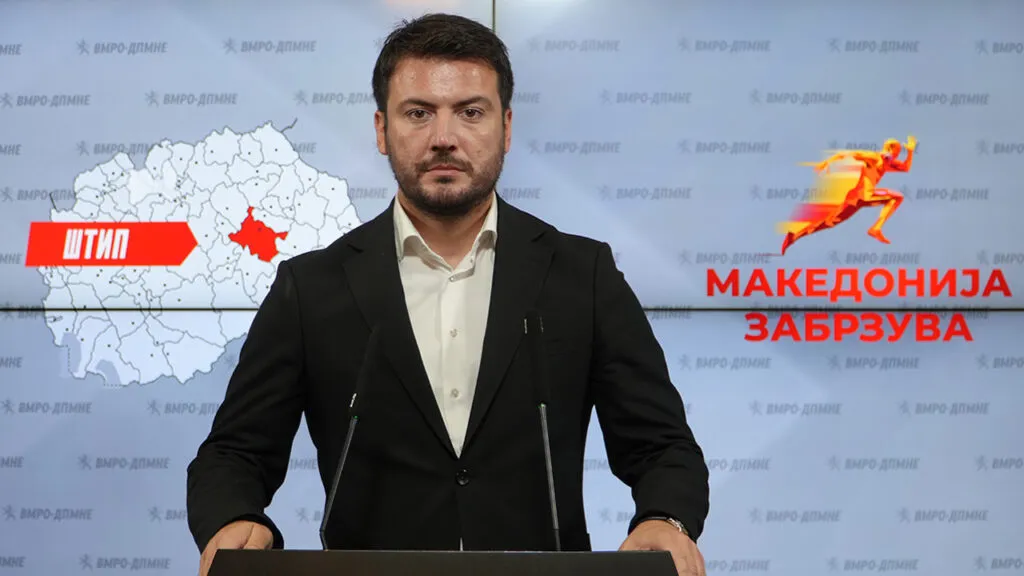
The list is long - streets, car parks, scholarships, festivals. There are no figures in the report, and some of...
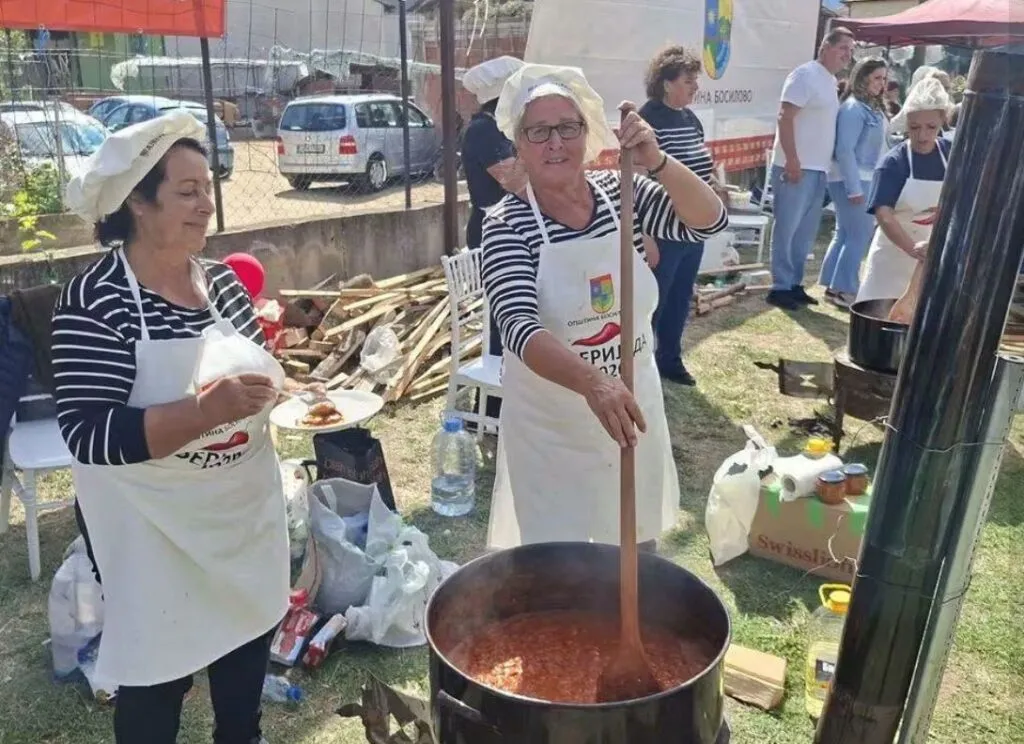
Housewives, wood stoves, red peppers and homemade cheese. A tradition Bosilovo has been building for five years running - and...

Only 50 of 81 municipalities replied within the legal deadline. Two decades into the law, information still often arrives only...
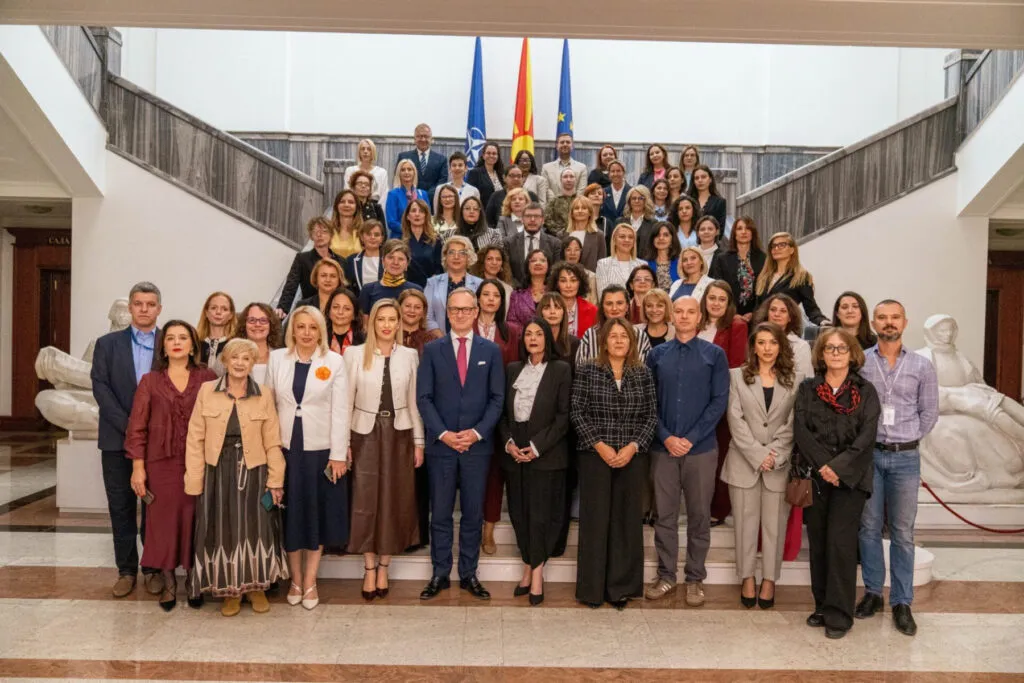
Every day, 137 women and girls around the world are killed by a partner or family member. The killing is...
In Taftalidže the equipment is loose, in Karpoš 1 it's broken. Parents aren't asking which level of government is responsible...
The old lamps were stolen or smashed, and the new ones were donated by Esenler. How much it cost and...
Butel is announcing "the biggest construction offensive" in the neighbourhood. Residents welcome it, but remind the mayor of the car...
The figures are from 2018-2019 - there's nothing newer. Contraceptives were added to the essential medicines list this year, but...
A progress report in front of a party banner reading "Macedonia accelerates", a long list of streets and projects -...
Student status will be checked automatically, and the pass will be a QR code in the SkopjeBus app. The news...
This site uses cookies - is that okay? Learn more
Be the first to know when Metla launches something new
Leave your email and we will write when there is a new guide or something new on Metla.