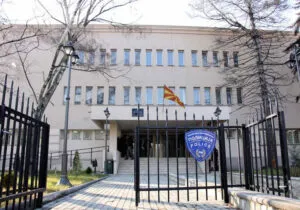
Counter-terror raid in Skopje: an ISIS flag and weapons, while official details come "once it's over"
29.09.2026


29.09.2026

29.09.2026
29.09.2026

29.09.2026

29.09.2026

29.09.2026
29.09.2026

28.09.2026

27.09.2026

29.09.2026

29.09.2026
28.09.2026

29.09.2026

29.09.2026

29.09.2026

29.09.2026
28.09.2026
27.09.2026

29.09.2026

29.09.2026

29.09.2026

29.09.2026

29.09.2026
28.09.2026

09.03.2026

27.02.2026

19.02.2026
29.09.2026

28.09.2026

27.09.2026

23.04.2026

23.04.2026

12.04.2026

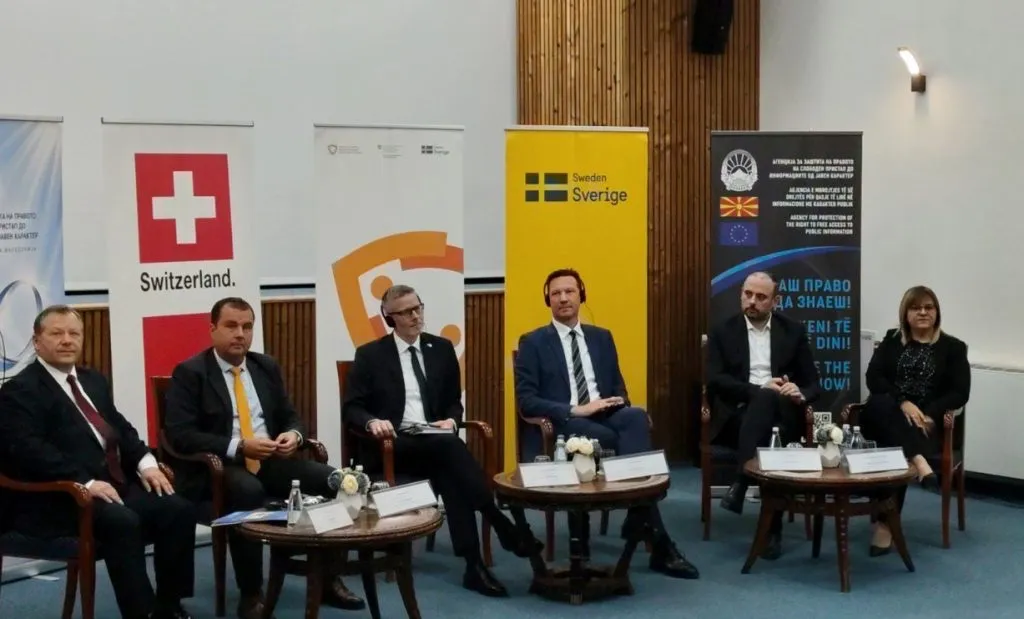
Twenty years ago, Macedonia passed a law giving every citizen the right to ask how institutions spend their money. Two decades later, the Agency for the Protection of the Right to Free Access to Public Information marked the anniversary together with International Day for Universal Access to Information. The event was about trust. The numbers heard there build something else - frustration.
Macedonian institutions meet about half of the indicators for access to information. They have 20 days to respond to a request, the longest deadline in the region - and they very often miss it. Instead of answering, they often stay silent and wait for an appeal.
The Metamorphosis numbers. For the executive branch, according to the latest measurement by the Metamorphosis Foundation, accessibility is the lowest-rated area, with 48.79 percent of indicators met - a drop of almost five percentage points from the previous 54.18 percent. At local level it is even worse: municipalities meet only 33.6 percent of the indicators, and only 50 of 81 local government units replied within the legal deadline, compared with 62 the year before.
There are bright spots. In the regional openness index, the government is the most open in the region, parliament comes second behind Montenegro, and Kriva Palanka is the most open municipality in the country. At the bottom are the ministries for sport and for the political system, along with the municipalities of Bogovinje, Studeničani and Lozovo.
The agency's director, Petar Gajdov, says institutions generally respect the right, and pointed to Demir Hisar, Vinica and the Ministry of Defence as positive examples. This year 334 appeals have been filed with the agency, mostly by civil society organisations and citizens. The overall problem, Gajdov admits, is the "silence" of certain institutions - although, he says, the information is usually handed over in the end, just after the deadline or while the appeal is under way.
That is exactly the point. Information that arrives after the deadline and after an appeal isn't transparency - it's patience. "We need to move from the right to request information to the right to have information available," said Danče Danilovska-Bajdevska of Metamorphosis. A citizen, she says, shouldn't have to ask how much public money was spent and who signed the contract - that should be published, and "not in a hundred-page scanned document that is formally published but that practically nobody can search or analyse".
Swedish ambassador Ola Sollström reminded the audience that Sweden was the first country in Europe to pass a freedom of information act, and Swiss ambassador Christoph Sommer that access should be the standard, with exceptions only when there is an exceptional reason. After 20 years, the question for Macedonia is simple: when will the right to know stop being a battle you win on appeal?
The latest 10 news from this category
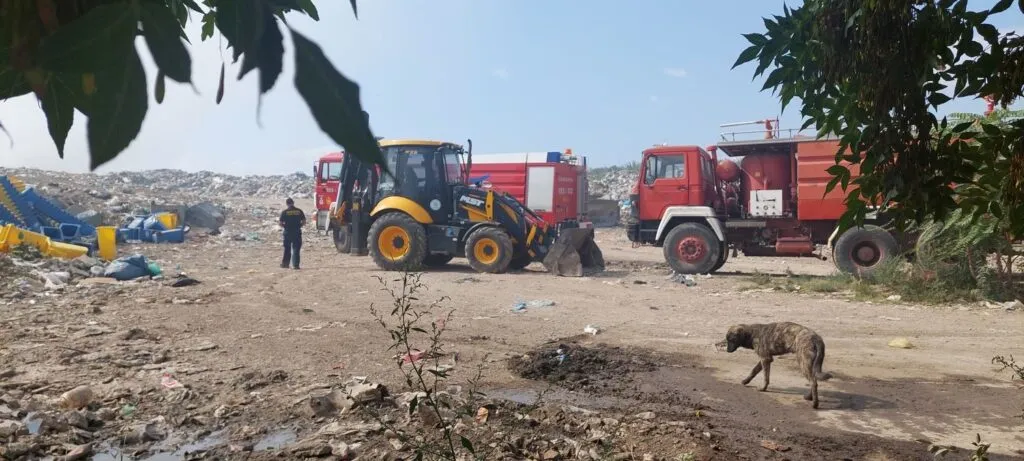
Seven villages with more than 5,000 people are breathing smoke from the landfill. The municipality promises machinery within two days,...
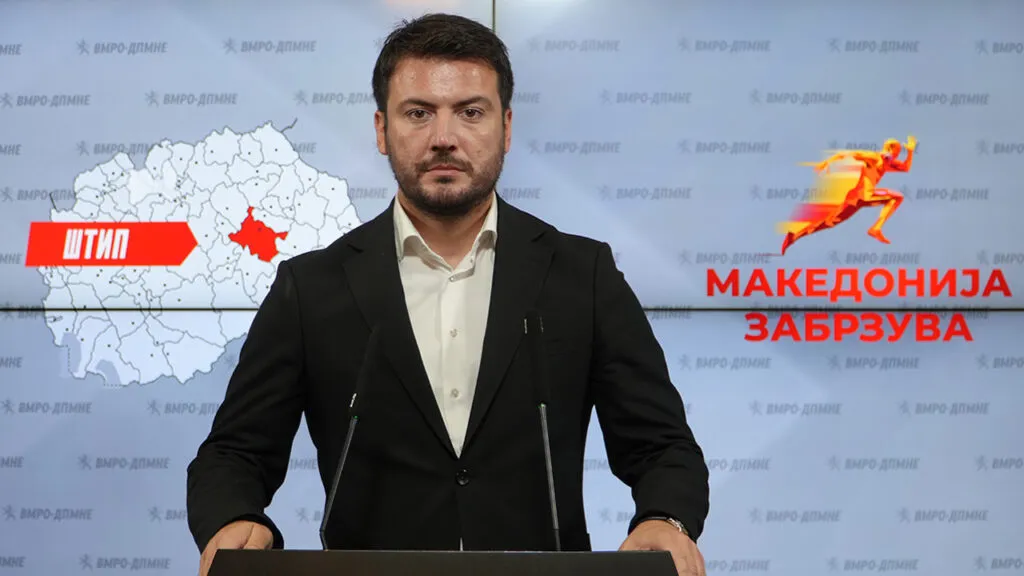
The list is long - streets, car parks, scholarships, festivals. There are no figures in the report, and some of...
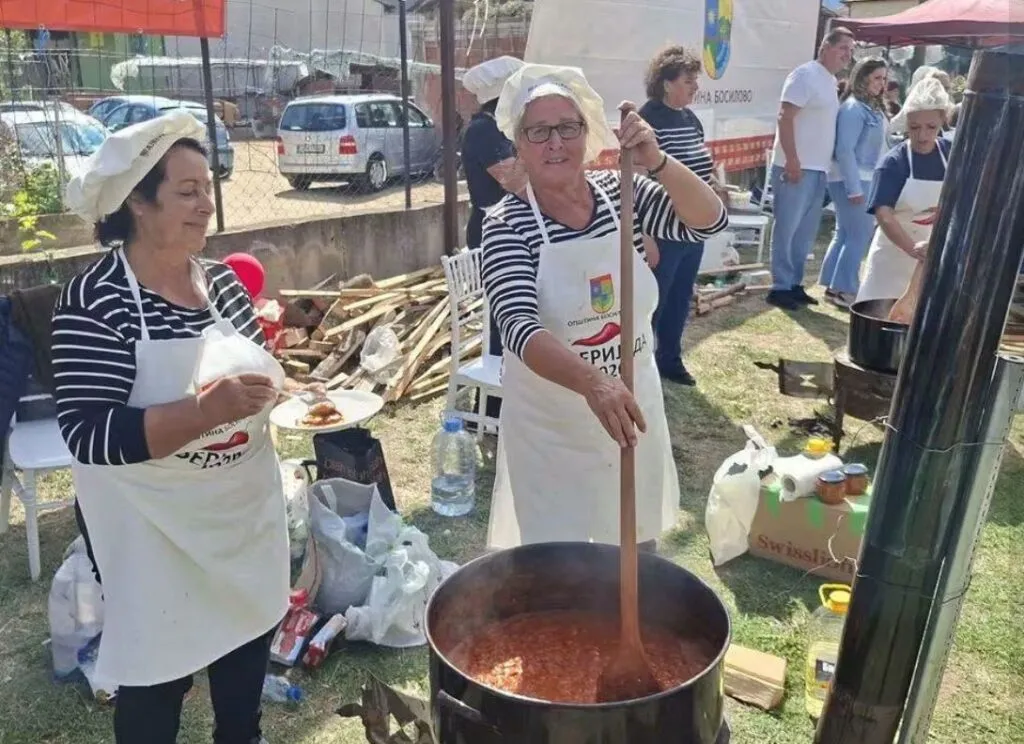
Housewives, wood stoves, red peppers and homemade cheese. A tradition Bosilovo has been building for five years running - and...
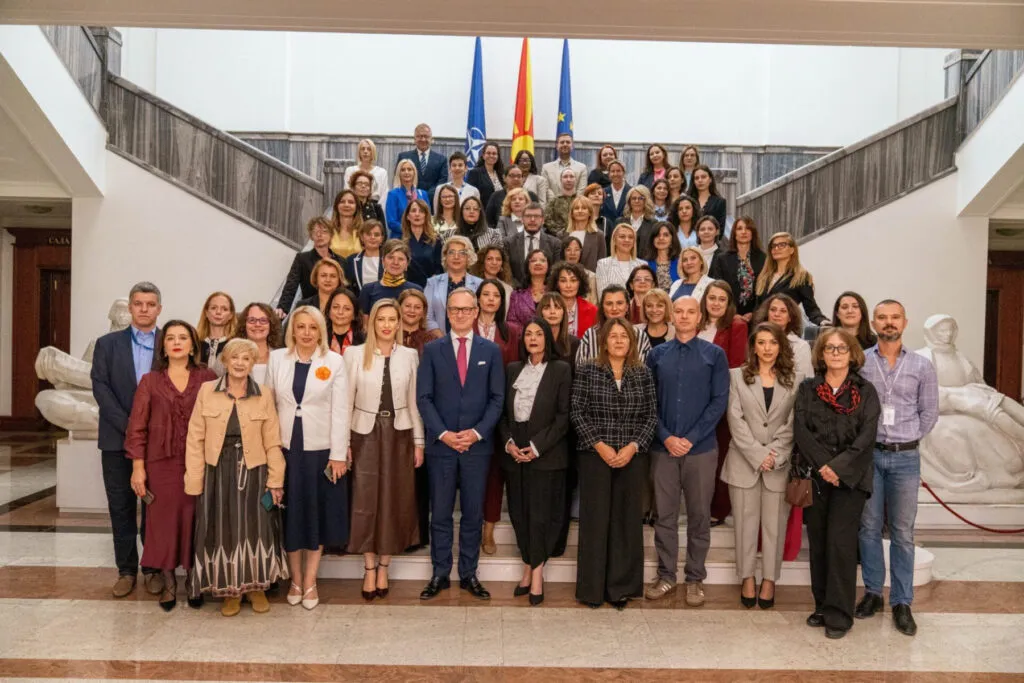
Every day, 137 women and girls around the world are killed by a partner or family member. The killing is...
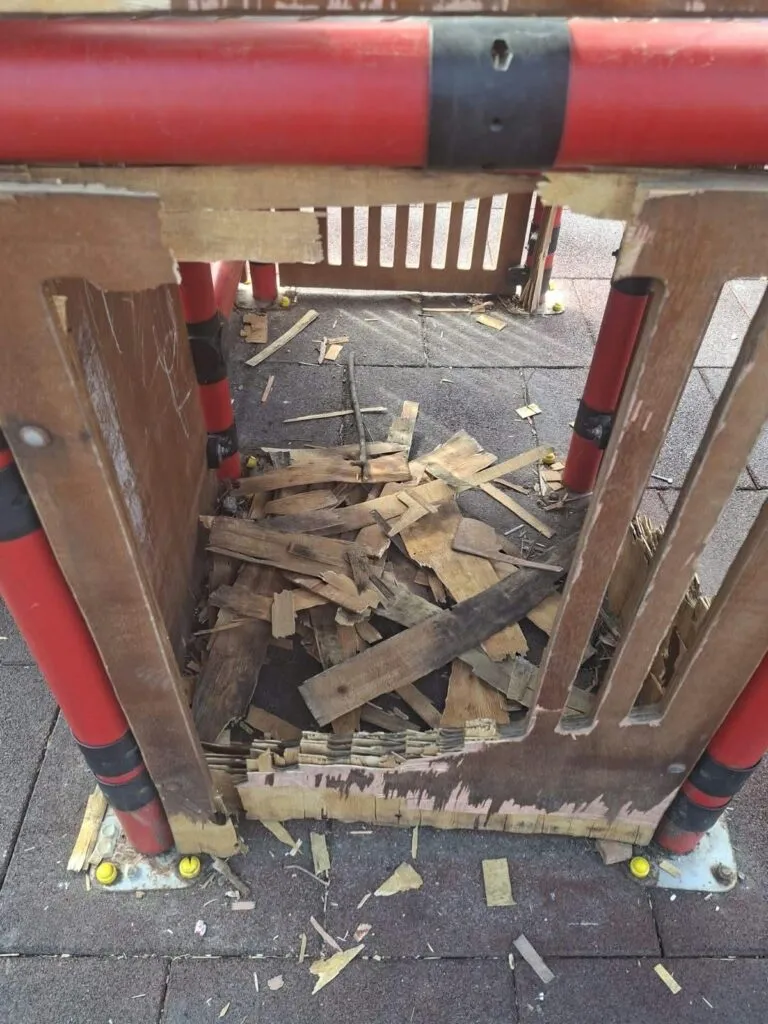
In Taftalidže the equipment is loose, in Karpoš 1 it's broken. Parents aren't asking which level of government is responsible...
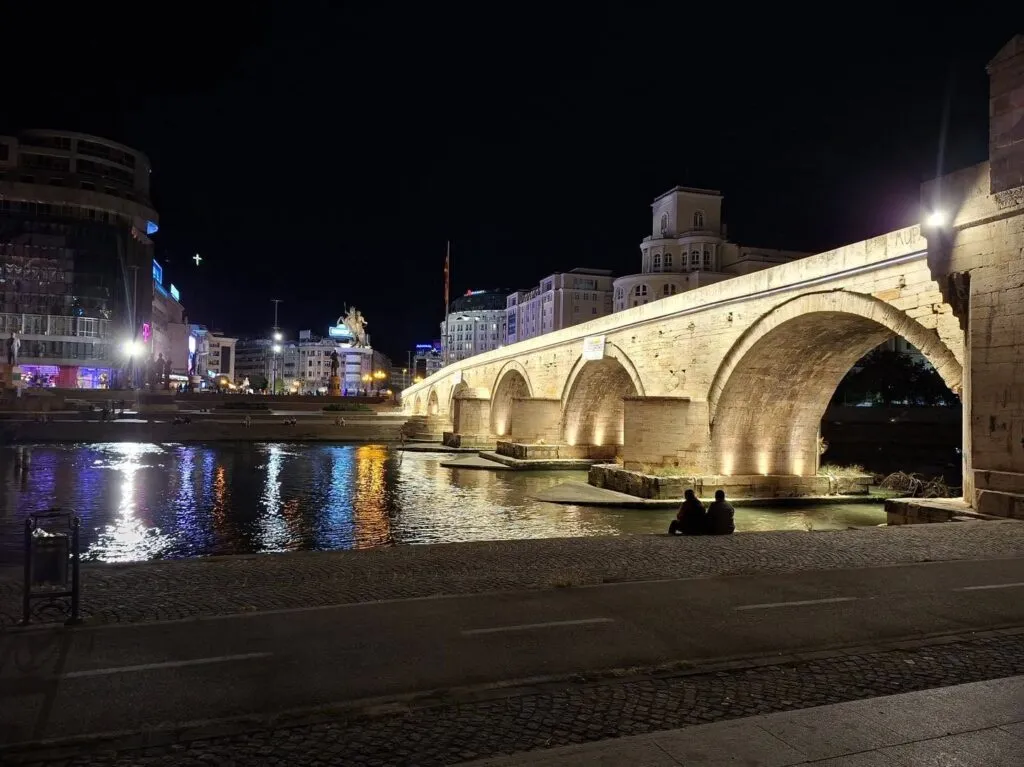
The old lamps were stolen or smashed, and the new ones were donated by Esenler. How much it cost and...
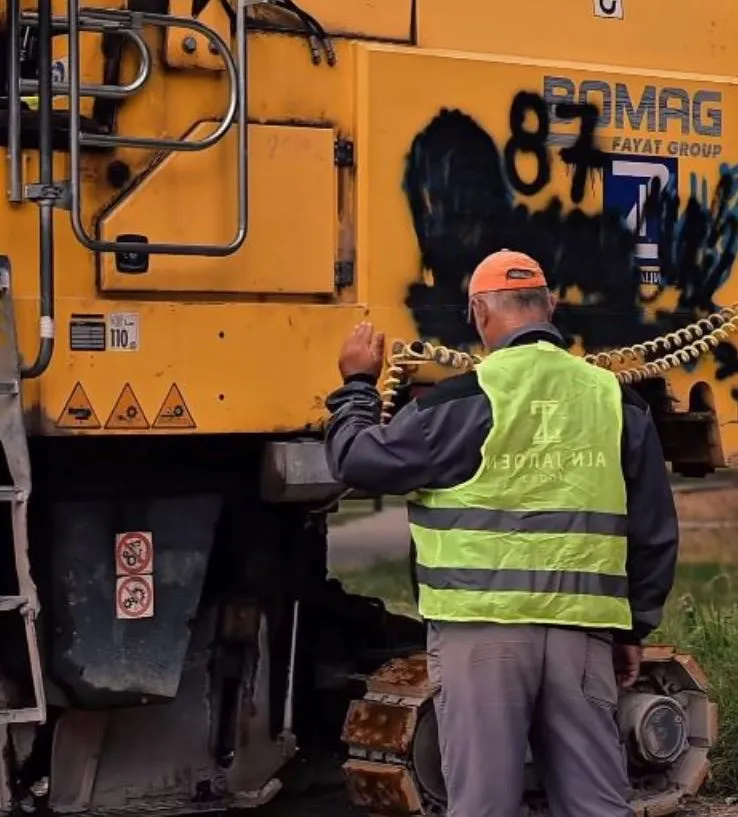
Butel is announcing "the biggest construction offensive" in the neighbourhood. Residents welcome it, but remind the mayor of the car...

The figures are from 2018-2019 - there's nothing newer. Contraceptives were added to the essential medicines list this year, but...
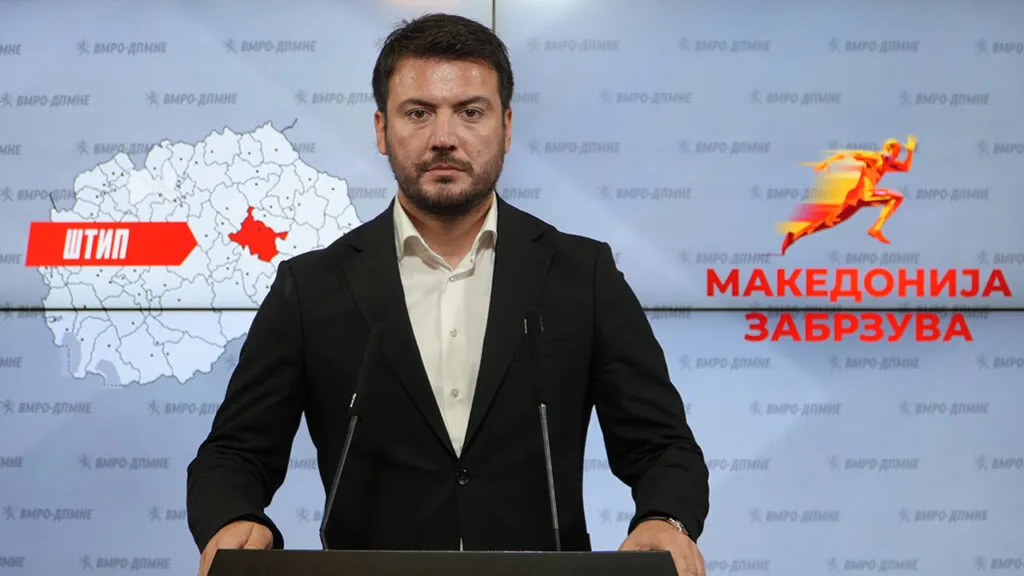
A progress report in front of a party banner reading "Macedonia accelerates", a long list of streets and projects -...

Student status will be checked automatically, and the pass will be a QR code in the SkopjeBus app. The news...
This site uses cookies - is that okay? Learn more
Be the first to know when Metla launches something new
Leave your email and we will write when there is a new guide or something new on Metla.