"Being careful" is Macedonia's most-used contraceptive: 43.9% of couples, against 14% using a modern method
28.09.2026


28.09.2026

28.09.2026

28.09.2026

28.09.2026
28.09.2026

28.09.2026

28.09.2026

27.09.2026

27.09.2026
28.09.2026

28.09.2026
27.09.2026

28.09.2026

28.09.2026

28.09.2026

28.09.2026

27.09.2026

26.09.2026

28.09.2026

28.09.2026

28.09.2026

09.03.2026

27.02.2026

19.02.2026

28.09.2026

27.09.2026

27.09.2026

23.04.2026

23.04.2026

12.04.2026

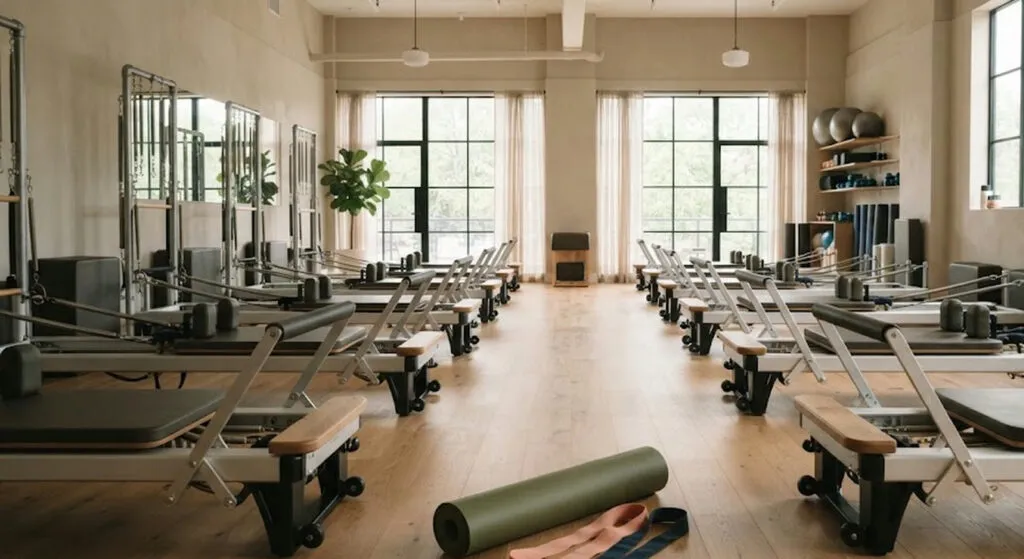
Pilates stopped being slow stretching on a mat in the corner of the gym long ago. The new versions work with springs, machines and trademarked methods - and promise a double payoff: a stronger body and a calmer head. Elsa Pataky, who swapped yoga for Pilates at 50, says she was drawn to the more delicate, focused movements and to the fact that the method "focuses a lot on the core" - the stomach and back muscles that keep you upright.
"They respond to what we're looking for today: to feel strong and to look after our bodies," says Paula Tabuyo, an instructor and founder of a Pilates studio in Madrid. The only question is which version suits you and how much time you need to give it.
On the mat: looks easy, isn't
Floor Pilates, without a machine, looks the simplest from the outside. "Some exercises require quite a lot of control and strength," Tabuyo warns. It works the core, mobility and posture, and improves coordination, balance and stability. Although it's low-impact on the joints, it has a cardio component too: according to the instructor, a session burns around 300 to 500 calories, depending on intensity, duration and the person. You can step it up with bands, balls and weights, but you don't have to. The biggest advantage is that you don't need anything - "you can do it anywhere, at home or in a hotel room".
Megaformer: bigger machine, more resistance
The megaformer is a beefed-up version of the classic Pilates machine. "It has more springs, which means it offers more resistance and intensity. The machines are wider and longer than the classic ones and have bars and straps that make them safer," explains Sandra González, founder of a studio in Getafe. Each class is usually dedicated to one part of the body - arms and core, shoulders and back, glutes - so no workout is the same as the last. That's exactly what keeps people coming back.
Lagree: the newest and the toughest
One step further is Lagree, a method that came to Spain from Los Angeles. It's done on special megaformer machines, but according to singer Clara Muñiz, who has opened two studios in Madrid, the difference lies in the registered method, refined over more than twenty years. "We work very slowly and without releasing the tension, so the muscle never rests," she says. The result, she argues, isn't just how the body looks but how you feel in it: "much stronger".
How often and for how long
Instructors agree on one thing: without consistency, there are no results. For beginners on the mat or the reformer, the advice is two sessions a week. "With a good instructor, going twice a week, you'll start to feel an improvement in one to two months," says trainer Becca Alonso. For Lagree, Muñiz recommends three to four sessions a week, combined with other sports, and enough rest for the muscles.
All three versions grow from the same root - the method Joseph Pilates created at the start of the 20th century and called "Contrology": complete control of body and mind through strength, breathing and concentration. That's why the rules are the same everywhere: firm stomach, shoulders away from the neck, open chest, breathe in through the nose and out through the mouth. The machines are the fashion. The breathing and posture are the method - and for those, as the instructor herself says, a mat on the living-room floor is enough.
The latest 10 news from this category

Here, a chestnut usually means a paper bag from a street vendor. But it can go into porridge, salads, cream...
A message, a video, an order - and the brain gets its reward without lifting a finger. Spanish psychiatrist Marian...
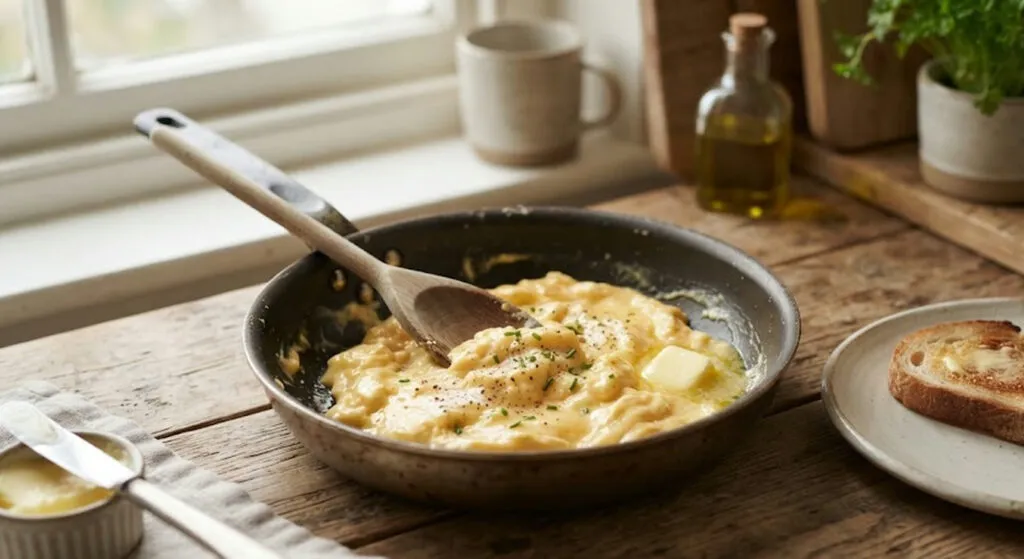
Everyone knows how to scramble eggs - or so we think. The difference between creamy, glossy eggs and a dry,...
Worse sleep, constant fatigue and a late period can mean your body has nothing left to recover with. A nutritionist...

Six tomatoes, two carrots, a leek, garlic and patience. The recipe is simple, and the only secret is the time...
There's even a term for it - leisure guilt. When we measure our worth in completed tasks, every empty afternoon...
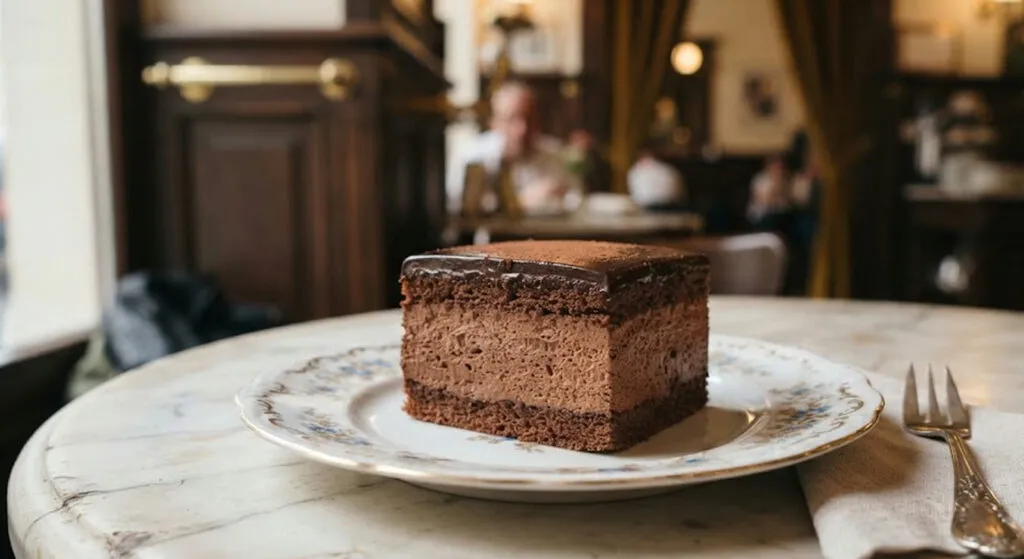
The scandal lasted less than a decade; the cake has survived more than a century. The step that makes it...
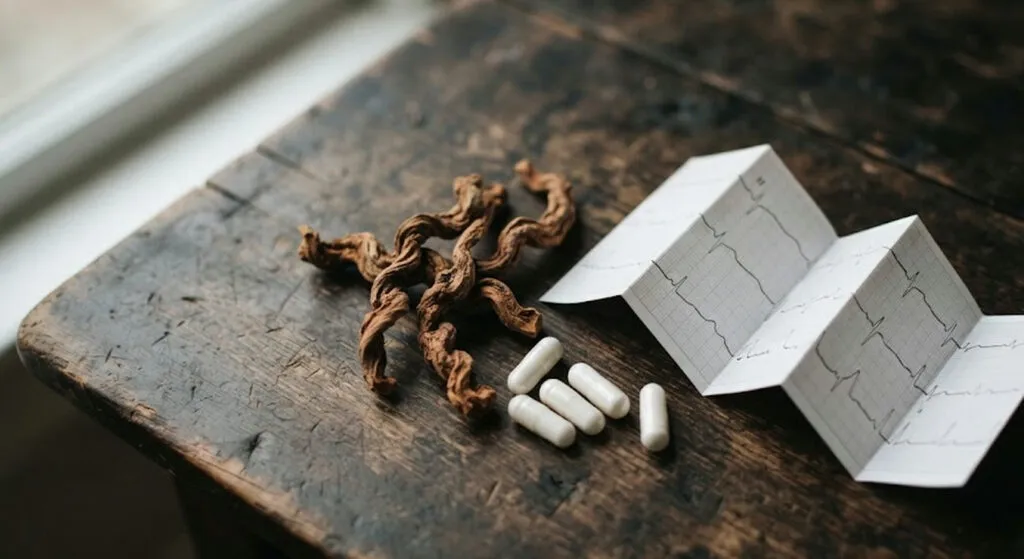
An expert says Presley Gerber's death cannot be linked to ibogaine. But the substance he tried carries a risk that...
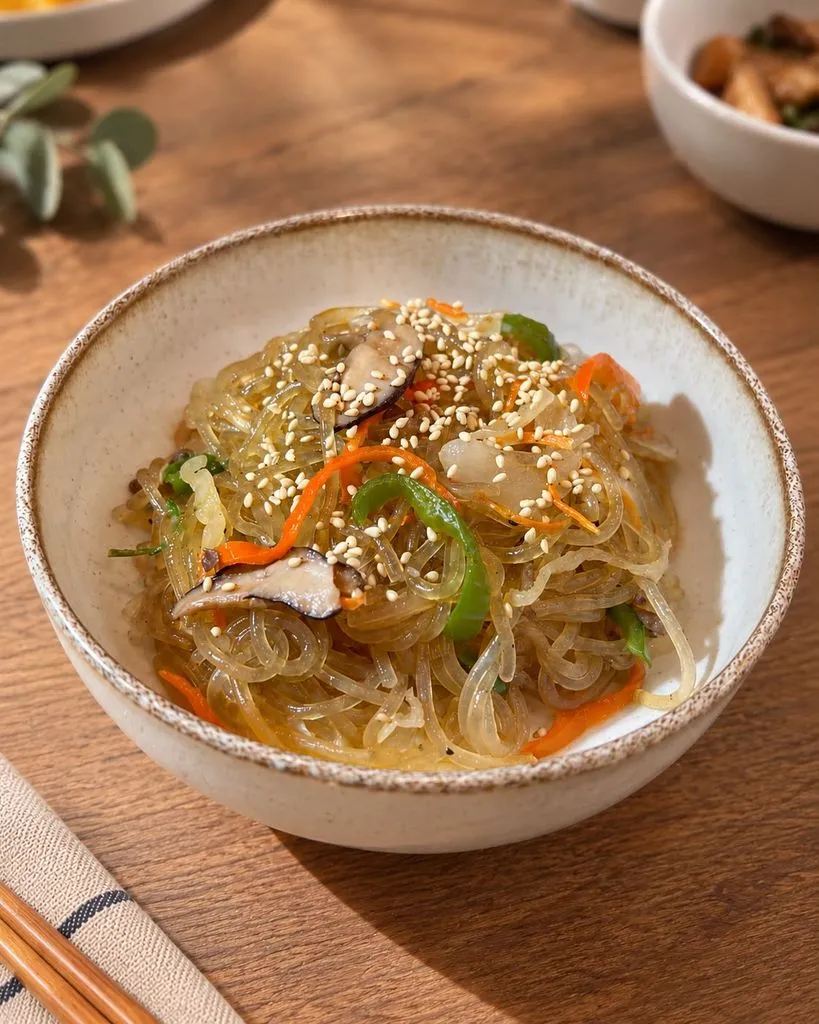
The five dishes of Chuseok take days of work, and fewer and fewer people have the time. Why slowness is...
Sleep, hormones, metabolism and concentration all depend on a single signal that arrives through the eyes. No capsule, no subscription...
This site uses cookies - is that okay? Learn more
Be the first to know when Metla launches something new
Leave your email and we will write when there is a new guide or something new on Metla.