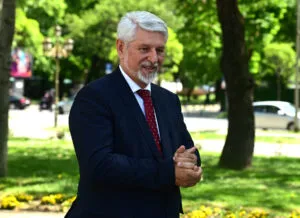
A New Criminal Complaint Against Jakimovski: A Building Permit Based on a Plan Struck Down Back in 2018
16.09.2026


16.09.2026
16.09.2026

16.09.2026
16.09.2026
16.09.2026

16.09.2026

16.09.2026
15.09.2026

14.09.2026

16.09.2026

16.09.2026

15.09.2026

16.09.2026

15.09.2026

14.09.2026

16.09.2026

16.09.2026

16.09.2026

16.09.2026

15.09.2026
15.09.2026

09.03.2026

27.02.2026

19.02.2026
16.09.2026

15.09.2026
14.09.2026

23.04.2026

23.04.2026

12.04.2026

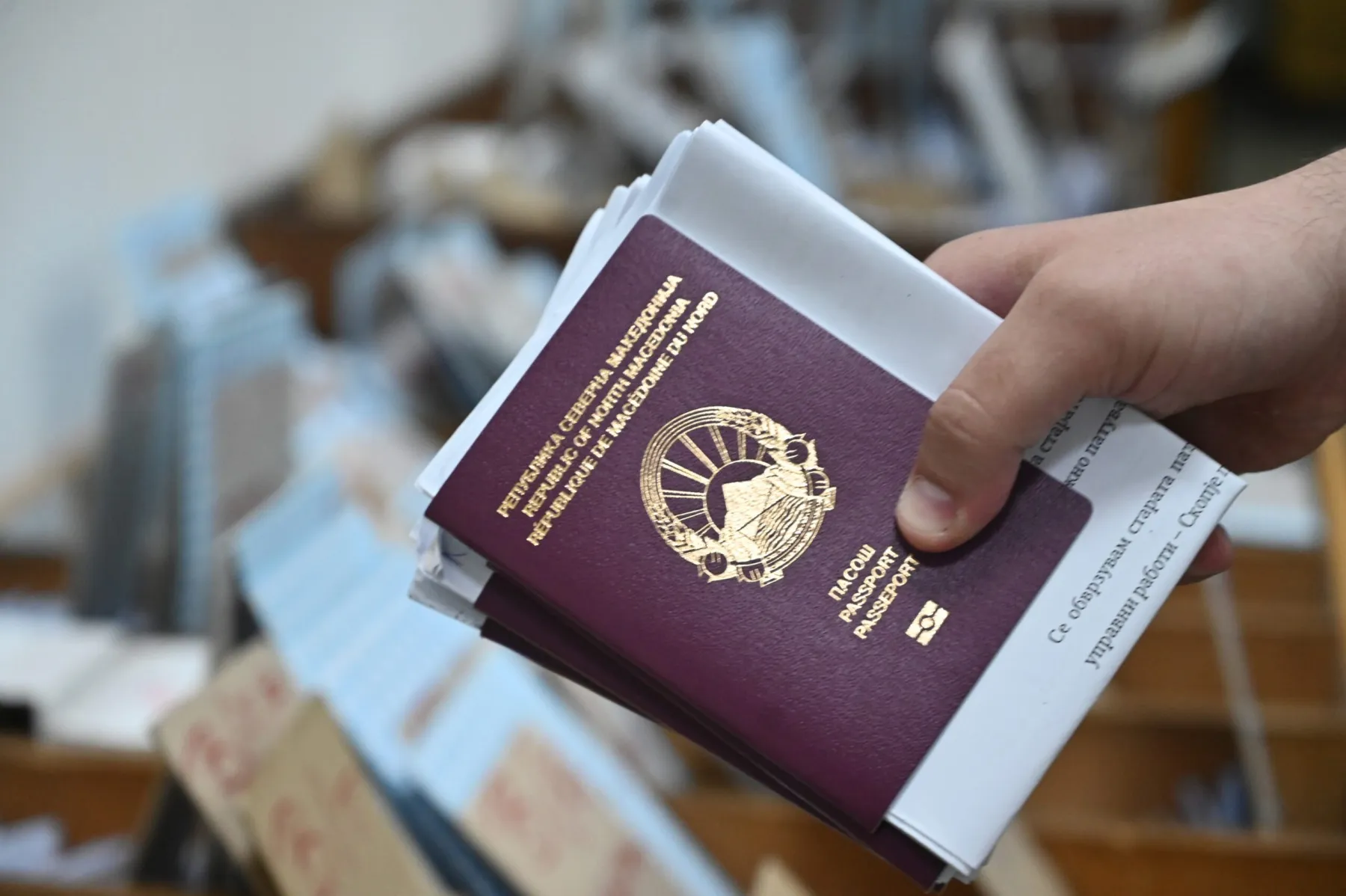
Citizens paid 73 million euros for personal documents over five years. The Ministry of the Interior spent only 29 million. The 44-million-euro difference remains unexplained - because the contracts were declared "confidential." That's the gist of a new investigation by the Center for Civil Communications, and it's a story as old as the administration itself around here.
Passports are produced by the German firm Giesecke+Devrient, under a contract the interior ministry hides entirely - the terms, the amendments, the legal basis, not even how many documents are ordered each year are known. "Without knowing the quantities, you can't assess whether the price is reasonable or the contract economically justified," the researchers note. It's hard to argue with that logic.
The history is even more curious. The original tender dates from 2005 - 21 years old. Between 2018 and 2020 there were five failed attempts at a new tender, after which the ministry simply kept negotiating without public competition. Two decades without a published tender for something every citizen pays for - all of it packed into the magic word "confidential."
A Pool That Existed Only on Paper
The same pattern repeats with smaller projects too. A school pool in Čair, worth 890,000 euros, was declared 100 percent complete on November 21, 2025 - the same day the municipality received a supervision report saying the works were unfinished, with no electricity or water. The pool actually opened only six months later. Instead of a penalty for the delay, the deadline was extended twice at the contractor's request, who then applied for yet another pool at a different school.
None of this is coincidence, but a system. "Confidential" becomes a screen behind which millions vanish, and "complete on paper" is an official stamp on something that doesn't exist. The question isn't whether there's abuse - it's why institutions need a civic association to uncover what they themselves are supposed to be policing.
The latest 10 news from this category

The World Bank dropped out over misalignment with EU requirements. Construction will take two and a half years, and the...
Of 9,500 square metres of greenery, 268 remain. Terrain with an 80-metre height difference, no erosion study and no opinion...
Gjorgjievski says the system should be ready by the middle of next year. The BRT tender is announced for the...
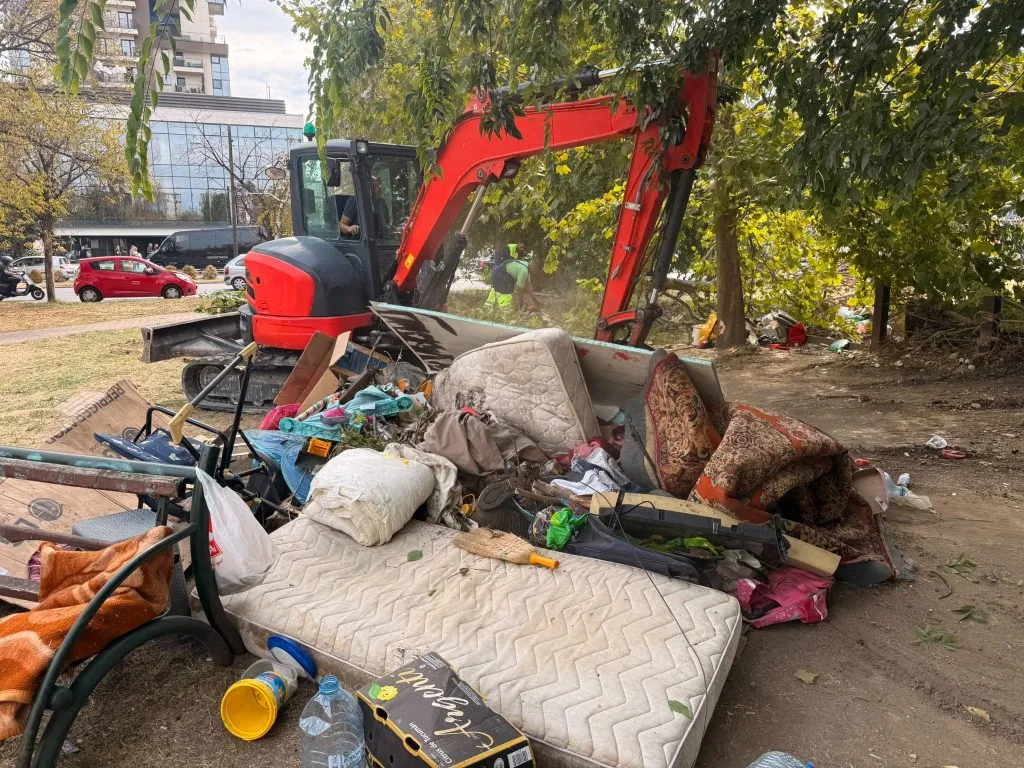
The second operation at the same site within a year. Gerasimovski himself is appealing to the Labour Ministry - because...
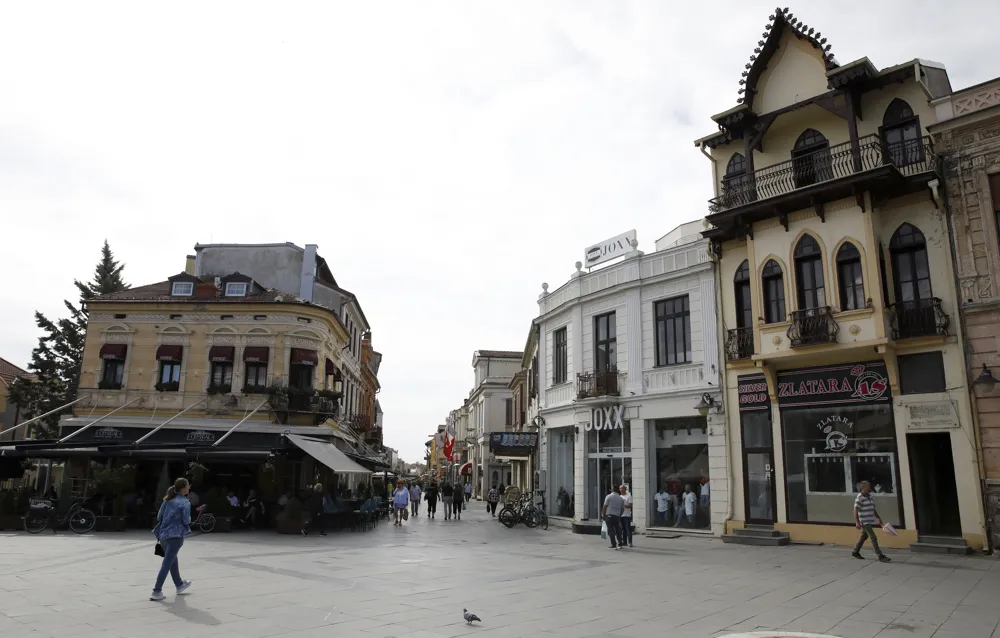
A prosumer scheme, a solar oven and electricity generated by bicycle on Magnolija square. The city that has paid the...
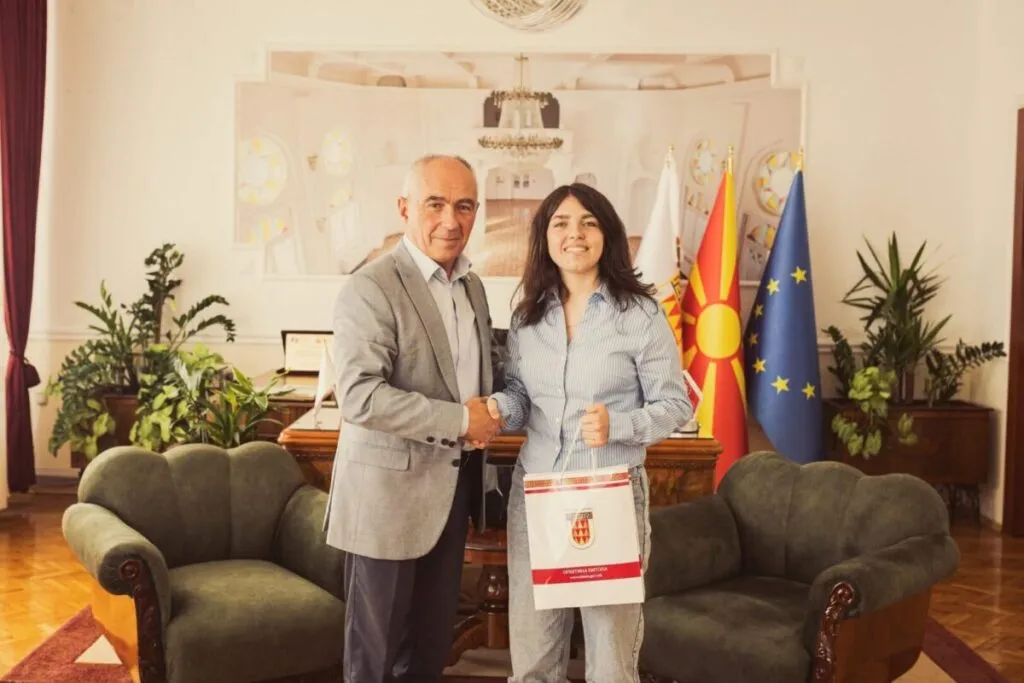
Stefanija Dimovska won two medals at IESO 2026, working in mixed international teams. Before that she was also national champion...
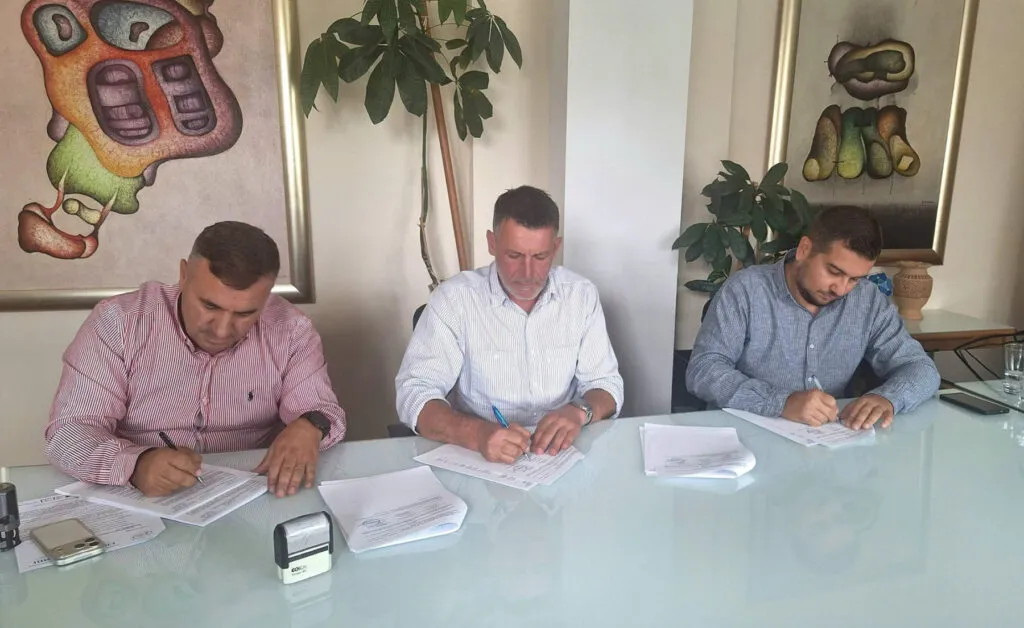
Out of nearly 4.7 million denars, the municipality is putting in around 180,000. The rest comes through the Bureau for...

Ten years working inside the health system - and she still had to pull strings to be admitted. The clinic...
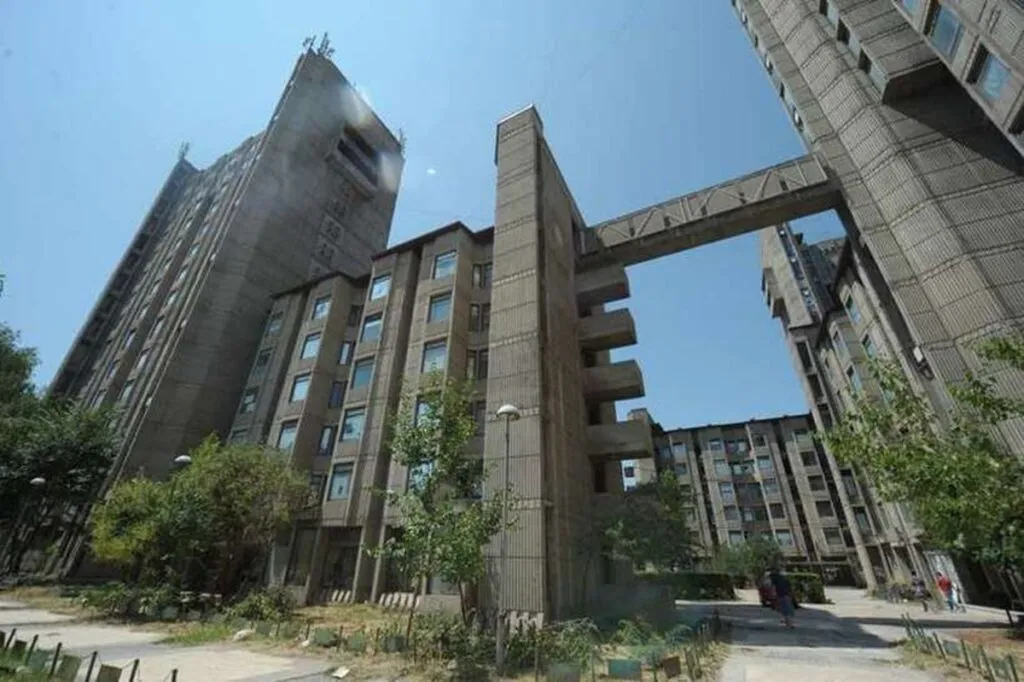
Appeals run from 15 to 25 September. There is not enough space at Goce Delčev, so students go to Stiv...
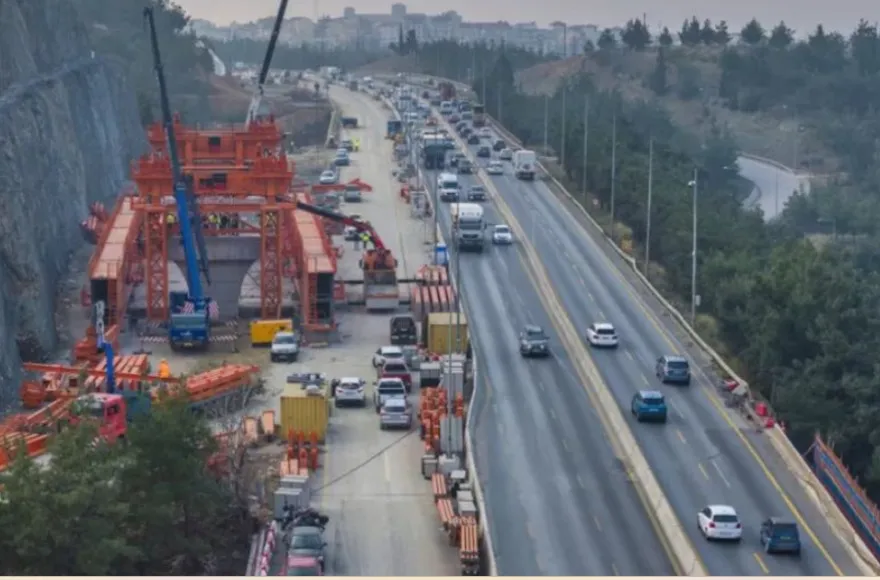
From 23:00 to 05:00 there is no getting through towards Evzoni. Towards Halkidiki - business as usual. Those heading on...
This site uses cookies - is that okay? Learn more
Be the first to know when Metla launches something new
Leave your email and we will write when there is a new guide or something new on Metla.