Sixteen Arrests in Twenty-Four Hours, All for Drugs: The Police Are Working - But Where Are All These People Coming From?
20.09.2026


20.09.2026

20.09.2026
20.09.2026
20.09.2026
20.09.2026

20.09.2026

20.09.2026
20.09.2026

20.09.2026

20.09.2026

20.09.2026
19.09.2026

20.09.2026
20.09.2026

20.09.2026

20.09.2026

19.09.2026
18.09.2026
20.09.2026

20.09.2026

20.09.2026
20.09.2026

20.09.2026

20.09.2026

09.03.2026

27.02.2026

19.02.2026
20.09.2026
19.09.2026
18.09.2026

23.04.2026

23.04.2026

12.04.2026

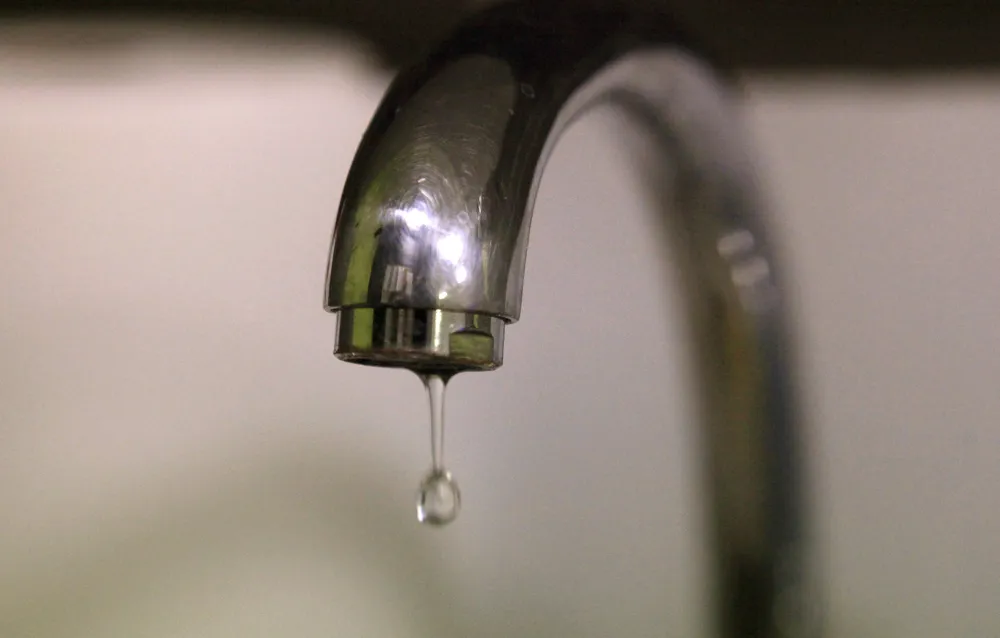
The main reservoir above Debar receives water for more than 40,000 people. The town has no more than 10,000 residents, plus a few thousand returning emigrants who arrive between late July and mid-August. The arithmetic is not complicated. And yet the Venec 1, Venec 2, Taranik and Kjernanica neighbourhoods are under restrictions - four hours a day from 1 July, then five, and on the upper floors there is no water for considerably longer.
So the water exists. The problem is that it does not reach the tap.
The public utility Standard is appealing to residents to use water only for essential needs - no watering gardens, no filling pools, no hosing down yards and pavements. "Any other use that is not essential is considered abuse," they say, adding that every litre saved helps more families have drinking water.
The appeal is reasonable. But the utility also said the other half of the story out loud, and that half is far more interesting: "Better planning, timely investment and more efficient management should have prevented this or significantly reduced it." That is a sentence you rarely hear from a public utility in this country. An admission that the problem is not only about who is filling a swimming pool.
The remaining reasons are listed without much decoration: restrictions have been introduced every summer for years because of water misuse, a large number of consumers do not pay their bills, and there are illegal connections. An illegal connection means somebody has hooked into the system and pays nothing, while the neighbour on the fifth floor waits for water to arrive.
The irony is in the source. The Rosoki - Debar waterworks draws from springs in the village of Rosoki, Mala Reka - by the utility's own account, among the highest-quality in Europe. Debar is not a town in a desert. Debar is a town sitting above a spring, where people count the hours until the next water.
There are restrictions in Dolno Kosovrasti too, home to the spa complex, from 10:00 to 13:00. That is the place meant to be bringing in tourists.
Whether residents heed the appeal is a question of a few weeks. The question that outlasts it is why a town with a spring serving four times its population enters the same cycle every summer, and who exactly answers for those "timely investments" that, as the utility itself concedes, never happened.
The latest 10 news from this category
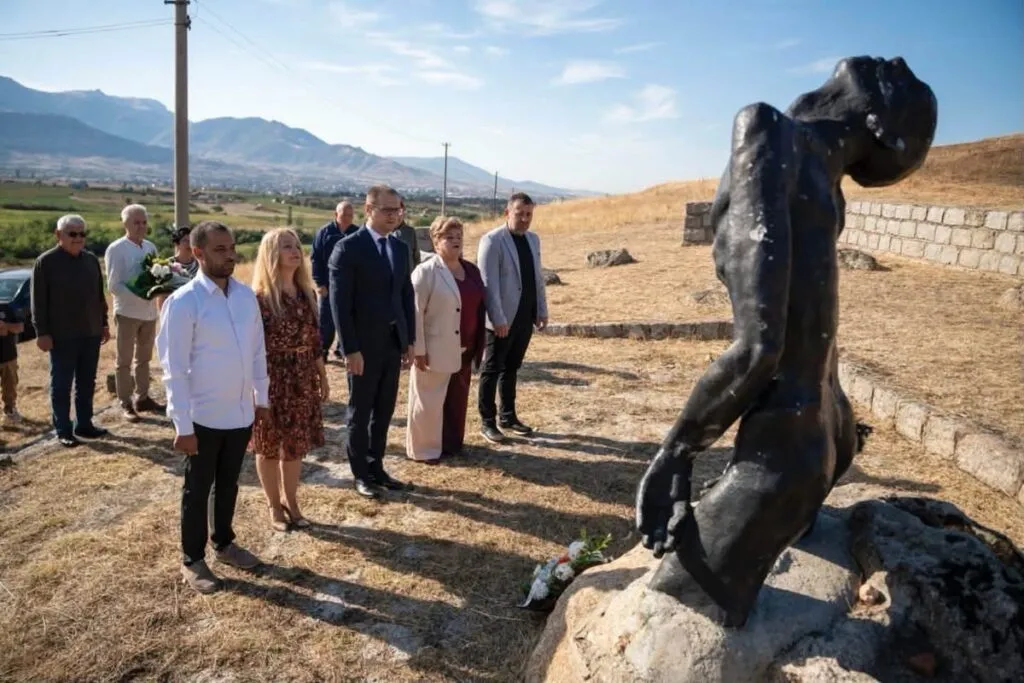
Eighteen people from Prilep killed at Dabnica in 1942. Dejan Prodanoski called for greater care of the memorial - which...
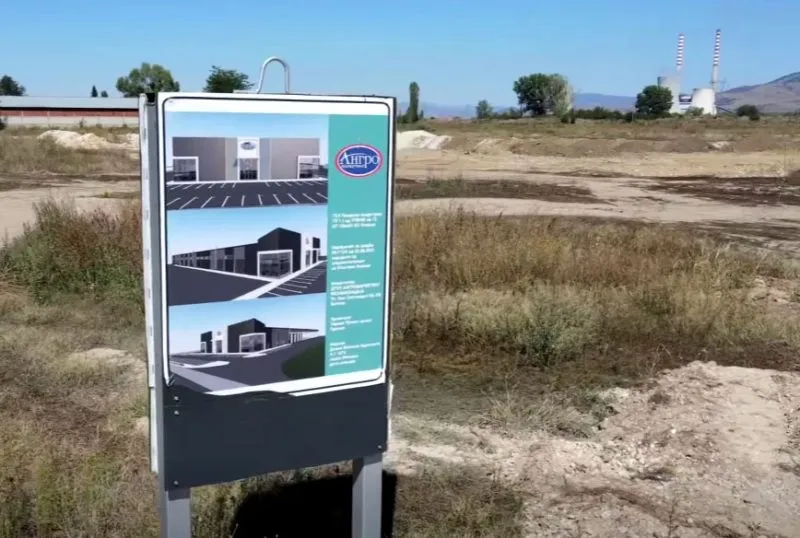
The press release counts 77.5 million denars invested, the mayor announces up to 120 million in total. The number missing...
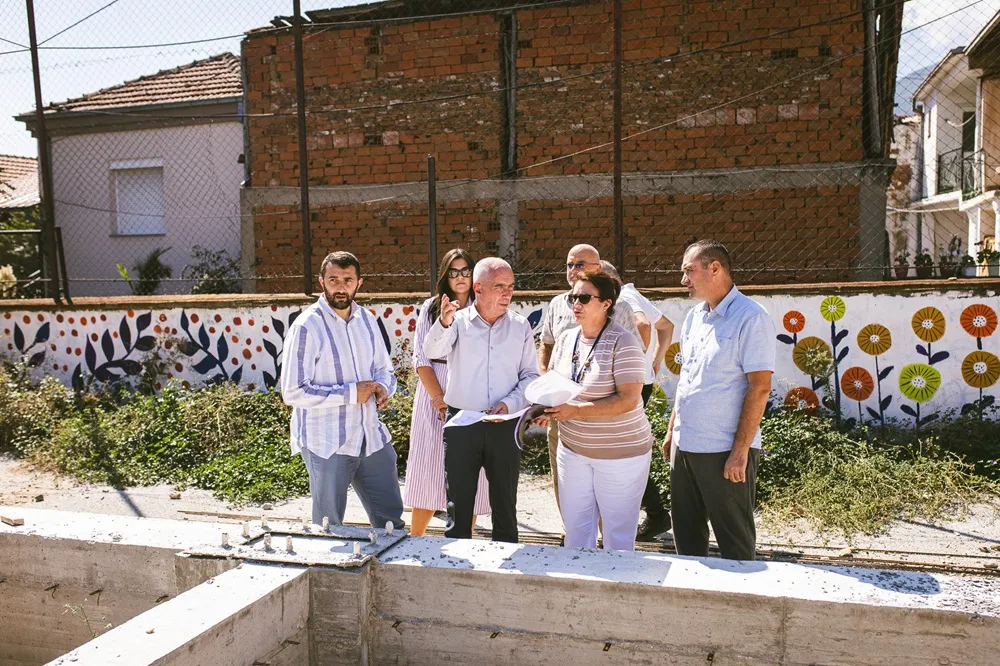
Three schools are getting standard-design halls, a fourth is going up in Bistrica. But the HVAC section had to be...
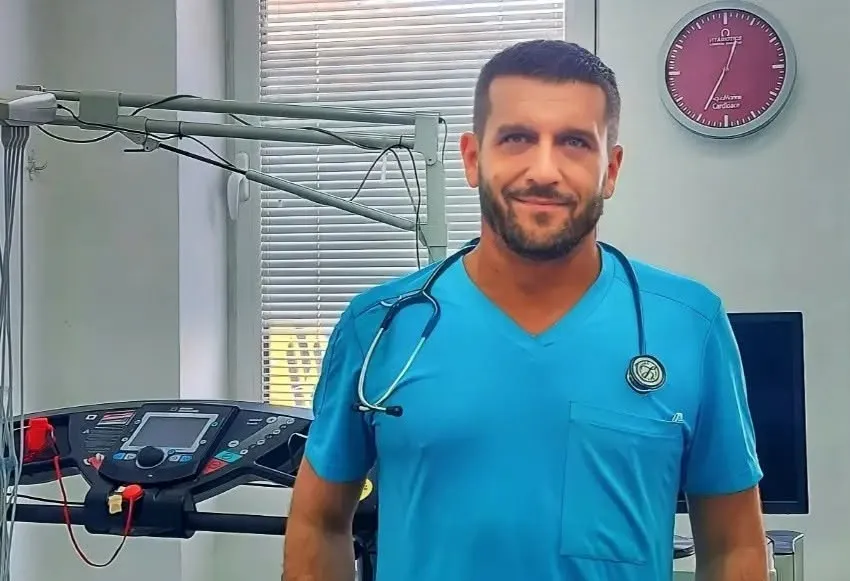
Darko Vasilevski says he was rejected because of his age. But the problem he describes himself is wider - a...

Anima Mundi wants a moratorium and an investigation. The ministry and the inspectorate still have not published how many foreigners...
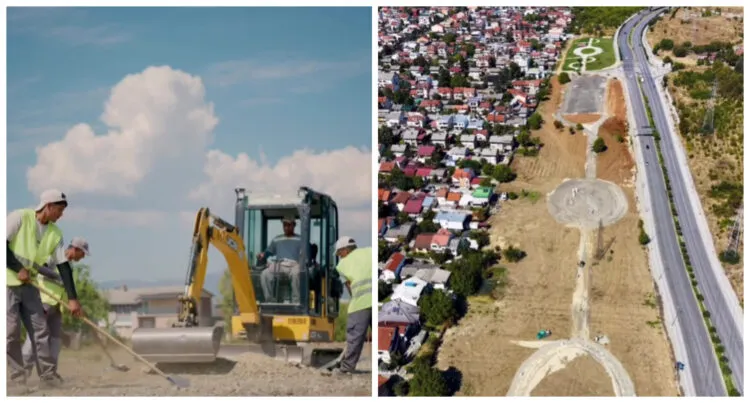
Gjorgjievski promised a permanent solution to illegal dumping. The best part of the project is the irrigation system running on...

The procurement is 3.12 billion denars for 150 buses, delivered in three tranches over 18 months. The mayor says they...
A public forum with oncologists and a woman in her fifth year of fighting the disease. The numbers that never...
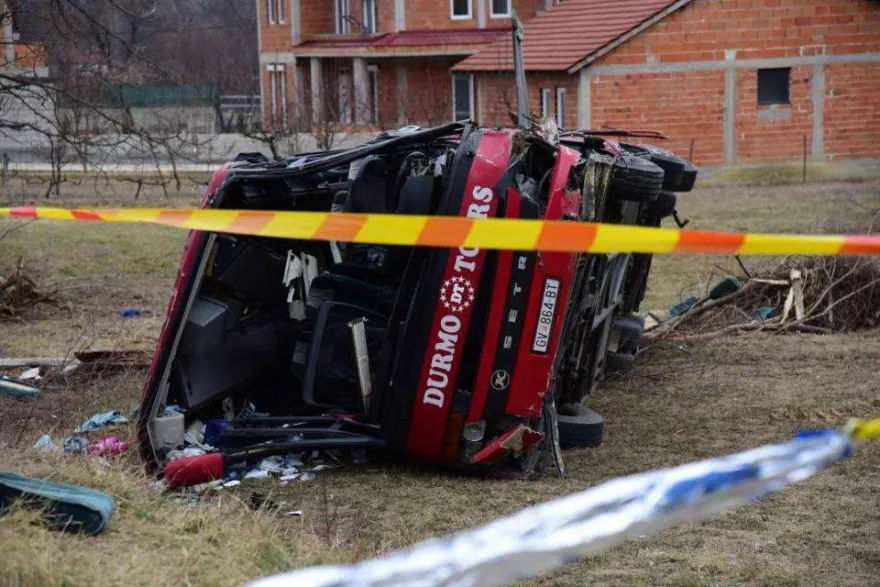
Sixteen dead, 53 years of prison handed down on appeal - and a highest court saying the chain of causation...
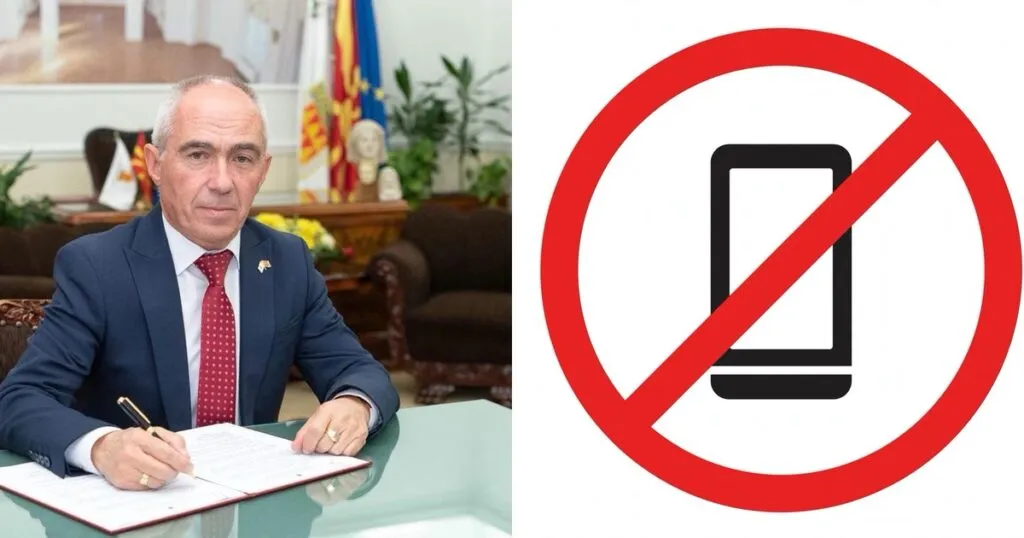
The council adopted Konjanovski's initiative. The result: a pupil in Bitola leaves the phone behind, a pupil in the next...
This site uses cookies - is that okay? Learn more
Be the first to know when Metla launches something new
Leave your email and we will write when there is a new guide or something new on Metla.