


A week after the police brutality story, the Interior Ministry has its own version: the passenger took the officer's gun
15.10.2026


15.10.2026

15.10.2026

15.10.2026

15.10.2026

15.10.2026

15.10.2026

15.10.2026

14.10.2026

13.10.2026

15.10.2026

15.10.2026

14.10.2026

15.10.2026

15.10.2026

15.10.2026

15.10.2026

14.10.2026

13.10.2026

15.10.2026

15.10.2026

15.10.2026

15.10.2026

15.10.2026

15.10.2026

15.10.2026

14.10.2026

13.10.2026
13.10.2026

12.10.2026

10.10.2026

23.04.2026

23.04.2026

12.04.2026

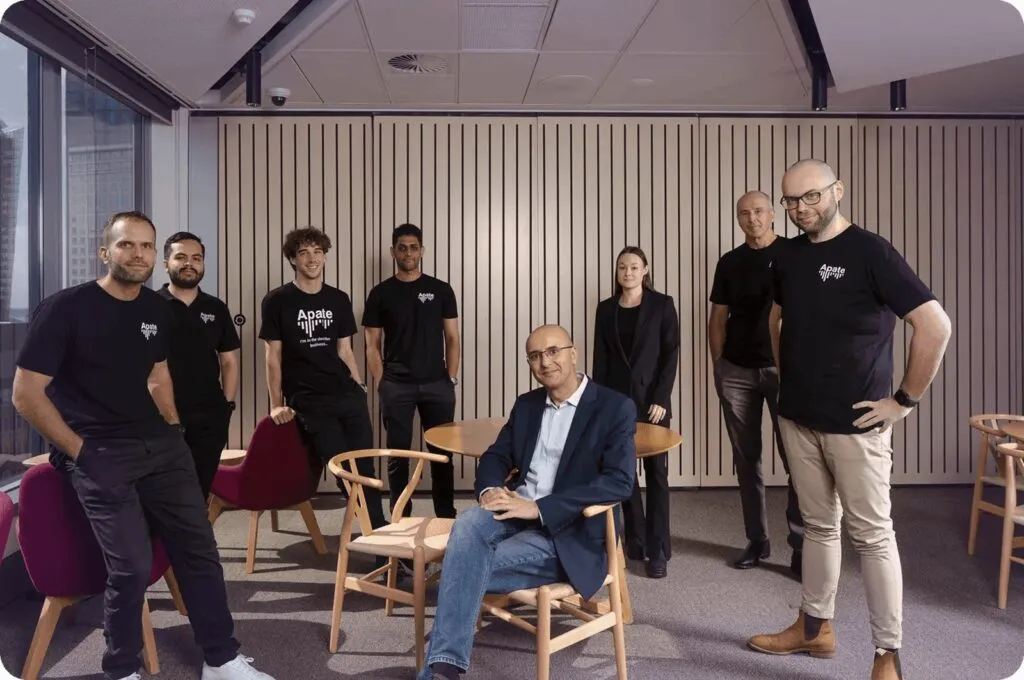
Anyone who has had a call from "the bank" or a message about "a parcel waiting" knows the rule: hang up and block. Australian startup Apate does the opposite. Its AI agents answer the calls, open the suspicious links, join groups on social media and play naive victims - of different ages, genders, accents and languages. The goal is to keep the scammer on the line long enough to reveal the accounts, crypto wallets, phone numbers and fake websites they work with.
The company was founded in 2024, based on research at Macquarie University in Sydney, and has 20 employees. According to its own figures, its agents have so far wasted around 17 years of scammers' time, across 2.5 million conversations, and they hold tens of thousands of new ones every day. Clients can also give them a specific mission - for example, extracting a bank account number or a crypto wallet address.
The idea was born at a family picnic. Founder and CEO Dali Kaafar got a call from a scammer and, to entertain the kids, kept him on the line for 44 minutes. That's when he realised those were 44 minutes in which the scammer wasn't robbing a real person. Co-founder Brad Joffe says the industry reacts late: "Most of the industry only acts after the damage has already been done." The name, he explains, comes from Apate, the ancient Greek goddess of deceit - "fitting, given what our agents do".
Clients include the Commonwealth Bank of Australia, the operator TPG Telecom, utilities and government agencies. TPG has redirected almost 590,000 calls to Apate's agents. Commonwealth reports 76 percent fewer publicly reported scam losses, and an unnamed Australian bank used the agents to disrupt 22 scam campaigns. In August the company raised 8.15 million dollars (around 7 million euros) in seed funding, just under 10 million in total, and it is now opening an office in London and expanding in the US.
Why this is more than a fun story: the scammers use artificial intelligence too. In 2025 the FBI received more than 22,000 reports of AI-related crime, with losses of around 893 million dollars - more than 632 million of that from investment fraud alone, using fake AI videos of celebrities and executives. A race is opening up in which both sides deploy lying machines. Joffe says it without a hint of embarrassment: "We're probably one of the few businesses in the world that celebrates when people swear at our product."
The figures come from the company itself and are hard to verify from the outside. But the model is clear: instead of every citizen defending themselves alone, someone systematically steals the scammers' time and gathers evidence against them. Would any bank or telecom operator in the Balkans invest in a defence like this - or will we keep relying on "hang up and block"?
The latest 10 news from this category

Three labels, from "fully generated" to "no AI", and not a single ban. YouTube is tagging machine-made songs while also...

A hidden device in a USB port behind a TV, in OpenAI's leadership meeting room. The FBI director talks about...
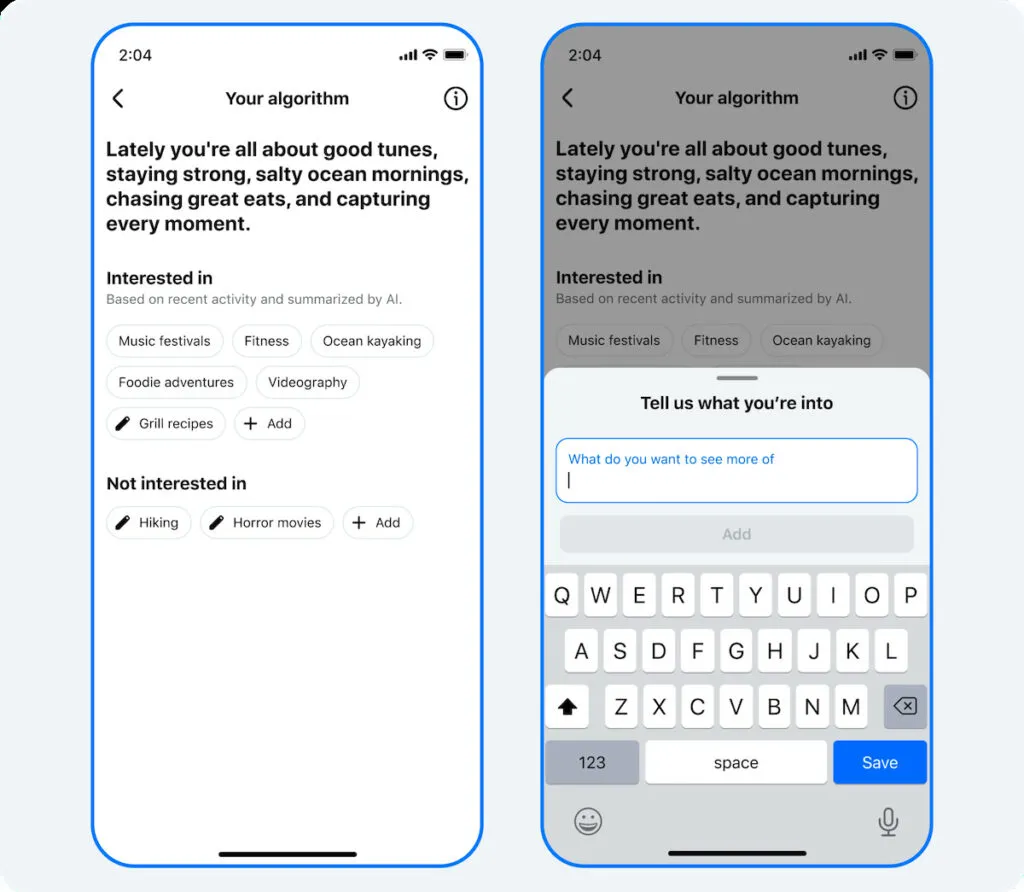
Instead of the algorithm guessing, now you write to it what you want to see. Every such sentence is also...

Problems people worked on for entire careers, solved by a model nobody outside the company has seen. Some are already...

Meta's new models, according to the company's own tests, are on a par with the competition's leading models. But the...

On every continent, a four-hour battery is cheaper than an open-cycle gas turbine. The paradox: gas is being made more...

Musk accuses Ambani of a monopoly, and India's ministry replies that all satellite operators are waiting in the same queue....

The film about Frances Haugen and the "Facebook Files" failed to excite audiences. Several more films casting tech bosses as...

Victims in 42 countries lost 442 billion dollars last year, and scam tools are available from 500 dollars a month....

The startup pulled its app and deleted user data, and less than three weeks later Apple was already filing a...
This site uses cookies - is that okay? Learn more
Be the first to know when Metla launches something new
Leave your email and we will write when there is a new guide or something new on Metla.


