Prosecutors set out the sequence in Radišani: the driver cut off 19-year-old Nikola, then left without helping
10.08.2026


10.08.2026

10.08.2026
10.08.2026
10.08.2026
10.08.2026
10.08.2026
10.08.2026

09.08.2026
08.08.2026

10.08.2026
10.08.2026

09.08.2026
10.08.2026

10.08.2026

10.08.2026
10.08.2026

09.08.2026
08.08.2026
10.08.2026

10.08.2026
10.08.2026

10.08.2026
09.08.2026
08.08.2026

09.03.2026

27.02.2026

19.02.2026
10.08.2026
09.08.2026

08.08.2026

23.04.2026

23.04.2026

12.04.2026
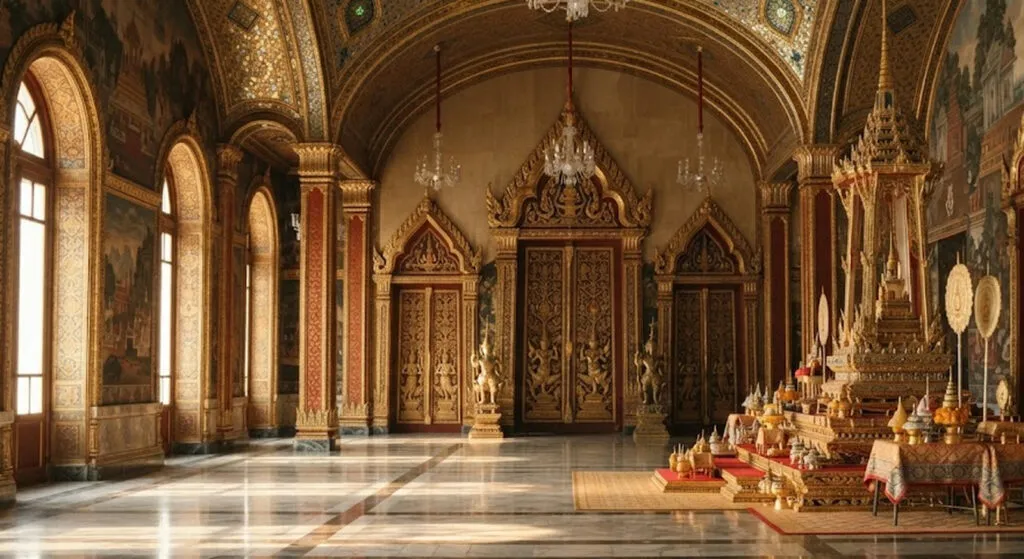
In Brunei there is no parliament to ask a question, no court to appeal to, not even a newsroom to demand an explanation. There is only a decree, read out on state television, and one woman who until yesterday was a princess and from that day is nothing.
Sultan Hassanal Bolkiah stripped all titles and dignities from Pengiran Raabiatul Adawiyah, wife of Prince Abdul Malik, who is fourth in line to the throne. The decision took effect immediately. There was no reasoning. What the palace conveyed through local media was almost medieval in its phrasing: she had behaved in a manner unbecoming of the wife of a member of the royal family and shown disrespect towards His Majesty, the queen and the royal family. Not one concrete fact. Not one act. Only an assessment, delivered by the man who is simultaneously prosecutor, judge and enforcer.
The wedding that lasted ten days
To understand how far she has fallen, you have to see where she started. In April 2015, at Istana Nurul Iman - the largest and most expensive palace in the world - Prince Abdul Malik married the then twenty-two-year-old Dayangku Raabiatul Adawiyah, a data analyst. The celebration lasted around ten days and entered the list of the most expensive weddings ever recorded.
At that ceremony the sultan personally took his son's hand and placed it on the bride's head - the gesture of blessing that seals the marriage. In the same act he granted her the title Yang Amat Mulia Pengiran Anak Isteri, the rank of princess and royal consort. Eleven years later, the same hand that blessed her erased her with one signature. A title is not earned - it is lent, and the lender can ask for it back whenever he likes.
Absolute power has no mechanism for error
The Balkans is still arguing about whether the president has too much authority, whether the prime minister broke procedure, whether a decision passed through the right committee. Those arguments look small while you read how one family decides a person's fate without a single step resembling process. But that is exactly why it is worth reading. The mechanisms we quarrel over exist so this does not happen - so that power cannot be both the accusation and the verdict in the same sentence.
The timing of the decision is not random, or at least does not look it. The sultan marks his eightieth year this year, and in January he had a full right knee replacement. The question of succession in one of the planet's wealthiest dynasties is quietly opening, and pulling the fourth in line out from under the protection of a title is a signal everyone in the palace knows how to read.
What actually happened? Nobody says. Even the local media, which usually follow palace movements closely, were caught off guard. When an institution can punish without having to explain, the silence itself becomes part of the punishment.
The latest 10 news from this category
Tehran wants the blockade lifted, US forces withdrawn and sanctions erased. Washington answers with a chess metaphor - while a...
Not a fault and not an attack - an exercise. While the army simulates a Chinese landing, the authorities are...
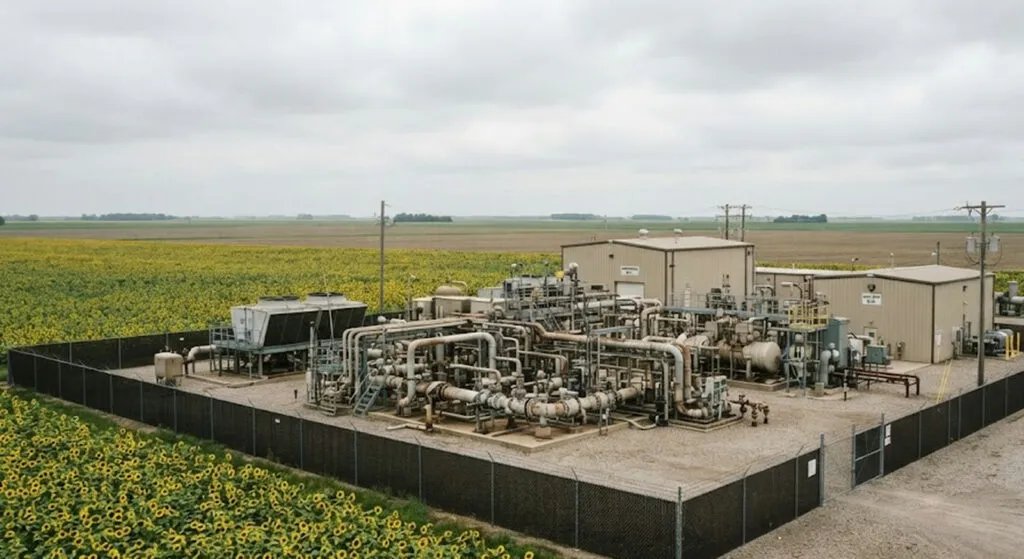
It came down in a sunflower field a kilometre from a compressor station. If it was not deliberate, that is...
A Mecca agreement with Pakistan and Saudi Arabia, modelled on Article 5. It is not aimed at Iran, they say...
Sanctions, frozen assets, compensation, troop withdrawal. Tehran is in no hurry - time works for whoever holds the tap, not...

Russia issued permits for seven Chinese ships on the Northern Sea Route, and China is announcing its first scheduled line...
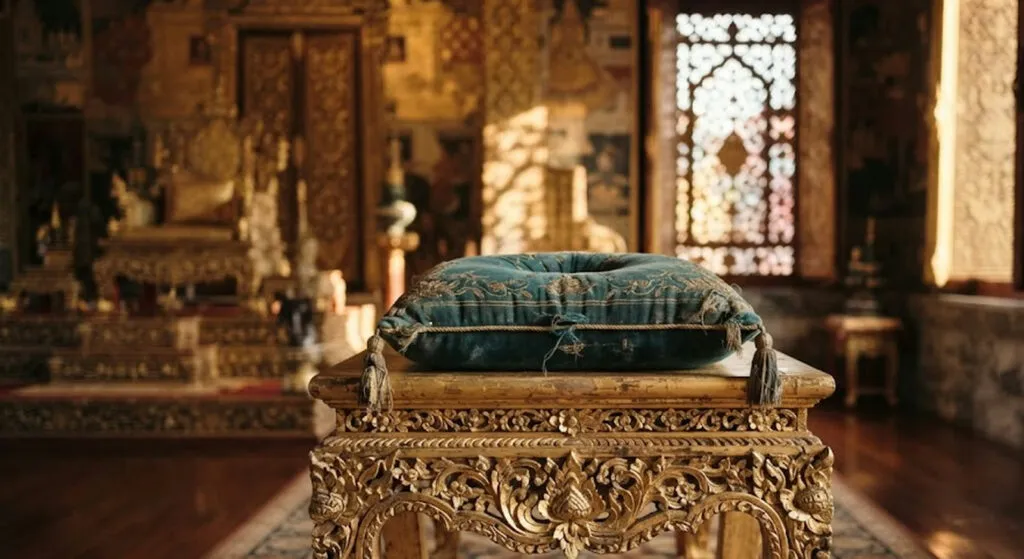
No explanation, no evidence, effective immediately. Eleven years after a wedding that ranked among the world's most expensive, the rank...
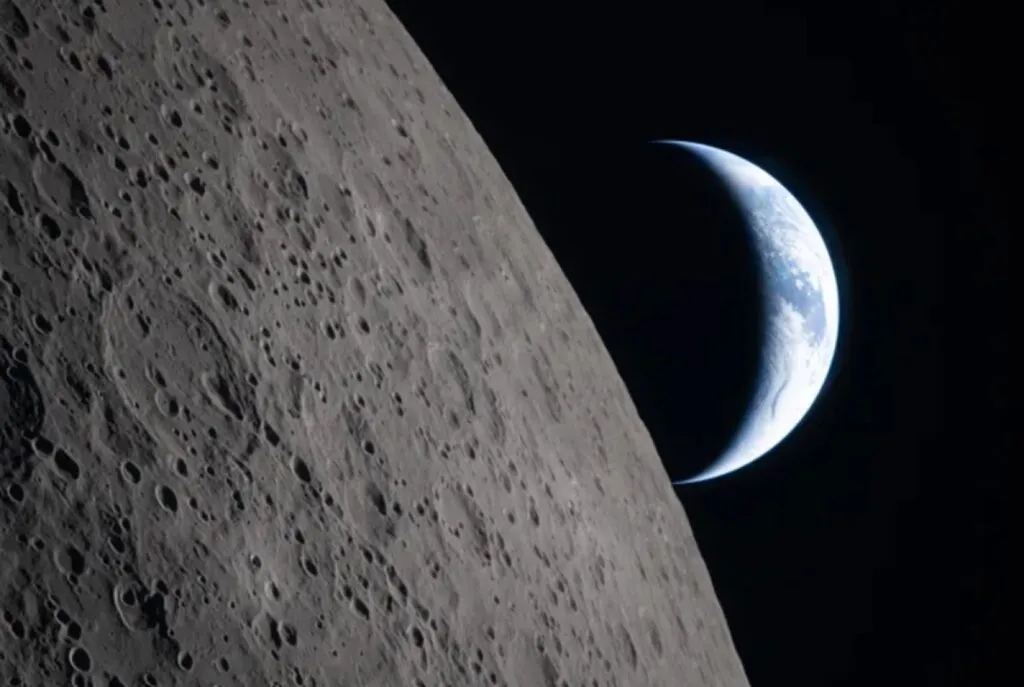
Nobody is racing for a flag, they are racing for ice - water, fuel and air. The 1967 treaty bans...
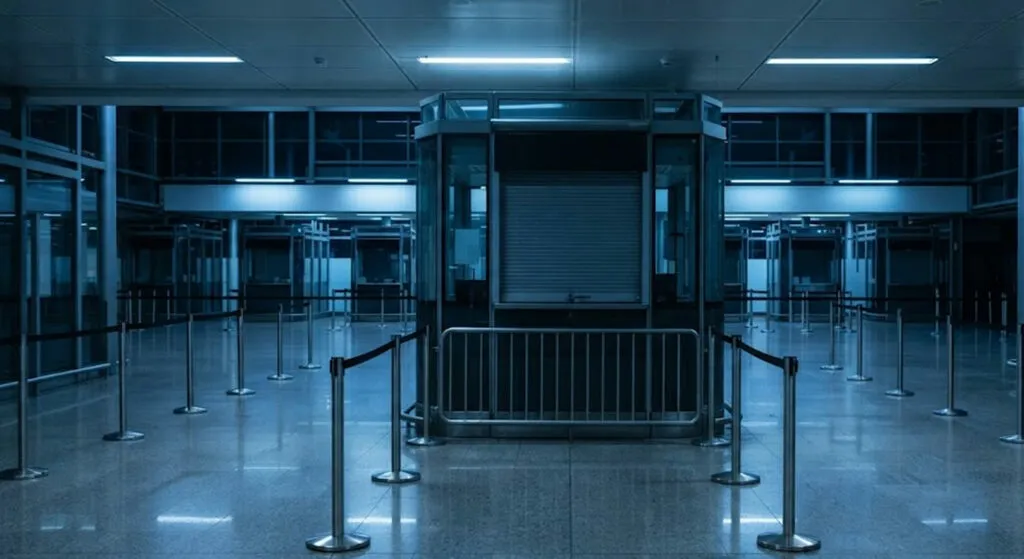
Two EU founding members are checking each other's passports at an internal border. The Balkans have spent decades being told...
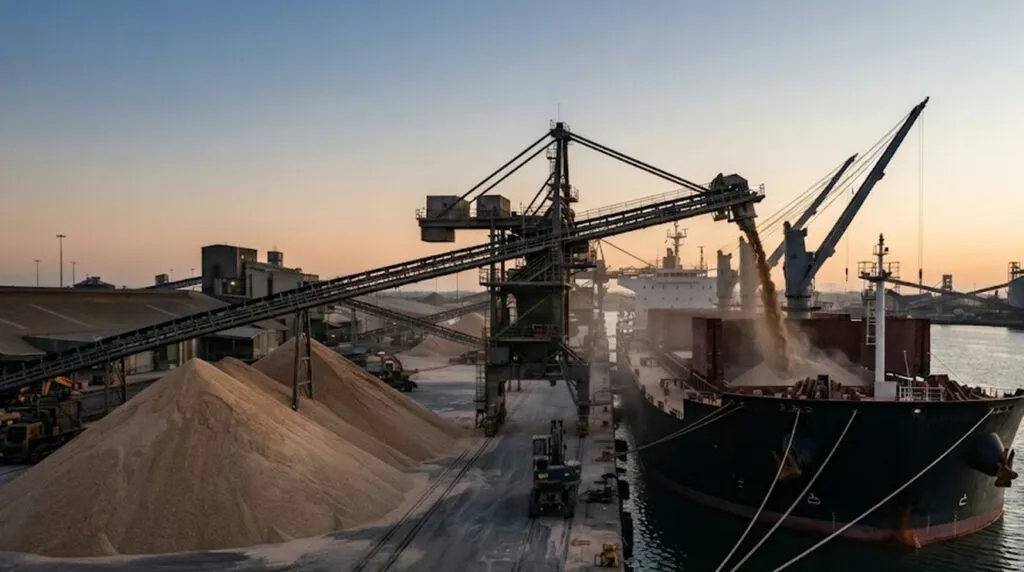
Deliveries to Europe fell by over ninety percent, and the earnings went up. Serbia tripled its imports, and Brussels' loudest...
This site uses cookies - is that okay? Learn more
Be the first to know when Metla launches something new
Leave your email and we will write when there is a new guide or something new on Metla.