A Fire Truck Burned Down Near Struga: Two Firefighters in Hospital, and the Season Has Barely Started
08.08.2026


08.08.2026

08.08.2026
08.08.2026

08.08.2026

08.08.2026

08.08.2026

08.08.2026

07.08.2026

06.08.2026

08.08.2026

08.08.2026

07.08.2026

08.08.2026

08.08.2026

08.08.2026

08.08.2026

07.08.2026

06.08.2026

08.08.2026

08.08.2026

08.08.2026

08.08.2026

08.08.2026

07.08.2026

09.03.2026

27.02.2026

19.02.2026

08.08.2026
07.08.2026

06.08.2026

23.04.2026

23.04.2026

12.04.2026
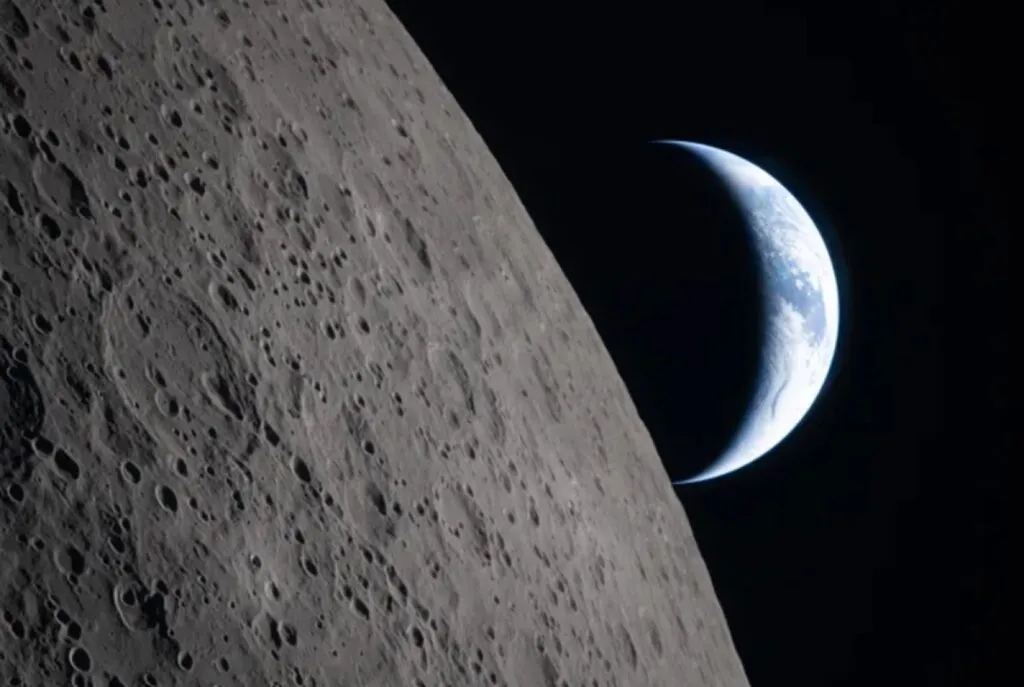
The two superpowers are running to the Moon again, but this time the goal is not a flag on the surface. The goal is the south pole - one narrow place where there is ice, and ice means water, fuel and air to breathe. So this time the race is for property, not for glory.
China has set a pace few expected. It launched the Tiangong station and brought back soil samples from the far side of the Moon, something no other country has repeated. Beijing announced a permanent settlement on the Moon by 2040, and Washington reacted the way anyone reacts on realising the race has already started without them.
Two different strategies, the same deadline
The Americans are leaning on the private sector. Astrobotic's „Griffin” lander is due to touch down at the south pole towards the end of 2026 - after two previous failed landing attempts by another American firm. China is going the centralised route: the Chang'e-7 mission launches this month with four coordinated robotic systems - an orbiter, a lander, a rover and a hopping vehicle - to analyse the water ice directly.
Tang Yuhua, deputy chief designer, states the motive without decoration: finding water on the Moon could significantly cut the cost and time of transporting water from Earth and enable long-term activity at a human base. Strategic adviser Patrick Besha rates the Chinese technological path as the simpler one, and the remaining obstacles as not that insurmountable.
NASA is aiming at 2028 for landing astronauts, though those deadlines have slipped more than once. Former NASA administrator Jim Bridenstine has already said the next people to walk on the Moon will most likely be Chinese taikonauts. The current administrator, Jared Isaacman, acknowledges China as a serious competitor but insists America will keep its promise for 2028.
The treaty that bans appropriation - and the seventy signatures that work around it
This is where the story stops being technological. The 1967 Outer Space Treaty prohibits territorial claims, but its interpretation is contested. Seventy states have signed the Artemis Accords, which allow resource extraction and the establishment of „safety zones”. China is not among them.
Clayton Swope of the Center for Strategic and International Studies asks the question the whole structure rests on: if you cannot appropriate it, how can you own it? Nobody has an answer, and that is exactly why everyone is hurrying - whoever stands on the ice first will write the rules for those who come later.
This is a scene the Balkans recognise without effort. The rules exist, the treaty is signed, and then the sufficiently powerful parties draw up a parallel arrangement and call it an interpretation. The only difference is that here the ground is 384,000 kilometres away, so there is nobody to protest.
Optimists point out that the Cold War also ended with the International Space Station - decades of rivalry, then a shared station. Maybe. But that station arrived after one side had lost the race, not while it was still on. The question for 2028 is not who lands first, but what gets written into the register when they come back.
The latest 10 news from this category
Two EU founding members are checking each other's passports at an internal border. The Balkans have spent decades being told...
Deliveries to Europe fell by over ninety percent, and the earnings went up. Serbia tripled its imports, and Brussels' loudest...
A report by two ministries says 180,000 hectares of mud are worth something on the Russian border. The Balkans have...

Eleven years after a ten-day wedding in the largest palace on earth, the same man who brought her into the...

Out of 302 designs, only 16 worked. The question is no longer whether an algorithm can write a virus, but...

The American plan calls for disarmament and withdrawal. Both sides agree on the steps - and disagree entirely on who...
Not over the Donbas, but at one of Europe's largest cargo airports. This time the difference between an incident and...
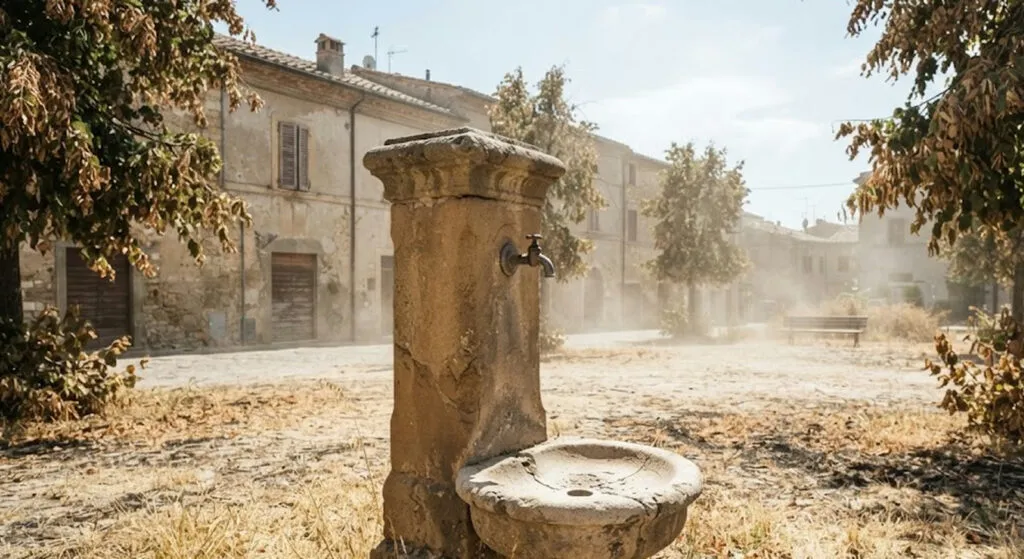
Thirteen settlements are already on the strictest regime, and the Paks nuclear plant is being cooled with floating pumps. When...
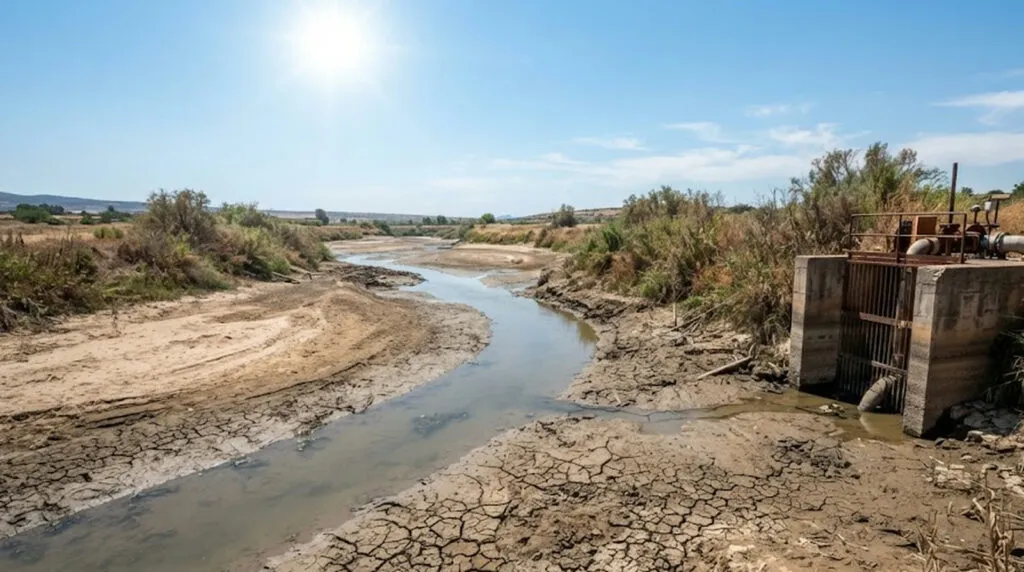
The first reactor at Cernavoda is already shut down for lack of water. The minister calculated that blowing up the...
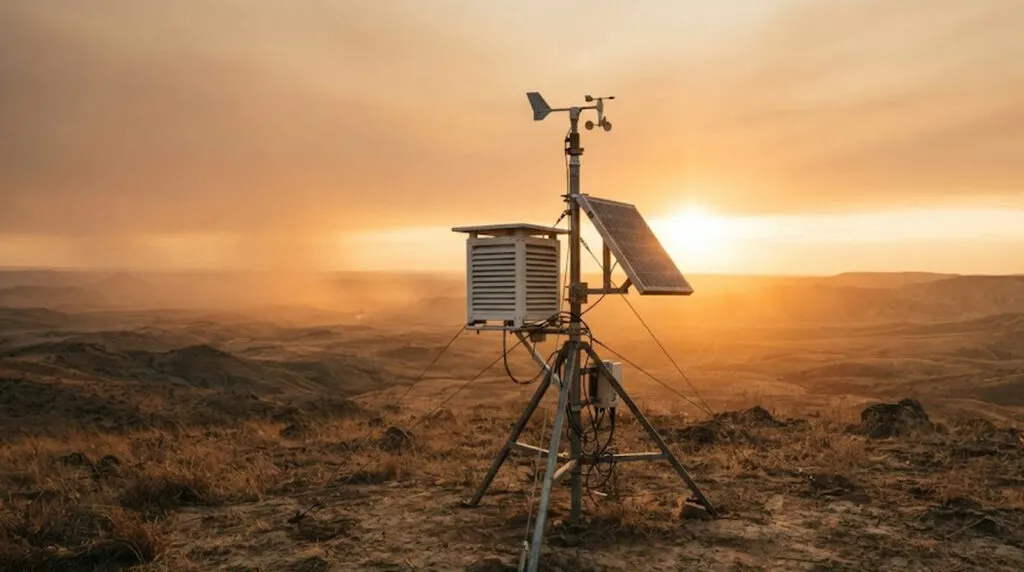
The Paris Agreement's 1.5-degree limit falls before 2030 if the pace holds. For the first time the acceleration is proven,...
This site uses cookies - is that okay? Learn more
Be the first to know when Metla launches something new
Leave your email and we will write when there is a new guide or something new on Metla.