A Fire Truck Burned Down Near Struga: Two Firefighters in Hospital, and the Season Has Barely Started
08.08.2026


08.08.2026
08.08.2026
08.08.2026

08.08.2026

08.08.2026
08.08.2026
08.08.2026

07.08.2026
06.08.2026

08.08.2026

08.08.2026

07.08.2026

08.08.2026

08.08.2026

08.08.2026
08.08.2026

07.08.2026

06.08.2026

08.08.2026
08.08.2026

08.08.2026

08.08.2026

08.08.2026
07.08.2026

09.03.2026

27.02.2026

19.02.2026
08.08.2026
07.08.2026
06.08.2026

23.04.2026

23.04.2026

12.04.2026
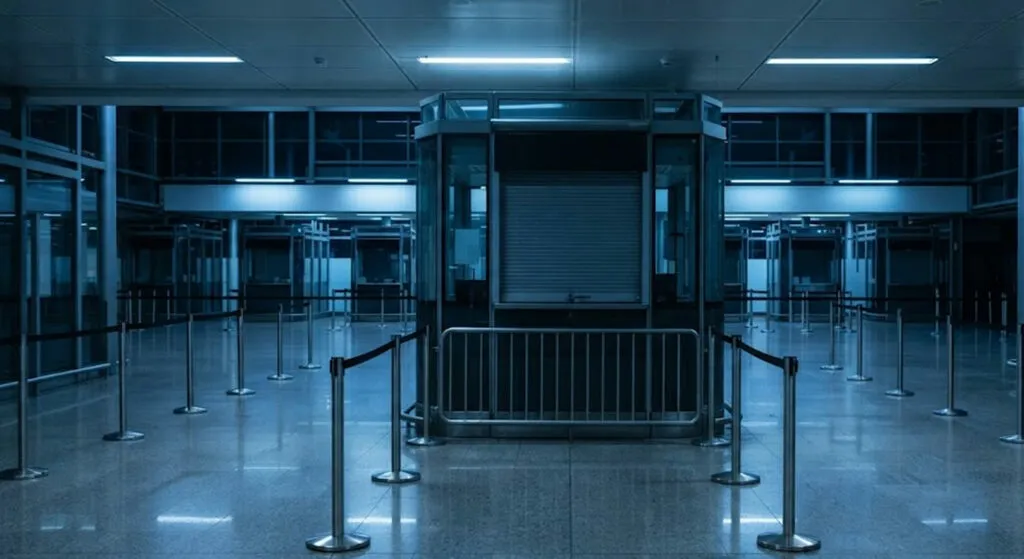
Italy and Spain, two founding countries of the European project, are currently checking each other's passports as though they were strangers. From midnight on Saturday, Spanish police begin checking travellers arriving from Italy - at airports and ports, at random, until 7 September. ID card, passport, visa. At an internal border inside Schengen.
This is a response. Rome struck first, suspending last week the application of Schengen for third-country nationals arriving from Spain, after thousands of migrants entered the Spanish enclave of Ceuta in North Africa. Madrid asked for the checks to be dropped by 9 August. The answer from the Italian prime minister's office was cold: nothing will be reconsidered, at least not before 15 August.
Ultimatum against ultimatum
„We have no intention of reconsidering the decision to suspend the application of the Schengen agreement,” says the statement from Rome, adding that Italy does not accept „ultimatums” or „impositions” when it comes to security. Rome insists the decision does not stem from hostility towards Spain, which it considers a friendly country, but is a measure of the kind other European governments have taken in similar situations.
Madrid sees it differently. Spanish foreign minister Jose Manuel Albares called Rome's decision „unfair and unjustified” and said it „attacks Spanish dignity and European unity”. He also mentioned footage from the airports, where Spanish citizens were treated in a way he described as undignified.
The numbers that spoil the story
This is where Rome's argument starts to crack. According to the Spanish side, Italy has the highest number of irregular migrant arrivals in the entire EU - twice as many as Spain. Despite that, Madrid has so far acted in solidarity, including with rescues in the central Mediterranean. Albares added one figure that says everything about how intertwined the two countries are: for every Spaniard living in Italy there are ten Italians living in Spain.
So the country with the most arrivals is closing its border to the country with fewer arrivals, in the name of security. And leaving ten times more of its own citizens on the other side of that border.
From the Balkans, the view is different
Macedonia, Serbia, Albania - all have spent years being told that free movement is a foundational European value, that Schengen is the reward for patience and reform, that there are rules and that those rules are solid. Borders in the Balkans were closed, opened and closed again precisely in the name of those rules, and the migrant route ran through our fields and railway lines while Brussels controlled the clock.
Now two founding members suspend that very value against each other within a few weeks, with no ambiguity and no apology. Are the rules a foundation, or a tool you pull out when you need it?
Meloni's office says the checks will be reviewed once security and terrorism risks are entirely removed, once there is no new wave, and once there are no irregular migrants moving towards European territory. That is not a condition - it is a list of things that are never fully met. The Spanish government, for its part, said it believes „the European spirit, common sense and goodwill” will prevail.
It believes. That is all it has left at its disposal.
The latest 10 news from this category
Nobody is racing for a flag, they are racing for ice - water, fuel and air. The 1967 treaty bans...
Deliveries to Europe fell by over ninety percent, and the earnings went up. Serbia tripled its imports, and Brussels' loudest...
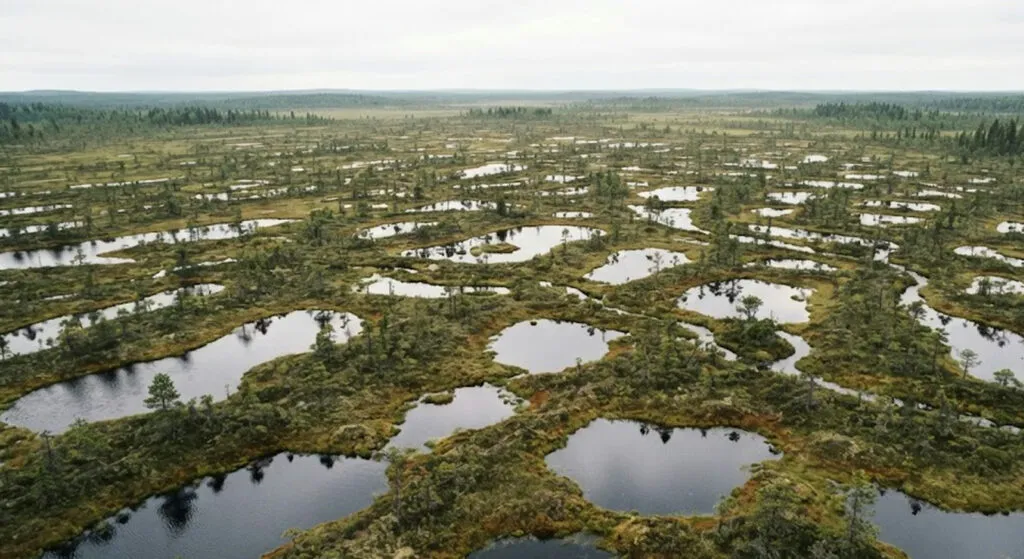
A report by two ministries says 180,000 hectares of mud are worth something on the Russian border. The Balkans have...
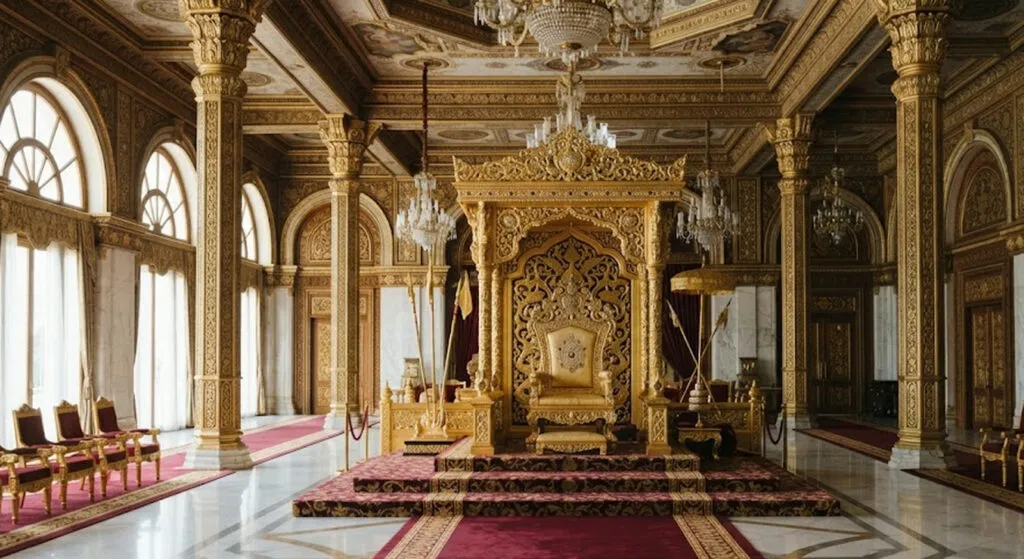
Eleven years after a ten-day wedding in the largest palace on earth, the same man who brought her into the...
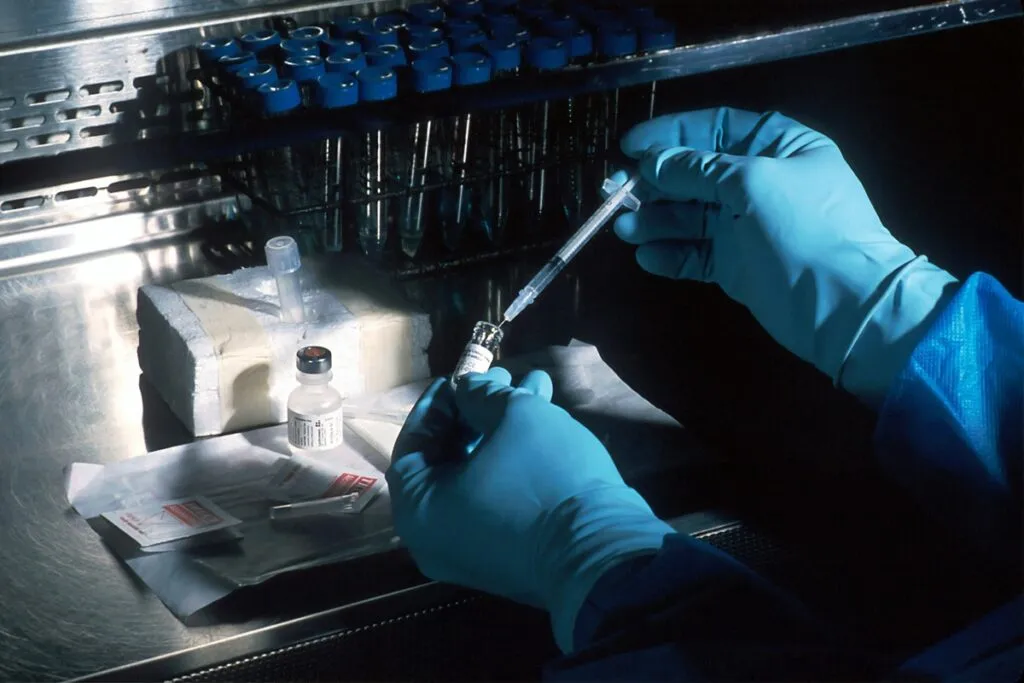
Out of 302 designs, only 16 worked. The question is no longer whether an algorithm can write a virus, but...

The American plan calls for disarmament and withdrawal. Both sides agree on the steps - and disagree entirely on who...
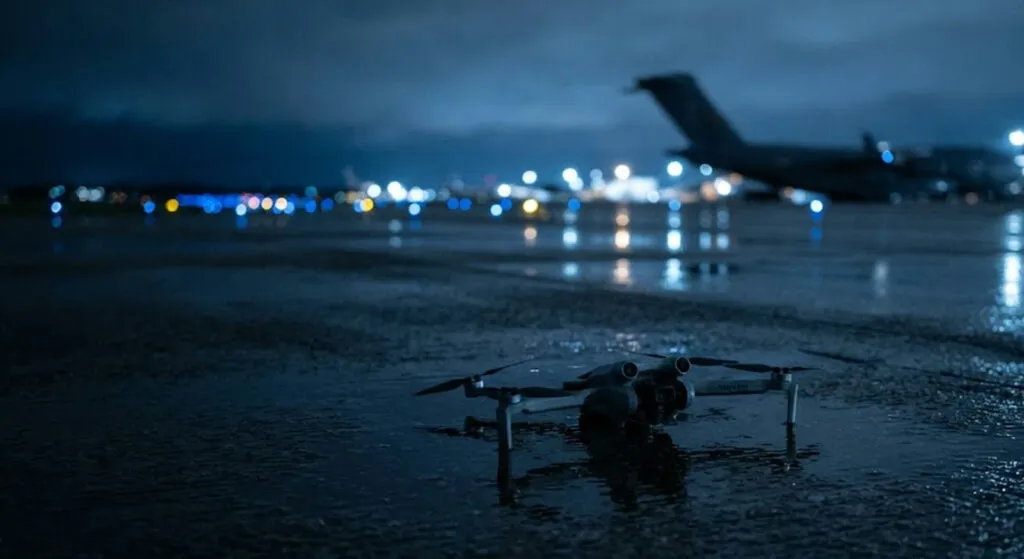
Not over the Donbas, but at one of Europe's largest cargo airports. This time the difference between an incident and...
Thirteen settlements are already on the strictest regime, and the Paks nuclear plant is being cooled with floating pumps. When...
The first reactor at Cernavoda is already shut down for lack of water. The minister calculated that blowing up the...
The Paris Agreement's 1.5-degree limit falls before 2030 if the pace holds. For the first time the acceleration is proven,...
This site uses cookies - is that okay? Learn more
Be the first to know when Metla launches something new
Leave your email and we will write when there is a new guide or something new on Metla.