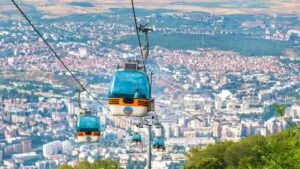
Three of Four Sensors Were Dead: Skopje's Vodno Cable Car Ran Fifteen Years Without a Real Service
17.09.2026


17.09.2026

17.09.2026
17.09.2026

17.09.2026
17.09.2026
17.09.2026

17.09.2026
16.09.2026
15.09.2026

17.09.2026

17.09.2026

16.09.2026
17.09.2026

17.09.2026

17.09.2026

17.09.2026

16.09.2026

15.09.2026

17.09.2026

17.09.2026

17.09.2026

17.09.2026

17.09.2026

17.09.2026

09.03.2026

27.02.2026

19.02.2026

23.04.2026

23.04.2026

12.04.2026

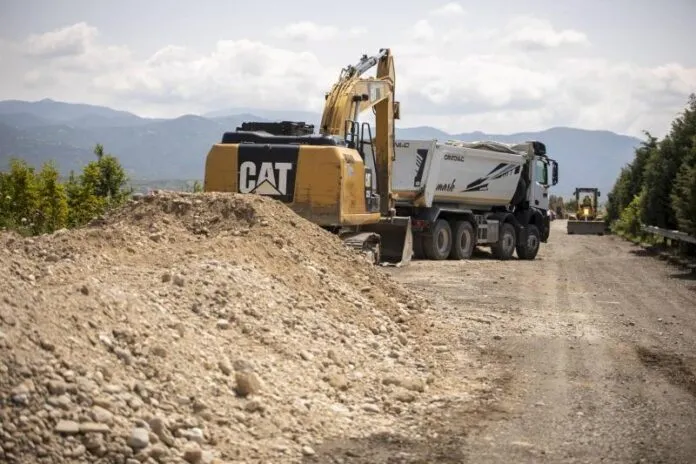
Corridors 8 and 10 are back on the table - not as construction projects, but as geopolitical instruments. According to several analyses published this week, the US, China and Germany see different goals in the same roads, and all three view Macedonia as a critical point.
Corridor 8 - the east-west line connecting the Adriatic and the Black Sea through Albania, Macedonia and Bulgaria - has become part of the American geopolitical map. That isn't a metaphor. According to a US State Department strategic document on the Western Balkans, it is a premium line for connecting the Adriatic to the Black Sea, and the US is actively positioning itself as a partner in its development - with the intent, as the document directly puts it, „to ensure transparent public procurement procedures that benefit American companies."
Corridor 10 - the north-south Vardar-Morava line - has been a subject of Chinese interest since 2017. It's the axis through which Chinese investment in the Greek port of Piraeus connects to European markets. China doesn't write diplomatic documents about the Balkans; China invests directly - and quietly.
And Germany? Germany sees infrastructure as a way to keep the Balkans from becoming unstable. That's the most sober approach but also the most passive - based on „connecting the region" rather than military or economic control.
Where do Macedonia and Bulgaria sit in this calculation? Bulgaria is trying to bypass Macedonia with alternative routes - but geography, as new analyses put it, is „stronger than local egoistic politics." Macedonia geographically sits at the intersection of both corridors, which makes it irreplaceable in all three strategic visions.
The problem is that „strategic point" is not an automatic value. The State Department document implicitly says aid comes with conditions - American companies as a priority in tenders. The strategic analyses define it more precisely: „geographic position by itself is not a virtue; it gains value only when the state knows what to do with it." Without institutions that know how to negotiate, and without transparency in tender awards, a „strategic point" turns into a place through which others make the plan.
For a Macedonian citizen, that means one thing - the next 3-5 years will show whether the state can use the moment, or whether it will only be a field where others play. Bulgarian obstacles in the EU accession process, Chinese investments in Piraeus, and American tenders - that's the three-sided game in which Skopje has to do its part. And so far, what we see doesn't suggest there is strategic coordination between the government, the opposition and the expert institutions. Instead, we have party fights and fragments of political declarations.
The latest 10 news from this category

Of 340 million denars, only 40 million came from private money - the rest came from the State Lottery. Prosecutors...
The State Audit Office already warned that withholding the points makes favouritism possible. The rulebook requiring them to be published...
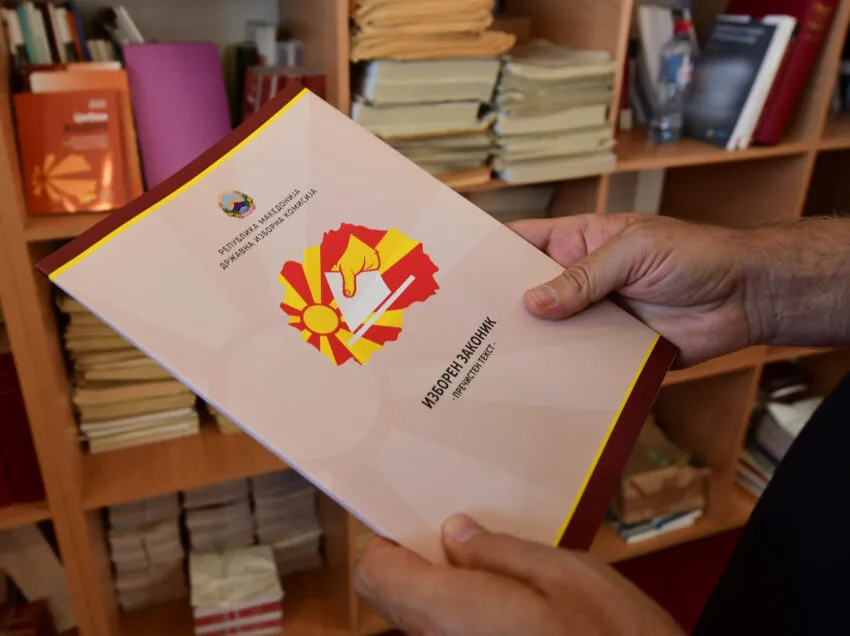
Two senior officials announced progress, the two largest parties denied it the same day. The amendments sit blocked behind 13,500...

The police acted on their own knowledge, without the PM filing anything at all. The same mechanism exists for every...
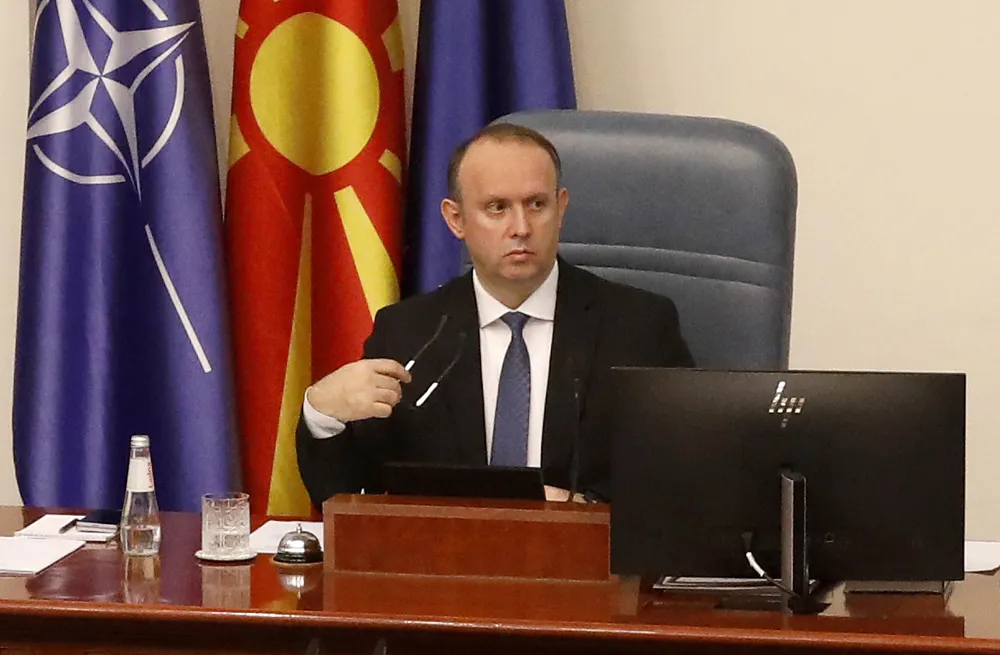
The Electoral Code is the one unfulfilled reform obligation, and the working group does not even know when it will...
It was supposed to cost "zero denars". Now the opposition wants an investigation, and the timeline - David Guetta announced...
Five negations in one sentence, pension growth "16 times higher" with not a single figure beside it, and a third...
One side waits for a letter, another waits for a different commission, a third waits for consent. In those same...
The commission's chairman says it only checked whether the documents were complete. The public call says something else entirely -...
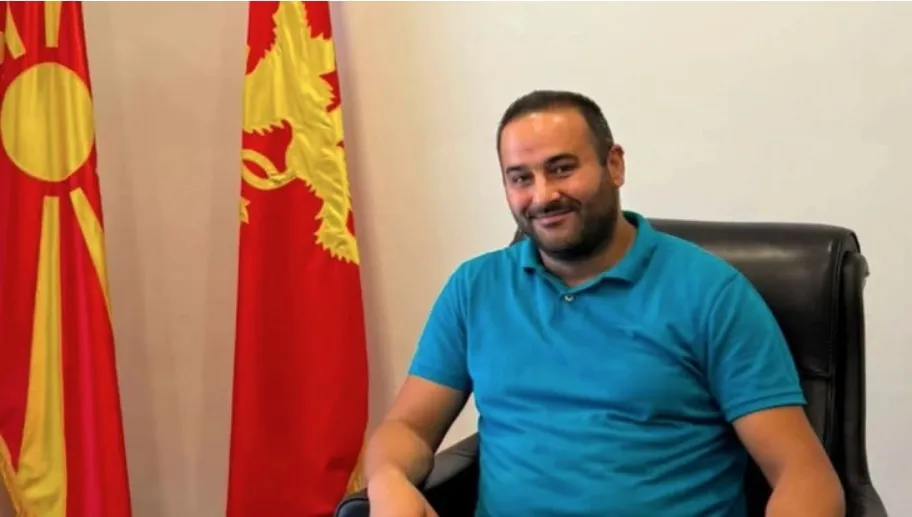
Three candidates, two of them lawyers, one of them employed by the very municipality he is running for. The line...
This site uses cookies - is that okay? Learn more
Be the first to know when Metla launches something new
Leave your email and we will write when there is a new guide or something new on Metla.