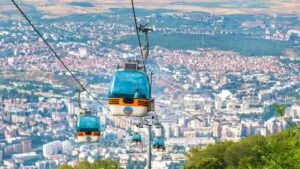
Three of Four Sensors Were Dead: Skopje's Vodno Cable Car Ran Fifteen Years Without a Real Service
17.09.2026


17.09.2026
17.09.2026
17.09.2026
17.09.2026

17.09.2026
17.09.2026

17.09.2026
16.09.2026

15.09.2026

17.09.2026

17.09.2026
16.09.2026
17.09.2026

17.09.2026

17.09.2026

17.09.2026

16.09.2026

15.09.2026

17.09.2026

17.09.2026

17.09.2026

17.09.2026

17.09.2026

17.09.2026

09.03.2026

27.02.2026

19.02.2026

23.04.2026

23.04.2026

12.04.2026

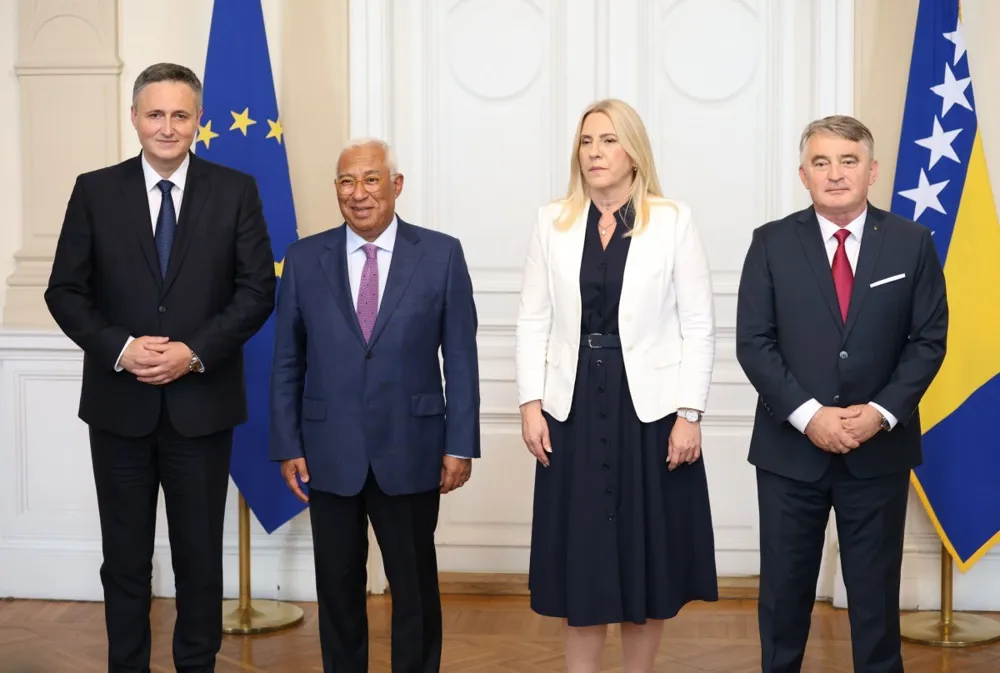
Another visit by a senior European official, and once again the same story in a slightly different dress. European Council President Antonio Costa arrived in Skopje to meet PM Hristijan Mickoski - and almost nobody expects a dramatic turn. Costa holds to the familiar line: Macedonia must fulfil the obligations from the 2022 negotiating framework, which includes writing Bulgarians into the Constitution.
That Costa won't budge from that position is all but certain - it would mean questioning decisions the European Council has already adopted. But the political reality isn't the same as a few years ago. In the meantime Macedonia has pressed on with reforms, earned positive marks on parts of the European agenda and access to new funds, while the EU itself has faced geopolitical challenges that put enlargement back on the agenda.
The war in Ukraine, intensified Russian influence in parts of the Balkans, China's economic presence - all of it has pushed the Western Balkans high up Brussels' agenda. And that's exactly where the question of the EU's credibility becomes crucial. More and more often, European circles say the Union must show it keeps its own promises to candidates.
The government has lately insisted the debate not be reduced to whether there will be constitutional changes, but that the question of guarantees be opened too. The essence, from its angle, isn't just to fulfil one obligation - it's to get assurance that no new demands and new blockades will follow. And that question carries a weight every Macedonian understands.
Because after the Prespa Agreement, the name change and a string of concessions, a large part of the public has a well-founded suspicion: does every next concession really bring membership closer, or just open room for the next condition? The history of the past decade gives an uncomfortable answer - every concession was sent off as "the last," and after each one came another.
Realistically, the EU has no legal mechanism to guarantee in advance how a member state will behave in future. Nor can Costa offer such a guarantee on his own. But he can send a political message that there's no room for new conditions outside the framework. Whether he sends that message, or sticks to the standard "fulfil the obligations" - that's the only thing worth watching from this visit. Everything else we already know by heart.
The latest 10 news from this category
Of 340 million denars, only 40 million came from private money - the rest came from the State Lottery. Prosecutors...
The State Audit Office already warned that withholding the points makes favouritism possible. The rulebook requiring them to be published...
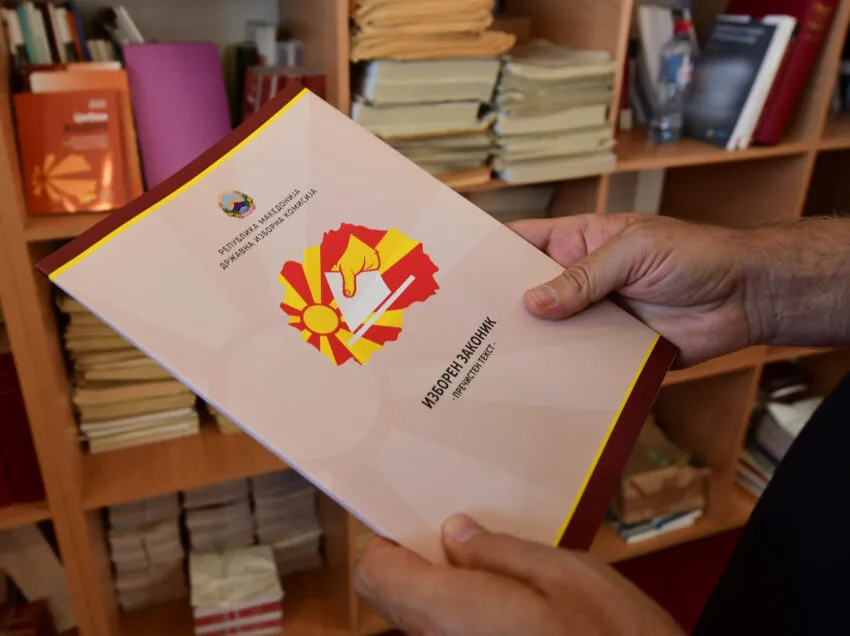
Two senior officials announced progress, the two largest parties denied it the same day. The amendments sit blocked behind 13,500...
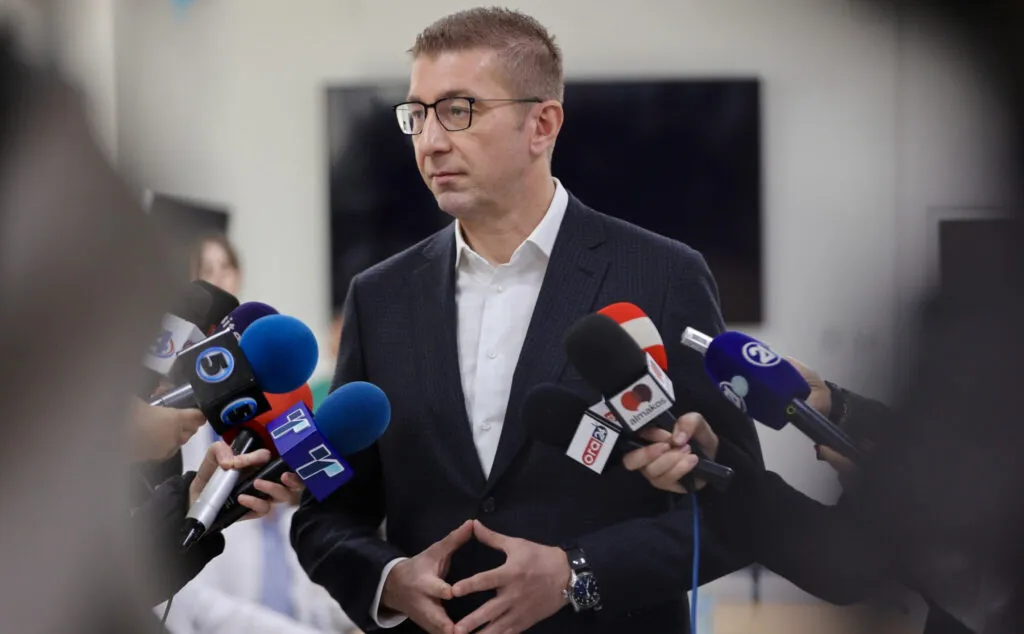
The police acted on their own knowledge, without the PM filing anything at all. The same mechanism exists for every...
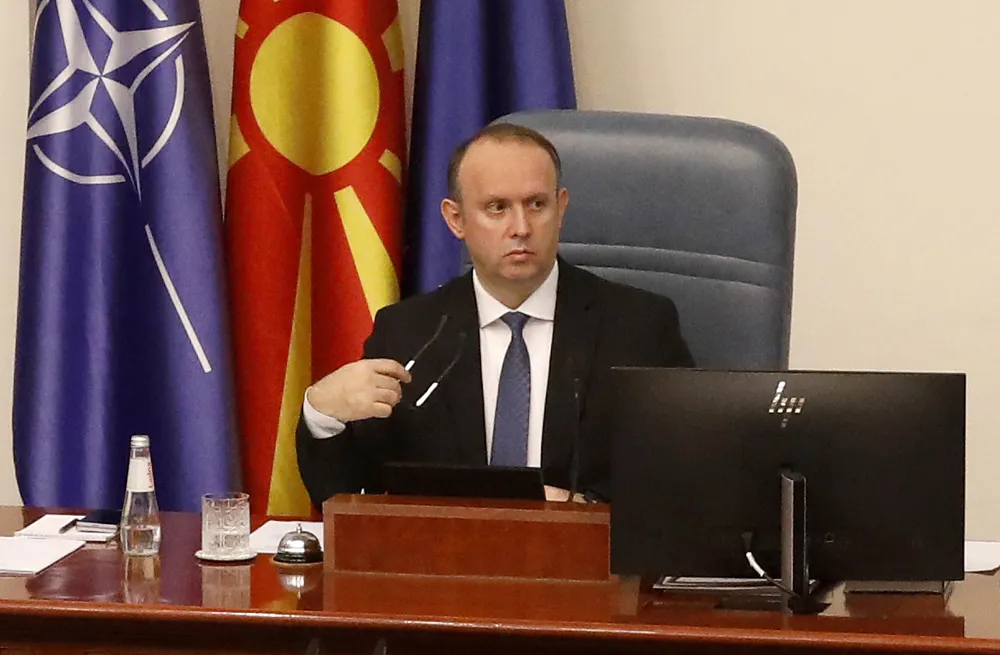
The Electoral Code is the one unfulfilled reform obligation, and the working group does not even know when it will...
It was supposed to cost "zero denars". Now the opposition wants an investigation, and the timeline - David Guetta announced...
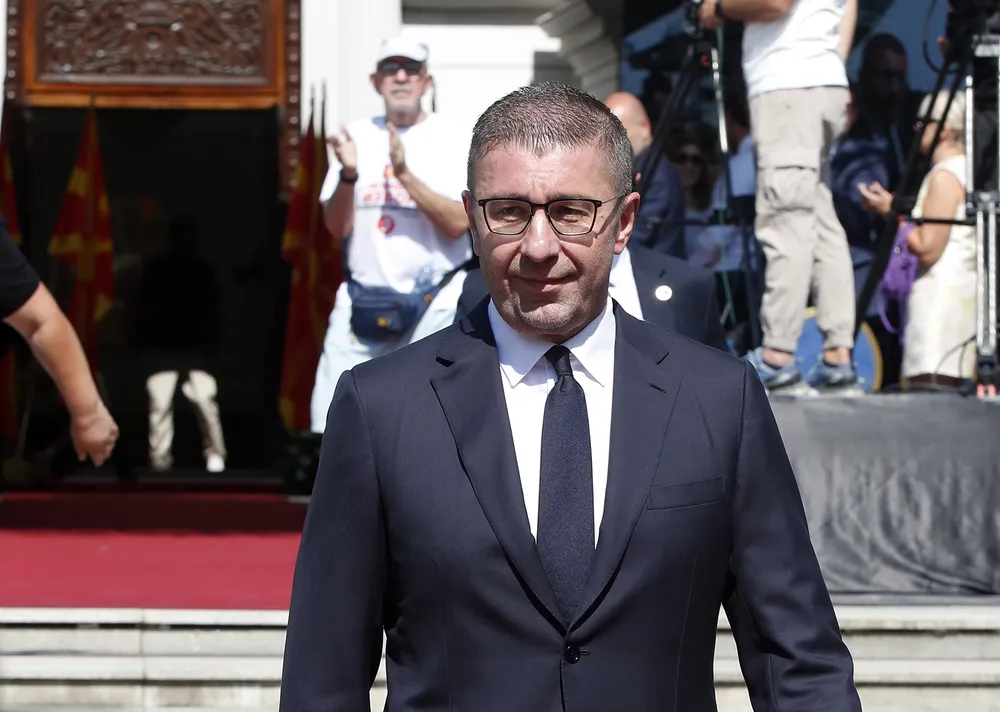
Five negations in one sentence, pension growth "16 times higher" with not a single figure beside it, and a third...
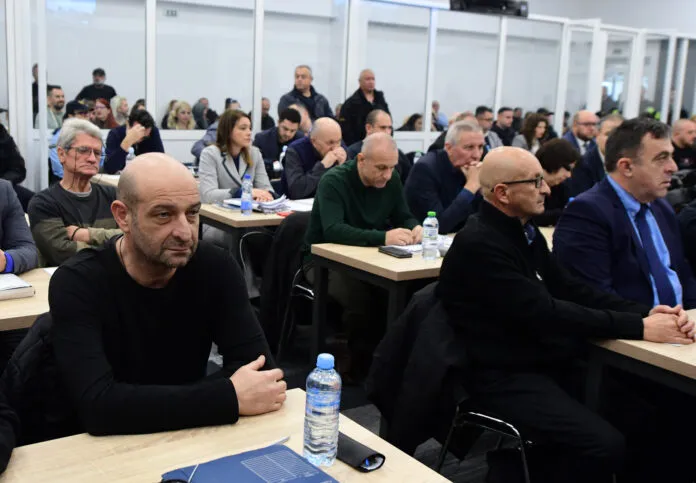
One side waits for a letter, another waits for a different commission, a third waits for consent. In those same...
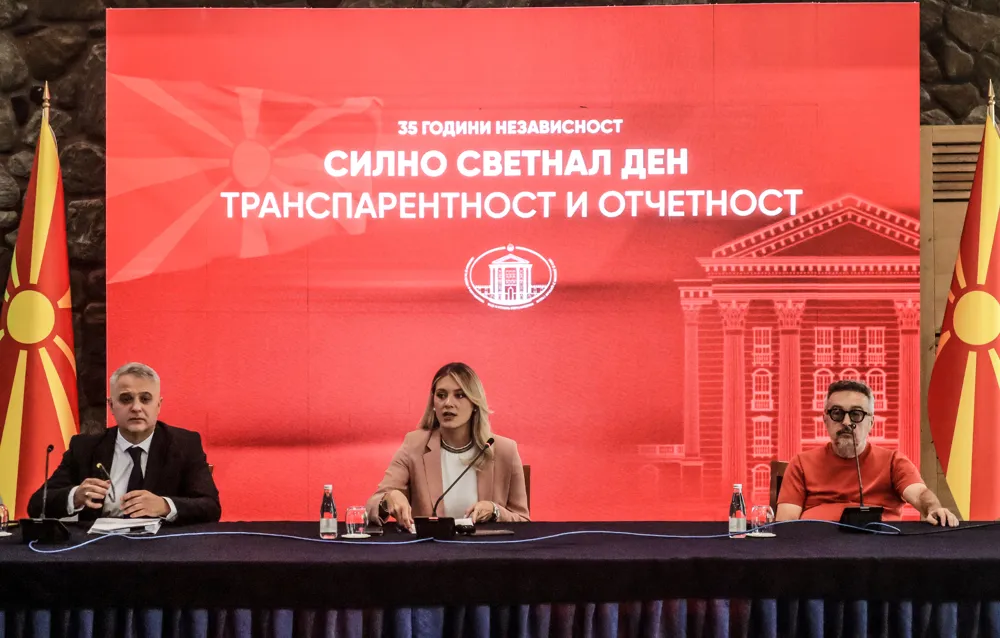
The commission's chairman says it only checked whether the documents were complete. The public call says something else entirely -...
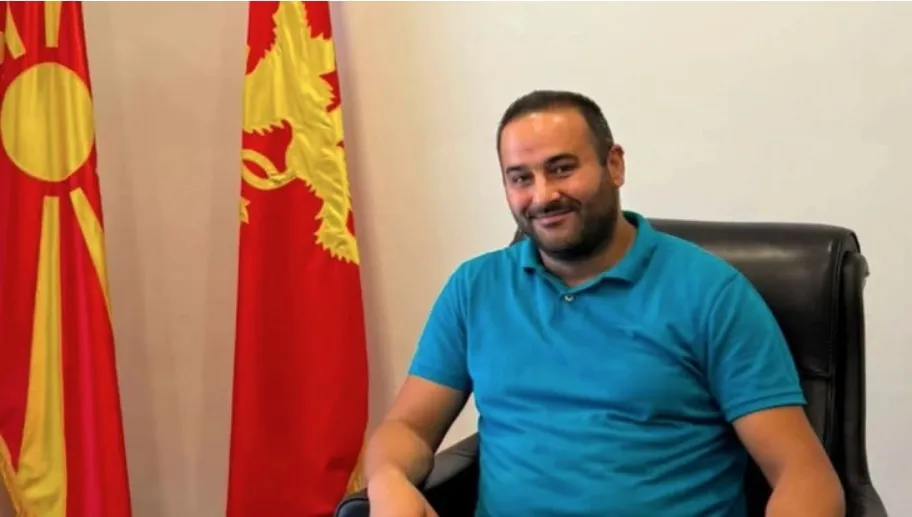
Three candidates, two of them lawyers, one of them employed by the very municipality he is running for. The line...
This site uses cookies - is that okay? Learn more
Be the first to know when Metla launches something new
Leave your email and we will write when there is a new guide or something new on Metla.