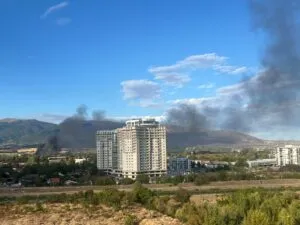
Black Smoke Over Skopje: A Paint and Varnish Warehouse Burned Inside the Old Steelworks
23.09.2026


23.09.2026
23.09.2026

23.09.2026

23.09.2026
23.09.2026

23.09.2026

23.09.2026
22.09.2026

21.09.2026

23.09.2026

23.09.2026

22.09.2026

23.09.2026

23.09.2026

23.09.2026
23.09.2026

22.09.2026

21.09.2026

23.09.2026

23.09.2026

23.09.2026

23.09.2026

23.09.2026

23.09.2026

09.03.2026

27.02.2026

19.02.2026

23.09.2026
22.09.2026

21.09.2026

23.04.2026

23.04.2026

12.04.2026

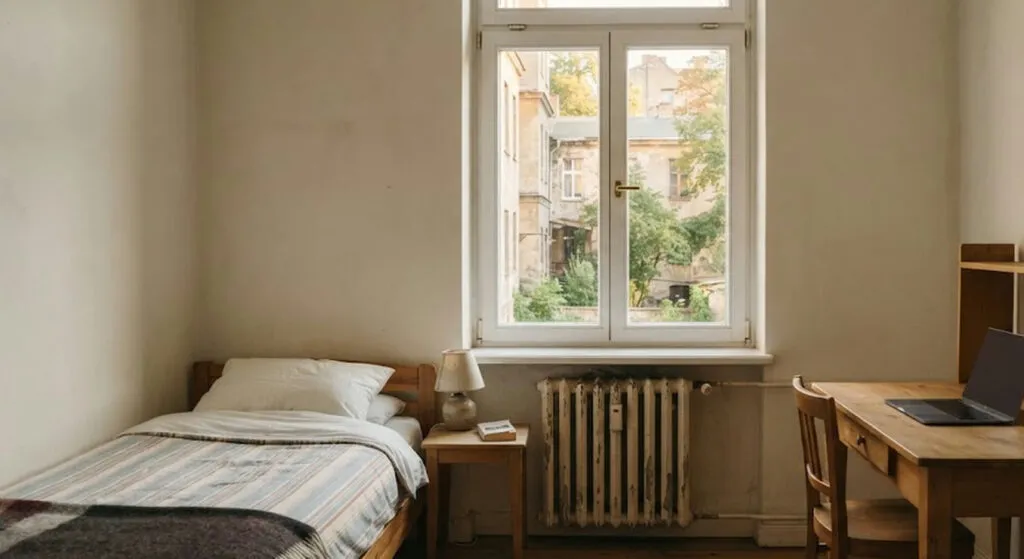
According to the latest figures from the European statistics office for 2025, young people in Croatia leave the parental home at an average age of 31.5. The European Union average is 26.3. That is a gap of over five years and last place in the entire Union. The previous year the figure was 31.3 - so it is not improving, it is quietly rising.
Behind Croatia come Greece and Slovakia at around 30.9, then Spain and Italy at 30.2. The southern and southeastern parts of Europe sit next to one another at the bottom of that list, which in itself says this is not about national character but about something those economies share.
The Finns leave a whole decade earlier
At the other end of the table stand the Finns, who strike out on their own around 21. After them come Denmark at 21.8, and Estonia and Lithuania at 22.7. The difference between Croatia and Finland is almost exactly ten years - an entire decade of life in the childhood bedroom.
European statistics also note that the Union-wide average has hovered around 26 for more than two decades. So the European average is holding still, while the bottom drifts away from it.
They work, and still live at home
The most important figure is not the age but what explains it. In 2025, 75.3 percent of young people aged 18 to 34 in Croatia lived with at least one parent. The Union average is 49.8 percent. And no, these are not all students and unemployed: Croatia is among the countries where more than half of young people living with their parents work full time.
That is the sentence that demolishes every comfortable explanatory tale about a spoiled generation. A person working full time who cannot afford a roof of their own does not have an ambition problem. They have a price problem.
The bill is in the housing
The European Commission's 2026 analysis points straight at it: limited supply for long-term rental, a shortage of social housing, and too little supply exactly where demand is highest. The Commission estimates Croatia is short of around 230,000 housing units - while at the same time a large number of existing flats stand empty or outside the long-term rental market.
Empty flats and people with nowhere to live, in the same country, at the same time. That is not a shortage of construction, it is a choice about how what has been built gets used.
Nobody has compiled a comparable figure for us, but the landscape is recognisable: a new-build bought by someone who will not live in it, rent eating a bigger share of the wage than it did five years ago, and a thirty-year-old still waking up in the room where they revised for their final exams. The question is not whether our figure would look better. The question is whether anyone is measuring it at all.
The latest 10 news from this category
The first police investigation found no irregularities. The second established unlawful and disproportionate force. The difference was made by footage...

The domestic regulator found the irregularities first, and then the story stopped. It took crossing a border for the same...

Two million people stood against twenty-seven states and the text never came out. A reminder that EU membership does not...
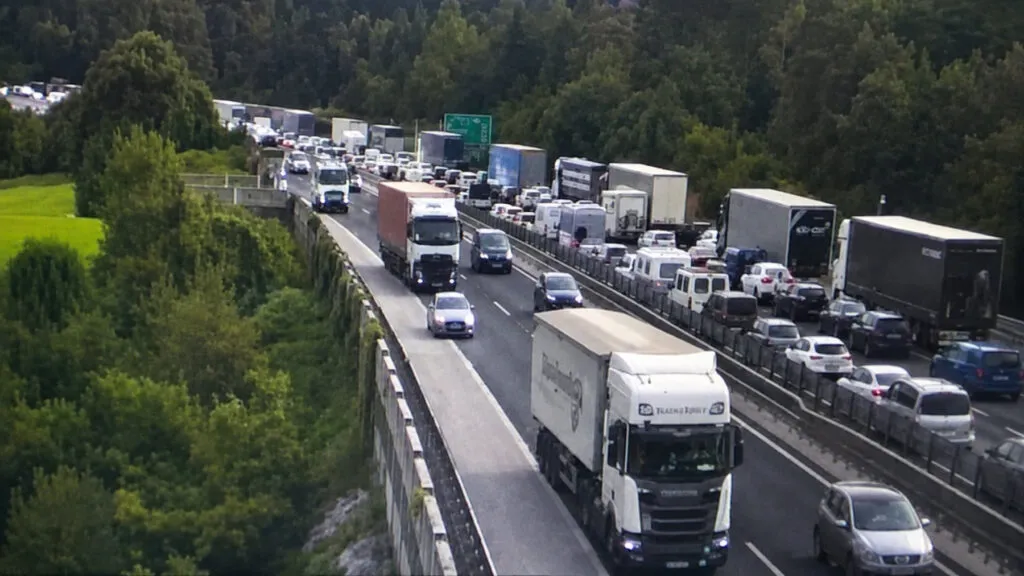
A lorry stopped in the hard shoulder with a breakdown, a car with five passengers and one impact in the...

Forty-two tonnes of water per flight and one well-organised welcome on the runway in Niš. The fire in the Deliblato...

Seven times since 2015, and one trip ended less than two months before the invasion of Ukraine. SOVA says it...
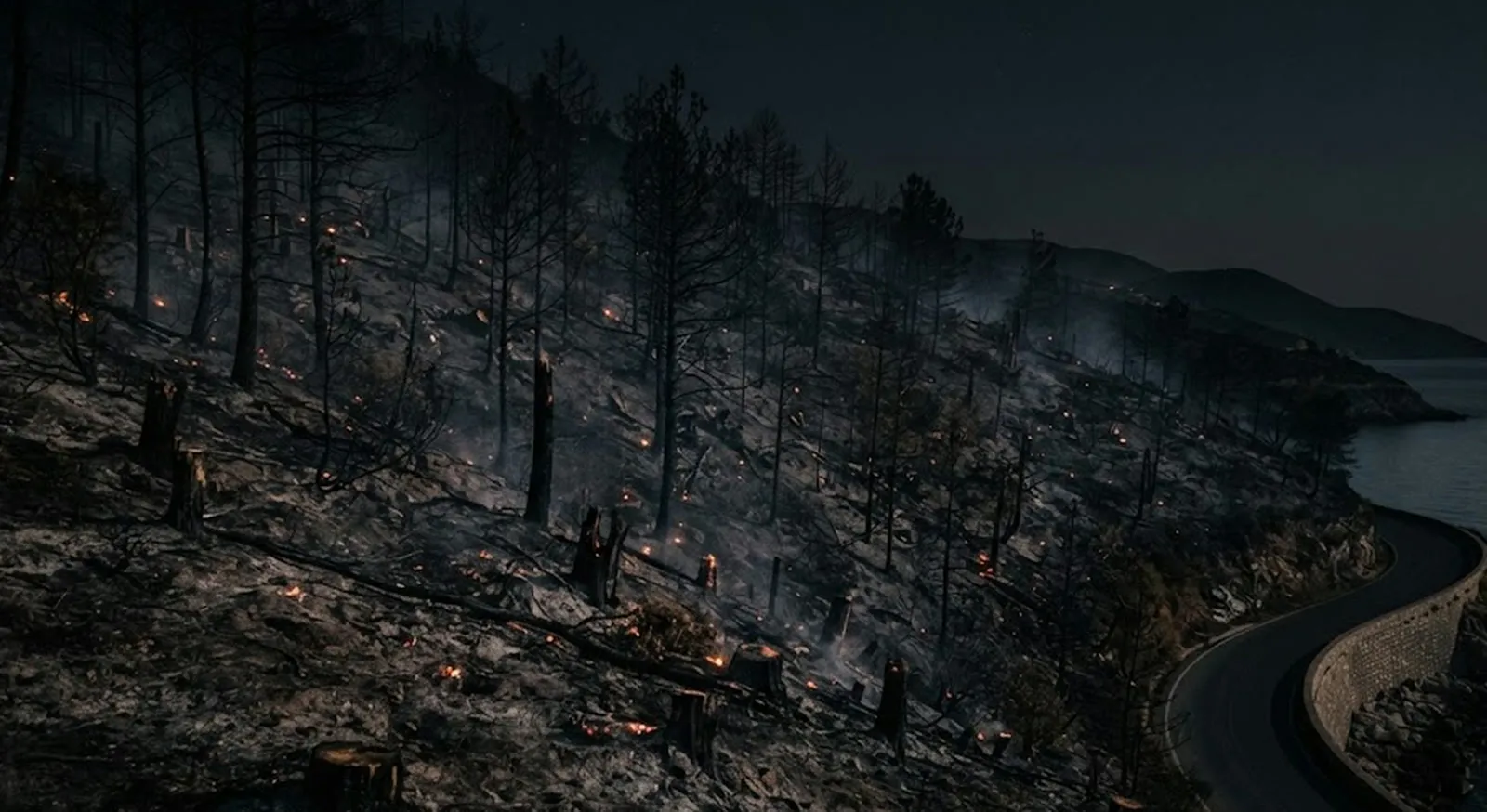
194 people evacuated by boat, 36 injured, one body found in the burnt area. Mobile phones in the zone stayed...
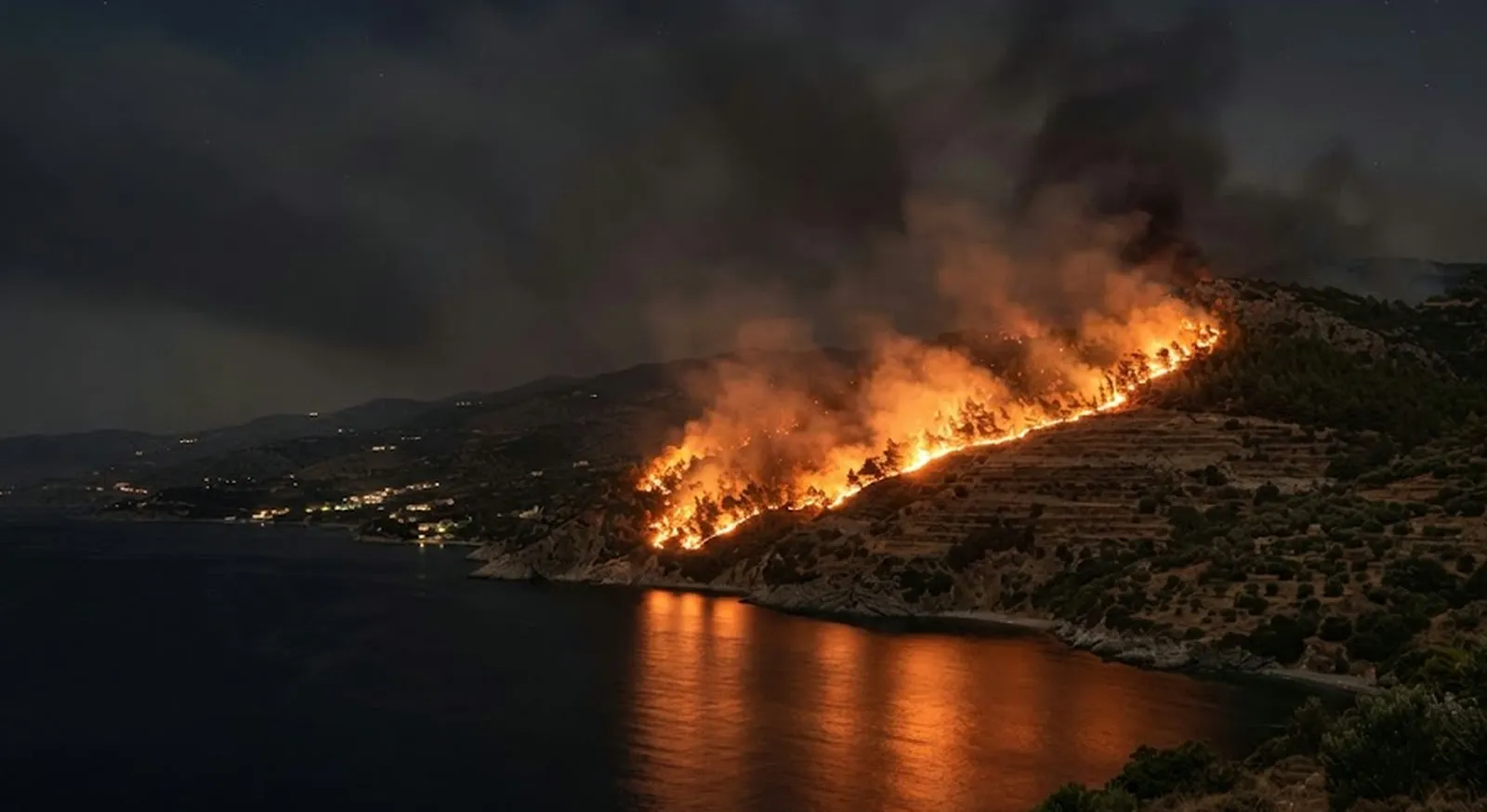
Driven by a strong night wind, the flames covered the distance from Mimice to Omiš in two hours. The question...
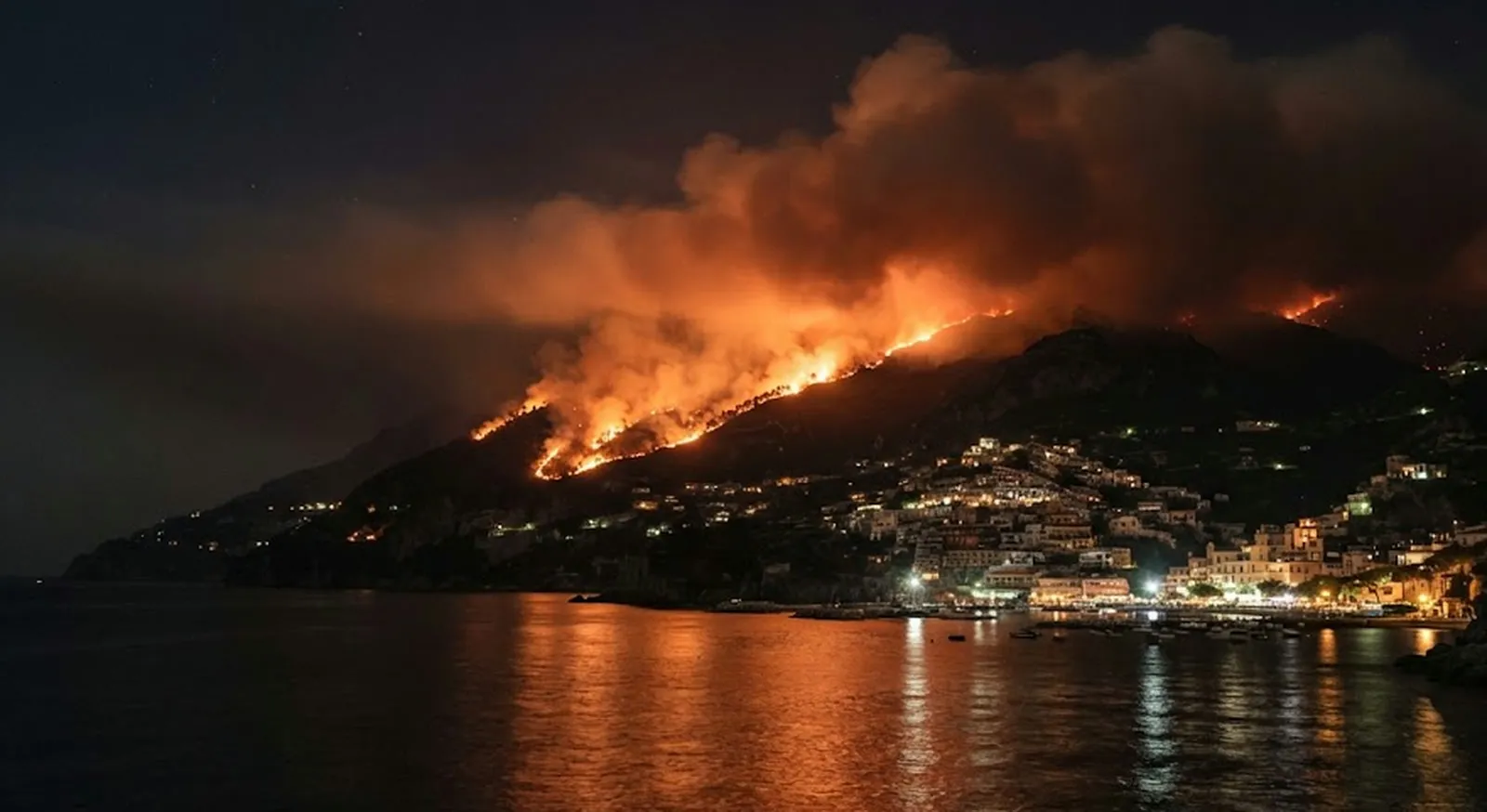
The flames reached fifty metres from the centre and people fled by boat because the coastal road was shut. A...
Croatian statistics record a 6.6 percent drop in June, and nearly a third fewer overnight stays from its most important...
This site uses cookies - is that okay? Learn more
Be the first to know when Metla launches something new
Leave your email and we will write when there is a new guide or something new on Metla.