Six Years of Fake Licence Categories Issued From an Interior Ministry Desk: Six Charged, 21 More Under Investigation
21.09.2026


21.09.2026

21.09.2026
21.09.2026
21.09.2026
21.09.2026

21.09.2026

21.09.2026

20.09.2026

20.09.2026

21.09.2026

21.09.2026

20.09.2026
21.09.2026
21.09.2026

21.09.2026

21.09.2026

20.09.2026
19.09.2026

21.09.2026

21.09.2026
21.09.2026

21.09.2026
21.09.2026

21.09.2026

09.03.2026

27.02.2026

19.02.2026
21.09.2026

21.09.2026

20.09.2026

23.04.2026

23.04.2026

12.04.2026

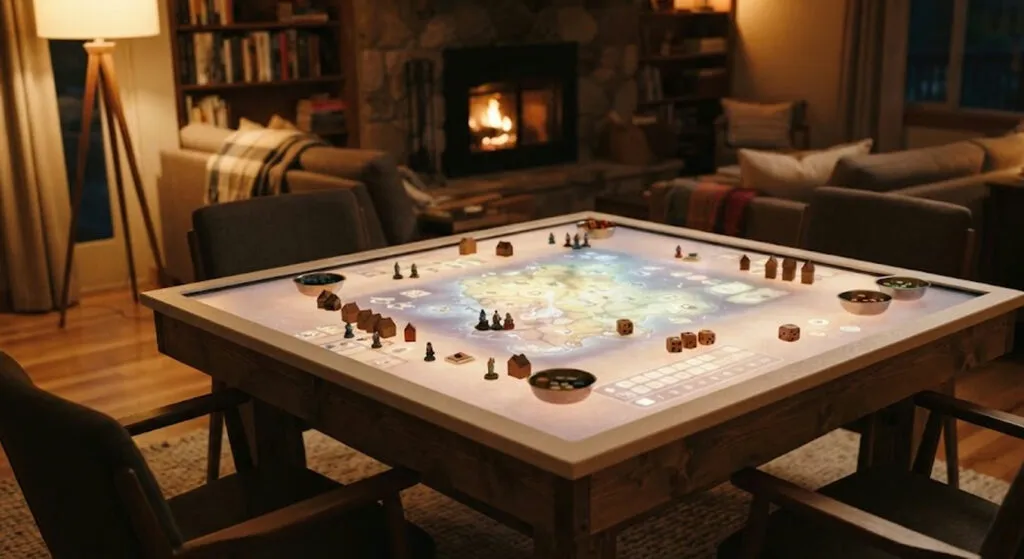
Brynn Putnam was a ballerina with a few fitness studios, built Mirror - a screen-mirror for exercising at home - and sold it to Lululemon in under three years for 500 million dollars (around 435 million euros) in cash. Tristan Walker built the men's grooming brand Walker & Company and sold it to Procter & Gamble, for a sum reported to be between 20 and 40 million dollars. The two are now building completely different things, but with the same goal: getting people together, without a screen, in the same room.
Putnam is building Board - a table with a 24-inch (around 61 centimetre) touchscreen that recognises physical figures and gestures. Put down a spaceship and something happens; put down a knife and it cuts. Instead of the joystick and buttons the grandson knows and the grandmother does not - objects everybody recognises. The idea, she says, came from home: after two families merged, the household went from three people to seven, and no product on the market let all those ages play together. "How do we use technology to create a shared experience?" is the question driving the project. Mirror, she admits, was built around herself - pregnant, running fitness studios, wanting to bring the workout home. Board is the opposite.
Walker is going in another direction. His Heirloom Craft buys and expands schools of fine craft, starting with a leatherwork school in San Francisco founded by the first American artisan ambassador for Hermès. The motive, he says, is fear of what artificial intelligence is doing to work and to community - that it "steals knowledge" and pushes people apart. His thesis is that America spent 50 years breaking the master-apprentice chain: manufacturing went abroad, manual skill lost its standing, and apprenticeship became the fallback for those who did not get into college. Now, he argues, that is turning: around half of Generation Z and Alpha say they do not want a four-year degree at all. More than half the places in the first school are filled not by retirees but by young tech workers looking for, as he puts it, "a creative outlet with the phone down".
They are not alone. Andy Dunn, the founder of Bonobos, has spent five years building Pie - from an app for finding friends to what he himself calls an "operating system for social life", with permanent digital homes for groups that meet regularly, like running clubs. Audrey Gelman, whose The Wing collapsed during the pandemic amid accusations about the treatment of its own staff, now runs an 11-room inn in the Hudson Valley where once a month there is a murder-mystery dinner: actors sit among the guests and by dessert somebody "dies". According to the New York Times, guests stay in the bar past midnight and swap numbers with strangers.
The money is modest so far by venture capital standards: Board raised 35 million dollars (around 30 million euros), Pie 24 million, Six Bells about 3.8 million, and Heirloom, 11 months old, is not disclosing. The exception is called Adam Neumann. The WeWork co-founder, with his new residential firm Flow - sold on the same message, that loneliness is solved with space - raised more than 450 million dollars, largely from Andreessen Horowitz. More than everyone else in this story combined. The man who once already sold "community" at the price of real estate is selling it again.
The timing is not accidental. Last June the WHO's Commission on Social Connection formally declared loneliness a global health challenge: one in six people on the planet is affected, and the condition is linked to around 870,000 deaths a year. A Harris Poll survey for Marriott Bonvoy found that two thirds of Americans prefer experiences to buying objects this year - and that the same proportion thinks shops all look the same.
Whether "togetherness" becomes its own investment category, nobody knows. Getting strangers to show up for each other is good for society, but it does not multiply like software. What these founders have is that they once already guessed where the game was heading, so investors trust them a second time. In the Balkans this sounds familiar from the other side: the kafana, the courtyard and the table never needed an app. The question is how long it stays that way.
The latest 10 news from this category
Tinex, SuperTinex, Konto and Spot move to a Pristina-based group with 235 million euros in turnover. The commission saw no...
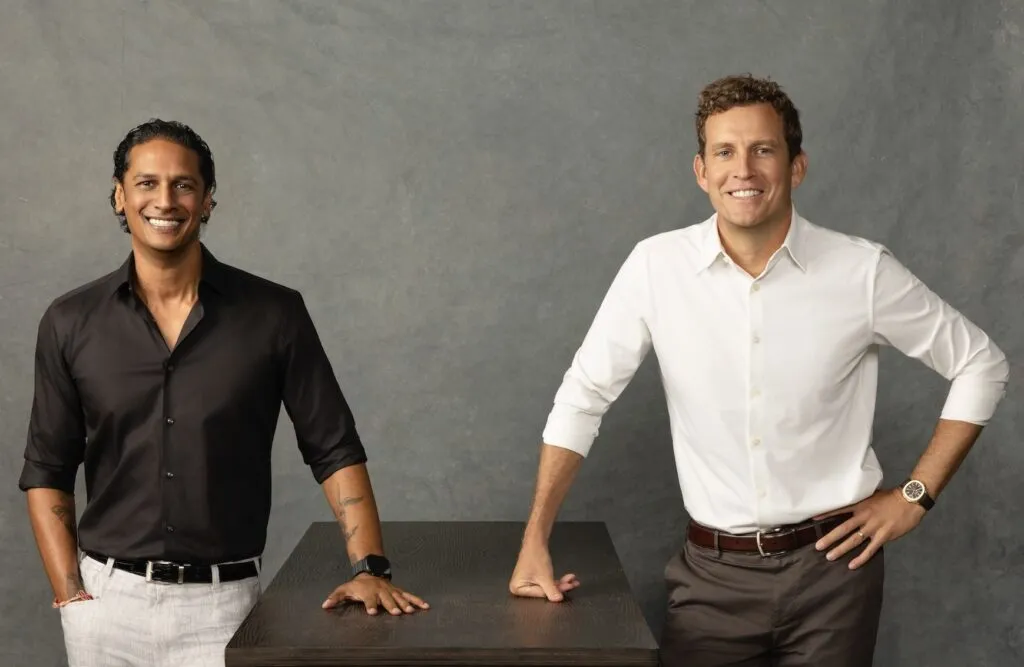
Porsche, Alaska Airlines and J.B. Hunt are not buying startups - they are commissioning them. When innovation moves inside the...
Sold for two billion, blocked by the state, bought back by its own investors - and now worth twice as...

An eight-year-old firm that started out mining crypto has tripled its value in ten months. It did not discover anything...

The price of uranium has jumped 75 percent in five years, and the list of countries that mine it reads...
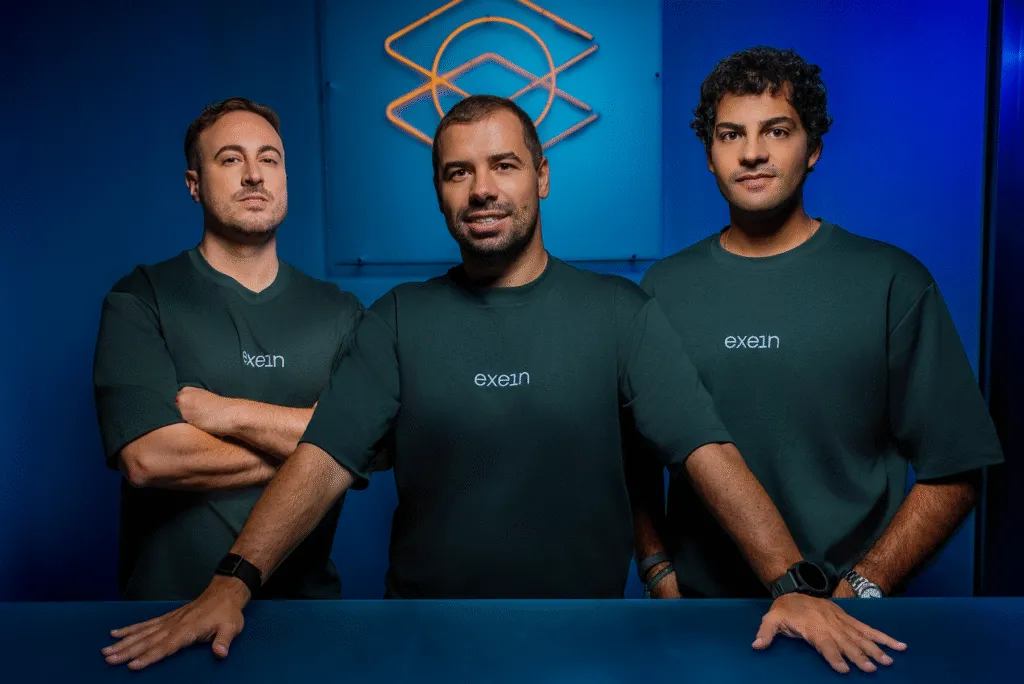
Exein raised 270 million dollars and its valuation jumped thirtyfold in two years. The European regulation coming into force in...
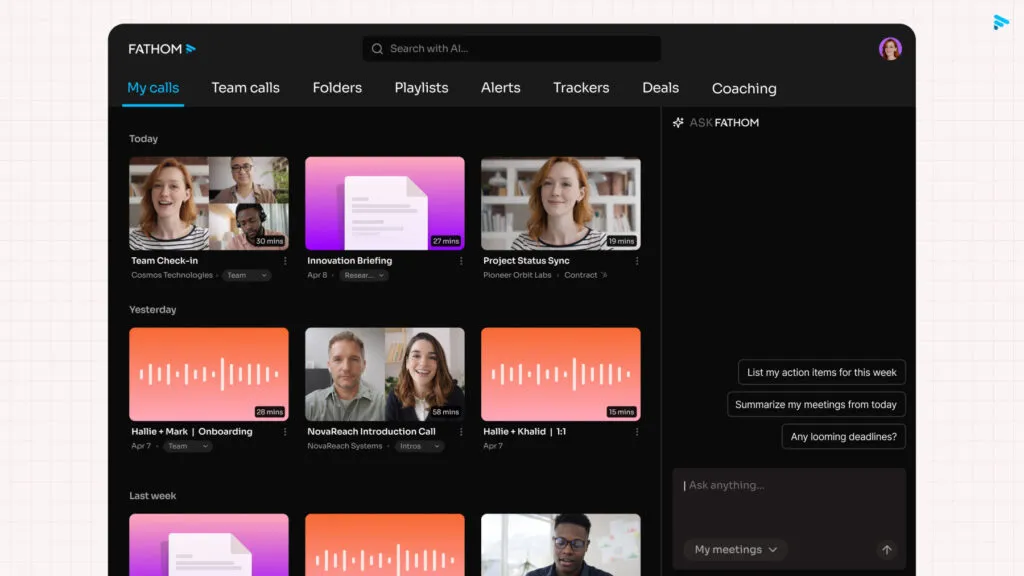
A startup valued at 94 million dollars changed hands, and both sides said openly what was being bought - not...
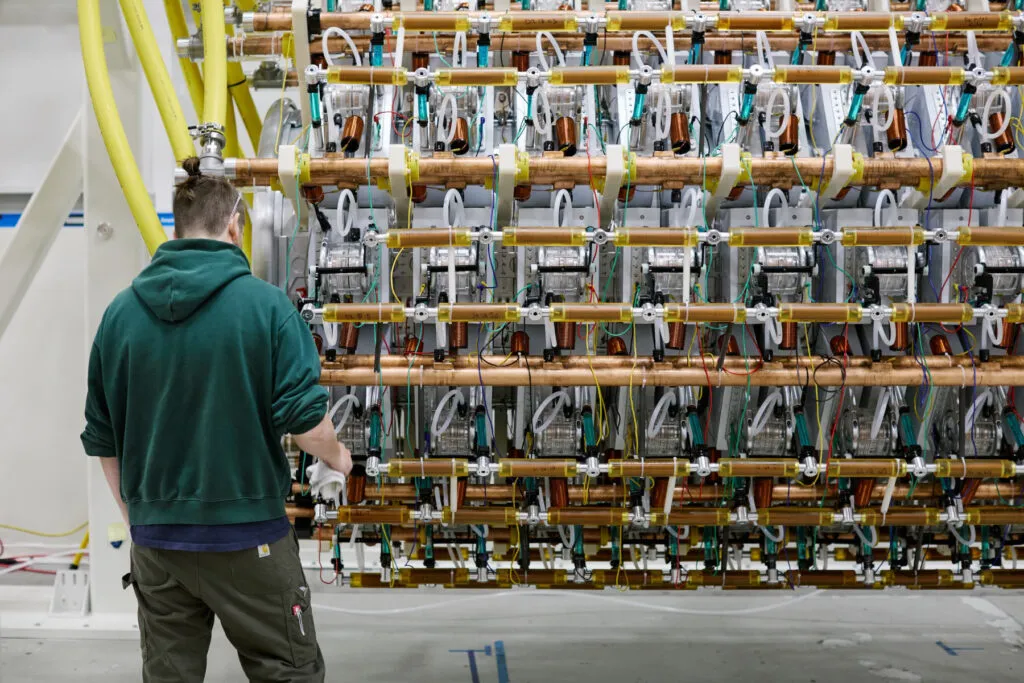
A technology sold for decades as the answer to the climate is now taking money from the defence industry. The...
The board voted, the founder kicked the administrators out of Slack and held out for three days. What does a...

Three months ago the company raised 60 million. Now it is worth almost ten times that, and its product is...
This site uses cookies - is that okay? Learn more
Be the first to know when Metla launches something new
Leave your email and we will write when there is a new guide or something new on Metla.