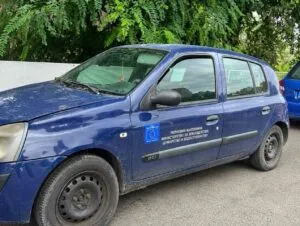
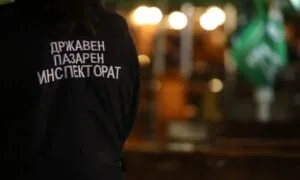
Food safety inspector detained in Skopje: a clean inspection report allegedly came with a price tag
25.09.2026


25.09.2026

25.09.2026

25.09.2026

25.09.2026
25.09.2026

25.09.2026

25.09.2026

24.09.2026

23.09.2026

25.09.2026

25.09.2026

24.09.2026

25.09.2026

25.09.2026

25.09.2026

25.09.2026

24.09.2026

23.09.2026

25.09.2026

25.09.2026
25.09.2026

25.09.2026

25.09.2026
24.09.2026

09.03.2026

27.02.2026

19.02.2026

25.09.2026
24.09.2026

23.09.2026

23.04.2026

23.04.2026

12.04.2026

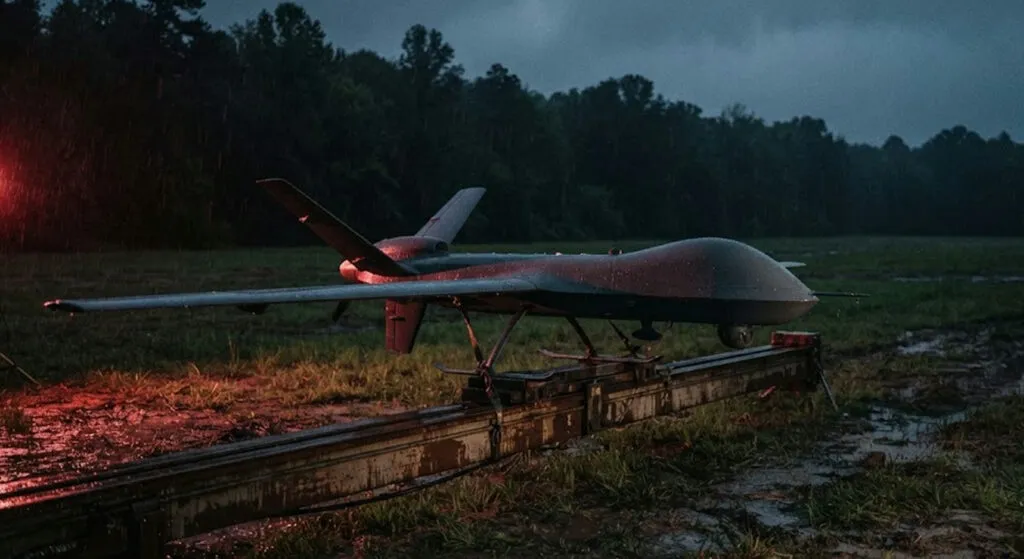
In Ukraine, the war is being fought less and less in the trenches and more and more on screens. Both sides strike hundreds of kilometres behind the front line - Ukraine with its own long-range drones, Russia with a new generation of jet-powered "Shaheds" that are faster than Ukraine's interceptors. The result is a war fought at a distance, in which more and more civilians are dying.
An orchestra of 300 drones
Ukraine's trump card is the FP-2, a drone with a warhead weighing over 100 kilograms and a range of more than 300 kilometres. Kyiv only acknowledged its existence last September. The specialised unit "Raid", formed two years ago, has been using it since last autumn. One of its commanders, Skipper - a former IT specialist with a master's degree in computer science - says that at first one crew flew two missions a week, and today "we can do ten times more, even more than that".
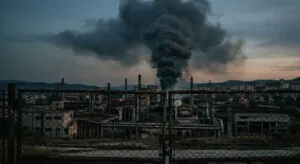
The big strikes are a real orchestra. A single long-range attack can involve launching up to 300 drones, and the goal is 1,000 aircraft in one night: cheaper drones open up an air corridor, while others hit the target. An operation like the one on 20 September, which knocked out a refinery in Moscow some 500 kilometres from the border, requires several units working at once. The FP-1 drone, which costs 75,000 dollars, has repeatedly hit depots and refineries up to 2,900 kilometres deep inside Russia. According to the International Energy Agency, these strikes have caused a 7.7 percent drop in Russian crude oil production in a year, while interest rates have stayed at 14 percent.
The effect shows on the front too. The success of the units striking at medium range has helped bring the Russian advance almost to a halt: in August Russia took 90 square kilometres of Ukrainian territory, compared with 505 square kilometres a year earlier. Western officials estimate that Russia loses 6,000 more soldiers every month than it manages to recruit.
Geran-5 flies at almost 600 kilometres an hour
The other side isn't standing still. The original Iranian Shahed, which the Russians call Geran-2, has been redesigned and given a jet engine. The new Geran-4 flies at 300 to 550 kilometres an hour, and the cigar-shaped Geran-5 reaches nearly 600 - a speed comparable to the new Banderol light cruise missile. The Telefly engines for the new weapon are made in China. The interception rate for Shaheds, which used to be over 90 percent, has dropped to 60 percent for the newer Russian models. "Russia never stops," says Serhiy Beskrestnov, adviser on defence technology to Volodymyr Zelensky.
The forecasts for the months ahead are even grimmer. By 2027 Russia is expected to produce 36,000 jet-powered Shaheds, 10,000 Banderol missiles and a similar number of cheap Dan-T cruise missiles - weapons that could be aimed at Ukraine's energy and utility infrastructure as early as this winter. On Wednesday, a mix of jet and piston-engine drones carried out a rare morning attack on central Kyiv: a market near the main railway station and a business centre were hit, two people were killed and 41 injured. At the end of August, a Geran-4 hit an ammunition depot in the village of Mila near Kyiv, killing 38 people.
A war fought by former gamers
The people behind the screens aren't classic soldiers. Znakhar (33), a programmer before the invasion, spends his days choosing static targets - artillery, electronic jamming systems - based on data from Western satellites or Ukrainian reconnaissance drones. At night his crew launches a Sych drone worth 25,000 dollars that looks like a big model aircraft. His colleague Ananas (30) studied architecture and worked as a 3D artist at a video game studio. "I play a lot of video games, so I'm good with a controller. That's a big plus, because now I'm a pilot," he says. Asked what has changed lately, Znakhar answers briefly: "More drones. Russian drones."
Civilians are paying the price. According to new UN data, 2,222 people were killed in Ukraine in the first eight months of 2026 - more than in the whole of 2025. In August alone, 368 people were killed in Ukraine, while Russia reported 113 dead. Warehouses of Ukrainian supermarkets, the Nova Poshta delivery service and online retailers have been hit at least 32 times, and Ukraine has carried out 17 strikes on Wildberries and Ozon warehouses in Russia. The war no longer distinguishes between the front line and a supermarket shelf.
Analyst Sidharth Kaushal of the Royal United Services Institute warns that Russia has advantages Ukraine lacks: a more varied arsenal, stronger air defences and a society that hasn't been under this much pressure for as long. Kyiv, meanwhile, faces a hole in its military budget and needs to find an extra 40 billion pounds next year. Still, neither side looks close to defeat or collapse.
The Balkans remember wars fought from the next hill over. This one is fought from a holiday cottage, controller in hand, hundreds of kilometres from the target. Does that make it easier? Skipper says it doesn't: "They can do the same thing." And Znakhar sums up the whole strategy in one sentence: "We just have to hold out one day longer than they do."
The latest 10 news from this category
One dead, eight injured, two major providers offline and the city railway halted. The Balkans knows what a city preparing...
The offer is deliberately narrow - energy only, with a deadline before winter. When a power line goes down in...
A Russian commander promised to cut the Kharkiv encirclement "like a pie". Every number comes from the camp running the...
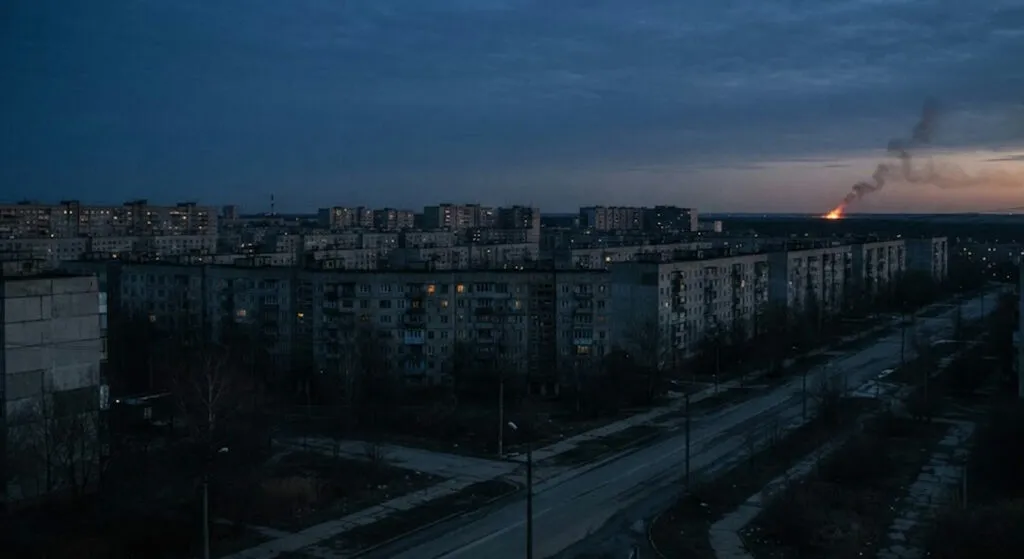
Missiles and drones on the Ukrainian capital, damaged water mains and residential buildings. The same night, Ukrainian drones set the...
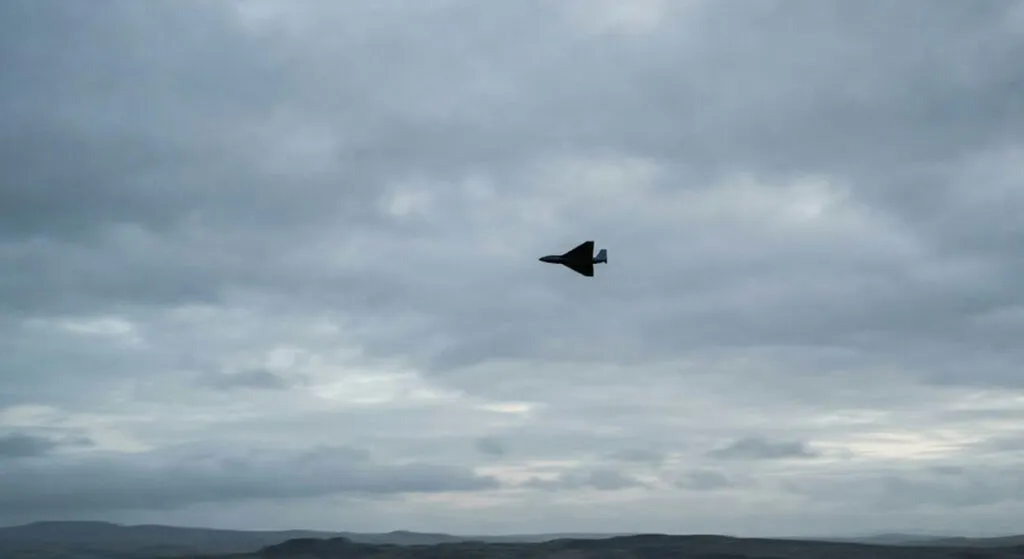
Ukraine was shooting down nine out of ten of the old drones. Then Russia changed the drone - and in...
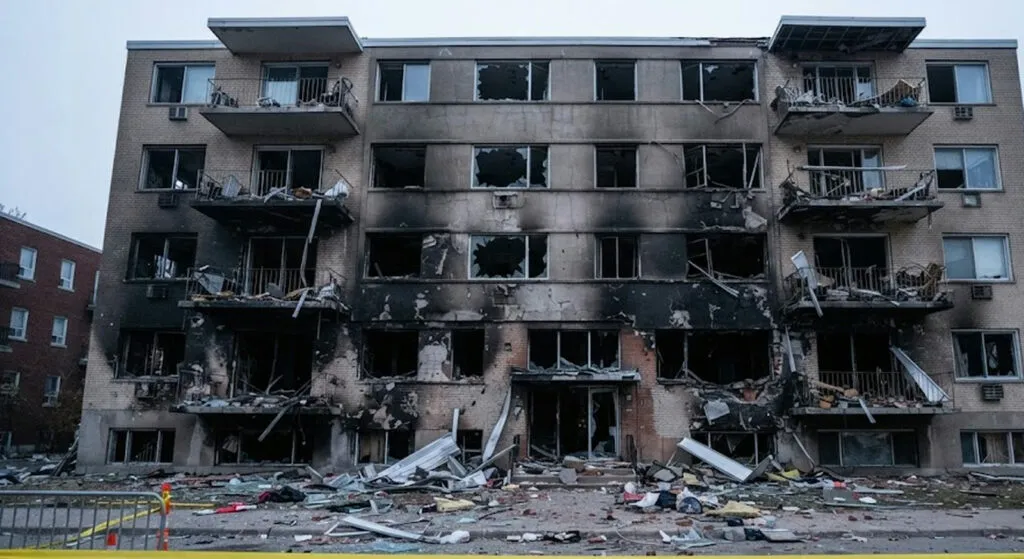
Residential buildings, a kindergarten and an Orthodox church damaged in Russia's largest Black Sea port. Four dead and 29 injured...
When there are no air-to-air missiles left, what remains is a 20mm cannon - and that means the pilot has...

In public - constructive talks. In private, according to an MP in the Verkhovna Rada, the envoys arrived with tougher...
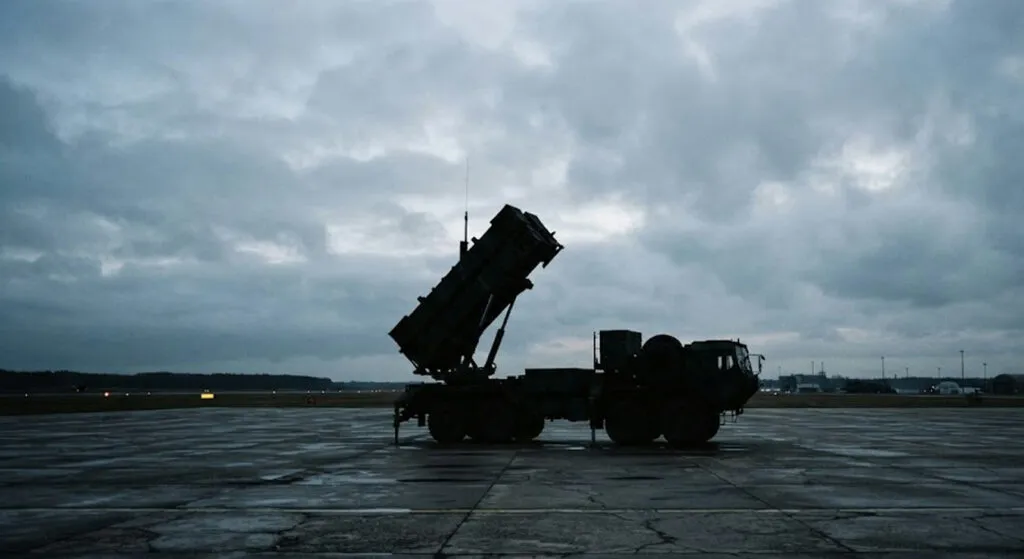
Not next month - 2027. A president planning air defence for the period after peace says more about the peace...

The sky above a capital is safe exactly as long as there are American negotiators inside it. That is not...
This site uses cookies - is that okay? Learn more
Be the first to know when Metla launches something new
Leave your email and we will write when there is a new guide or something new on Metla.