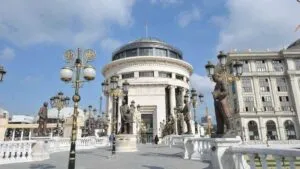
Шест години лажни категории во возачки дозволи од шалтер во МВР: обвинети шестмина, уште 21 лице под истрага
21.09.2026


21.09.2026
21.09.2026
21.09.2026

21.09.2026

21.09.2026
21.09.2026
21.09.2026

20.09.2026
20.09.2026
21.09.2026

21.09.2026

20.09.2026

21.09.2026

21.09.2026

21.09.2026

21.09.2026

20.09.2026
19.09.2026

21.09.2026

21.09.2026
21.09.2026
21.09.2026

21.09.2026

21.09.2026

09.03.2026

27.02.2026

19.02.2026
20.09.2026
19.09.2026

18.09.2026

23.04.2026

23.04.2026

12.04.2026

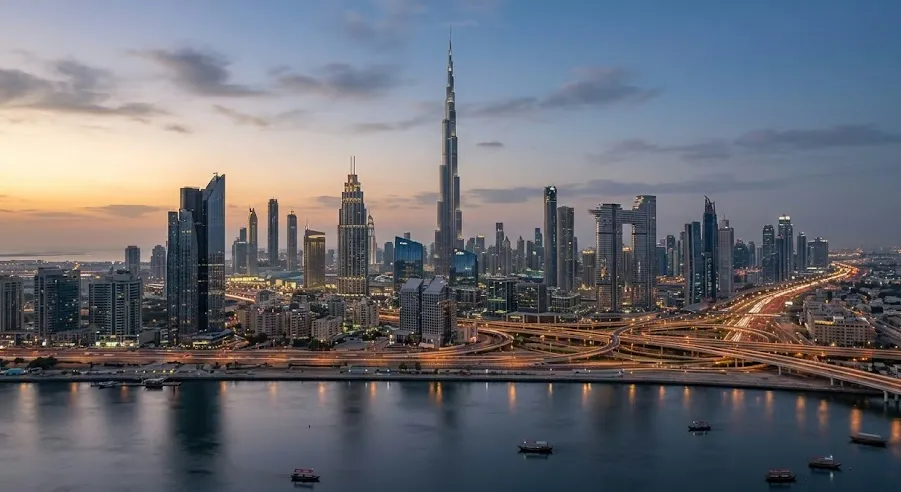
On the surface, Dubai looks like its old self again. Traffic thickens, restaurants fill up, planes land almost normally. But beneath that picture hides a far more complicated reality - the infrastructure works, but travellers' confidence hasn't fully returned. And it's confidence, not concrete, that's hardest to rebuild.
For decades Dubai built its global brand on a promise of stability - a luxurious, safe refuge while the region around it burned. But months after the conflict with Iran, which disrupted the airspace over the Gulf and brought drone strikes on some of the city's most recognisable landmarks - including a missile that hit the prestigious artificial island Palm Jumeirah - the emirate faces one of the biggest tests in its modern history.
The reaction shows in the prices. Hotels, airlines and caterers are now offering discounts and investing more than ever to convince visitors the return is safe. Some landmarks like Burj Al Arab are closed for "renovation," while the Fairmont hotel on the Palm has already repaired minor drone damage and is luring guests with special offers.
The tourists are there, but they're coming from other places. While several Western governments still advise their citizens to avoid travel to the UAE, visitors from Russia and Lebanon don't seem worried. For them, Dubai is a relatively safe refuge compared to home. "Dubai still looks much safer to me than Beirut," says Fatma Amar, a resident of the Lebanese capital who came to visit her sons. "Unfortunately, I'm used to war."
And that one sentence tells the whole story better than any statistic. Safety is a relative thing - it depends on what you compare it to. For someone from Beirut, Dubai is an oasis; for someone from the West, a risk to reconsider. The Balkans know that logic by heart: we learned to measure normality not by how good it is, but by how much worse it was before.
The latest 10 news from this category

Три опции на масата во Вашингтон - воен притисок, економско давење или договор - а претседателот ја опишува дилемата како...
Партијата на Аденауер и Кол се лизна до изборниот праг во Мекленбург, АфД веќе бара оставка од канцеларот, а Мерц...
Two prime ministers in the same Union, the same month, completely opposite diagnoses of who is provoking whom. There is...
A broken aircraft in a field usually ends up in a police note. This one ended up with federal investigators,...
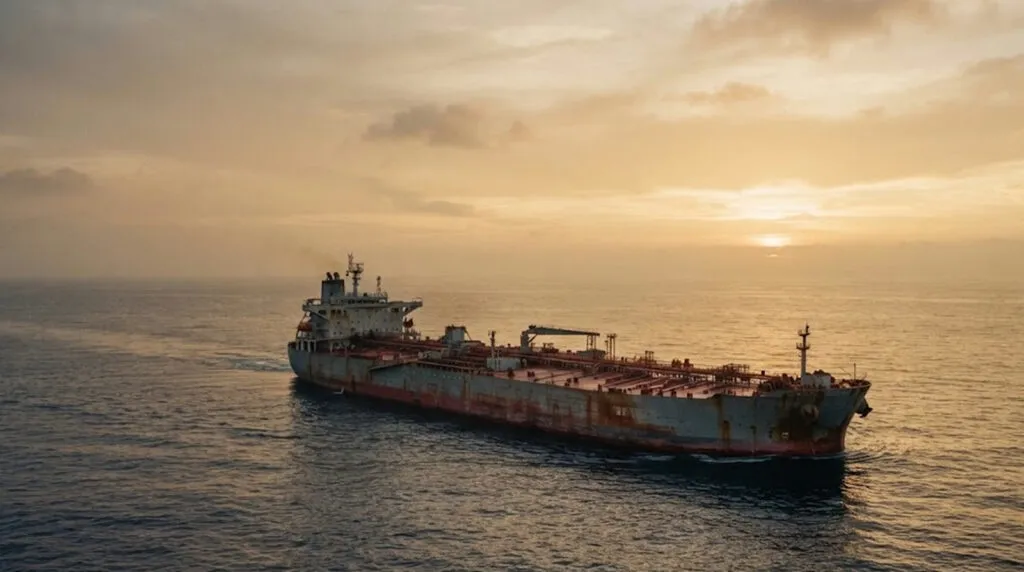
Beijing will easily find another supplier. The harder question is what Washington is actually testing: whether private Chinese companies will...
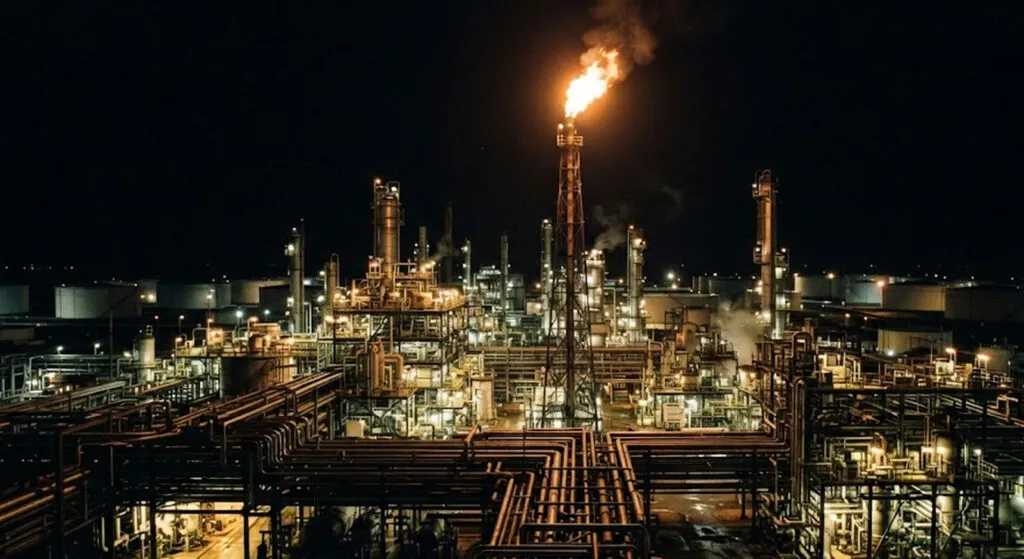
The law lets Washington hit the five biggest buyers of Russian oil with tariffs of up to 100 per cent....
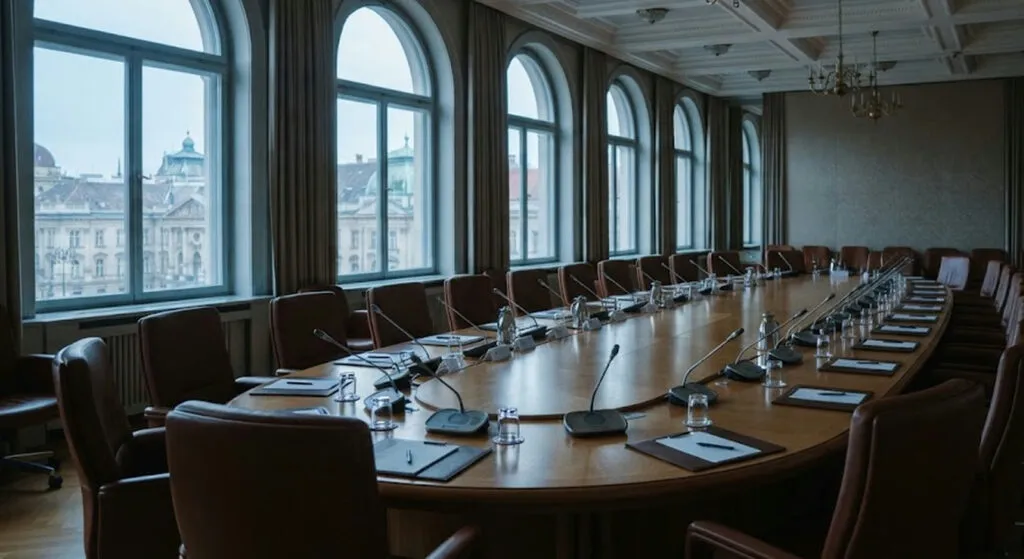
Measures imposed over the war in Ukraine are now being offered as currency in an entirely different dispute. If the...

A smaller dose and more needles does not mean a safer vaccine, it means an ineffective one. Science has had...
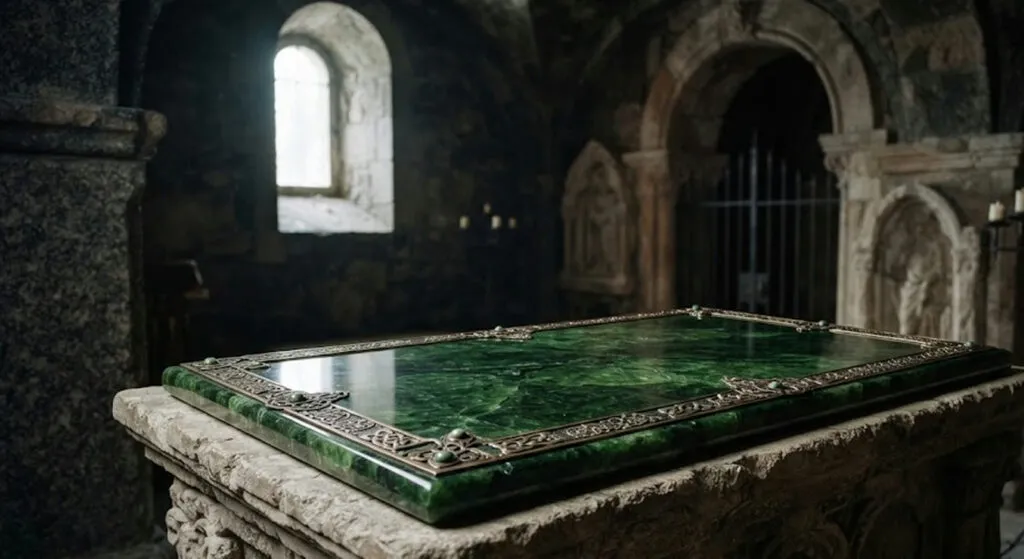
Harald designed the sarcophagus himself, and it is shaped like a ship. The stone is 400 million years old and...
Von der Leyen proposed a status that does not exist in European law, the Canadians distanced themselves, and Washington announced...
This site uses cookies - is that okay? Learn more
Be the first to know when Metla launches something new
Leave your email and we will write when there is a new guide or something new on Metla.