
Six Years of Fake Licence Categories Issued From an Interior Ministry Desk: Six Charged, 21 More Under Investigation
21.09.2026


21.09.2026

21.09.2026
21.09.2026

21.09.2026
21.09.2026

21.09.2026

21.09.2026
20.09.2026
20.09.2026

21.09.2026

21.09.2026

20.09.2026

21.09.2026

21.09.2026

21.09.2026

21.09.2026

20.09.2026

19.09.2026

21.09.2026

21.09.2026
21.09.2026
21.09.2026
21.09.2026

21.09.2026

09.03.2026

27.02.2026

19.02.2026

21.09.2026

21.09.2026

20.09.2026

23.04.2026

23.04.2026

12.04.2026

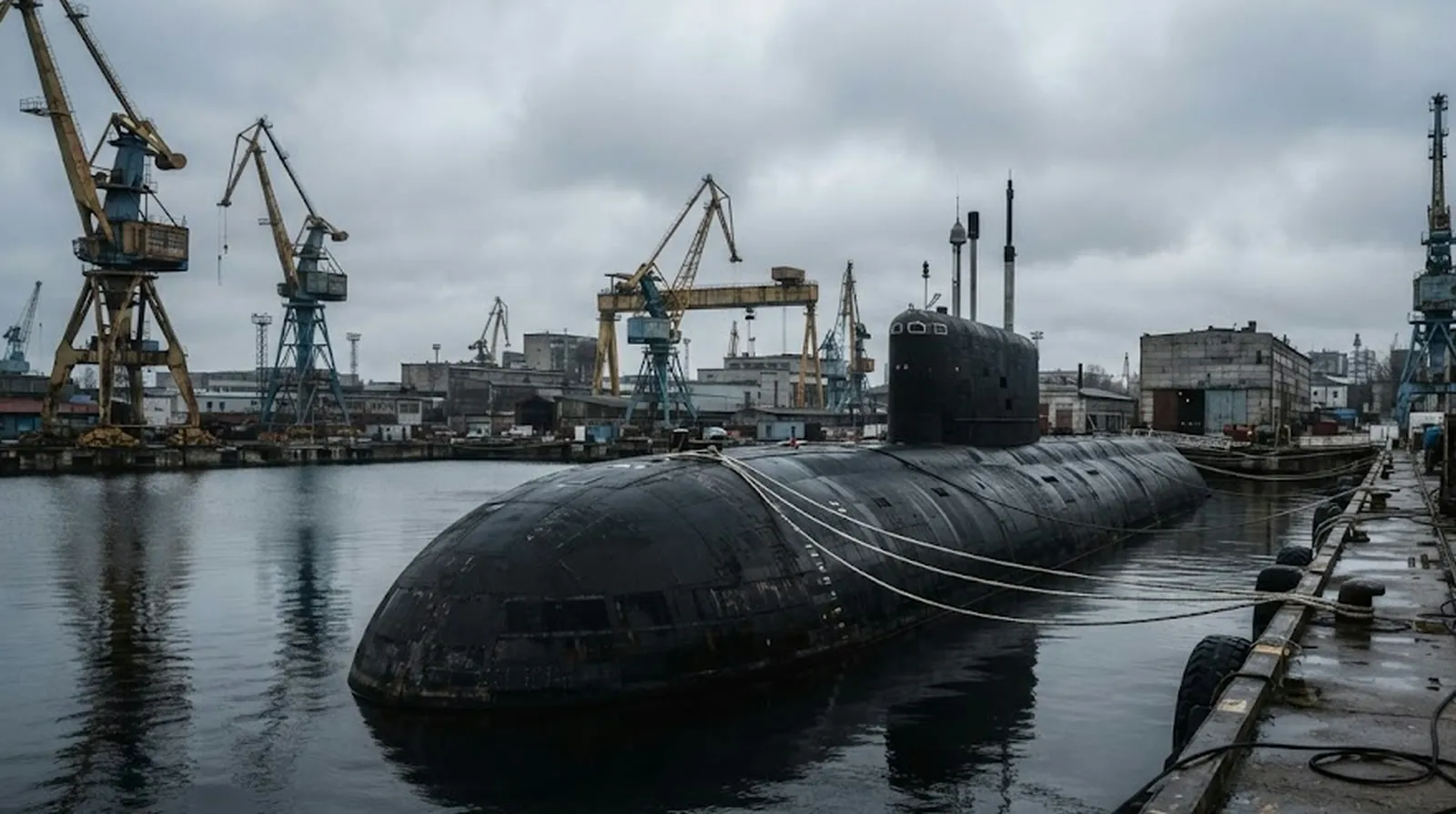
At the Sevmash shipyard in Severodvinsk, Russia has launched the new nuclear submarine „Ulyanovsk” of the Yasen-M class. The sixth of twelve planned. The number matters more than the ceremony - this is not a prototype, this is a production run.
What makes the West write about it in a different tone are the missiles it carries. The hypersonic „Zircon” flies around three times faster than the „Oniks” and, by the same estimates, seven to nine times faster than versions of the „Kalibr”. Analysts quoted by Western financial and defence media judge that NATO currently has no effective defence against such missiles.
Silence as a weapon
The hulls are made of demagnetised steel and the propulsion is engineered for exceptionally quiet running. That is the entire point of the class - a submarine the adversary cannot hear does not have to be the fastest or the largest. It is enough for it to be where nobody expects it.
Each vessel can carry up to 40 „Zircon” missiles with tactical nuclear warheads. According to the estimates relayed in Western analyses, a group of six such submarines would theoretically cover around 4,500 square kilometres in a surprise strike.
The word „theoretically” is doing a lot of work there. These figures come from analyses, and analyses of somebody else's weaponry are as a rule written with one hand on the calculator and the other on the budget request. That does not mean they are invented - it means whoever publishes them also has an interest in them sounding large.
The triangle nobody dissolved
The Yasen-M is part of Russia's nuclear triad, alongside the strategic Borei-class submarines carrying intercontinental ballistic missiles. Western analysts describe this fleet as „the most powerful underwater force of our time” and estimate that the balance over the coming decade shifts in Russia's favour.
Assessments like these should be read carefully from both directions. Russia has an interest in looking stronger than it is. Western analysts have an interest in the threat looking bigger than it is. Between those two interests sits one submarine that has genuinely been launched and genuinely exists.
From the Balkans, seen without illusions
This region has long experience of what it means to live between blocs that are measuring each other. Not a single missile has to fall for decisions to change - it is enough for both sides to believe the balance has shifted. Then negotiations go differently, different equipment gets bought and different budgets get written.
Six submarines out of twelve. So the series does not end here, and the next piece of news from Severodvinsk will not be a surprise. The question is whether anyone is still counting at all, or whether the number has become background noise we got used to.
The latest 10 news from this category
Three options on the table in Washington - military pressure, economic strangulation or a deal - and the president frames...
The party of Adenauer and Kohl slid to the electoral threshold in Mecklenburg, the AfD is already demanding the chancellor's...
Two prime ministers in the same Union, the same month, completely opposite diagnoses of who is provoking whom. There is...
A broken aircraft in a field usually ends up in a police note. This one ended up with federal investigators,...
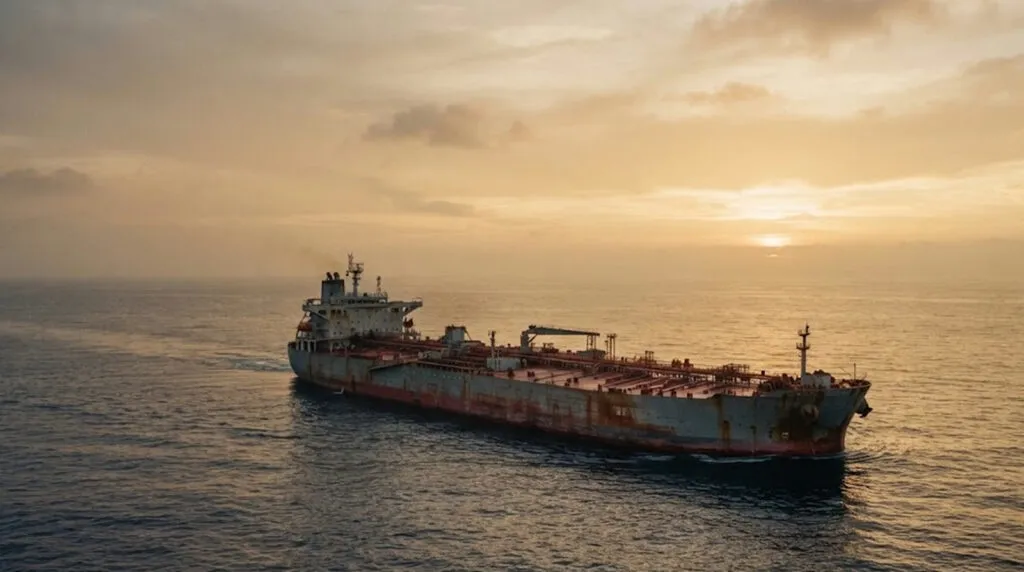
Beijing will easily find another supplier. The harder question is what Washington is actually testing: whether private Chinese companies will...
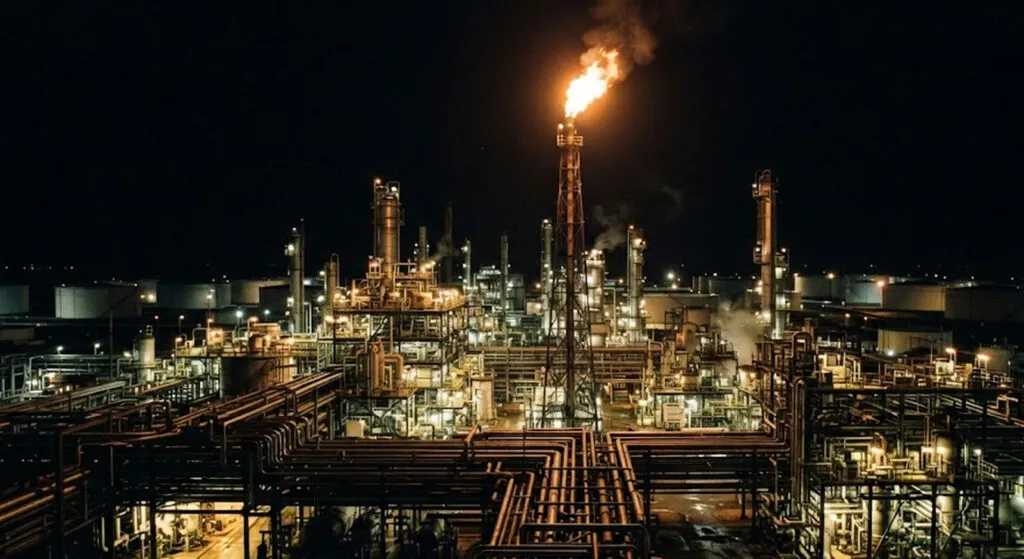
The law lets Washington hit the five biggest buyers of Russian oil with tariffs of up to 100 per cent....
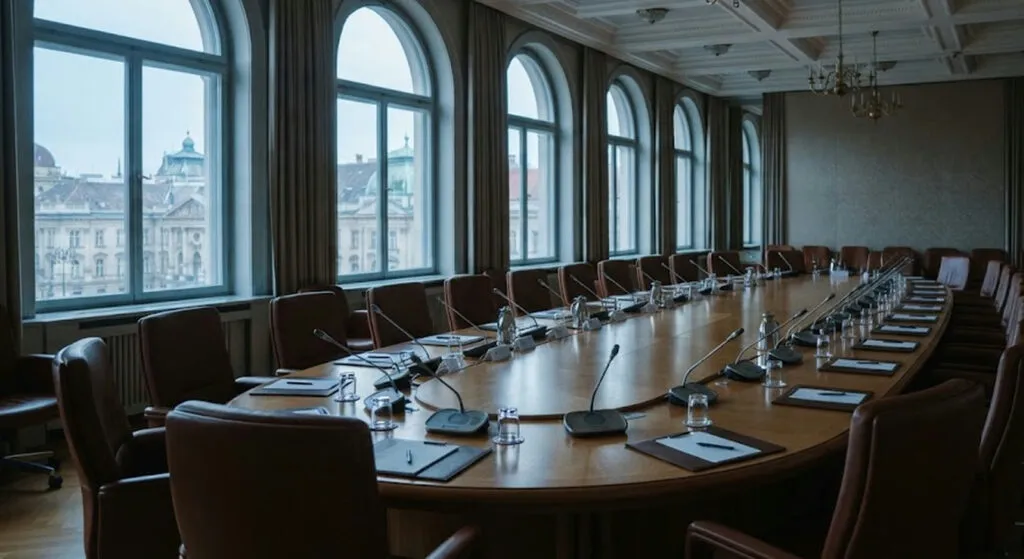
Measures imposed over the war in Ukraine are now being offered as currency in an entirely different dispute. If the...

A smaller dose and more needles does not mean a safer vaccine, it means an ineffective one. Science has had...
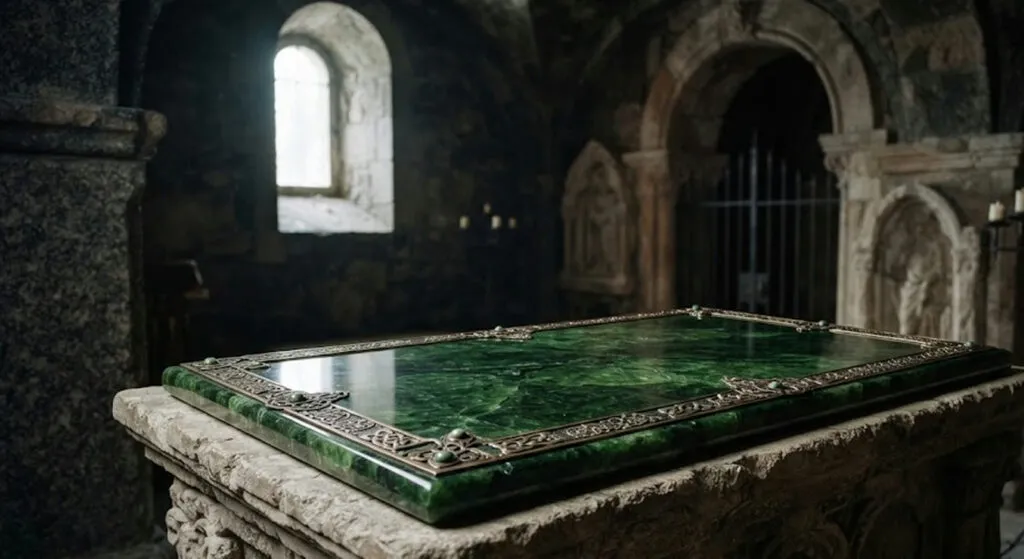
Harald designed the sarcophagus himself, and it is shaped like a ship. The stone is 400 million years old and...

Von der Leyen proposed a status that does not exist in European law, the Canadians distanced themselves, and Washington announced...
This site uses cookies - is that okay? Learn more
Be the first to know when Metla launches something new
Leave your email and we will write when there is a new guide or something new on Metla.