
Sixteen Arrests in Twenty-Four Hours, All for Drugs: The Police Are Working - But Where Are All These People Coming From?
20.09.2026


20.09.2026

20.09.2026

20.09.2026

20.09.2026

20.09.2026

20.09.2026

20.09.2026

20.09.2026

20.09.2026

20.09.2026

20.09.2026

19.09.2026

20.09.2026

20.09.2026

20.09.2026

20.09.2026

19.09.2026

18.09.2026

20.09.2026

20.09.2026

20.09.2026

20.09.2026

20.09.2026

20.09.2026

09.03.2026

27.02.2026

19.02.2026

20.09.2026

19.09.2026

18.09.2026

23.04.2026

23.04.2026

12.04.2026

For nearly a decade Republicans had one thing that was untouchably theirs - the economy. Ask an American voter who runs the economy better and the answer was predictable throughout Trump's entire first term, throughout Biden's presidency, and at the start of this term. Now that lead is gone. According to an Ipsos poll, 37 percent of registered voters think the Democrats have the better approach to the economy, against 36 percent for the Republicans. The remaining 27 percent are undecided or backing someone else.
A one-point gap is not an earthquake. But when that point is the first in nearly ten years, it is not the point that matters - it is the trend carrying it.
35 percent
Support for Donald Trump has fallen to 35 percent - two points below last month's poll, and only one point above the lowest point of his current term. The survey covered 4,505 adult Americans, with a margin of error of two points.
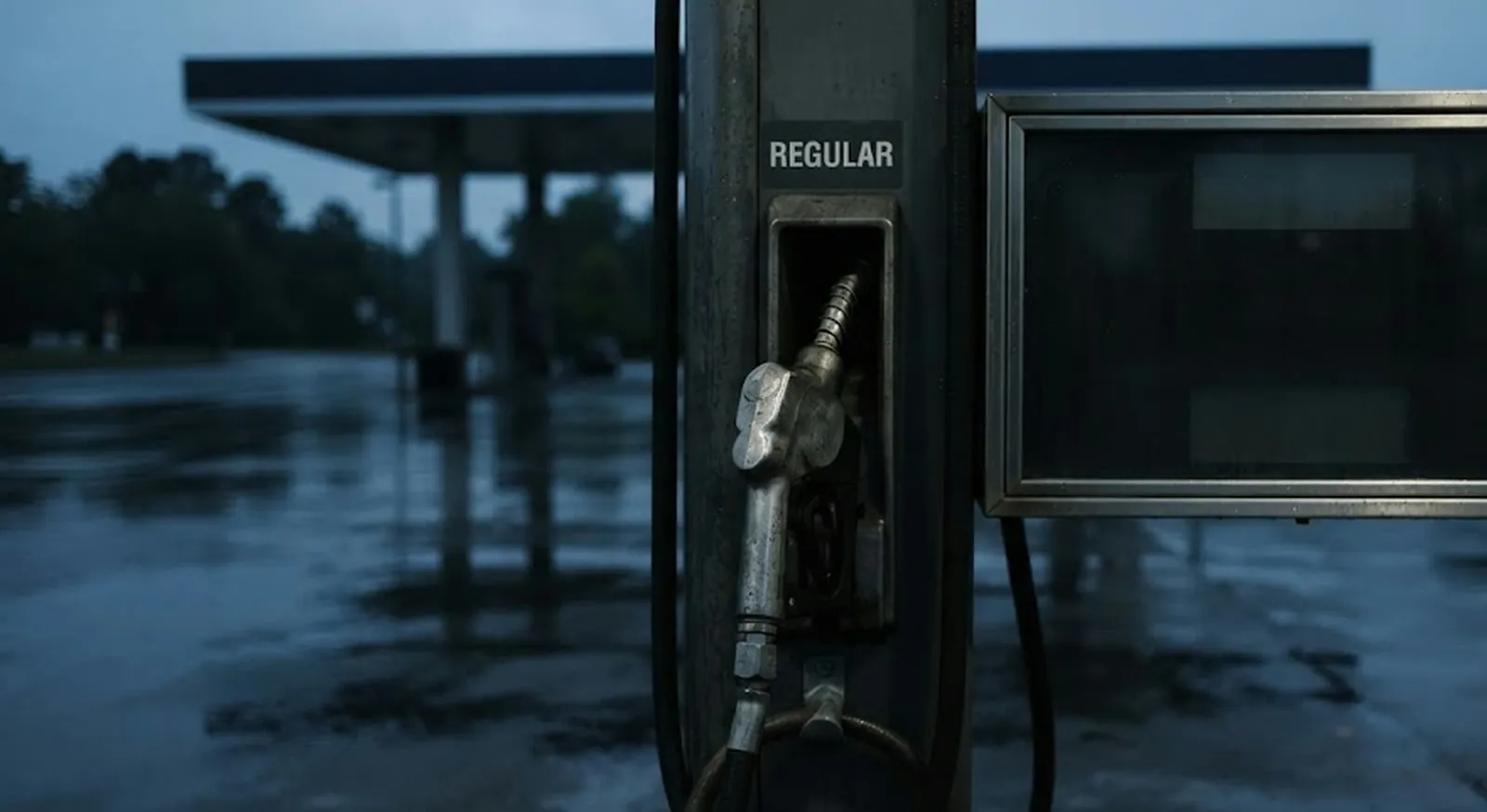
The reason cited loudest is the one visible at every filling station. After the US-Israeli strikes on Iran in February and the war that followed, fuel prices jumped. Since the war began petrol has risen over 25 percent - an American at the pump now pays more than a dollar a gallon above what they paid before the conflict.
Trump says he ordered the strikes to destroy Iran's nuclear programme, limit Tehran's ability to attack regional rivals and create conditions for toppling Iran's religious authorities. Whether that happened is one discussion. What happened at the pumps is another, and voters appear to be having the second one.
The congressional elections
If congressional elections were held now, 42 percent of registered voters would back a Democratic candidate against 37 percent for a Republican. Among independents the Democratic lead is a full 12 points. On 3 November the Republicans will be defending narrow majorities in both chambers.
Here it pays to be cautious, and this is something you rarely read in headlines: national polls say very little about individual races. Of 435 House seats, only around thirty are expected to be genuinely uncertain, and roughly eight Senate races are open. So all this arithmetic will ultimately be settled in a few dozen districts.
Trump's response
Trump routinely dismisses polls showing dissatisfaction. "My REAL poll numbers, not those made up by the fake media, are the best ever," he wrote on Truth Social on Monday, before the latest poll was published.
The reaction is a familiar scene to anyone who follows politics in this region. When the number is bad, the problem is whoever is measuring. The only difference is that in the US the measurers are private agencies with published methodology and margins of error, so the claim is easy to check. The remaining question is whether that matters at all to someone who has already decided who to believe.
The latest 10 news from this category

Two prime ministers in the same Union, the same month, completely opposite diagnoses of who is provoking whom. There is...

A broken aircraft in a field usually ends up in a police note. This one ended up with federal investigators,...

Beijing will easily find another supplier. The harder question is what Washington is actually testing: whether private Chinese companies will...

The law lets Washington hit the five biggest buyers of Russian oil with tariffs of up to 100 per cent....

Measures imposed over the war in Ukraine are now being offered as currency in an entirely different dispute. If the...

A smaller dose and more needles does not mean a safer vaccine, it means an ineffective one. Science has had...

Harald designed the sarcophagus himself, and it is shaped like a ship. The stone is 400 million years old and...

Von der Leyen proposed a status that does not exist in European law, the Canadians distanced themselves, and Washington announced...

The French candidate called the war in Ukraine a slaughterhouse and pointed out it has already lasted longer than the...

Four decades in politics, but the headline the world wrote was about her brother and his sixteen wives. When the...
This site uses cookies - is that okay? Learn more
Be the first to know when Metla launches something new
Leave your email and we will write when there is a new guide or something new on Metla.