Sixteen Arrests in Twenty-Four Hours, All for Drugs: The Police Are Working - But Where Are All These People Coming From?
20.09.2026


20.09.2026

20.09.2026
20.09.2026
20.09.2026

20.09.2026

20.09.2026

20.09.2026

20.09.2026

20.09.2026

20.09.2026

20.09.2026

19.09.2026

20.09.2026

20.09.2026

20.09.2026

20.09.2026

19.09.2026

18.09.2026

20.09.2026

20.09.2026

20.09.2026
20.09.2026

20.09.2026

20.09.2026

09.03.2026

27.02.2026

19.02.2026
20.09.2026
19.09.2026

18.09.2026

23.04.2026

23.04.2026

12.04.2026

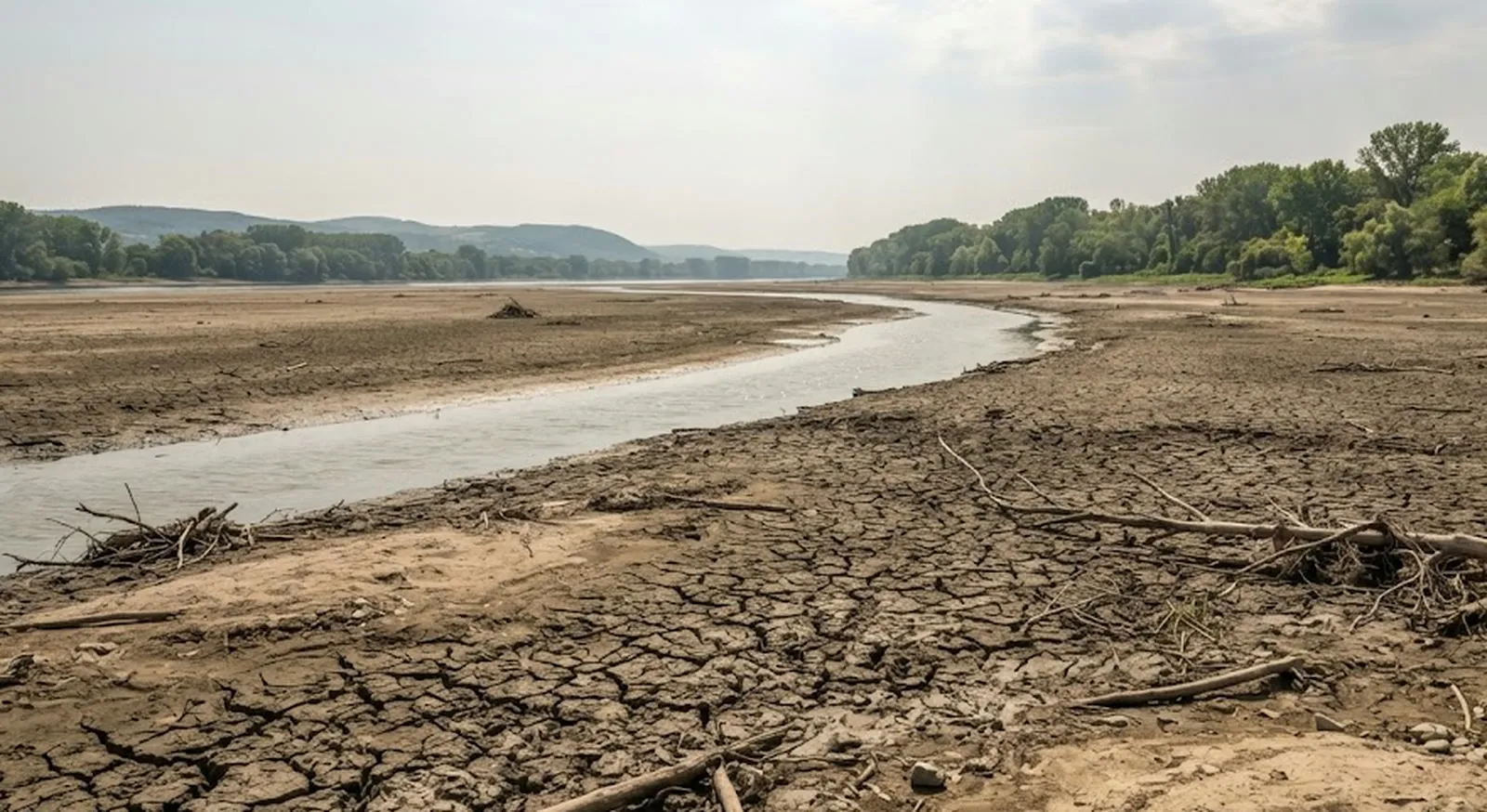
The Danube has dropped to minus 133 centimetres. One more centimetre down and Hungary's Paks nuclear power plant will, for the first time in its 44 years of operation, stop producing electricity entirely. Not because of a fault, not because of sanctions, not because of war - but because the river it draws its cooling water from has simply disappeared.
Hungarian Prime Minister Péter Magyar has already announced what would have sounded like science fiction two years ago: the country is entering a regime in which the state can disconnect large industrial consumers from the grid if they do not cut consumption themselves. The decree took effect at 7 pm. Three levels - crisis threat I, crisis threat II, and actual crisis. Somebody in Budapest sat down and wrote out, in advance, the ladder the country will descend.
When a river is part of the energy system
Paks announced that because of the continuing drop in water level, the turbogenerator of the first block is being shut down, while specialists work round the clock to keep the plant operating safely. Magyar announced a complete shutdown of the plant by the middle of next week. This is a plant that covers most of Hungary's electricity production - and it depends on the height of one river.
Romania did not wait for decrees. There, today, crews blasted a rock formation in the bed of the Danube to redirect the river's flow and secure water for the Cernavodă nuclear plant. That is it. When the system is under pressure, you blow up part of the riverbed and force the water to go where it needs to. That is the measure of a state that has calculated it has no time for a more elegant solution.
Five critical days
"The most critical five days are ahead of us. Tomorrow Paks will no longer produce electricity, and the hottest days are coming, with temperatures of 40 degrees," Magyar said, calling on citizens to cut consumption, especially between 5 pm and 10 pm, and above all between 6 and 9. He asked shopping centres to turn down their cooling, and local and religious institutions to temporarily switch off decorative lighting.
Several hundred Hungarian settlements have already introduced consumption limits and irrigation bans. Drinking water supply, with a few exceptions, has not been cut off so far - but the prime minister urged people to respect the saving measures, with the message that "every drop of water matters".
Along its entire course, the river is retreating and leaving behind a landscape not seen in decades - a cracked bed, new sandbanks, water squeezed into a thin ribbon in the middle of what used to be a shipping lane.
What does this teach us?
Hungary is not a distant country with an exotic problem. It is an EU member with a modern grid, a nuclear plant, a fully functioning state - and within five days it will reach the point where the prime minister personally asks shopping centres to turn down the air conditioning. If a system with those resources buckles under 40 degrees and one drought, how thin is everybody else's margin?
This is not a story about the weather. It is a story about infrastructure designed for a climate that no longer exists. The Paks nuclear plant was built at a time when nobody calculated that the Danube could fall below minus 133. Romania has to blast rock to supply Cernavodă with water. Both states are now improvising around facilities that were meant to be the most stable part of the system.
The rains will come, the water level will return, Paks will restart and this week will be forgotten. The question is whether anyone will sit down and work out what to do next time - or whether we wait for it to fall to minus 134 again before the blasting starts.
The latest 10 news from this category
Two prime ministers in the same Union, the same month, completely opposite diagnoses of who is provoking whom. There is...
A broken aircraft in a field usually ends up in a police note. This one ended up with federal investigators,...
Beijing will easily find another supplier. The harder question is what Washington is actually testing: whether private Chinese companies will...
The law lets Washington hit the five biggest buyers of Russian oil with tariffs of up to 100 per cent....
Measures imposed over the war in Ukraine are now being offered as currency in an entirely different dispute. If the...

A smaller dose and more needles does not mean a safer vaccine, it means an ineffective one. Science has had...
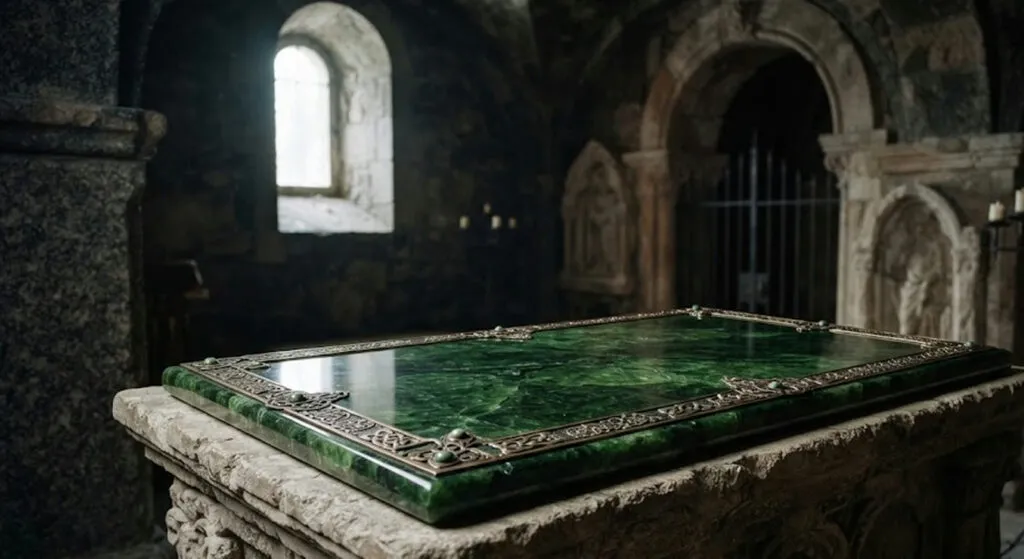
Harald designed the sarcophagus himself, and it is shaped like a ship. The stone is 400 million years old and...

Von der Leyen proposed a status that does not exist in European law, the Canadians distanced themselves, and Washington announced...

The French candidate called the war in Ukraine a slaughterhouse and pointed out it has already lasted longer than the...
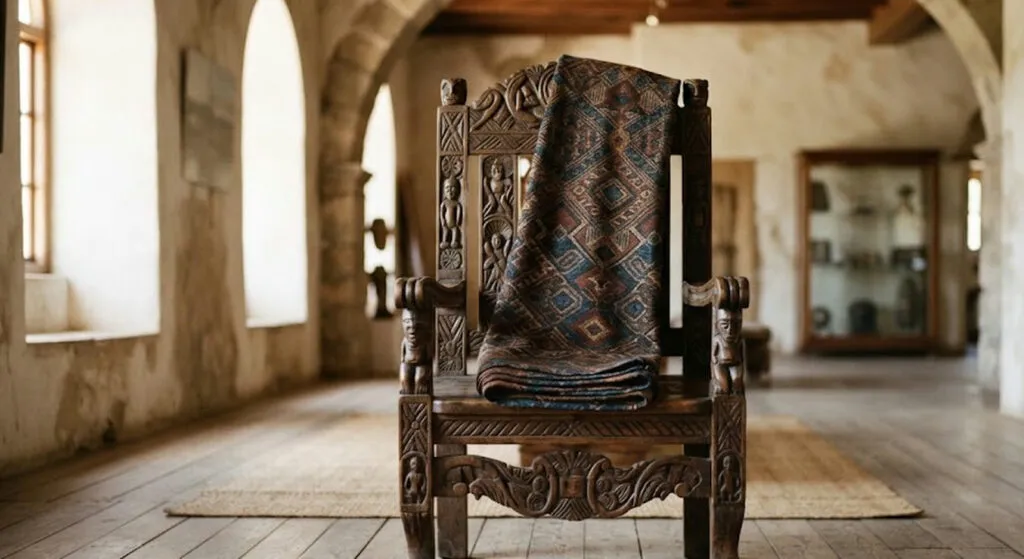
Four decades in politics, but the headline the world wrote was about her brother and his sixteen wives. When the...
This site uses cookies - is that okay? Learn more
Be the first to know when Metla launches something new
Leave your email and we will write when there is a new guide or something new on Metla.