
Six Years of Fake Licence Categories Issued From an Interior Ministry Desk: Six Charged, 21 More Under Investigation
21.09.2026


21.09.2026

21.09.2026

21.09.2026

21.09.2026

21.09.2026
21.09.2026

21.09.2026

20.09.2026

20.09.2026

21.09.2026

21.09.2026

20.09.2026

21.09.2026

21.09.2026

21.09.2026

21.09.2026

20.09.2026

19.09.2026

21.09.2026

21.09.2026

21.09.2026
21.09.2026

21.09.2026

21.09.2026

09.03.2026

27.02.2026

19.02.2026

21.09.2026

21.09.2026

20.09.2026

23.04.2026

23.04.2026

12.04.2026

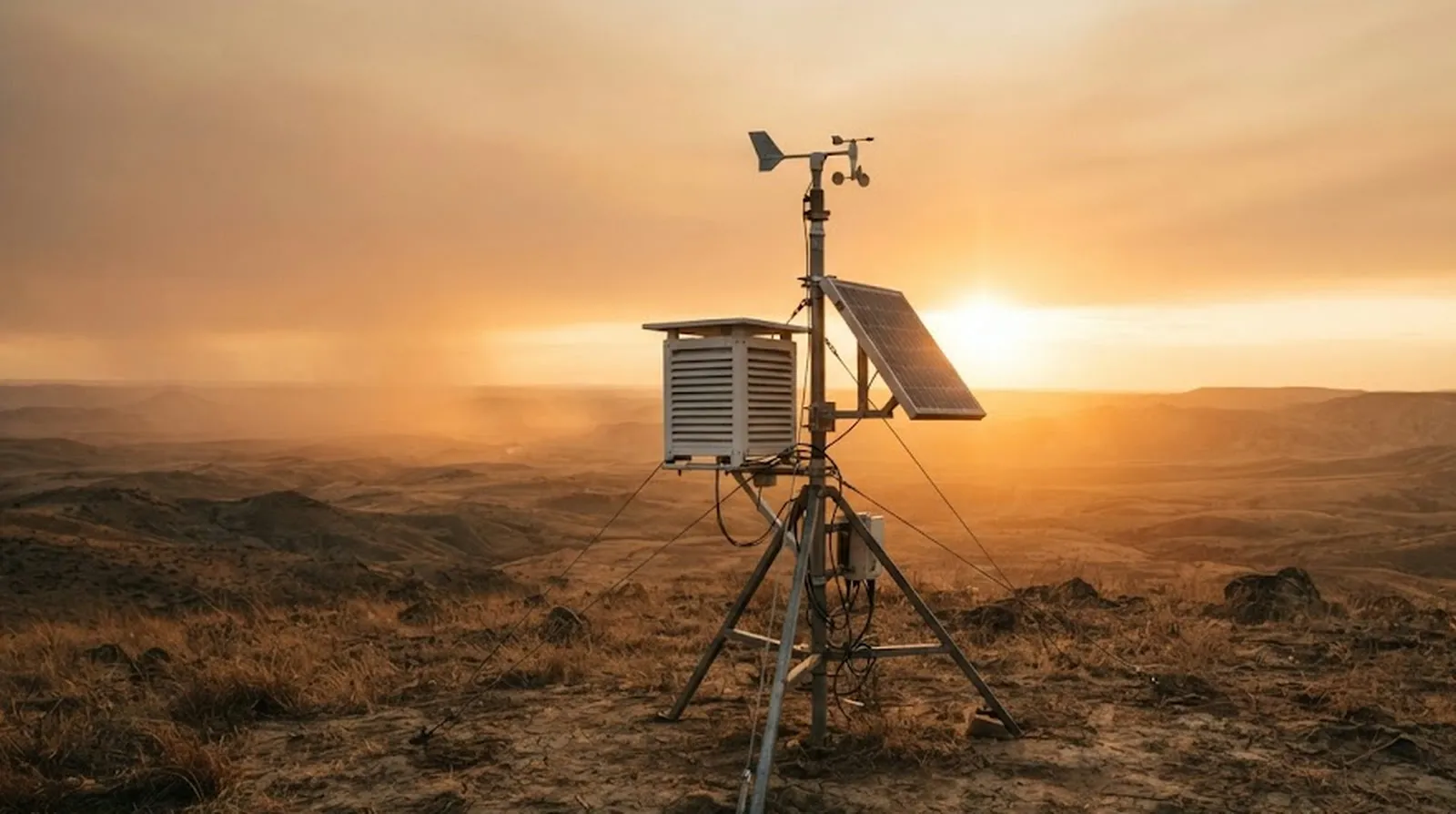
The debate over whether the planet is warming ended long ago. The new research answers the more serious question - whether it is warming faster than before. The answer is yes, with statistical certainty above 98 percent.
The study, published in the journal Geophysical Research Letters, found that between 2015 and 2025 the Earth warmed at a rate of 0.35 degrees Celsius per decade. For comparison, the average from 1970 to 2015 was around 0.2 degrees per decade. That is an acceleration of roughly three quarters - within a single generation.
What makes the figure hard to dismiss is the method. The researchers analysed five global temperature datasets and deliberately stripped out natural variation - El Niño cycles, solar activity and volcanic eruptions. „We remove the known natural influences from the observational data in order to reduce the noise. That makes the underlying long-term warming signal clearer”, explained Grant Foster, a retired statistician and co-author of the study.
The 1.5-degree limit
The other co-author, Stefan Rahmstorf, states the conclusion without softening it: „If the warming rates of the last decade continue, the Paris Agreement's 1.5-degree limit will be permanently exceeded before 2030.”
Before 2030. Not before the end of the century, not in some abstract future for somebody's grandchildren to decide about - within four years. Rahmstorf adds that how much further the planet warms depends on how fast global carbon dioxide emissions from fossil fuels reach zero.
Why this is the first time
The acceleration had been suspected until now, but was never confirmed with statistical significance. This is the first time scientists can say that the temperature rise is not only high but steepening - and prove it.
The Balkans feel it summer after summer, in heatwaves that stopped being news because they became the schedule. The difference between 0.2 and 0.35 degrees per decade sounds small on paper. In practice it is the difference between a summer with a few hot days and a summer where red warnings are the default.
The latest 10 news from this category

Three options on the table in Washington - military pressure, economic strangulation or a deal - and the president frames...

The party of Adenauer and Kohl slid to the electoral threshold in Mecklenburg, the AfD is already demanding the chancellor's...
Two prime ministers in the same Union, the same month, completely opposite diagnoses of who is provoking whom. There is...
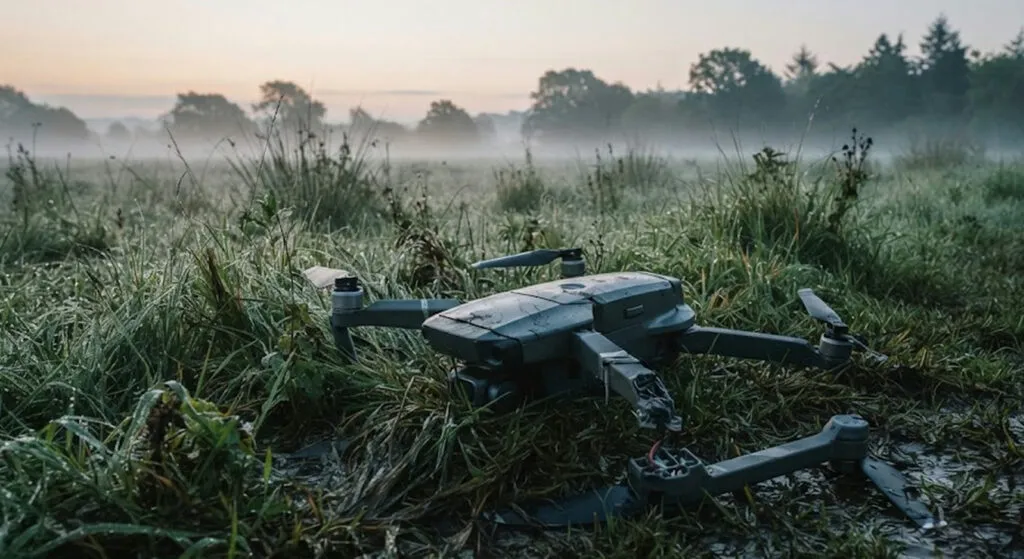
A broken aircraft in a field usually ends up in a police note. This one ended up with federal investigators,...

Beijing will easily find another supplier. The harder question is what Washington is actually testing: whether private Chinese companies will...
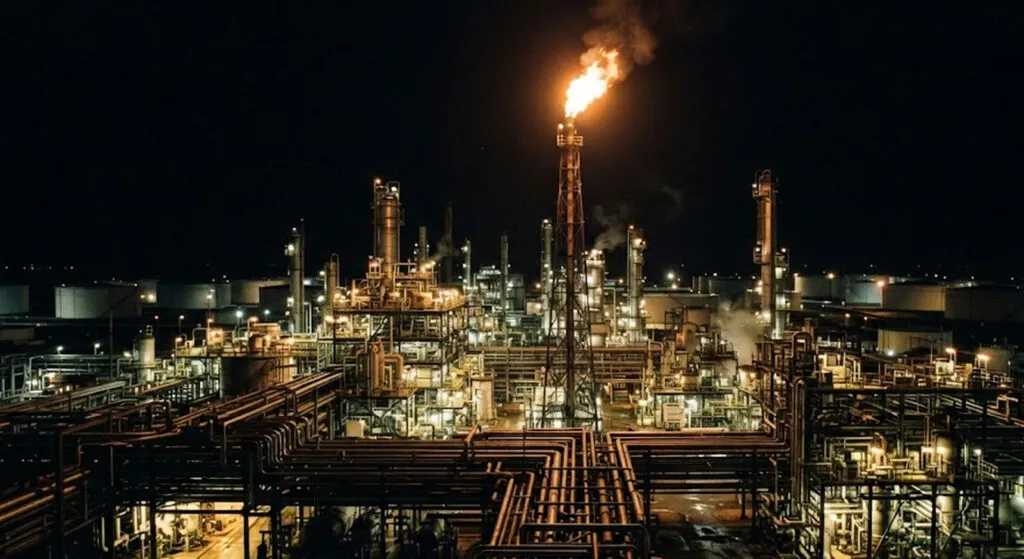
The law lets Washington hit the five biggest buyers of Russian oil with tariffs of up to 100 per cent....

Measures imposed over the war in Ukraine are now being offered as currency in an entirely different dispute. If the...

A smaller dose and more needles does not mean a safer vaccine, it means an ineffective one. Science has had...

Harald designed the sarcophagus himself, and it is shaped like a ship. The stone is 400 million years old and...

Von der Leyen proposed a status that does not exist in European law, the Canadians distanced themselves, and Washington announced...
This site uses cookies - is that okay? Learn more
Be the first to know when Metla launches something new
Leave your email and we will write when there is a new guide or something new on Metla.