
Sixteen Arrests in Twenty-Four Hours, All for Drugs: The Police Are Working - But Where Are All These People Coming From?
20.09.2026


20.09.2026

20.09.2026

20.09.2026
20.09.2026

20.09.2026

20.09.2026

20.09.2026
19.09.2026

18.09.2026

20.09.2026

20.09.2026
19.09.2026

20.09.2026

20.09.2026

20.09.2026

20.09.2026

19.09.2026

18.09.2026

20.09.2026

20.09.2026

20.09.2026
20.09.2026

20.09.2026

20.09.2026

09.03.2026

27.02.2026

19.02.2026

20.09.2026

19.09.2026

18.09.2026

23.04.2026

23.04.2026

12.04.2026

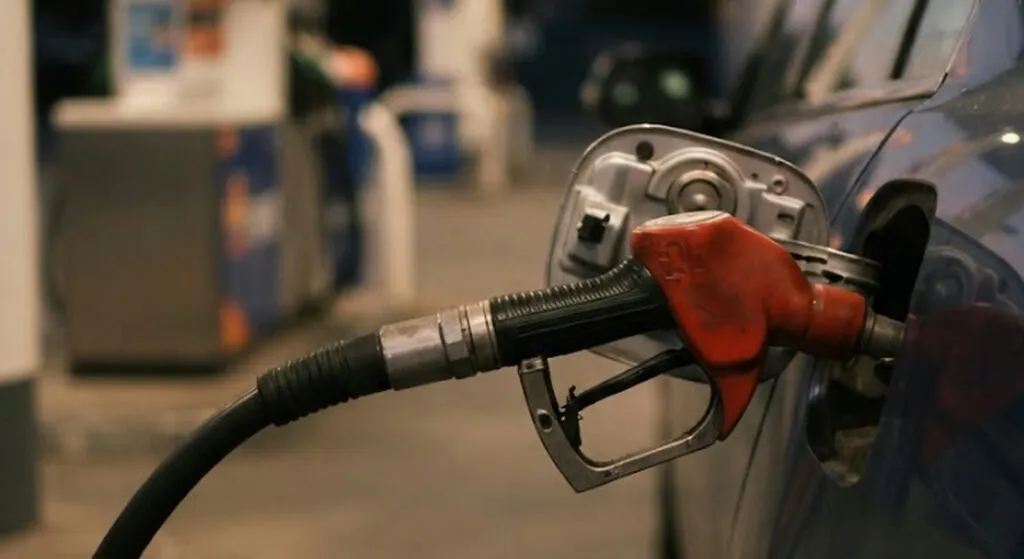
Hungary will pay owners of diesel vehicles 5,000 forints a month - around 13 euros - until the end of the year. The measure applies to passenger cars with diesel engines up to 110 kilowatts, roughly 150 horsepower, and the total per vehicle will come to about 50 euros over four months.
Parliament passed it with 123 votes in favour, 32 against and nine abstentions. The government estimates that nearly a million vehicles will qualify. Most owners will not have to file a single application - the tax and customs authority already holds the registration data and will identify the recipients itself. The first payments are expected in October.
Prime minister Peter Magyar explained that the sum is meant to cover the difference between the previously protected diesel price and today's market price, calculated on one average tank of fuel per month. At the start of September, average diesel in Hungary cost around 675 forints a litre - roughly 1.9 euros - which is still lower than in Poland, the Czech Republic and Slovakia.
Why the price rose in the first place
The reasons are not Hungarian. The war, the disruptions to shipping in the Middle East, Russian export restrictions and a shortage of refining capacity are pushing diesel up globally. Hungary also has a problem of its own - reduced capacity at MOL's refinery on the Danube after the fire in October.
Earlier this year the previous government took a different route and froze prices: petrol at 595 forints a litre, diesel at 615. The current government rejected that move and chose a direct payment instead, arguing that broad price caps create supply problems. Economist Viktor Zsiday criticises the logic from another angle - public money goes to car owners, and it is paid for by people who drive a petrol car, use public transport or ride a bicycle.
Both criticisms are true at the same time, and that is the most interesting part of this measure. Freezing prices empties the shelves; a direct payment spreads the bill across people who get nothing out of it. There is no clean option - only a choice about which cost will be visible and which will stay buried in the budget. The next time some politician in this region promises to "sort out" fuel prices, it is worth asking which of these two bills they are proposing.
The latest 10 news from this category
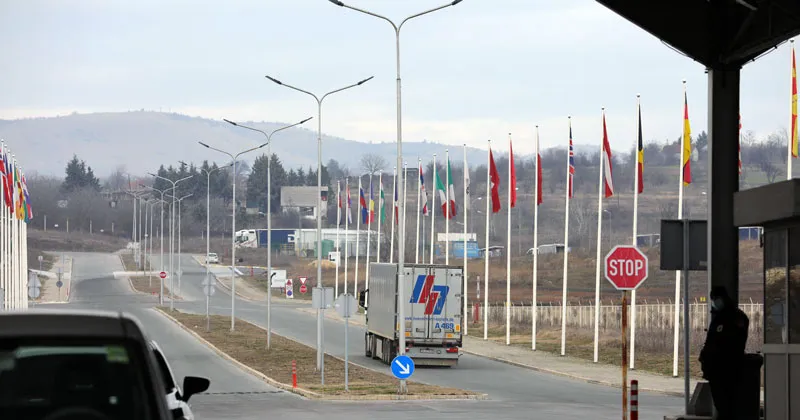
State statistics office data for 2024: 3,280 foreign affiliates, 105 thousand employees, close to three billion euros in value. Four...

In Obrshani and Debreshte the crop is rotting unsold. One question nobody answers - how many tonnes of peppers have...
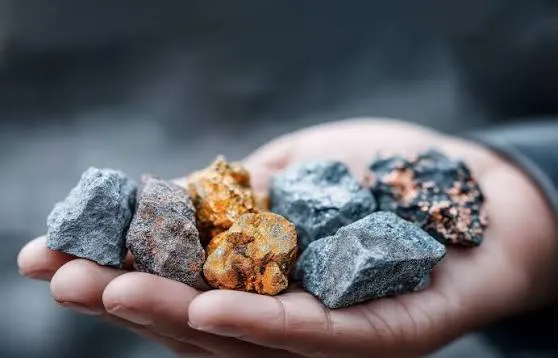
The DFC is paying for feasibility work and a resource assessment. Mickoski claims the reserves exceed those of the world's...
A new federal body, an official already being called the AI czar, and one condition for applying - a high...

Diogo Almeida helped build ChatGPT, then concluded the whole industry is optimising for the wrong thing. His new model does...

Porsche, Alaska Airlines and J.B. Hunt are not buying startups - they are commissioning them. When innovation moves inside the...

No living actor can give 75 interviews at once - which is exactly why the number was the advertisement. But...

The State Statistical Office published the figure nobody wants to comment on: what the other 95 percent of companies in...
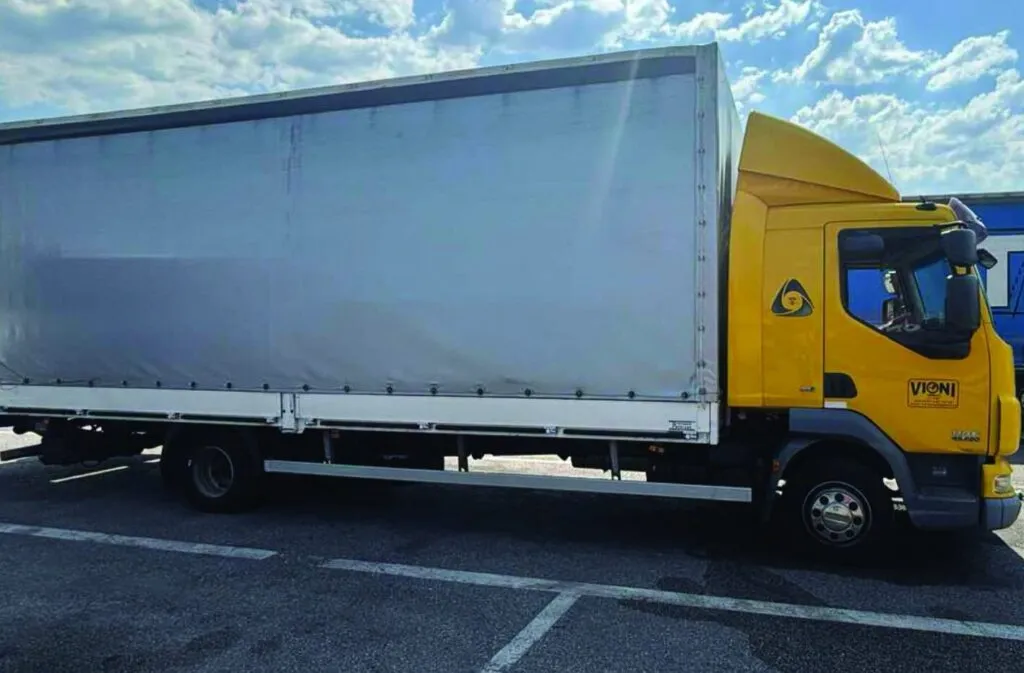
The 90/180 rule is being solved country by country. Meanwhile the European market offers wages to staff that we train...
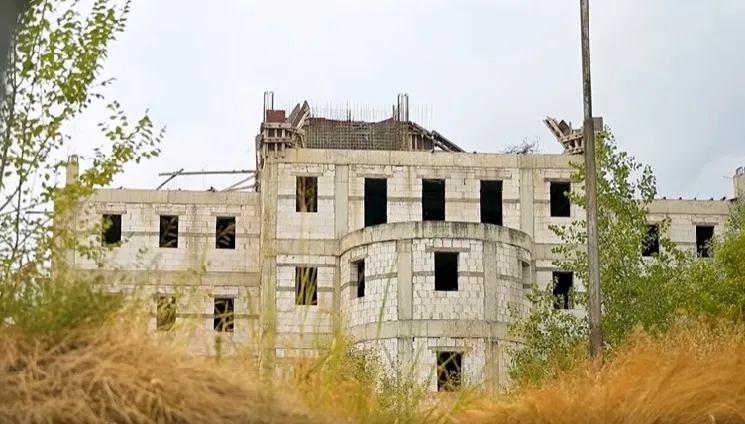
The concrete has stood unfinished since 2015. The Spanish grant pays for the preparation - the remaining 35 and a...
This site uses cookies - is that okay? Learn more
Be the first to know when Metla launches something new
Leave your email and we will write when there is a new guide or something new on Metla.