

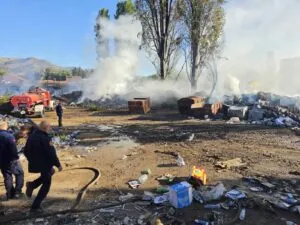
Fire by the railway in Prilep: residents watched black smoke over textile waste, "Komunalec" says - a small part, no danger
04.10.2026


04.10.2026
04.10.2026
04.10.2026
04.10.2026
04.10.2026
04.10.2026
04.10.2026
03.10.2026

02.10.2026
04.10.2026
04.10.2026
03.10.2026
04.10.2026

04.10.2026
04.10.2026

04.10.2026
03.10.2026
02.10.2026
04.10.2026

04.10.2026

04.10.2026
04.10.2026

04.10.2026
03.10.2026

09.03.2026

27.02.2026

19.02.2026
04.10.2026
04.10.2026
03.10.2026
02.10.2026
22.08.2026
20.08.2026

23.04.2026

23.04.2026

12.04.2026

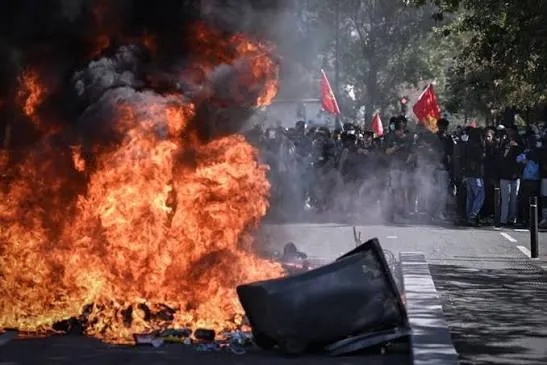
For decades France presented itself as one of the world's loudest defenders of democracy, human rights and the right to protest. From Africa to the Middle East, from the Balkans to other parts of Europe, Paris often sent messages to other governments: listen to your citizens, respect the demonstrators and do not use excessive force.
Young people asked for better conditions in education and for institutions to hear their problems. The first major reactions came from pupils and school communities unhappy with the shortage of teachers, lost classes, overcrowded classrooms and the different conditions for education between the richer and poorer parts of France.
Some of the demonstrators began responding to police interventions with resistance. Barricades appeared, objects were thrown, bins were set on fire and property destroyed. The police responded with additional force and arrests.
When the young people first took to the streets, the institutions had the chance to invite them to talks, hear their demands and publicly offer concrete solutions. Back then the protests could still have moved from the streets back into the classrooms and the negotiating rooms.
The authorities allowed discontent from the schools to grow into a national crisis, there is no dialogue, and political responsibility and resignations are entirely legitimate.
The facts show how far the crisis has gone. The protests have spread to more than 1,200 high schools, and since Monday more than 5,000 people have been detained, mostly teenagers. At the same time, hundreds of members of the security services have been injured, and some of the protests have turned into serious violence.
The authorities have the right and the obligation to prevent arson, the destruction of property and attacks on police officers, teachers or other citizens.
France should not only be discussing how to stop the protests, but also who bears the political responsibility for the crisis getting this far.
In a democracy, a resignation is not an admission that the state has capitulated to the street. It can be a way for politicians to take responsibility for their own decisions and failures.
If nobody takes political responsibility for a crisis like this - then what does anyone ever resign for in a democracy?
The latest 10 news from this category
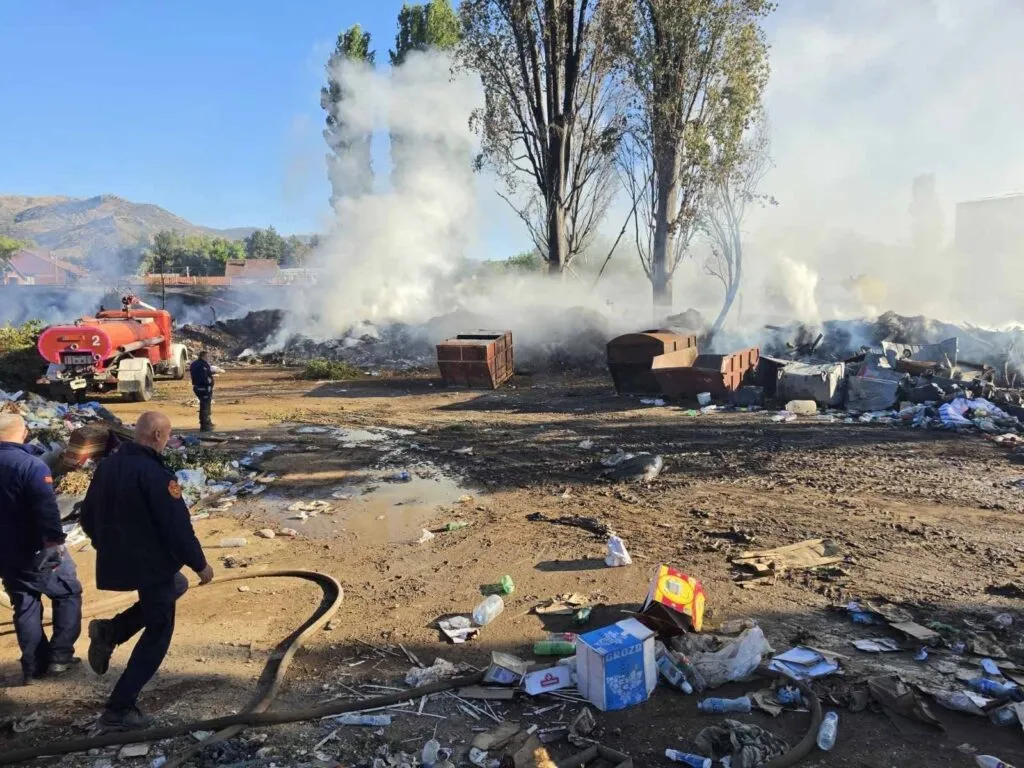
On one side, thick, choking smoke visible even from the road to Bitola. On the other - a statement that...
A fifteen-year-old robbed under threat of a sharp object, three primary school pupils attacked on a day trip, a seventeen-year-old...
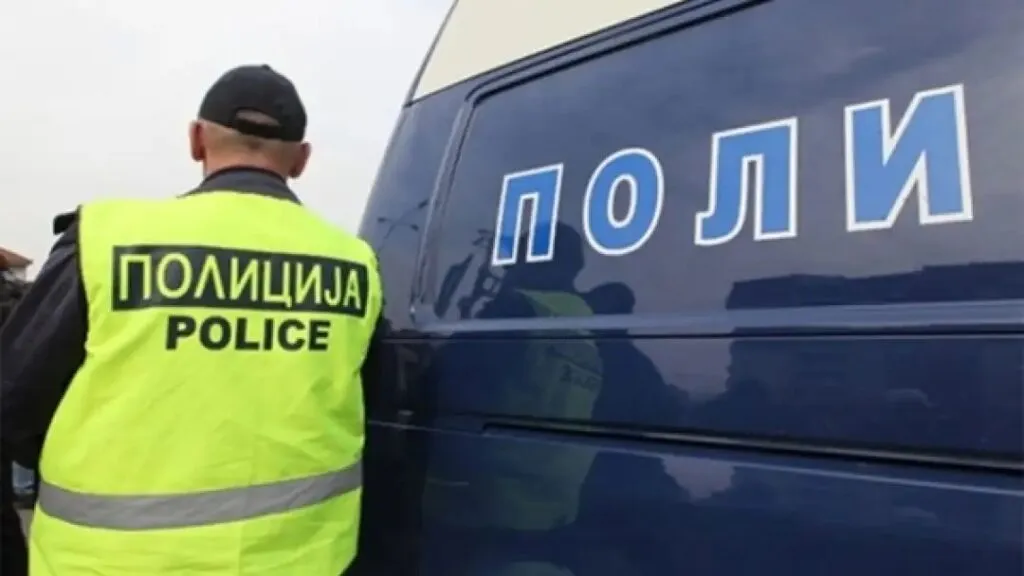
Unresolved property relations over a village road, a sharp object and traces of blood. The 75-year-old suspect has been detained.
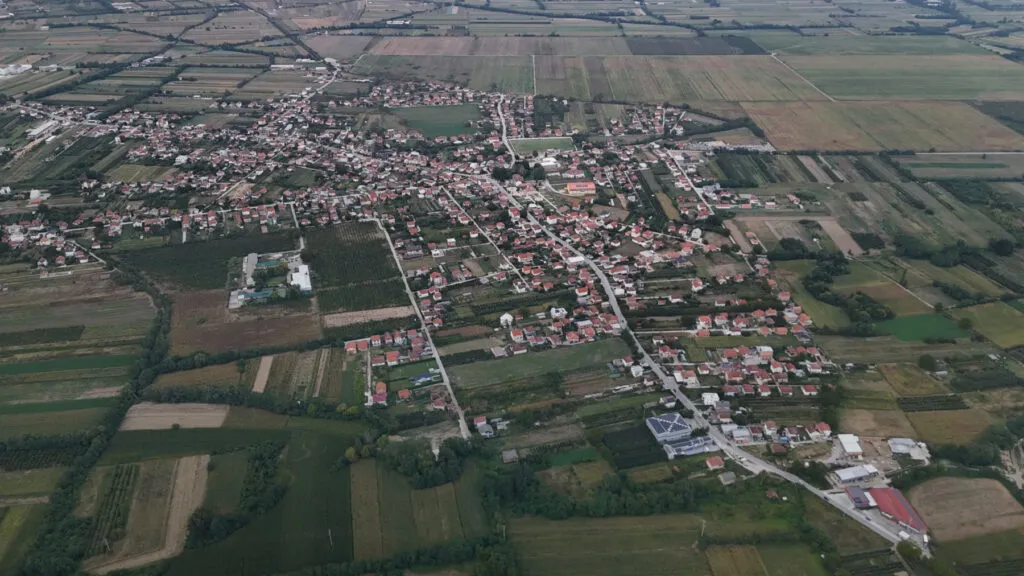
Extending the old road, water for Gurgurnica, young people who shouldn't leave and municipal companies. One candidate didn't respond to...
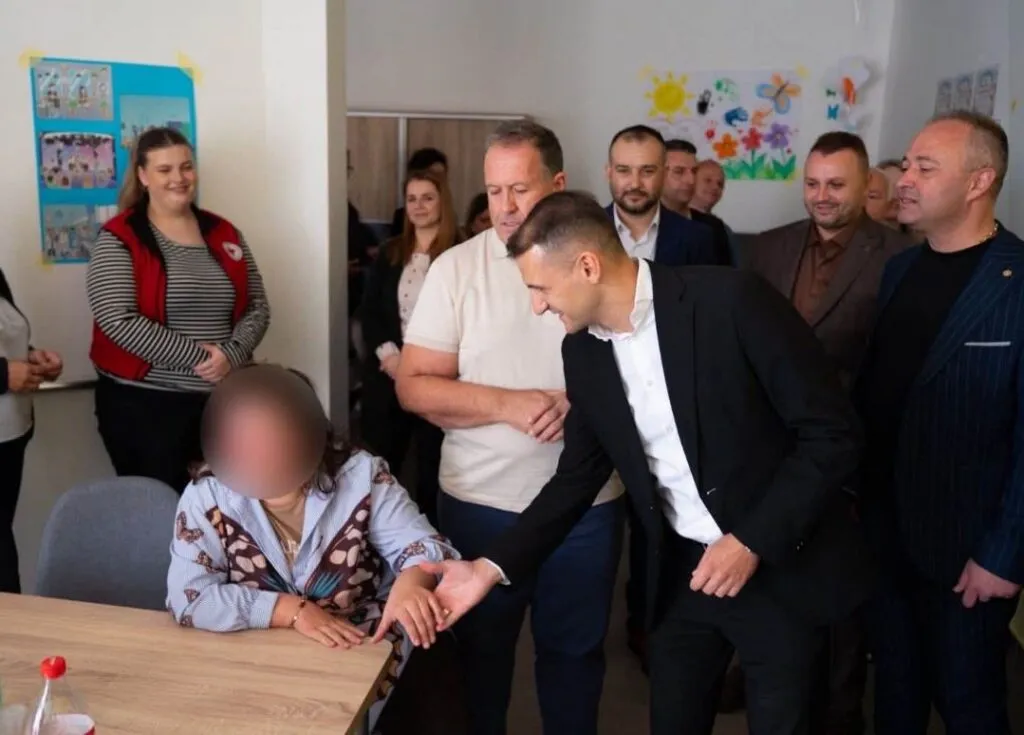
Minister Velkovski opened the centre and spoke of a society in which everyone has an equal chance. Capacity is 12...
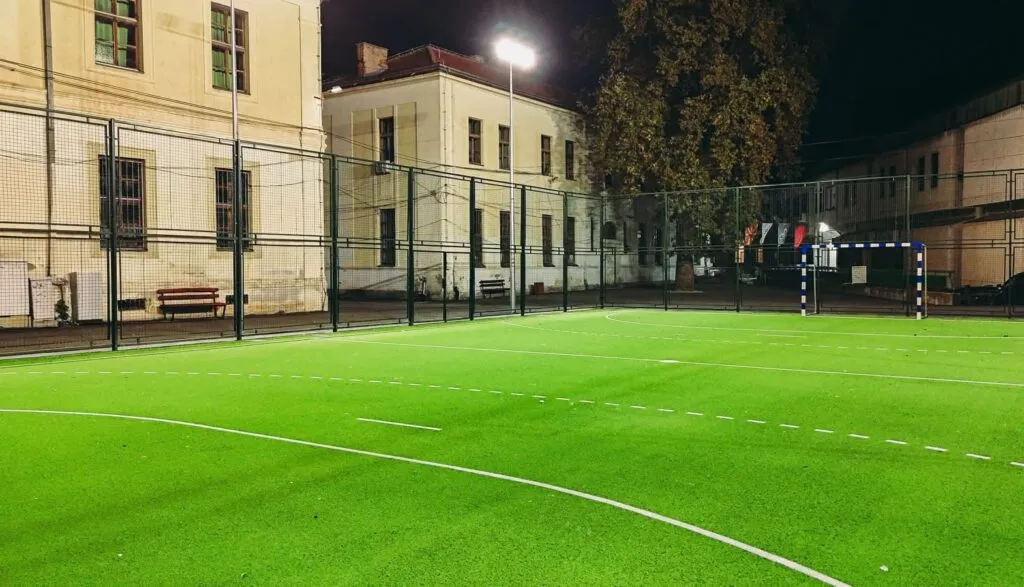
Futsal, handball and basketball, a fence and lighting. The money comes from a government call, and the real test comes...
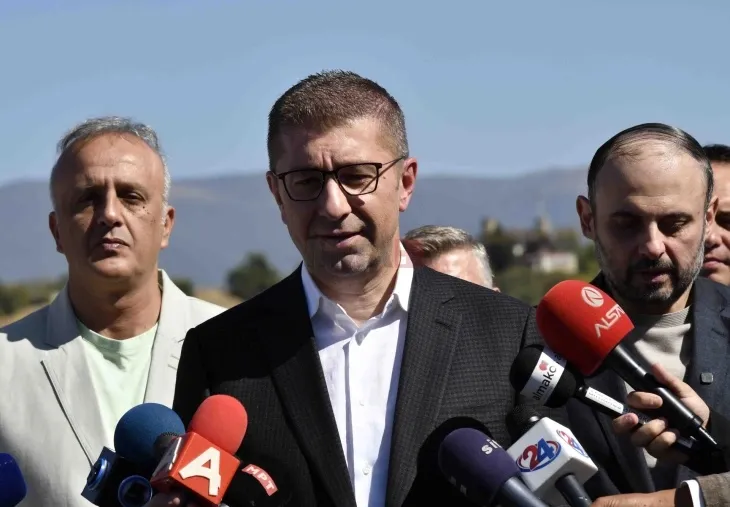
The constitutional changes stay on the table, and Skopje has requested a bilateral meeting with Bulgaria. So far there is...
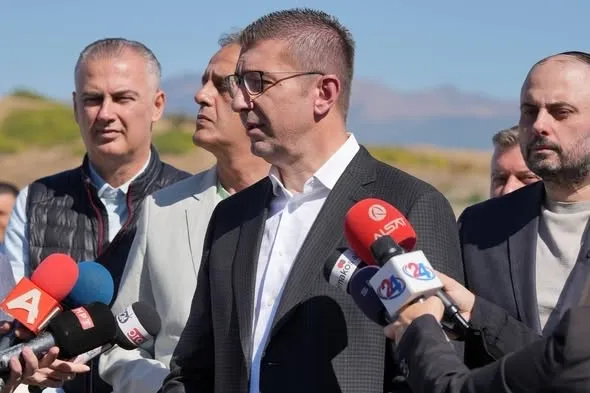
As Greece handed Bulgaria the remains identified as Samuel's, the prime minister answered with history. His dates didn't add up.

Just to preserve the purchasing power of the 140 denars, food prices say it should be around 151. Instead, the...
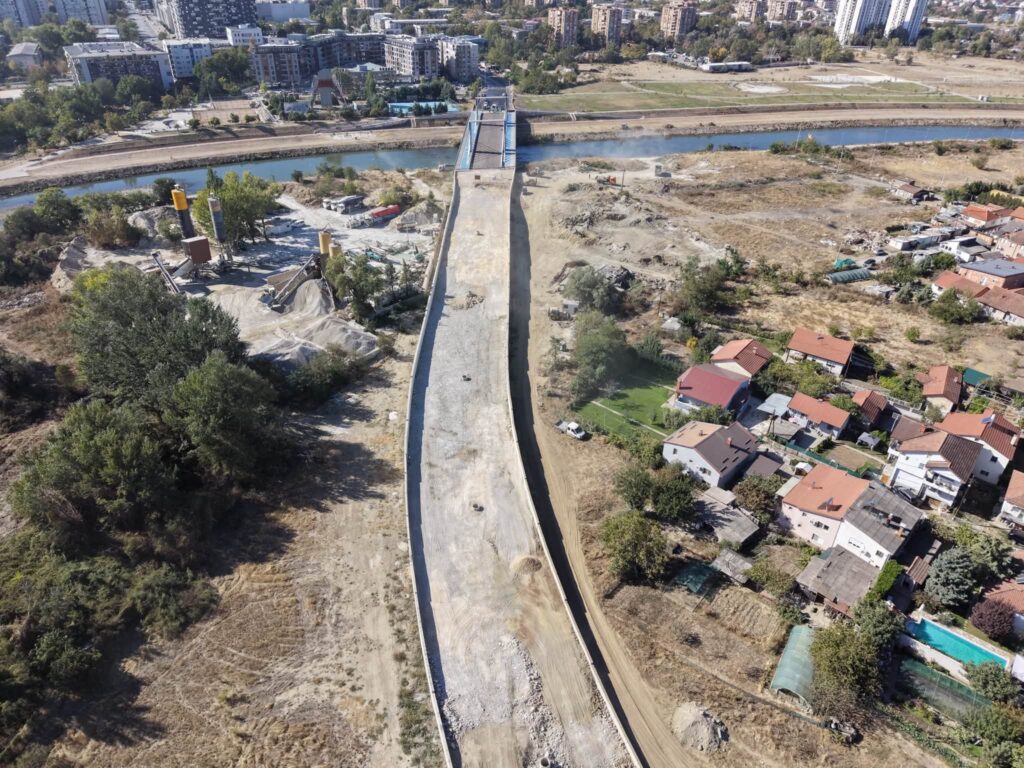
A new link to Zlokukjani, Bardovci and the Industrial Zone, four lanes and 40 street lights. Gjorgjievski pinned the blame...
This site uses cookies - is that okay? Learn more
Be the first to know when Metla launches something new
Leave your email and we will write when there is a new guide or something new on Metla.